
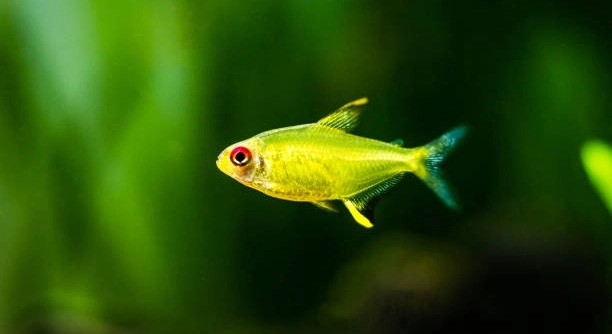
Lemon tetras are small, vibrant fish that brighten any freshwater aquarium. Observing their behavior can be rewarding, yet subtle signs of aggression may go unnoticed. Understanding their social dynamics is key to maintaining a peaceful tank environment.
Bullying in lemon tetras is identified through repeated chasing, nipping, or isolating weaker fish. Dominant individuals may consistently harass others, leading to stress, fin damage, or hiding behaviors. Recognizing these patterns early allows for timely interventions to protect all tank members.
Monitoring interactions closely helps ensure harmony among your fish. Simple adjustments in environment or group composition can prevent ongoing conflict and maintain a healthy aquarium.
Recognizing Signs of Aggression
When lemon tetras bully, their behavior can be subtle at first. They may chase specific fish repeatedly or nip at fins. Other signs include one fish consistently hiding while others swim freely, or trembling and rapid gill movement. Changes in color can also indicate stress. Aggressive tetras may dominate feeding areas, pushing others aside or snapping when another approaches food. Observing your tank at different times of the day can reveal these patterns, as some aggression occurs more when lights are on or during feeding. Stress from bullying can weaken a fish’s immune system, making it prone to illness. Sometimes aggression arises from overcrowding or a lack of hiding spaces. Providing plants, decorations, or a larger tank helps reduce conflict. Separating aggressive fish temporarily can also allow the tank to regain balance. Being patient and attentive is essential to ensure every fish remains healthy and comfortable in their environment.
Aggression often increases in smaller tanks with fewer hiding places. Observing your tetras daily helps catch issues early.
Consistent monitoring is key. Documenting incidents of chasing or nipping helps identify which fish are aggressive and which are stressed. Adjusting the tank layout, adding plants, or increasing swimming space can reduce tension. If a fish is repeatedly harassed, temporary separation in a quarantine tank can protect it from injury. Balancing male-to-female ratios and maintaining stable water conditions also minimizes triggers. Over time, careful observation and small interventions can restore harmony without resorting to major changes or removing fish permanently.
Managing Bullying Behavior
Small adjustments in the tank can make a big difference in reducing bullying. Rearranging decorations or adding hiding spots often disperses dominance patterns.
Interventions begin with understanding why aggression occurs. Lemon tetras are social, and establishing a natural hierarchy is normal, but repeated harassment requires action. Overcrowding often triggers tension, so ensure your tank allows enough space for all individuals to swim freely. Altering the environment, such as adding floating plants, caves, or dividers, helps weaker fish find refuge and reduces encounters with dominant ones. Adjusting feeding strategies can also help; distributing food in multiple areas prevents competition and reduces aggressive interactions. Sometimes, identifying the consistently aggressive fish and moving it temporarily allows the group to rebalance. Water quality plays a role too, as poor conditions can exacerbate stress and lead to irritability. By addressing these factors, the overall tank atmosphere improves. Long-term observation and small, strategic changes help maintain a peaceful environment, ensuring lemon tetras thrive together without ongoing conflict.
Preventing Future Bullying
Spacing out decorations and plants gives all lemon tetras areas to hide and reduces constant chasing. Maintaining a proper fish count ensures no one fish becomes overly dominant, keeping stress levels lower.
Creating multiple hiding spots in various tank zones allows weaker fish to avoid constant confrontation. Adding floating plants or small caves helps fish feel secure while still letting them swim freely. Observing how new decorations shift social behavior can highlight trouble spots. If aggression persists in certain areas, rearranging elements again can break established dominance patterns. Tank size matters; crowded spaces amplify bullying, so a larger aquarium helps distribute activity and minimize stress. Regularly monitoring interactions ensures adjustments remain effective over time.
Feeding strategies also prevent conflict. Spreading food across different areas reduces competition, letting all tetras eat without confrontation. Varying feeding times occasionally can keep dominant fish from controlling resources, promoting harmony.
Responding to Aggressive Fish
Isolating a repeatedly aggressive tetra temporarily prevents injury to others and gives the tank a chance to rebalance naturally.
Aggressive fish may need short-term separation to reduce repeated harassment. Using a quarantine or divider tank allows the fish to remain in the same environment but prevents physical attacks. Monitoring its behavior during isolation can reveal triggers, such as stress or environmental factors. After a few days, gradual reintroduction with careful observation can help restore group harmony. Temporary separation also prevents injury and reduces stress for weaker fish, helping maintain overall health.
Maintaining water quality and stable conditions supports calmer behavior. Poor water conditions can increase irritability, causing even mild fish to act aggressively. Consistent testing of pH, ammonia, and nitrate levels ensures the tank remains optimal. Adjusting temperature or performing partial water changes can improve comfort and reduce tension. Social dynamics improve when environmental stressors are minimized. Combining careful observation, temporary separation, and proper tank management creates a safer environment for all tetras. Patience and consistency are key to long-term peaceful coexistence.
Adjusting Tank Environment
Adding plants, rocks, and hiding spots evenly throughout the tank helps lemon tetras avoid confrontation. Open swimming areas combined with secure hiding zones reduce stress and allow all fish to move freely without constant threats.
Changing tank layout occasionally can disrupt established dominance patterns. Rearranging decorations or adding new hiding places prevents aggressive fish from controlling territories. This simple adjustment encourages more balanced interactions and gives weaker fish space to explore safely. Observing the tank after each change helps identify whether bullying behavior decreases, allowing you to refine the environment for long-term harmony.
Monitoring Behavior Patterns
Careful observation helps identify which fish are aggressive and which are stressed. Documenting incidents of chasing, nipping, or hiding reveals recurring issues. Tracking these patterns over days or weeks highlights triggers such as feeding times, overcrowding, or territorial disputes.
Feeding Strategies
Distributing food in multiple areas prevents dominant fish from controlling access. Spreading out pellets or flakes ensures all lemon tetras eat without confrontation, reducing aggression during feeding.
FAQ
How can I tell if a lemon tetra is stressed from bullying?
Signs of stress include hiding constantly, trembling, loss of color, and rapid gill movement. Stressed fish may avoid areas where dominant fish swim or stop eating. Monitoring behavior during feeding and regular tank observations help identify which fish are struggling and need protection.
Is it normal for lemon tetras to chase each other?
Some chasing is natural, as they establish a hierarchy, but repeated targeting of a single fish is not normal. If the same individual is consistently chased or nipped, it indicates bullying rather than normal social behavior.
What should I do if one tetra is constantly being nipped?
Providing additional hiding spots and rearranging decorations can help reduce conflict. If aggression persists, temporary separation using a divider or quarantine tank allows the bullied fish to recover without permanent injury. Gradual reintroduction afterward can restore balance.
Can tank size affect bullying behavior?
Yes, smaller tanks often increase aggression. Overcrowding forces fish into close proximity, giving dominant fish more opportunities to chase others. Ensuring enough space and swimming room reduces tension and supports a peaceful environment for all tetras.
Do water conditions influence aggression?
Poor water quality can increase irritability in fish. Unstable pH, high ammonia, or nitrate levels stress fish, making aggression more likely. Regular testing and maintaining stable water conditions help reduce stress and promote calmer social interactions.
How many lemon tetras should I keep together to prevent bullying?
A small school of at least six fish is recommended. Smaller groups may lead to one fish dominating the others. Larger groups spread out interactions and make it harder for a single tetra to target one individual repeatedly.
Should I separate aggressive fish permanently?
Permanent separation is only necessary if repeated aggression cannot be resolved. Temporary isolation often allows the group to rebalance naturally. Observe behavior carefully before deciding on permanent changes to avoid unnecessary stress or disruption to the school.
Do feeding habits affect bullying?
Yes, dominant fish may chase others away from food. Spreading food in multiple areas or varying feeding times ensures all tetras can eat safely and reduces conflict during meals. Feeding evenly distributes resources and lowers competition.
How do I know if aggression is resolved?
Aggression is reduced when all fish are swimming freely, feeding normally, and hiding less. Observe interactions over several days to confirm that bullying has stopped and the group is balanced. Temporary flare-ups are normal but should not be constant.
Can decorations really prevent bullying?
Yes, decorations create territories and hiding spots, reducing direct encounters. Floating plants, rocks, and small caves allow fish to avoid dominant individuals. Changing the layout periodically prevents established territories from favoring aggressive fish, promoting a healthier social dynamic.
Is it safe to add new tetras to an aggressive school?
New fish may trigger additional aggression until the group reestablishes hierarchy. Introduce them gradually, ideally using a divider at first. Observing how existing fish respond helps ensure the newcomers are not targeted excessively and can integrate safely.
How long does it take for bullying to stop?
Time varies depending on the fish and interventions. Minor disputes may settle within days, while persistent aggression might take weeks. Consistent observation, environmental adjustments, and careful management of feeding and hiding spaces are essential to resolving conflicts.
Can gender affect bullying in lemon tetras?
Yes, males can be more territorial, especially during feeding or if space is limited. Maintaining a balanced male-to-female ratio and observing interactions can help prevent dominance-related bullying and reduce stress on weaker fish.
Are there signs of bullying that might be easy to miss?
Yes, subtle signs include slight fin damage, minor color fading, or occasional fleeing from dominant fish. Regular observation and careful note-taking help identify problems before they escalate into serious stress or injury.
What role does tank layout play in long-term harmony?
A thoughtfully arranged tank minimizes conflict by creating multiple swimming routes and hiding areas. Rotating decorations and adding plants prevents fixed territories, discouraging dominant fish from harassing the same individuals repeatedly. Long-term attention to layout supports a calm and balanced school of lemon tetras.
How can I encourage positive social behavior?
Providing adequate space, evenly distributed food, and multiple hiding spots promotes fair interactions. Observing group dynamics and making small adjustments when tension arises helps all fish coexist peacefully. Over time, this reduces chronic bullying and ensures a healthier environment for every tetra.
Are temporary conflicts normal in a healthy school?
Yes, occasional chasing or minor squabbles occur naturally as tetras establish hierarchy. These are brief and not targeted at a single fish consistently. Persistent, repetitive harassment is the key indicator of bullying that requires intervention.
How do I prevent future bullying once it has been resolved?
Maintain proper tank size, a balanced group, stable water conditions, and multiple hiding spots. Observe behavior regularly and adjust the layout or feeding strategies as needed to prevent dominant fish from regaining control and causing stress again.
Can stress from bullying affect fish health?
Yes, chronic stress weakens immune systems, slows growth, and increases susceptibility to disease. Reducing bullying through environmental adjustments, proper feeding, and temporary isolation helps preserve overall health and long-term well-being.
What are the most effective long-term solutions?
Consistent observation, maintaining tank conditions, providing hiding spaces, spreading food evenly, and temporarily separating aggressive fish when necessary. Combining these measures ensures a balanced, healthy group and minimizes the risk of ongoing bullying.
This FAQ addresses common concerns and provides clear, practical steps to manage and prevent bullying among lemon tetras, helping maintain a peaceful and healthy aquarium environment.
Final Thoughts
Maintaining a peaceful aquarium with lemon tetras requires attention to both behavior and environment. These small fish are naturally social, but repeated aggression can cause stress and harm. Observing daily interactions is essential to identify signs of bullying early. Hiding, trembling, rapid gill movement, and color changes are clear indicators that a fish is being targeted. Chasing or nipping that is persistent toward a single individual shows that dominance has crossed into harmful behavior. By recognizing these signs promptly, it is possible to take steps to reduce stress and protect weaker fish. Small adjustments in the tank can have a big impact on overall harmony.
Environmental management plays a central role in reducing aggressive behavior. Providing sufficient swimming space, evenly distributed hiding spots, and open areas allows all fish to move freely without constant confrontation. Decorations such as rocks, plants, and caves can act as barriers or safe zones, giving bullied fish a chance to recover and regain confidence. Rearranging the tank periodically can prevent established territories from favoring dominant individuals and reduces repeated harassment. Proper tank size is also important, as overcrowding increases stress and creates more opportunities for aggressive interactions. Maintaining stable water conditions further supports calmer behavior, as poor water quality can make even typically peaceful fish more irritable. Small but consistent efforts in managing the tank environment promote long-term balance and minimize conflict.
Feeding and social management are equally important to maintaining a healthy school. Spreading food across different areas prevents dominant fish from controlling resources and allows weaker fish to eat without stress. Temporary separation of aggressive fish can help restore balance without permanent disruption to the group. Monitoring behavior and documenting incidents over time allows for informed decisions about adjustments in tank layout or social dynamics. Patience is key, as changes in behavior may take days or weeks to stabilize. Consistent observation, combined with careful management of space, feeding, and hiding options, ensures that all lemon tetras coexist comfortably. By understanding their social needs and addressing both environmental and behavioral factors, it is possible to create a harmonious aquarium where every fish can thrive and display natural, healthy behavior.

Hello,
If you enjoy the content that we create, please consider saying a "Thank You!" by leaving a tip.
Every little bit helps us continue crafting quality advice that supports the health, happiness, and well-being of pets around the world, for pets of all shapes, sizes, and species.
We really appreciate the kindness and support that you show us!