
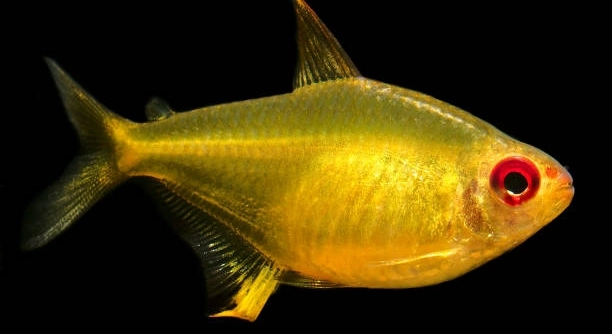
Are your lemon tetras showing signs of stress even in a well-kept aquarium? These small, vibrant fish are sensitive to their environment and can react strongly to noises you might not even notice in daily life.
Lemon tetras are easily disturbed by sudden or constant loud sounds, vibrations, and erratic movements near their tank. Frequent tapping, household appliances, or excessive talking can increase stress levels, potentially affecting their health, behavior, and overall well-being.
Recognizing these common disturbances can help you maintain a calm, healthy environment for your lemon tetras and ensure they thrive in your aquarium space.
Loud Tapping on the Glass
Even gentle taps on the aquarium glass can startle lemon tetras. They are highly sensitive to vibrations and sudden movements, which can trigger stress responses. Repeated tapping, whether from cleaning, feeding, or curiosity, can disrupt their natural swimming patterns. Over time, constant tapping may make them hide frequently or become less active. Maintaining a calm environment around the tank helps them feel secure. This includes keeping pets and children away from the glass, as well as avoiding slamming doors or furniture near the aquarium. The tank should feel like a safe, stable habitat. Observing your tetras’ reactions after any noise is important. If they cluster together or dart around, it is a sign of stress. Adjusting your interaction with the tank and controlling nearby activities will improve their comfort. Ensuring quiet periods daily allows them to rest and maintain healthy behaviors.
Frequent tapping causes stress and erratic swimming, which may eventually impact health and growth.
Controlling the noise around the tank also supports long-term well-being. Place the aquarium in a low-traffic area, use soft mats under equipment that vibrates, and limit sudden movements near the tank. Watching how the tetras respond can guide adjustments. Even minor reductions in noise can help them feel secure, maintain normal feeding patterns, and reduce aggression or hiding tendencies. Over time, these changes create a calmer, healthier environment that encourages natural behavior and reduces stress-related illness.
Household Appliance Noise
Appliances near the tank can produce vibrations or humming that disturb lemon tetras. Even low-level sounds from refrigerators, washing machines, or air purifiers can affect them.
Consistent exposure to appliance noise can increase stress, leading to weaker immune responses, reduced feeding, and avoidance of open swimming areas. It may also make them more reactive to other disturbances, amplifying the effect of minor sounds in the room. Simple steps like moving noisy devices farther away or placing vibration-absorbing pads under appliances can significantly reduce the impact. Monitoring the tetras after adjustments will show improvement in their activity, coloration, and feeding habits. Keeping background noise at a moderate and steady level helps maintain their comfort and reduces stress-related behaviors. Regular observation ensures you catch any signs of distress early, allowing prompt corrections before long-term effects occur. A quieter environment supports healthy social interactions among tetras and promotes a natural, relaxed swimming pattern throughout the day.
Loud Conversations Near the Tank
Lemon tetras are highly sensitive to loud human voices. Frequent shouting or even energetic talking nearby can make them skittish and reduce their willingness to swim in open areas.
Continuous loud conversations create a stressful environment that interferes with normal behavior. Tetras may cluster at the bottom or hide among plants, avoiding open spaces. Over time, stress can affect feeding habits and weaken their immune system, making them more prone to illness. Even routine discussions near the aquarium should be kept at a moderate volume. Observing the fish after periods of loud activity helps identify whether they need more quiet time to feel secure and maintain healthy routines.
Minimizing noise from conversations ensures a stable environment. Keeping household chatter calm near the aquarium allows lemon tetras to maintain natural behavior patterns, including active swimming, social interaction, and proper feeding. Small adjustments in your daily routine can lead to significant improvements in their overall health and comfort.
Music and Television Noise
High-volume music or TV sound near the aquarium can stress lemon tetras. Continuous exposure to strong, varying noise may cause erratic swimming and hiding.
The vibrations and sudden changes in sound frequency disrupt their natural rhythm. Tetras may stop exploring their tank and remain in sheltered areas for prolonged periods. Stress from loud media can affect their appetite and social interactions. Using lower volume levels or moving the tank away from speakers can help reduce these effects. Placement and sound management are essential to maintain a calm environment where the fish feel safe. Adjusting media habits around the aquarium ensures tetras can swim freely and maintain healthy activity levels.
Even background noise from daily entertainment should be monitored. Tetras respond to constant fluctuations in sound, which can trigger stress responses over time. Maintaining a consistent, gentle auditory environment reduces anxiety and promotes better feeding, coloration, and overall vitality. Ensuring the tank area remains calm during media use allows lemon tetras to thrive and exhibit natural behaviors without unnecessary disturbances.
Footsteps and Movement Around the Tank
Heavy footsteps or constant movement near the aquarium can make lemon tetras nervous. They pick up vibrations through the tank and may startle easily.
Even normal household traffic can stress them if the tank is placed in a busy area. Consistent vibrations may cause hiding or erratic swimming.
Dropping Objects Near the Tank
Lemon tetras react strongly to sudden noises from dropped objects. The sharp impact creates vibrations that disrupt their swimming patterns and increase stress levels. Placing the tank away from areas with frequent handling of heavy items helps maintain a calm environment.
Loud Water Filtration or Air Pumps
Powerful filters and air pumps can generate continuous noise and vibrations. If the equipment is too loud, tetras may avoid open swimming areas and become stressed. Regular maintenance and selecting quieter models reduce disturbances, ensuring a stable and comfortable habitat for their well-being.
Cleaning or Rearranging the Tank
Frequent cleaning or rearranging decorations produces noise and sudden movement, which can alarm lemon tetras. Maintaining a steady routine minimizes stress and keeps them comfortable in their environment.
FAQ
Why do lemon tetras get stressed easily?
Lemon tetras are small, delicate fish that are highly sensitive to changes in their environment. Loud noises, sudden movements, or vibrations can trigger stress. Stress affects their behavior, appetite, and overall health, making it important to provide a calm, stable habitat.
Can everyday household sounds harm lemon tetras?
Yes. Sounds from conversations, music, television, or appliances like washing machines and refrigerators can create vibrations and sudden noises that disturb tetras. Even subtle, consistent noise can lead to hiding, erratic swimming, or reduced feeding over time.
How can I reduce stress from nearby noise?
Place the tank in a low-traffic area and away from doors, windows, and loud appliances. Use mats under equipment that vibrates, keep conversations and media at moderate levels, and limit sudden movements near the aquarium to create a calmer environment.
Are lemon tetras affected by tapping on the glass?
Absolutely. Even gentle taps can startle them. Repeated tapping interrupts their swimming patterns and can cause long-term stress. It’s best to avoid tapping and ensure that children or pets do not disturb the tank frequently.
Does tank cleaning stress lemon tetras?
Yes, frequent cleaning or rearranging decorations can alarm them. While regular maintenance is necessary, it’s important to do it calmly and gradually. Minimizing sudden movements and noises during cleaning helps the fish feel secure.
Can loud filters or air pumps be a problem?
Powerful or poorly maintained equipment can produce continuous noise and vibrations. If too loud, lemon tetras may avoid open areas and hide. Choosing quiet models and adjusting the setup reduces stress while still maintaining proper filtration and aeration.
Do lemon tetras react to human movement nearby?
Yes. Heavy footsteps or rapid movements can be sensed as vibrations through the tank. Over time, constant movement can lead to anxiety, hiding, and reduced activity. Placing the tank in a quieter part of the room helps maintain their comfort.
How can I tell if my tetras are stressed?
Signs include hiding frequently, darting around the tank, refusing food, or swimming erratically. Their colors may appear duller, and social interactions may decrease. Observing these behaviors early allows for quick adjustments to reduce stress.
Can noise affect their long-term health?
Chronic stress weakens the immune system and can make lemon tetras more susceptible to disease. Long-term exposure to disturbances may reduce lifespan, affect growth, and impact overall well-being, making quiet, stable conditions essential.
What small adjustments can make the tank calmer?
Lowering volume from nearby electronics, using vibration-absorbing mats under equipment, limiting movement around the tank, and ensuring gradual, calm cleaning routines all contribute to a stress-free environment. Monitoring their behavior after changes ensures the adjustments are effective.
Are lemon tetras sensitive to sudden lights or shadows?
Yes. Sudden changes in lighting or shadows can startle them similarly to noise. Using steady lighting and avoiding abrupt light changes helps maintain a calm tank environment.
Can stress affect breeding or social behavior?
Stressed tetras may be less likely to breed and can display more aggressive or withdrawn social behaviors. Maintaining quiet, stable conditions encourages natural interactions and healthy group dynamics.
Is it possible for tetras to adapt to some noise?
They may gradually tolerate consistent, moderate sounds, but sudden or loud noises will always trigger stress responses. Reducing unnecessary noise and maintaining a predictable environment is the safest approach for their health.
What should I do if my tetras show signs of stress?
Identify the source of disturbance and minimize it immediately. Adjust tank placement, reduce noise levels, control movements nearby, and ensure equipment runs quietly. Observing their behavior after adjustments confirms whether stress is decreasing and the environment is suitable.
Can vibration from nearby furniture affect them?
Yes. Vibrations from slamming doors, moving heavy furniture, or even exercise equipment can disturb lemon tetras. Reducing vibration through careful placement of the tank and soft padding helps protect them from stress.
Are lemon tetras more sensitive than other fish?
They are generally more sensitive than hardier species due to their size and natural temperament. This sensitivity requires careful attention to environmental factors, including noise, vibrations, and sudden disturbances, to ensure their well-being.
Do seasonal changes impact their sensitivity to noise?
Seasonal changes in household activity or temperature can affect stress levels indirectly. For instance, increased activity during holidays may expose tetras to more noise and vibrations. Maintaining a stable routine and environment helps mitigate these effects.
How often should I monitor for stress?
Daily observation is recommended. Even small changes in behavior, feeding patterns, or swimming activity can indicate rising stress. Early detection allows quick intervention, maintaining health and comfort for lemon tetras over time.
Can multiple noise sources combine to increase stress?
Yes. Even moderate sounds can accumulate, creating a stressful environment. Continuous exposure to several sources, like conversations, appliances, and music, can amplify effects. Reducing the total noise load is crucial to keeping lemon tetras calm and healthy.
Do decorations or plants help reduce stress from noise?
Yes. Dense plants and decorations provide hiding spots and visual barriers that help tetras feel secure. Even if noise cannot be completely eliminated, giving them areas to retreat mitigates its impact and encourages normal behavior.
Lemon tetras are delicate fish that thrive in calm, stable environments. They are easily stressed by noise, sudden movements, and vibrations, which can come from many sources in a typical home. Even sounds that seem minor, like conversations or household appliances, can affect their behavior. Stress in lemon tetras often shows as hiding, darting, or reduced feeding. Over time, this can weaken their immune system and make them more susceptible to illness. Maintaining a quiet and predictable environment is essential for their overall health. Placing the aquarium in a low-traffic area and reducing sudden disturbances can help them feel secure. Small changes, such as moving noisy devices away from the tank or using mats under equipment, can make a noticeable difference. Observing the fish’s behavior daily ensures that any signs of stress are detected early, allowing adjustments before long-term effects occur.
Proper aquarium care also includes monitoring the tank’s internal environment. Equipment like filters and air pumps are necessary, but loud or poorly maintained devices can disturb lemon tetras. Choosing quieter models, adjusting their placement, and performing regular maintenance quietly helps reduce noise-related stress. Cleaning the tank is important, but abrupt movements or rearranging decorations too often can alarm the fish. Performing these tasks calmly and gradually allows the tetras to feel more comfortable and continue normal behavior. Dense plants and decorations not only enhance the visual appeal of the tank but also provide hiding spots where the tetras can retreat if they feel threatened. These areas create a sense of safety, helping reduce stress even when minor disturbances occur. By combining quiet equipment, careful maintenance, and natural cover, you create a tank environment that supports healthy behavior and promotes overall well-being.
Understanding the factors that contribute to stress in lemon tetras helps prevent problems before they arise. Noise, vibrations, sudden movements, and household activity all impact their daily lives, but thoughtful adjustments can create a calm habitat. Encouraging a peaceful environment supports their social interactions, feeding habits, and natural swimming patterns. Paying attention to subtle changes in their behavior allows you to respond quickly and maintain a healthy tank. Providing a stable, quiet environment benefits the tetras’ physical and mental health, promoting long-term vitality. Over time, these small, consistent efforts make a noticeable difference in their activity levels, coloration, and overall happiness in the aquarium. By prioritizing calm surroundings and careful observation, you ensure that your lemon tetras can thrive and enjoy a secure, comfortable home for years.

Hello,
If you enjoy the content that we create, please consider saying a "Thank You!" by leaving a tip.
Every little bit helps us continue crafting quality advice that supports the health, happiness, and well-being of pets around the world, for pets of all shapes, sizes, and species.
We really appreciate the kindness and support that you show us!