
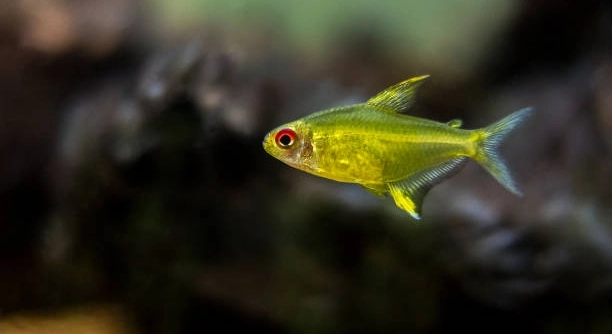
Keeping lemon tetras healthy and happy starts with providing the right environment. These small, vibrant fish thrive in well-planned tanks that balance space, water quality, and decoration to mimic their natural habitat.
The most effective tank designs for lemon tetras prioritize moderate plant coverage, open swimming areas, stable water parameters, and gentle filtration. Tanks should accommodate small schools while minimizing stress, ensuring proper oxygenation and consistent temperature control for optimal health.
Exploring these design choices will help you create a tank that keeps your lemon tetras active, healthy, and displaying their full range of natural behaviors.
Small Planted Tank
A small planted tank is ideal for lemon tetras because it provides shelter without overcrowding. Dense plants like Java fern and Anubias give the fish hiding spots while allowing open swimming areas. Soft lighting enhances plant growth and keeps the fish calm. A substrate of fine gravel or sand supports plant roots and helps maintain water quality. Adding floating plants can create shaded areas, mimicking their natural environment. Using a gentle filter prevents strong currents that could stress the tetras. Regular water changes of 20 to 30 percent weekly help maintain stability. Consistent temperature between 72 and 78°F ensures the fish remain active and healthy. Including driftwood or smooth stones provides additional texture and subtle decoration. Avoid overcrowding by keeping small schools of five to ten tetras. Monitoring water parameters for ammonia, nitrites, and pH is crucial to prevent sudden changes.
Small planted tanks create a natural, safe habitat that encourages healthy swimming patterns and social interaction for lemon tetras.
Maintaining this setup requires routine checks on plant growth, water quality, and fish health. Trimming overgrown plants prevents blockage of swimming areas, and monitoring for algae ensures water clarity. Regular observation helps spot early signs of stress or disease. Integrating slow-growing plants reduces maintenance and keeps the tank balanced. Rotating decorations occasionally adds variety without stressing the fish. This type of tank is compact yet sufficient to support a small school of lemon tetras. By prioritizing both aesthetics and practicality, a planted tank provides a comfortable and stimulating environment. Over time, the fish adapt to the plants and decorations, making the tank more interactive and enjoyable to observe. The combination of plant coverage, open swimming space, and gentle water flow supports long-term health, allowing lemon tetras to thrive and display vibrant colors consistently.
Community Tank
A community tank works well for lemon tetras when paired with peaceful species. Compatible tank mates include small rasboras, Corydoras, and dwarf gouramis. Avoid aggressive or larger fish that may stress or eat the tetras.
Community tanks give lemon tetras more social interaction opportunities and mimic a natural schooling environment. Careful selection of compatible species ensures a calm, balanced aquarium.
In a 20-gallon or larger community tank, lemon tetras can swim freely while interacting with other non-aggressive species. It is important to maintain consistent water quality, including stable pH and temperature, to prevent stress across all inhabitants. Adding plants and decorations provides hiding spots and breaks up sightlines, reducing territorial behavior and aggression. Feeding routines should accommodate all species without overfeeding, which can lead to water quality issues. Gentle filtration ensures clean water without creating strong currents that could disrupt schooling behavior. Observation is key; noting fish interactions helps identify any potential conflicts early. Proper stocking levels prevent overcrowding and maintain harmony. By thoughtfully arranging plants, decorations, and compatible species, a community tank can become a thriving, visually appealing habitat. Lemon tetras benefit from this setup by displaying natural schooling behaviors, bright coloration, and active movement, making the tank lively and engaging.
Long Narrow Tank
Long narrow tanks give lemon tetras plenty of horizontal swimming space, which suits their active schooling nature. A tank of at least 30 inches in length is recommended for small schools of five to ten fish.
This tank shape allows the tetras to move freely while keeping water flow gentle and even. Decorations such as driftwood or rocks should be placed along the sides and back, leaving open areas in the center. Tall plants along the edges create natural boundaries, giving the fish a sense of security. Floating plants add shade and reduce stress while enhancing the overall aesthetic. A long narrow tank also simplifies maintenance, as water circulation is more consistent and easy to monitor. Temperature and pH stability remain easier to maintain with this design. Regular observation ensures the tetras remain active and display normal social behavior.
In a long narrow tank, spacing is critical. Avoid crowding with too many fish or decorations. Properly sized schools maintain harmony, preventing aggressive or stressed behavior. Plants and ornaments should be spaced to allow free swimming while offering shelter. This design highlights the tetras’ natural movements, making them more visually appealing. Gentle filtration is sufficient, avoiding strong currents that disrupt schooling. Regular water changes help maintain clarity and health. Lighting should support plants but remain soft enough to avoid stressing the fish. Driftwood and stones provide hiding spots without obstructing swimming space. Over time, this setup encourages natural behavior, keeps the fish healthy, and allows easy tank management.
Tall Vertical Tank
Tall vertical tanks are useful for aquascaping with layered plants and vertical decorations. They allow for interesting plant arrangements and multiple hiding spots.
A tall tank emphasizes vertical space, enabling plants to grow upward and create shaded areas for lemon tetras. Floating plants can complement the design by diffusing light and providing additional shelter. Driftwood or tall rocks enhance the vertical aesthetic, giving fish places to explore. While tetras prefer horizontal swimming, this design works if the bottom and mid-level areas remain clear. Gentle filtration ensures the water is evenly circulated from top to bottom, preventing stagnant areas. Temperature and pH stability are easier to maintain in this setup if monitored regularly. Careful plant placement balances aesthetics with swimming space, keeping the fish stress-free and active.
In a tall vertical tank, spacing of decorations is crucial to maintain open swimming areas. Bottom-level plants provide shelter, while taller plants and driftwood fill the vertical space without crowding. This arrangement allows lemon tetras to interact naturally while exploring shaded zones. Consistent water flow ensures oxygenation reaches all levels, and gentle filtration avoids disrupting the fish. Floating plants help control light penetration, reducing stress and mimicking natural habitats. Temperature and pH monitoring support long-term fish health. With careful planning, tall tanks provide a unique visual appeal, promote healthy behavior, and accommodate creative aquascaping ideas while keeping the tetras active and comfortable.
Biotope Tank
A biotope tank replicates the natural environment of lemon tetras, using similar plants, substrate, and water conditions. Driftwood, leaf litter, and soft plants create a realistic setting that reduces stress and encourages natural behavior.
Water parameters should mimic their native habitat with slightly acidic, soft water. Low lighting and floating plants help create shaded areas, while natural decorations offer hiding spots. Maintaining clean water and stable conditions is essential for their health. Schools of five to ten fish move naturally among plants, displaying vibrant colors. Proper filtration and gentle water flow maintain oxygenation without disturbing the setup. A biotope tank combines aesthetics with the fish’s well-being, supporting active schooling and healthy interactions.
Community Planted Tank
Community planted tanks provide both greenery and compatibility with other peaceful fish. Plants like Java fern, Anubias, and Vallisneria give lemon tetras hiding spots while maintaining swimming space. Driftwood and rocks add structure without overcrowding. Careful stocking prevents aggression, and gentle filtration maintains water quality.
Low-Light Tank
Low-light tanks benefit lemon tetras by creating a calm environment that reduces stress. Dim lighting encourages natural activity patterns and helps plants like Java fern and moss thrive, giving the fish places to explore and hide. Proper water flow and stable parameters support healthy behavior.
FAQ
What is the ideal tank size for lemon tetras?
Lemon tetras do best in tanks of at least 20 gallons for a small school of five to ten fish. Larger tanks provide more swimming space and help maintain stable water parameters. The extra space reduces stress and allows them to display natural schooling behaviors without feeling crowded.
Can lemon tetras live with other fish?
Yes, they can coexist with peaceful, small species such as rasboras, Corydoras, and dwarf gouramis. Avoid aggressive or larger fish that could intimidate or eat them. Monitoring interactions is important to ensure all species remain calm and healthy. A carefully planned community tank allows lemon tetras to display natural behaviors.
What type of plants are best for their tanks?
Java fern, Anubias, Vallisneria, and mosses work well. These plants provide hiding spots, shade, and break up sightlines to reduce stress. Floating plants create shaded areas and improve water quality by absorbing excess nutrients. Placement should balance open swimming areas with secure hiding spaces.
How often should I change the water?
Weekly water changes of 20 to 30 percent help maintain clean, stable water. This reduces harmful ammonia, nitrite, and nitrate levels. Using a siphon to remove debris from the substrate supports overall tank hygiene. Proper water changes prevent sudden fluctuations in temperature, pH, or hardness, keeping fish healthy.
What temperature and pH levels do they prefer?
Lemon tetras thrive in water between 72 and 78°F with a slightly acidic to neutral pH of 6.0 to 7.0. Maintaining stable conditions avoids stress and supports healthy metabolism, coloration, and immune function. Sudden fluctuations can lead to disease or abnormal behavior.
Do they need a strong filter?
No, gentle filtration is sufficient. Strong currents can stress lemon tetras, causing them to hide or reduce activity. Filters that provide moderate water movement while ensuring proper oxygenation are ideal. Regular cleaning and maintenance prevent debris buildup and maintain water clarity.
How many lemon tetras should be kept together?
A minimum of five is recommended to maintain natural schooling behavior. Larger groups of eight to ten or more increase comfort, reduce stress, and allow them to swim in coordinated patterns. Smaller numbers can make them timid and less active.
What should I feed them?
Lemon tetras eat high-quality flake food, micro-pellets, and occasional live or frozen foods like brine shrimp or daphnia. Feeding small portions two to three times daily prevents overfeeding. A varied diet supports coloration, growth, and overall health while reducing waste in the tank.
Can they tolerate different lighting conditions?
Yes, but moderate to low lighting works best. Bright lighting can stress them and encourage excessive algae growth. Plants and shaded areas provide hiding spots. Adjust lighting to support plant growth while maintaining a calm environment that encourages natural behavior.
How do I prevent diseases in their tank?
Maintaining stable water parameters, performing regular water changes, and avoiding overcrowding are essential. Quarantining new fish prevents introducing pathogens. Observing behavior and appearance helps detect early signs of illness, allowing for prompt treatment. Clean equipment and proper feeding practices also reduce disease risks.
Do lemon tetras require special decorations?
Simple, natural decorations work best. Driftwood, smooth stones, and live plants provide hiding spaces and reduce stress. Avoid sharp or rough objects that could injure them. Decorations should leave open swimming areas while creating zones for exploration, shelter, and visual interest.
How long do lemon tetras live?
With proper care, lemon tetras can live 4 to 5 years, sometimes longer. Stable water conditions, appropriate tank mates, a balanced diet, and a well-maintained tank all contribute to longevity. Regular observation and preventive care help ensure they live a full, healthy life.
Can they breed in home aquariums?
Yes, lemon tetras can breed if water is soft, slightly acidic, and around 78°F. Provide fine-leaved plants or spawning mops for egg-laying. Remove adults after spawning to prevent egg predation. Fry require infusoria or specialized small foods until large enough to accept regular micro-pellets.
What signs indicate stress in lemon tetras?
Signs include hiding constantly, faded coloration, erratic swimming, or loss of appetite. Stress can result from poor water quality, aggressive tank mates, overcrowding, or sudden environmental changes. Identifying and correcting these issues helps restore normal behavior and overall health.
How do I maintain stable water parameters?
Use a reliable heater, monitor temperature and pH regularly, and avoid sudden water changes. A consistent filtration system and scheduled maintenance keep conditions steady. Proper stocking and feeding practices prevent imbalances and ensure lemon tetras remain healthy, active, and vibrant in the long term.
This FAQ provides practical, hands-on guidance for setting up, maintaining, and enjoying a tank with lemon tetras while keeping their environment stable, safe, and stimulating.
Final Thoughts
Lemon tetras are small, vibrant fish that bring life and color to any aquarium. Their active schooling behavior makes them enjoyable to watch, and they thrive when their environment is well-planned. Providing the right tank design, compatible tank mates, and suitable decorations is essential to ensure their health and happiness. Even small details, like the placement of plants or driftwood, can make a noticeable difference in how comfortable and confident the fish feel. Observing their natural behavior, such as schooling, exploring, and resting among plants, helps you understand whether the tank meets their needs. A proper setup also reduces stress, which is a key factor in preventing disease and supporting long-term vitality. Consistency in water quality, temperature, and feeding routines further strengthens their resilience and encourages natural activity. Lemon tetras are sensitive to sudden changes, so maintaining stability in every aspect of the tank is critical for creating a safe and comfortable environment.
Tank size plays a major role in their overall well-being. Long, narrow tanks provide ample horizontal space for swimming, while small planted or community tanks offer shelter and social interaction. Even taller tanks can work if care is taken to leave sufficient swimming areas near the bottom and mid-levels. Plant coverage and open spaces should be balanced to allow the fish to feel secure while moving freely. Floating plants or shaded areas help reduce stress and mimic their natural habitat, making them more likely to display vibrant colors and active behaviors. Gentle filtration and consistent water flow maintain oxygenation without causing unnecessary currents that could disturb them. Monitoring water parameters such as pH, hardness, and temperature is essential to avoid sudden changes that may affect health. Regular observation is key to noticing early signs of stress, illness, or aggressive interactions with tank mates, allowing prompt action to maintain a healthy environment.
Maintaining a lemon tetra tank is rewarding but requires attention to detail. Choosing compatible species for community tanks, providing a varied diet, and ensuring stable environmental conditions are all critical for success. Regular water changes, careful plant and decoration placement, and monitoring for potential issues help create a thriving habitat. Even small adjustments, such as trimming plants or rearranging hiding spots, can improve swimming space and reduce stress. Understanding their natural behavior and needs allows you to make informed decisions that directly impact their health and well-being. Over time, a thoughtfully maintained tank will result in active, colorful lemon tetras that display their natural schooling behavior. This combination of planning, care, and observation ensures that lemon tetras remain healthy, lively, and visually engaging, making them a satisfying species to keep in a home aquarium.

Hello,
If you enjoy the content that we create, please consider saying a "Thank You!" by leaving a tip.
Every little bit helps us continue crafting quality advice that supports the health, happiness, and well-being of pets around the world, for pets of all shapes, sizes, and species.
We really appreciate the kindness and support that you show us!