
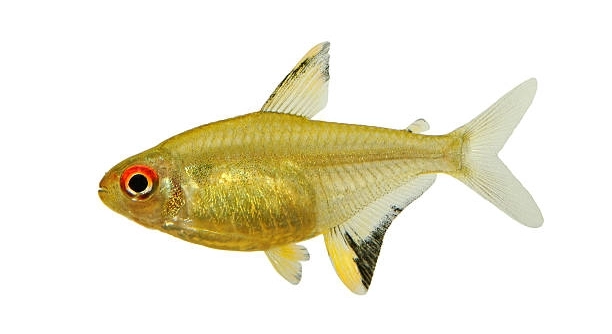
Are your lemon tetras showing signs of frayed fins and unusual wear? Many fish keepers notice that these small, bright fish sometimes develop damaged fins over time, even in seemingly healthy aquariums.
Tattered fins in lemon tetras typically result from environmental stressors, poor water quality, or fin-nipping by tank mates. Inadequate nutrition and infections can also weaken fin tissue, causing splitting, fraying, or slow regrowth that affects overall fin appearance.
Recognizing the causes early helps protect your fish and maintain a healthy aquarium environment for them to thrive and display vibrant fins.
Poor Water Quality
Poor water conditions are one of the main reasons lemon tetra fins become tattered. Even small changes in ammonia, nitrite, or nitrate levels can stress fish, weakening their fins over time. Cloudy or unfiltered water allows bacteria and fungi to thrive, which can attack delicate fin tissue. Chlorine or sudden temperature fluctuations also contribute to fin deterioration. Regular water testing and consistent partial water changes help maintain a stable environment. Overcrowding worsens water quality and increases stress, accelerating fin damage. Filtration systems should match the tank size, and aeration helps oxygenate the water. Even subtle imbalances, such as pH swings, can slowly erode fin health, leading to fraying or ragged edges. Observing your fish daily helps catch early signs of distress before severe fin damage occurs. Consistent water care is crucial for lemon tetras to keep their fins intact and their colors bright, supporting overall well-being and longevity in the aquarium.
Maintaining clean, stable water prevents fin tearing and supports healthy growth.
Even small, unnoticed problems in water quality can lead to serious fin damage over weeks. If ammonia rises slightly or nitrate levels fluctuate, fins may begin to fray. Temperature swings can shock fish, slowing healing and weakening fin tissue. Using a reliable test kit and maintaining a regular water-change schedule reduces these risks. Avoid overcrowding and overfeeding, as both create waste that contaminates water. A gentle filter helps remove debris without stressing fish. Balanced, filtered, and oxygenated water allows fins to regrow naturally. By monitoring water consistently, lemon tetras remain active, healthy, and show off their full, vibrant fins.
Fin-Nipping Tank Mates
Fin-nipping species often target lemon tetra fins, causing fraying and damage that can worsen over time.
Aggressive or semi-aggressive fish may bite fins out of stress, boredom, or dominance. Even minor nips can tear soft tissue, leaving the fins ragged and prone to infection. Tank layout and hiding spaces reduce interactions, giving lemon tetras places to retreat. Observation is key to identifying problem fish and minimizing harm. Removing or separating aggressive tank mates can stop ongoing damage and allow fins to heal properly.
To prevent fin-nipping, choose peaceful companions and provide a structured environment. Adding plants, driftwood, or decorations creates barriers that reduce chasing behavior. Avoid overcrowding, as limited space increases stress and aggression. Feeding all fish adequately ensures lemon tetras are not targeted due to competition for food. Over time, fins recover faster in a calm environment. Choosing compatible species and monitoring interactions protects delicate fins while maintaining a harmonious tank. Careful observation, environmental adjustments, and preventive measures ensure lemon tetras remain healthy and display their characteristic bright, intact fins.
Nutritional Deficiencies
A lack of essential nutrients can weaken lemon tetra fins, making them prone to tearing and fraying. Vitamins, proteins, and fatty acids are vital for strong fin growth and repair. Feeding a balanced diet helps maintain fin integrity and overall fish health.
Providing a varied diet is key to preventing fin damage. Relying solely on flakes or one type of food often leaves gaps in nutrition. Including high-quality flakes, frozen or live foods, and occasional vegetable matter ensures fish receive proteins, fats, and vitamins needed for strong fins. Poor nutrition slows fin regrowth after injury, leaving fins looking tattered for longer periods. A consistent feeding schedule and portion control prevent overfeeding while supplying adequate nutrients, supporting both fin health and general vitality.
Even minor nutrient deficiencies can lead to significant fin deterioration. Without proper vitamins, fins lose strength, becoming brittle and easily torn. Amino acids support tissue repair, while fatty acids maintain flexibility. Incorporating high-protein foods like brine shrimp, daphnia, or bloodworms promotes faster recovery for damaged fins. Vegetable matter provides fiber and micronutrients that contribute to overall health. A diet lacking variety leaves fins weak and frayed, and stress from poor nutrition makes fish more vulnerable to infections. Regularly rotating food types keeps lemon tetras vibrant, active, and minimizes tattered fin issues, ensuring their delicate fins regrow properly and maintain their natural shape and coloration.
Bacterial and Fungal Infections
Bacterial and fungal infections can attack the fins, causing holes, fraying, or discoloration. Untreated infections spread quickly, especially in tanks with poor water conditions. Early intervention is necessary to prevent long-term fin damage.
Fin rot, caused by bacterial or fungal pathogens, often appears as ragged edges, discoloration, or missing tissue. Stressed fish or those in unclean water are more susceptible. Medications can treat infections effectively if detected early. Maintaining proper water parameters and avoiding sudden temperature changes reduce the likelihood of recurring infections. Removing affected fish temporarily or isolating new arrivals helps control the spread. Even minor injuries can become entry points for pathogens, so monitoring fins regularly is important. Proper tank hygiene and prompt treatment protect fin health.
Preventing infections requires careful attention to water quality, diet, and tank hygiene. Clean filters, regular water changes, and avoiding overcrowding reduce stress and pathogen growth. Quarantining new fish before adding them to the main tank limits exposure to harmful bacteria and fungi. Balanced nutrition strengthens the immune system, helping lemon tetras resist infection naturally. Observing fins for early signs of discoloration, softness, or fraying allows swift intervention, reducing damage and supporting recovery. Consistent care ensures fish maintain healthy, intact fins while minimizing the chance of recurring infections.
Stress
Stress weakens lemon tetra fins, making them more prone to fraying or tearing. Crowded tanks, sudden movements, or aggressive tank mates can trigger stress, affecting overall health and fin condition.
Maintaining a calm, stable environment reduces stress. Providing hiding spots, consistent lighting, and proper tank mates helps fins stay strong and healthy.
Physical Damage
Fin damage can occur from sharp decorations, rough substrate, or constant rubbing against tank objects. Lemon tetras exploring the tank may catch their fins on jagged edges, causing tears. Regularly checking and smoothing decorations or rocks prevents accidental injury.
Aging
As lemon tetras grow older, their fins naturally weaken and may appear frayed. Normal wear and slower regeneration contribute to tattered fin edges over time.
Rapid Growth
Rapid growth can temporarily strain fin tissue, leaving fins looking uneven or slightly torn. Balanced nutrition and gentle water conditions help minimize damage.
Why do my lemon tetra fins keep tearing even though the water looks clean?
Even if water appears clear, harmful chemicals or bacteria may be present at low levels. Ammonia, nitrite, or nitrate spikes can weaken fin tissue over time. Minor infections may develop quietly, gradually fraying fins. Regular testing and partial water changes are essential to maintain truly safe conditions. A filter rated for the tank size and gentle aeration also help prevent stress-related fin damage.
Can fin damage heal on its own?
Yes, lemon tetra fins can regrow naturally if the underlying cause is addressed. Damaged fins may take several weeks to several months to fully repair. Clean water, a nutritious diet, and calm tank conditions support regeneration. If fin tearing continues, it often signals environmental stress, poor nutrition, or aggressive tank mates that need correction.
How do I stop other fish from nipping my lemon tetra fins?
Aggressive or semi-aggressive species often target fins for dominance or boredom. Adding plants, driftwood, or decorations can break line-of-sight and create hiding spots. Separating problematic fish temporarily or rearranging the tank reduces chasing behavior. Overcrowding and limited swimming space increase nipping tendencies, so maintain a balanced fish population. Choosing peaceful tank mates is the most effective long-term solution.
What foods help strengthen lemon tetra fins?
A varied diet is key. High-protein options like brine shrimp, daphnia, and bloodworms promote fin tissue repair. Flakes or pellets should be supplemented with frozen or live foods. Small amounts of finely chopped vegetables provide vitamins and fiber, supporting overall health. Feeding multiple times in small portions prevents overfeeding and ensures all fish receive proper nutrition.
Are tattered fins always caused by disease?
No, not all fin damage results from infection. Environmental stress, poor water quality, fin-nipping, and even rapid growth can lead to frayed fins. Disease often accompanies discoloration, softness, or foul odor, whereas mechanical damage or stress-related fraying may occur without visible infection. Monitoring behavior and water conditions helps determine the cause.
How can I prevent fungal or bacterial infections?
Maintaining clean, stable water is the first step. Regular water changes, filter maintenance, and avoiding sudden temperature shifts reduce infection risk. Quarantining new fish before introducing them to the main tank limits exposure. Promptly treating small injuries or early signs of fin rot with appropriate medication prevents the spread and supports full recovery.
Is fin-tattering permanent?
Tattered fins are rarely permanent if the underlying issues are corrected. Proper care allows fins to regrow fully, though older fish may show slight irregularities due to age-related weakening. Persistent fin damage usually indicates ongoing environmental or behavioral stress that must be addressed to allow healthy regeneration.
Can stress alone cause fin fraying?
Yes, stress weakens fins and slows regrowth. Causes include overcrowding, aggressive tank mates, sudden changes in lighting, or poor water parameters. Providing hiding spaces, a consistent routine, and compatible tank mates reduces stress and protects fins. Daily observation helps detect early signs before damage becomes severe.
How long does it take for fins to heal completely?
Healing depends on severity and underlying conditions. Minor tears may recover in a few weeks, while significant fraying or infections can take months. Consistent water quality, a balanced diet, and low-stress conditions accelerate regrowth. Avoiding repeated trauma is crucial to prevent delayed or incomplete healing.
Are there signs my lemon tetra is too stressed to heal its fins?
Yes. Lethargy, loss of appetite, hiding, rapid gill movement, or constant fin clamping indicate high stress levels. Stress slows immune response and tissue repair. Adjusting tank conditions, providing proper nutrition, and addressing aggression from tank mates are essential steps to restore fin health.
This FAQ section provides practical answers for common concerns regarding tattered lemon tetra fins, covering causes, care strategies, and recovery timelines to ensure your fish maintain healthy, intact fins.
Lemon tetras are small, delicate fish that bring vibrant color and life to any aquarium, but their fins are sensitive and easily damaged. Over time, many fish keepers notice that these fins can become frayed, torn, or tattered for a variety of reasons. Factors such as poor water quality, aggressive tank mates, nutritional deficiencies, and infections all play a role in weakening fin tissue. Even stress from overcrowding, sudden environmental changes, or improper lighting can contribute to damage. Paying close attention to water parameters, maintaining a stable tank environment, and providing adequate hiding spots can reduce many of these risks. Simple steps like using a gentle filter, avoiding overcrowding, and keeping the water clean and oxygenated go a long way toward supporting fin health. Observing your fish daily allows early detection of fin problems before they worsen.
Proper nutrition is also critical in maintaining strong, healthy fins. Lemon tetras require a varied diet that includes high-quality flakes or pellets, supplemented with frozen or live foods like brine shrimp, daphnia, or bloodworms. Small amounts of vegetable matter help provide essential vitamins and fiber. Balanced feeding promotes faster fin repair and prevents nutritional deficiencies that can weaken fins over time. Even minor deficiencies in protein, fatty acids, or vitamins can leave fins brittle and more susceptible to tears. Consistent, measured feeding ensures fish get the nutrients they need without overloading the tank with waste, which can further affect water quality and stress levels. A well-fed lemon tetra is more resilient, recovers from injuries faster, and maintains its natural shape and vibrant fin colors.
In addition to water quality and nutrition, managing tank dynamics is crucial for fin protection. Aggressive or fin-nipping tank mates are a common cause of torn fins, and their presence can slow recovery or cause recurring damage. Rearranging decorations, adding plants, or creating hiding spots reduces aggressive interactions. Even small changes, like monitoring temperature stability and avoiding sudden light shifts, can lower stress levels, allowing fins to heal properly. Infections caused by bacteria or fungi can also be prevented or minimized with proper tank hygiene, prompt treatment of injuries, and quarantining new fish before introduction. While some fin damage is unavoidable due to natural aging or minor accidents, consistent care and attention greatly reduce the risk of severe tattering. By focusing on clean water, proper nutrition, and a peaceful tank environment, lemon tetras can maintain healthy, intact fins and continue to display the bright, lively appearance that makes them a favorite in many aquariums.

Hello,
If you enjoy the content that we create, please consider saying a "Thank You!" by leaving a tip.
Every little bit helps us continue crafting quality advice that supports the health, happiness, and well-being of pets around the world, for pets of all shapes, sizes, and species.
We really appreciate the kindness and support that you show us!