
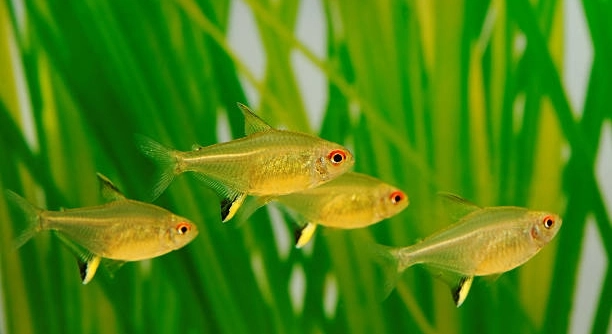
Lemon tetras are small, bright fish that add color to any aquarium. Watching them swim can be calming, but sometimes their behavior or appearance changes unexpectedly. Recognizing these changes early is important for their well-being.
Injuries in lemon tetras often appear as torn fins, unusual swimming patterns, or faded coloration. Prompt observation and proper care help prevent infections and support recovery, ensuring the fish maintains normal activity and overall health in the aquarium.
Learning to spot early signs of injury is key. This knowledge helps ensure your fish remain healthy and vibrant for a long time.
Common Signs of Injury in Lemon Tetras
Lemon tetras often show clear signs when they are hurt. Torn fins are the most noticeable, and even small rips can indicate stress or aggression from other fish. Faded colors or patches along their body can appear when the fish is not feeling well. Sometimes they swim awkwardly, drifting to one side or staying near the bottom. Lethargy is another sign, where the fish avoids normal movement and spends more time hiding among plants. Changes in appetite can also indicate injury, with fish eating less than usual. Pay attention to any abnormal spots or swelling. Even minor injuries can worsen if left untreated, so early detection is important. Maintaining clean water and reducing overcrowding helps prevent accidents. Monitoring interactions among tank mates is essential to protect weaker fish. These signs are subtle but can save your lemon tetras from serious problems if noticed promptly.
Observing changes in movement and color provides the earliest clues to injury. Quick action prevents infections and aids recovery.
Understanding these behaviors allows you to respond properly. Adjusting tank conditions, separating aggressive fish, and maintaining proper nutrition can help healing. Regularly checking water parameters reduces stress and promotes overall health. Minor injuries may heal on their own with care, but persistent issues need attention. By recognizing these signs early, you reduce suffering and ensure your lemon tetras remain active and vibrant. Keeping a calm, stable environment supports both physical recovery and mental well-being, allowing the fish to regain normal behavior more quickly. Tracking daily habits can also alert you to hidden problems before they escalate. Injuries are easier to manage when noticed early, and prompt care encourages longer, healthier lives in the aquarium.
Preventing Injuries in Your Tank
Maintaining a calm tank environment reduces risks. Sharp decorations and overcrowding increase the chance of accidents.
Preventing injuries requires attention to both tank setup and fish behavior. Avoid sharp or rough decorations that can tear fins. Keep tank populations balanced to reduce stress and aggression. Ensure water quality is stable, including temperature, pH, and ammonia levels. Introducing new fish gradually helps reduce conflicts and allows lemon tetras to adjust. Feeding properly and consistently keeps fish healthy, strengthening their ability to recover from minor scrapes. Regular observation is key, so you can notice subtle changes in swimming, coloration, or behavior. Maintaining plants and hiding spots provides safe areas for weaker or injured fish, minimizing confrontation. Implementing these practices reduces the likelihood of injuries, promotes overall health, and helps your lemon tetras thrive. A well-maintained tank supports both physical and emotional well-being, giving each fish the best chance to remain active, colorful, and strong.
Treating Minor Injuries
Minor injuries can heal with basic care. Clean water and a calm environment help the fish recover quickly. Avoid overcrowding and stress, as these factors slow healing and increase risk of infection.
Separating injured lemon tetras into a small, quiet tank can speed recovery. Monitor water quality carefully, keeping ammonia and nitrites at zero. Adding a few drops of aquarium salt can reduce stress and promote healing. Keep feeding consistent, offering small amounts of high-quality food. Avoid sudden changes in temperature or lighting, as these can worsen the condition. Watch the fish daily for signs of improvement or worsening, such as swelling, discoloration, or torn fins. Minor injuries often heal within a week if the environment remains stable and the fish is not stressed. Proper observation and care prevent complications that could become serious over time.
Applying gentle care also helps prevent infection. Clean water, minimal stress, and monitoring progress are key.
When to Consult a Veterinarian
If injuries do not improve, professional help is needed. Persistent torn fins, swelling, or unusual swimming patterns indicate a deeper problem.
Veterinarians specializing in fish can provide proper diagnosis and treatment. Medications may be necessary for infections, and they can guide care for severe fin damage or internal injuries. Documenting the fish’s behavior, eating habits, and any changes in appearance helps the vet determine the cause. Stress, poor water quality, or aggression from other tank mates often contributes to recurring injuries. Early consultation prevents complications and improves chances of full recovery. Avoid trying strong chemicals or treatments without advice, as these can harm both injured and healthy fish. Following professional guidance ensures proper care and reduces long-term health risks for lemon tetras.
Maintaining a Healthy Diet
Providing a balanced diet helps prevent injuries. Lemon tetras need a mix of flakes, frozen, and live food to stay strong and vibrant.
Avoid overfeeding, as excess food can pollute water and stress the fish. Healthy nutrition supports natural healing and overall resilience.
Tank Environment Adjustments
Sharp decorations and overcrowding increase injury risks. Removing jagged objects and providing open swimming space reduces accidents. Plants and hiding spots give fish security, allowing them to avoid conflicts and recover safely if hurt. Consistent water parameters and gentle filtration also protect delicate fins.
Monitoring Behavior Daily
Watch your lemon tetras every day. Changes in swimming, color, or activity can indicate early signs of injury or illness, allowing for prompt care.
Using Aquarium Salt for Recovery
Aquarium salt can aid minor injuries by reducing stress and preventing infection. Use the correct dosage carefully, as overuse can harm sensitive fish.
Continue the article with the following outline. Bold the questions. Do not write an intro for each header, get straight to the point. Do not use a greeting. Make it feel slightly personal. Write in a simplistic style.; Outline: ; FAQ (write at least 500 words); Note: Skip the intro, get straight to the point. The rest of the headers will be provided later, so do not write them yet. Skip the conclusion, and recap. Respect the given word count for every paragraph.
Final Thoughts
Taking care of lemon tetras requires attention to detail and patience. These small fish are sensitive to changes in their environment, and even minor injuries can affect their health. Maintaining clean water, stable temperatures, and balanced nutrition is essential for their well-being. Observing their behavior daily allows you to notice early signs of stress or injury, which can prevent problems from worsening. Simple actions like removing sharp decorations or ensuring the tank is not overcrowded can make a significant difference. Even small adjustments in care can improve their comfort and overall activity. Being consistent with feeding and water changes helps the fish stay strong and recover more quickly if minor injuries occur.
When injuries do happen, quick intervention is important. Minor tears in fins, slight discoloration, or unusual swimming patterns can often be addressed with careful observation and proper care. Separating injured fish into a calm environment and monitoring water quality can reduce stress and support healing. Adding small amounts of aquarium salt can sometimes help prevent infection, and providing a balanced diet strengthens the fish’s natural defenses. Avoiding sudden changes in temperature, lighting, or tank conditions is also critical, as these can worsen injuries. Paying attention to interactions among tank mates can prevent repeated injuries from aggression, which is a common issue in community tanks.
Long-term care is about creating a stable and healthy environment. Consistent monitoring, proper diet, and a safe tank setup will reduce the chances of injury and promote vibrant, active lemon tetras. Injuries are easier to manage when they are detected early, and a calm, well-maintained tank supports both physical recovery and mental well-being. Remember that even small fish require thoughtful care, and regular attention to their behavior, appearance, and tank conditions is key. With careful management, lemon tetras can live healthy, active lives, and minor injuries can heal without lasting effects. Observing them closely and making small, consistent improvements to their environment ensures they thrive over time, creating a safe and lively aquarium.

Hello,
If you enjoy the content that we create, please consider saying a "Thank You!" by leaving a tip.
Every little bit helps us continue crafting quality advice that supports the health, happiness, and well-being of pets around the world, for pets of all shapes, sizes, and species.
We really appreciate the kindness and support that you show us!