
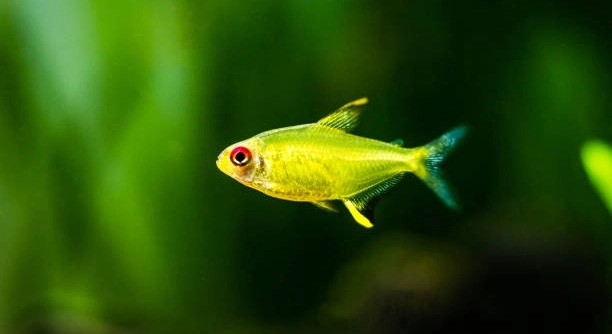
Lemon tetras are small, colorful fish that bring life to any aquarium. Watching them grow and interact is rewarding, and many hobbyists are eager to see them breed successfully in a home tank environment.
Lemon tetras exhibit specific physical and behavioral traits when ready for breeding. Key indicators include intensified coloration, consistent swimming patterns near the tank’s top, paired interactions, and overall health, which collectively signal reproductive readiness in a controlled aquarium setting.
Recognizing these signs can help you prepare your tank and ensure a safe, healthy environment for your fish to reproduce naturally. Paying attention to these details improves breeding success significantly.
Color Intensification
When lemon tetras are ready to breed, one of the first things you may notice is a brighter, more vibrant coloration. Males often display an intensified yellow body and slightly deeper orange fins. Females may also show subtle changes, becoming slightly more golden along their sides. These changes are gradual but noticeable if you watch them daily. The shift in color is a natural signal that the fish are healthy and sexually mature. Often, males will position themselves near the top of the tank to display their vivid colors, trying to attract females. You might see them flaring their fins and gently nudging other fish, which is part of the breeding ritual. Providing a tank with soft lighting and plants can help these colors stand out, making the signs easier to observe. Watching these changes gives a clear indication that your fish are approaching readiness.
Color brightening is a strong visual cue that your lemon tetras are near breeding stage.
This intensified coloration also serves as a form of communication among the tetras. The bright colors help males stand out, signaling dominance and health to potential mates. Females may swim closer to males displaying the most vivid colors. In addition, this color shift indicates the fish are in good condition, with sufficient nutrition and no signs of stress. Observing these changes allows aquarists to prepare breeding tanks appropriately, ensuring the environment supports egg-laying and fry development. Adjusting water conditions slightly, such as maintaining a warmer temperature and adding fine-leaved plants, encourages spawning. Color intensification is one of several interconnected signs that provide a reliable indicator of reproductive readiness. Tracking these visual cues daily helps ensure that you can act at the right time, giving your tetras the best chance to reproduce successfully.
Pairing Behavior
Lemon tetras often start forming pairs when they are ready to breed.
Once pairs are established, you may notice them swimming closely together, frequently touching or following one another around the tank. The male typically leads, displaying his fins and circling the female. This behavior signals courtship and is essential for successful mating. Providing a quiet, plant-filled area allows them to perform these interactions without stress. Over time, these pairs will become more consistent, indicating that spawning may occur soon. Keeping track of which fish pair naturally reduces stress during breeding, as forced pairings can be unsuccessful. Monitoring their behavior daily ensures that the tank conditions remain optimal for the spawning process, increasing the likelihood of a healthy batch of eggs.
Pairing behavior reflects readiness to spawn and signals that the tank environment is suitable.
During this stage, it is important to maintain stable water parameters and reduce disturbances near the tank. Lemon tetras prefer soft, slightly acidic water for breeding. Adding live plants or fine-leaved artificial plants gives the pair areas to deposit eggs safely. Feeding them a varied diet of high-quality flakes, frozen, or live food ensures they have the energy for reproduction. The male continues to display vivid colors and may chase away other males, reinforcing the pair bond. Observing consistent swimming together and gentle nudging behaviors confirms the fish are ready to breed, and the tank setup supports this natural process. Maintaining this environment increases the chance of eggs surviving and developing into healthy fry.
Increased Activity
When lemon tetras are ready to breed, they tend to swim more actively than usual. Males chase each other lightly, while pairs move around the tank frequently. This increased activity is a sign that their energy is focused on courtship and reproductive behavior.
The heightened swimming and chasing behaviors are part of their natural mating rituals. Males patrol areas near plants or the tank surface to attract females, flaring fins and circling repeatedly. Females respond by following or gently nudging the males. Observing this consistent activity helps identify which fish are ready for breeding. Maintaining calm water conditions and minimizing sudden disturbances ensures that this active behavior continues naturally.
Increased activity also reflects the fish’s overall health and readiness to reproduce. Active lemon tetras are less stressed and more likely to spawn successfully. Providing small hiding spots and dense plants allows them to display their courtship safely. Tracking these behaviors helps in identifying when to separate adults from other tankmates to protect eggs and fry. This stage is critical, as proper observation and environmental adjustments can directly influence breeding success and the survival of offspring.
Fin Flaring
Fin flaring is a clear breeding signal in lemon tetras. Males extend their fins fully when near females or rivals.
Flaring displays the male’s strength and fitness, making him more attractive to potential mates. This behavior is repeated several times daily during breeding readiness. It also helps establish dominance among males without causing serious fights. Observing these flares indicates that courtship is underway and that the fish are mature enough for reproduction.
The frequency and intensity of fin flaring are important indicators of readiness. Males that consistently flare their fins show strong health and hormonal readiness for mating. Providing proper nutrition and clean water enhances this behavior naturally. Females may respond by swimming alongside or darting away briefly, signaling interest. Recognizing these interactions early allows aquarists to prepare breeding tanks, offering secure spaces for egg-laying. Documenting which males show the most consistent flaring can help predict which pairings will be most successful, ultimately improving reproductive outcomes and fry survival rates.
Nesting Spots
Lemon tetras show interest in plants or sheltered areas when ready to breed. They spend more time near fine-leaved plants, preparing locations for egg-laying.
Providing dense plants or spawning mops encourages natural behavior. Observing fish linger in these areas indicates they are ready to spawn soon.
Appetite Changes
Breeding-ready lemon tetras often eat more than usual. Their increased appetite supports energy needs for courtship and egg production. Feeding high-protein foods helps maintain their health and readiness.
Monitoring appetite provides a reliable cue for reproductive maturity. Fish that eat consistently and eagerly are more likely to engage in successful spawning, especially when combined with stable water conditions and proper tank setup.
Body Shape
Females ready for breeding develop a slightly rounded belly. Males maintain a slimmer profile but may appear slightly elongated near the dorsal fin. Observing these physical changes helps identify reproductive readiness in both sexes.
Territorial Behavior
Males may become mildly territorial when preparing to breed. They patrol specific areas and gently chase other males to assert dominance. This behavior signals breeding readiness and helps establish safe spaces for spawning within the tank.
FAQ
How can I tell if my lemon tetra is a male or female?
Males usually have brighter yellow coloring and slightly larger, more pointed fins. Females tend to have a rounder belly, especially when carrying eggs, and slightly paler colors. Observing their behavior, such as fin flaring or chasing, can also help distinguish males from females over time.
What water conditions are best for breeding lemon tetras?
Soft, slightly acidic water is ideal, with a pH around 6.0–6.5 and temperature between 75–78°F. Consistent water quality is critical, so regular monitoring and partial water changes ensure a stable environment. Avoid strong currents, as calm water encourages courtship and spawning.
Do lemon tetras need plants to breed?
Yes, fine-leaved plants or spawning mops provide safe areas for eggs. These spots allow females to deposit eggs while keeping them protected from other fish. Dense plants also help the pair feel secure during courtship.
How often do lemon tetras spawn?
Under ideal conditions, breeding pairs may spawn every few weeks. Frequency depends on water quality, diet, and stress levels. Well-fed, healthy fish are more likely to spawn regularly, but it’s important to monitor pairs to avoid overbreeding and exhaustion.
Should I separate the eggs or fry from the adults?
Yes, lemon tetras may eat their own eggs and fry. Once eggs are laid, consider transferring them to a separate breeding tank or using a mesh divider. This protects the eggs until they hatch and allows fry to develop safely.
How long does it take for lemon tetra eggs to hatch?
Eggs usually hatch within 24–36 hours, depending on water temperature. Warmer water speeds up development slightly, while cooler water slows it. After hatching, the fry remain near the bottom or among plants for the first few days.
What should I feed breeding lemon tetras?
High-protein foods, such as live or frozen brine shrimp, daphnia, or quality flake food, support energy needs for courtship and egg development. Feeding small amounts multiple times per day ensures fish stay healthy without fouling the water.
How do I encourage shy fish to breed?
Provide hiding spots and reduce tank disturbances. Maintaining calm lighting and quiet surroundings helps fish feel secure. Introducing a few new plants or rearranging existing ones can create natural territories, encouraging interaction between potential breeding pairs.
How do I know the fry are healthy?
Healthy fry are active, swimming steadily and feeding eagerly once they begin eating. They should show gradual growth and maintain clear eyes and a slightly translucent body. Poor water quality or insufficient food can slow development or cause deformities, so monitoring daily is important.
Can lemon tetras breed in a community tank?
It’s possible, but other fish may eat eggs or harass the pair. A separate breeding tank is recommended for better control and higher survival rates. Community tanks can work if there are plenty of hiding spots, but the risk of loss is higher.
How long before fry can be added to a main tank?
Fry can be moved after 4–6 weeks, once they are large enough to avoid being eaten by adult fish. Gradual acclimation to the main tank’s water conditions helps reduce stress and increases survival chances.
Is it normal for males to chase each other aggressively?
Mild chasing and displays are typical during courtship. This behavior establishes dominance without causing serious injury. Severe aggression may indicate overcrowding or insufficient space, which can stress the fish and reduce breeding success.
Do I need special lighting for breeding?
Standard aquarium lighting is sufficient, but keeping a natural day-night cycle helps maintain fish health. Too much or too little light can stress the fish, while a calm, consistent schedule supports normal reproductive behaviors.
How can I tell if the eggs are fertilized?
Fertilized eggs appear slightly opaque or have a golden tint, while unfertilized eggs may turn white and die. Observing the eggs within the first day helps identify which are viable, allowing for early removal of unfertilized ones to prevent fungus spread.
What should I do if eggs develop fungus?
Remove affected eggs carefully, and consider adding a small amount of antifungal solution or methylene blue to the water. Maintaining excellent water quality and separating healthy eggs from adults reduces the risk of fungal infection.
How many eggs do lemon tetras typically lay?
A female can lay between 20 and 100 eggs per spawning event. The exact number depends on her age, size, health, and environmental conditions. Providing optimal water quality and diet supports higher egg production and healthier fry.
How fast do fry grow?
Fry grow gradually, usually doubling in size over the first month with proper care and food. Regular feeding of tiny live or powdered foods encourages development. Growth can vary based on temperature, diet, and tank conditions. Observing steady progress ensures the fry remain healthy.
Can I mix fry from different spawnings?
Yes, once fry are similar in size, they can be combined safely. Early mixing of very small fry may lead to competition or cannibalism, so wait until they are strong enough to swim and feed actively before combining groups.
Do lemon tetras need a special tank setup for breeding?
A small, calm tank with dense plants, soft water, and consistent temperature works best. Minimal filtration prevents fry from being sucked into filters. Separate breeding tanks increase survival rates by reducing stress and predation from adults or other fish.
How do I know when to remove the parents?
Remove adults immediately after spawning if you want to protect eggs. They may eat eggs or disturb the fry if left in the tank. Observing the pair’s behavior post-spawning helps determine the right timing for removal, ensuring the highest chance of fry survival.
Lemon tetras are small but fascinating fish, and understanding when they are ready to breed can make a big difference in their care and success in a home aquarium. Watching them develop the signs of readiness, from color intensification to fin flaring and increased activity, gives insight into their natural behavior. These indicators are not just for show—they reflect their health, energy levels, and readiness to reproduce. Paying attention to these signals allows you to create the best environment for both the adults and their future fry. Observing your tetras daily helps you notice subtle changes that can indicate breeding readiness before it happens, giving you time to prepare the tank.
Providing the right tank conditions is equally important. Soft, slightly acidic water and a stable temperature create a comfortable environment for lemon tetras to breed naturally. Plants or spawning mops give them secure places to deposit eggs and hide from potential threats, while clean water and proper filtration maintain health and reduce stress. Nutrition also plays a key role. Feeding a high-protein diet with live or frozen foods ensures that both males and females have the energy needed for courtship and reproduction. A balanced diet supports egg development in females and active behavior in males, improving the chances of a successful spawning. Each detail, from water quality to diet, contributes to a smooth breeding process and healthier fry.
Breeding lemon tetras requires patience and careful observation, but it can be rewarding to see the fish interact, spawn, and raise their young. By recognizing physical signs like rounded bellies or color changes, monitoring behavior such as pairing and flaring, and maintaining ideal conditions, you give your tetras the best chance to reproduce successfully. Protecting the eggs and fry, either by separating them from adults or using secure hiding areas, ensures that more young survive to grow into healthy adults. Over time, this experience can help you understand their natural habits even more deeply and improve your confidence in caring for breeding fish. Focusing on consistent observation, a stable environment, and thoughtful care makes breeding lemon tetras a manageable and satisfying process, highlighting the delicate balance between nature and aquarium management.

Hello,
If you enjoy the content that we create, please consider saying a "Thank You!" by leaving a tip.
Every little bit helps us continue crafting quality advice that supports the health, happiness, and well-being of pets around the world, for pets of all shapes, sizes, and species.
We really appreciate the kindness and support that you show us!