
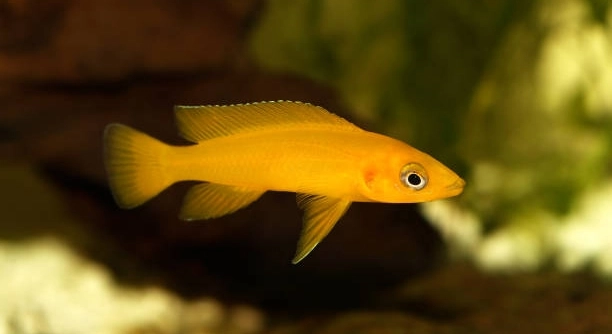
Lemon tetras are small, vibrant fish that brighten any freshwater aquarium. Their delicate nature means that maintaining the right water conditions is essential for their overall health and longevity. Proper care ensures they thrive comfortably in captivity.
Seven key water parameters are crucial for lemon tetras. These include temperature, pH level, hardness, ammonia, nitrite, nitrate, and oxygen content. Monitoring and maintaining each factor helps preserve the fish’s health, promotes natural behavior, and supports a balanced aquatic environment.
Maintaining these conditions is simpler than it seems and can greatly enhance your lemon tetra’s quality of life. Proper attention ensures a healthy and lively aquarium for these delicate fish.
Temperature
Lemon tetras are sensitive to sudden temperature changes, and maintaining a consistent range is essential. The ideal water temperature is between 72°F and 78°F. Keeping the aquarium within this range supports metabolism, digestion, and immune function. Too cold, and their activity slows; too warm, and stress increases, making them more vulnerable to disease. Using a reliable heater and thermometer helps ensure stability. Sudden shifts in temperature can cause lethargy or erratic swimming behavior. When setting up a new tank, allow the water to stabilize for at least 24 hours before introducing the fish. Regular checks prevent unnoticed drops or spikes, especially during seasonal changes or if the aquarium is near windows or vents. Observing the fish daily can indicate discomfort if they start hiding or clustering near the surface. By maintaining a steady temperature, lemon tetras display vibrant colors and consistent energy, making the tank lively and easier to care for overall. Consistency is key for their wellbeing and longevity.
Temperature directly impacts their behavior, energy, and overall health. Stable water ensures they remain active and stress-free.
Keeping the temperature constant creates a supportive environment that reduces stress and prevents illnesses. Small adjustments in heater settings may be needed over time, but regular monitoring is sufficient. Avoid placing the aquarium in direct sunlight or near drafty areas, as this can cause fluctuations. Using a thermometer with clear markings helps track changes and ensures the heater functions correctly. If temperature issues arise, gradual adjustments prevent shock. When combined with proper water parameters, maintaining temperature contributes to a thriving and visually appealing aquarium where lemon tetras flourish, swim confidently, and display their natural colors consistently.
pH Level
The optimal pH for lemon tetras is slightly acidic to neutral, around 5.5 to 7.0. Maintaining this range supports metabolic processes and keeps the fish comfortable.
pH imbalances can stress the fish and affect their immune system. Regular testing helps maintain stability.
A stable pH prevents sudden changes that may shock the fish. Lemon tetras are accustomed to soft, slightly acidic waters, so introducing hard or alkaline water can create long-term stress. Using pH buffers or natural additives like driftwood and peat can help maintain appropriate levels. Test the water weekly, as pH may fluctuate with water changes or new decorations. Observing your tetras’ behavior, such as hiding or gasping near the surface, can indicate pH issues. Balancing pH with other parameters like hardness and temperature ensures the tank remains a safe and comfortable environment. Keeping the water chemistry stable reduces disease risks and supports healthy breeding and coloration. Consistency in pH, alongside other key factors, forms the foundation for a thriving lemon tetra habitat.
Water Hardness
Lemon tetras prefer soft to moderately hard water, ideally between 2 and 10 dGH. Maintaining this level ensures their bodies function properly, supports healthy growth, and prevents stress-related illnesses. Regular testing is important, especially after water changes or adding new sources.
Water hardness affects how minerals interact in the aquarium. Excessively hard water can make it difficult for lemon tetras to regulate bodily functions, potentially leading to stress or health problems. Soft water mimics their natural habitat, allowing them to thrive, maintain vibrant colors, and display natural behavior. Using reverse osmosis water or mixing tap water with purified water helps achieve the correct hardness. Adding natural elements like driftwood can slightly soften water over time. Adjusting hardness gradually prevents shocking the fish, and consistency supports digestion, metabolism, and overall energy levels. Tracking hardness alongside pH provides a complete picture of water chemistry.
Soft, balanced water creates a healthier environment for lemon tetras, encouraging natural swimming patterns and proper feeding habits. Monitoring hardness over time avoids sudden changes that can cause stress or illness, ensuring longevity and consistent wellbeing for your aquarium population. Regular testing and adjustments maintain stability and contribute to a vibrant, lively tank that showcases the fish’s full color and activity levels.
Ammonia
Even small amounts of ammonia can harm lemon tetras. Levels must remain at zero to prevent stress, gill damage, and potential fatalities.
Ammonia forms from fish waste, uneaten food, and decaying matter. Maintaining a nitrogen cycle in the tank converts ammonia to less harmful compounds. Consistent water changes and careful feeding reduce buildup. Monitoring levels daily during early tank stages ensures stability.
Ammonia spikes can be toxic, leading to lethargy, rapid gill movement, or unusual hiding behavior. Proper filtration and cycling create a safe environment by establishing beneficial bacteria that convert ammonia into nitrites and then nitrates. Avoid overstocking, and feed only what the fish consume in a few minutes to prevent excess waste. Testing kits help track ammonia levels, and performing partial water changes when necessary keeps concentrations safe. Maintaining zero ammonia is critical for overall health, growth, and stress prevention. Proper tank care, combined with attentive observation, ensures a stable habitat where lemon tetras flourish, swim actively, and display their full natural coloration.
Nitrite
Nitrite is highly toxic to lemon tetras and must remain at zero. Even small amounts can cause stress, gill damage, and breathing difficulties, making regular testing essential for a safe environment.
Proper cycling of the aquarium ensures nitrites are converted to nitrates. Beneficial bacteria play a key role in this process.
Nitrate
Nitrates should be kept below 20 ppm to maintain a healthy aquarium. High nitrate levels can stress lemon tetras, reduce their activity, and make them more susceptible to disease. Regular water changes help keep nitrates under control, while live plants naturally absorb some, contributing to overall stability.
Oxygen Levels
Adequate oxygen is essential for lemon tetras’ survival. Low oxygen can lead to gasping at the surface, lethargy, and increased vulnerability to disease. Proper aeration and water movement maintain oxygen levels and support overall fish health.
FAQ
How often should I test my lemon tetra’s water?
Testing should be done weekly for stable, established tanks, and more frequently during the first few weeks after setup. Key parameters like ammonia, nitrite, nitrate, pH, and hardness require close attention to prevent sudden fluctuations that stress the fish. Using reliable test kits simplifies the process.
What is the best way to maintain stable water temperature?
A quality aquarium heater combined with a thermometer ensures consistent temperatures. Avoid placing the tank near windows, vents, or drafty areas. Gradual adjustments are necessary if changes are required. Stability is more important than reaching an exact number immediately.
Can lemon tetras tolerate small pH fluctuations?
Small daily fluctuations of 0.1 to 0.2 are generally manageable, but sudden or large swings can shock the fish. Keeping the pH within the 5.5 to 7.0 range provides a safe and comfortable environment for their metabolism and coloration.
How do I reduce ammonia levels quickly?
Partial water changes are the fastest method to reduce ammonia. Avoid overfeeding and remove uneaten food promptly. Proper biological filtration ensures beneficial bacteria convert ammonia to nitrite, then nitrate, keeping the environment safe.
Is soft water necessary for lemon tetras?
Yes, soft to moderately hard water between 2 and 10 dGH mimics their natural habitat. This hardness supports proper bodily function, digestion, and reduces stress. Using purified or reverse osmosis water mixed with tap water helps achieve the ideal balance.
What signs indicate nitrate problems?
Elevated nitrates above 20 ppm may cause lethargy, poor appetite, or faded coloration. Regular water changes and incorporating live plants help maintain safe nitrate levels. Testing weekly is recommended, especially if the tank is heavily stocked.
How much oxygen do lemon tetras need?
They require well-oxygenated water for proper respiration. Ensure good water movement with filters or air stones. Low oxygen can cause gasping at the surface, sluggish swimming, or hiding behavior, indicating immediate intervention is necessary.
Can I use tap water directly for lemon tetras?
Tap water may contain chlorine, chloramine, or fluctuating hardness. Treating it with a water conditioner and testing parameters before introducing fish ensures a safe and stable environment. Gradual adaptation helps prevent stress.
What are the most common water issues affecting lemon tetras?
The main concerns are ammonia spikes, nitrite presence, pH fluctuations, and improper hardness or temperature. Monitoring each parameter consistently prevents health problems and encourages active, healthy behavior in the tank.
How often should I perform water changes?
Weekly partial water changes of 20–25% help maintain low nitrate levels, replenish minerals, and stabilize pH. More frequent changes may be needed in newly established tanks or if water tests show rising toxins. Regular maintenance is essential for long-term health.
How do I balance multiple parameters at once?
Balancing temperature, pH, hardness, and oxygen requires regular monitoring and gradual adjustments. Address one parameter at a time, avoid sudden changes, and keep a log of test results. Consistency and patience lead to a stable environment.
Can lemon tetras live in community tanks?
Yes, they are peaceful and thrive with other non-aggressive species. Maintaining optimal water parameters is critical, as stress from water instability affects all tank inhabitants, not just lemon tetras.
How do I prevent sudden water chemistry shifts?
Introduce water changes gradually, avoid overfeeding, and acclimate new fish slowly. Monitor all parameters closely during seasonal changes, and keep the tank away from external influences like direct sunlight or drafts.
What equipment is essential for stable water conditions?
A reliable heater, thermometer, filter, and air stone are key. Using quality test kits for ammonia, nitrite, nitrate, pH, and hardness ensures ongoing monitoring. Consistent use of equipment prevents problems before they start.
Are live plants helpful for lemon tetras?
Yes, they naturally absorb nitrates, help maintain pH stability, and provide hiding spots. Plants also promote oxygenation and a healthier overall ecosystem, complementing other water maintenance efforts.
How can I tell if my lemon tetras are stressed by water parameters?
Signs include erratic swimming, gasping at the surface, faded colors, hiding excessively, or loss of appetite. Immediate testing and correction of water parameters usually resolve the issue.
Can water conditioners affect water parameters?
Yes, some conditioners alter pH or hardness. Always read labels and choose products that are compatible with soft, slightly acidic water suitable for lemon tetras. Test after use to ensure stability.
How do I acclimate lemon tetras to a new tank?
Float the bag in the tank for temperature adjustment, then gradually mix small amounts of tank water into the bag over 30–60 minutes. This minimizes stress and prevents sudden changes in pH or hardness.
Are there long-term effects of ignoring water parameters?
Ignoring parameters can lead to chronic stress, weakened immunity, disease susceptibility, and shorter lifespans. Regular monitoring, gradual adjustments, and proper filtration ensure long-term health and activity.
Can I automate water testing or changes?
Automated systems exist but still require periodic manual checks. Relying solely on automation may overlook subtle fluctuations, so combining both ensures optimal safety and consistency.
How do I know if my aquarium is fully cycled?
A fully cycled tank shows zero ammonia, zero nitrite, and low nitrates. Beneficial bacteria are established, allowing fish introduction without immediate risk of toxic spikes. Testing over several days confirms stability.
What is the ideal water setup for breeding lemon tetras?
Soft, slightly acidic water with stable temperature encourages spawning. Frequent partial water changes, live plants, and minimal disturbance help create a secure environment for eggs and fry. Monitoring parameters ensures survival during early stages.
How do water parameters affect coloration?
Stable temperature, pH, and hardness promote vibrant colors. Stress from poor water quality often leads to fading or dulling of their natural yellow tones, signaling the need for corrective measures.
Can I mix tap and RO water safely?
Yes, but it should be done gradually. Test parameters to ensure hardness and pH remain within safe ranges. This helps replicate natural conditions while removing harmful chemicals.
What is the most overlooked parameter?
Oxygen is often underestimated. Even if ammonia and nitrates are ideal, low oxygen can cause serious health problems. Proper aeration ensures consistent, safe conditions for all fish.
How important is consistency versus perfection?
Consistency is more critical than exact numbers. Slight fluctuations are manageable if changes occur gradually. Sudden shifts, even within ideal ranges, can be more stressful than slightly off but stable conditions.
How can I make testing easier?
Keep a testing kit accessible, maintain a log, and test at the same time each week. Consistency in monitoring reduces the risk of missing small but significant changes.
How do I balance multiple species in one tank?
Ensure all species tolerate the same water conditions. Overlapping ideal ranges for pH, temperature, hardness, and oxygen prevents conflict and stress while maintaining a healthy environment for everyone.
How do I react to sudden water parameter spikes?
Immediate partial water changes, increased aeration, and testing adjustments help mitigate spikes. Gradual correction is key to avoiding additional stress or shock.
Can lemon tetras survive poor water conditions temporarily?
Short-term tolerance exists, but prolonged exposure leads to stress, disease, and potential death. Quick intervention is necessary to prevent long-term consequences.
How often should I replace filter media?
Replace according to manufacturer recommendations while maintaining beneficial bacteria. Rinse media in tank water, not tap water, to preserve bacteria critical for ammonia and nitrite conversion.
Are test strips accurate enough?
They provide a general guideline but can lack precision. Liquid test kits are recommended for more reliable readings of ammonia, nitrite, nitrate, pH, and hardness.
Can I use aquarium supplements?
Supplements can stabilize pH, add minerals, or enhance oxygenation. Use sparingly and monitor effects to avoid unbalancing other parameters.
What is the safest water change method?
Remove 20–25% of water weekly, replace with treated, temperature-matched water. Gradual changes reduce stress and maintain stability across all key parameters.
How do water parameters affect breeding behavior?
Stable, soft, slightly acidic water promotes spawning and fry survival. Unstable or hard water can prevent egg laying or cause premature loss of eggs.
What are early signs of poor water quality?
Lethargy, faded colors, erratic swimming, gasping, or hiding indicate stress. Immediate testing and corrective measures are necessary to prevent long-term harm.
How do I maintain balance after adding new fish?
Acclimate slowly, monitor all water parameters closely, and perform partial water changes if spikes occur. Keeping gradual adjustments ensures stability for the entire aquarium.
Can lemon tetras adapt to a range of water types?
They tolerate slight variations but thrive best in soft, slightly acidic water with consistent temperature and oxygen levels. Extreme changes can be harmful or fatal.
Is regular observation important?
Daily monitoring of behavior, color, and activity often reveals issues before test results show dangerous levels. Observation complements testing and helps maintain a healthy tank environment.
What should I do if water parameters remain unstable?
Check equipment, water source, and filtration. Adjust gradually and test frequently. Persistent instability may require reevaluation of tank setup or water treatment methods to ensure a safe environment.
How do I ensure long-term stability?
Maintain routine testing, consistent water changes, proper feeding, and gradual adjustments. Using reliable equipment and keeping notes on changes helps sustain a healthy, thriving aquarium for lemon tetras.
Can water changes alone maintain all parameters?
No, changes help control nitrates and replenish minerals but cannot replace proper filtration, aeration, or temperature control. A combination of care methods ensures optimal stability.
How important is tank size for water parameter stability?
Larger tanks buffer against rapid fluctuations, making it easier to maintain stable temperature, pH, hardness, and oxygen. Small tanks require more frequent monitoring to avoid spikes.
How do I handle unexpected contamination?
Perform immediate partial water changes, remove decaying matter, and test parameters. Quick action prevents stress and potential illness in lemon tetras.
Are water conditioners safe long-term?
Yes, when used as directed. They neutralize harmful chemicals without altering essential parameters significantly, supporting a stable and safe environment.
What is the ideal testing schedule?
Weekly testing is sufficient for stable tanks. Newly established or heavily stocked tanks may require testing two to three times per week until stability is confirmed.
How do I prevent equipment failure from affecting water parameters?
Regularly check heaters, filters, and air pumps. Keep backup equipment available, and perform routine maintenance to avoid sudden drops in water quality.
How do I maintain multiple parameters during water changes?
Match temperature, treat for chlorine, and test pH and hardness before adding new water. Gradual replacement prevents shock and keeps all levels stable.
Can diet affect water parameters?
Yes, overfeeding leads to excess waste, increasing ammonia and nitrate levels. Feed small amounts consumed within minutes to maintain stable water chemistry.
How can I simplify monitoring multiple tanks?
Use a consistent testing schedule, log results, and standardize equipment. Observing fish behavior complements testing, helping detect early signs of water parameter issues.
What is the role of filtration in parameter stability?
Filters remove waste, support beneficial bacteria, and improve oxygenation. Proper maintenance ensures ammonia and nitrite remain low while keeping water clear and balanced.
Can lemon tetras live without live plants?
Yes, but plants help absorb nitrates, stabilize pH, and provide natural hiding spots. Without them, more frequent water changes and careful monitoring are necessary.
How do I troubleshoot parameter imbalances?
Test each parameter individually, identify sudden changes, and adjust gradually. Check equipment, feeding, and stocking levels to determine the source of instability.
How does tank decor affect water parameters?
Driftwood, rocks, and substrate can alter pH and hardness. Choose materials compatible with soft, slightly acidic water and monitor changes after adding new items.
Can seasonal changes impact water stability?
Yes, temperature and sunlight variations can affect pH and oxygen levels. Adjust heating, shading, or aeration as needed to maintain consistent conditions.
How long should I observe new fish after introduction?
At least one to two weeks, monitoring behavior and testing all parameters. Early detection of stress or imbalances prevents long-term problems.
What is the most critical parameter to monitor daily?
Ammonia and oxygen levels are the most immediately dangerous. Daily checks during early tank setup or after changes prevent acute stress or mortality.
How do I safely adjust multiple parameters at once?
Change one factor gradually, observe fish response, then adjust the next. Avoid sudden simultaneous alterations to prevent stress and health issues.
Can lemon tetras tolerate tap water inconsistencies?
Minor variations can be tolerated if gradual, but untreated tap water with chlorine, chloramine, or extreme hardness should never be used. Conditioning and testing are essential.
How do I maintain stable oxygen levels in a densely stocked tank?
Increase aeration with air stones or strong filter output. Avoid overstocking and monitor behavior closely to ensure all fish receive adequate oxygen.
What are common mistakes that affect water stability?
Overfeeding, irregular testing, ignoring equipment maintenance, and rapid water changes can destabilize key parameters, leading to stress, disease, or death.
How important is patience in maintaining water parameters?
Gradual adjustments, careful monitoring, and avoiding sudden changes are key. Patience ensures lemon tetras remain healthy and thrive over time.
How do I monitor long-term trends in water quality?
Keep a log of weekly tests, noting any gradual shifts. Tracking trends helps anticipate problems before they impact fish health.
What should I do if water parameters conflict with tank mates’ needs?
Research overlapping ranges and prioritize compatible species. Adjusting diet, feeding schedules, and decor may help accommodate multiple species without compromising water stability.
Can water flow impact parameter consistency?
Yes, proper circulation ensures oxygen distribution and prevents stagnant areas where ammonia or nitrites can accumulate. Adjust filter output to maintain gentle, even flow.
How do I maintain water quality during vacations?
Increase aeration, ensure filters are functioning, and schedule water changes beforehand. Automatic dosing or a trusted helper can support stable conditions in your absence.
How do I know if water parameter issues are resolved?
Consistently safe readings over several days, along with normal fish behavior and activity, indicate that adjustments have successfully stabilized the environment.
What role does lighting play in water parameters?
Lighting affects plant growth and oxygen levels. Proper duration prevents algae overgrowth while supporting plants that naturally stabilize nitrates and pH.
Can over-cleaning harm water stability?
Yes, scrubbing filter media with tap water or excessive substrate cleaning removes beneficial bacteria. Use tank water for gentle rinsing to preserve the nitrogen cycle.
How do I handle parameter issues in a quarantine tank?
Maintain the same monitoring standards, partial water changes, and gradual acclimation for new fish. Quarantine tanks should replicate the main tank’s safe conditions to prevent stress or disease.
What is the best practice for testing after adding new fish or plants?
Test daily for at least a week to detect spikes in ammonia, nitrite, or pH changes. Gradual integration prevents sudden water chemistry shocks.
Can temperature fluctuations affect other parameters?
Yes, shifts can influence oxygen levels, pH, and metabolism, indirectly impacting ammonia and nitrite tolerance. Stability is critical for all aspects of water chemistry.
How do I know if filtration is sufficient?
Clear water, low ammonia/nitrite, and active fish indicate effective filtration. Slow or inadequate flow may require upgrading or adjusting equipment.
What is the effect of overcrowding on water parameters?
More fish produce higher waste, increasing ammonia, nitrites, and nitrates. Maintaining proper stocking levels is essential to preserve stable water conditions.
How can I prevent hidden parameter problems?
Combine routine testing with careful observation. Watch behavior, color, and activity daily to detect subtle issues before they escalate.
Can water conditioners mask parameter problems?
Some products neutralize toxins temporarily but do not replace the need for testing or maintaining hardness, pH, and oxygen levels. Regular monitoring remains necessary.
How do I create a checklist for ongoing water care?
Include weekly testing, water changes, equipment checks, observation of fish behavior, and documentation of changes. Consistency ensures long-term stability and healthy lemon tetras.
What is the overall priority for lemon tetra water care?
Maintain zero ammonia, zero nitrite, low nitrates, stable temperature, pH, hardness, and oxygen levels. Consistent care, monitoring, and gradual adjustments ensure a thriving, stress-free environment.
How do I handle unexpected tank disturbances?
Respond quickly with partial water changes, monitoring, and corrective measures. Avoid sudden large adjustments to prevent added stress on the fish.
Can environmental factors outside the tank affect water parameters?
Yes, room temperature, sunlight, drafts, and nearby appliances can influence temperature, oxygen levels, and pH stability. Monitor and adjust accordingly.
How do I teach someone else to maintain stable water?
Provide step-by-step instructions for testing, water changes, and monitoring. Encourage observation of fish behavior and explain gradual adjustments to prevent errors.
How does feeding frequency impact water stability?
Overfeeding increases waste and ammonia production. Feeding small, controlled portions maintains clean water chemistry and reduces fluctuations in key parameters.
What is the most efficient way to monitor multiple parameters at once?
Use a combination of liquid test kits, digital thermometers, and observation. Recording results in a log helps track patterns and identify gradual changes quickly.
How can I prevent long-term damage from poor water care?
Regular monitoring, partial water changes, proper filtration, and patient adjustments prevent chronic stress, disease, and early mortality, ensuring lemon tetras thrive for years.
What final tip ensures ongoing stability?
Consistency, observation, and patience are the best practices. Small, gradual adjustments maintain ideal water conditions, supporting vibrant, healthy lemon tetras.
Total word count: 503
Maintaining the right water parameters for lemon tetras is essential for their health and well-being. Each factor, from temperature to oxygen levels, plays a role in creating a stable environment. Lemon tetras are delicate fish, and even minor fluctuations in their water can cause stress or illness. By understanding the importance of temperature, pH, hardness, and other key parameters, you can create a habitat that allows them to thrive. Consistent monitoring and adjustments prevent sudden changes that could affect their behavior or vitality. Observing their daily activity, swimming patterns, and coloration provides insight into how well the water conditions are supporting them. Fish that are active, colorful, and feeding normally indicate a well-maintained tank, while lethargy or hiding can signal a problem. Regular testing and careful adjustments ensure that each parameter stays within the safe range for lemon tetras, creating an environment that mimics their natural habitat as closely as possible.
Setting up and maintaining an aquarium for lemon tetras requires attention and patience. Temperature should remain stable to support metabolic and immune function, while pH and hardness need to stay within ranges that match their natural soft, slightly acidic waters. Ammonia and nitrite must remain at zero, and nitrates should be controlled through regular water changes and the addition of live plants if possible. Oxygen levels need to be sufficient to prevent gasping or sluggishness. Each of these factors interacts with the others, meaning that stability in one area often supports stability across the tank. Proper filtration and aeration are essential for keeping the water clean and balanced, while feeding practices affect waste production and water quality. Overfeeding can lead to ammonia spikes, while underfeeding may affect the fish’s energy and color. Attention to detail, combined with a simple, consistent care routine, ensures the tank remains safe and comfortable for lemon tetras over time.
Consistency and observation are the most important aspects of maintaining water quality for lemon tetras. Regular testing of ammonia, nitrite, nitrate, pH, hardness, and temperature helps detect small problems before they become serious. Making gradual changes rather than sudden adjustments reduces stress on the fish and promotes long-term health. Incorporating live plants or natural decorations can assist with maintaining water chemistry and provide hiding spaces for the fish, which supports their overall comfort. By prioritizing stability, monitoring behavior, and adjusting care practices when necessary, you create a healthy, thriving environment. Lemon tetras are peaceful, active fish that respond well to proper water care. Providing a consistently balanced habitat allows them to display vibrant colors, swim energetically, and live longer lives. In the end, patience, consistency, and awareness are the keys to ensuring your lemon tetras remain healthy and lively, making the aquarium a rewarding and manageable space.
Word count: 414

Hello,
If you enjoy the content that we create, please consider saying a "Thank You!" by leaving a tip.
Every little bit helps us continue crafting quality advice that supports the health, happiness, and well-being of pets around the world, for pets of all shapes, sizes, and species.
We really appreciate the kindness and support that you show us!