
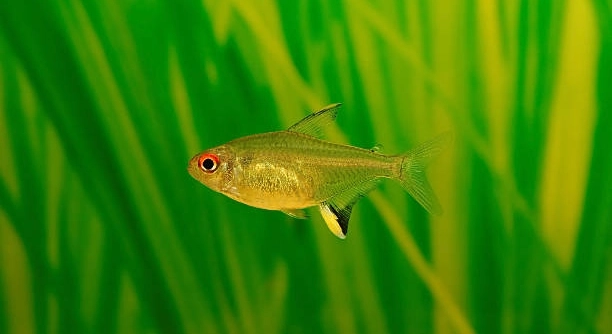
Lemon tetras are small, lively fish that brighten any aquarium with their vibrant yellow hues. Many aquarium owners enjoy observing their behavior and wonder if these active fish can develop trust toward humans over time.
Lemon tetras can be trained to eat from your hand, but it requires patience, consistency, and a calm environment. Gradual acclimation and offering food in small amounts will help them associate your presence with positive experiences.
Building this interaction strengthens your bond with the fish and adds an engaging aspect to daily aquarium care. It encourages observation and rewards both patience and consistency in handling.
Understanding Lemon Tetra Behavior
Lemon tetras are naturally social and active fish, thriving in groups of at least six. They enjoy swimming through plants and exploring corners of the tank. Observing their patterns can help you recognize when they are comfortable or stressed. When first introducing yourself, keep movements slow and predictable. Sudden gestures or tapping on the glass can startle them, making hand-feeding difficult. They are more likely to approach when the tank is calm, and they feel safe. Consistency is important. Feeding at the same time each day and maintaining a stable environment encourages routine behavior. Water quality also plays a role; clean, well-maintained tanks support their activity and willingness to interact. Over time, they may begin to recognize your presence as a signal for food, responding with curiosity rather than fear. Being patient and attentive ensures a positive, stress-free experience for both you and your fish.
Hand-feeding should start slowly, introducing small portions to build trust gradually.
Regular observation is key. Watch for signs of stress or hesitation. Adjust the approach by offering food closer to their natural swimming areas. Over several sessions, most lemon tetras begin to associate your hand with feeding, allowing for smoother interactions. Repetition and gentle guidance are essential to reinforce trust and minimize sudden scares, creating a reliable feeding routine.
Preparing for Hand-Feeding
Start by choosing the right food, such as finely crushed flakes or small pellets that lemon tetras can easily consume. Introduce it in small quantities to prevent overfeeding. Always ensure your hand is clean and free of strong scents, as this can affect their willingness to approach. Initially, place your hand near the surface and remain still, letting them explore on their own. Avoid sudden movements, which can frighten them. Gradually, they will begin nibbling from your fingers once they feel secure. Repeating this process daily helps strengthen familiarity and builds a positive association between your presence and food. Hand-feeding is not only an interactive experience but also a subtle way to monitor their health. Observing eating patterns and activity levels during these sessions can provide valuable insight into their overall well-being. Over time, consistent, calm interactions create a trusting bond that makes feeding both rewarding and manageable.
With patience and attention, your lemon tetras can learn to approach confidently. Success depends on consistent, gentle practice and creating a safe, inviting environment.
Gradual Approach Techniques
Start by placing your hand in the tank without food, allowing the tetras to get used to its presence. Avoid sudden movements to prevent scaring them.
Over several days, lemon tetras will become curious about your hand and begin swimming closer. Introduce a small pinch of food between your fingers, letting them nibble at their own pace. Keep sessions brief and consistent. Do not try to force interaction, as patience is essential. Their natural curiosity will gradually overcome caution, and positive reinforcement through regular feeding helps them associate your hand with safety.
It helps to feed at the same time each day. Predictability encourages them to approach without fear. Observe how they respond and adjust your hand placement based on their comfort. Using minimal motion and maintaining a calm demeanor strengthens trust. Over time, they may even recognize subtle cues, like your hand entering the tank, signaling feeding. This slow approach fosters a strong, cooperative feeding routine, enhancing both their comfort and your satisfaction.
Tips for Successful Hand-Feeding
Always use clean hands and appropriate food that the tetras can easily consume. Avoid overfeeding or sudden movements during feeding.
Consistency is key. Feeding at the same time and in the same spot builds familiarity. Ensure the tank environment is calm, with minimal disturbances. Start with a small amount of food to prevent aggression or competition among fish. Gradually increase the amount only when they appear comfortable and confident. Patience and observation allow you to notice subtle signs of readiness or hesitation. Over time, hand-feeding becomes a reliable routine, and the tetras respond more readily to your presence, making interactions smoother and enjoyable for both you and the fish.
Patience and Observation
Watch your lemon tetras carefully during each session. Notice how they react to your hand and adjust your movements to keep them calm.
Do not rush the process. Even small progress, like swimming closer or nibbling food, shows improvement. Patience ensures a trusting relationship develops gradually.
Encouraging Consistent Feeding
Offer food in small, frequent amounts rather than one large portion. This helps prevent overfeeding and allows tetras to approach comfortably. Maintain a quiet environment and avoid tapping the glass, which can startle them. Gradually, they will connect your hand with positive feeding experiences, increasing confidence.
Monitoring Health During Hand-Feeding
Pay attention to their behavior and eating patterns. Any hesitation, lethargy, or loss of appetite may indicate stress or health concerns that require adjustment.
FAQ
Can all lemon tetras be trained to eat from my hand?
Not all lemon tetras will respond the same way. Some are naturally more curious and willing, while others remain cautious. Individual temperament, past experiences, and the environment play a role. Consistency, calmness, and patience increase the likelihood that most tetras will eventually approach your hand.
How long does it take for lemon tetras to start eating from my hand?
The time varies. Some may begin nibbling within a few days, while others might take several weeks. Regular, gentle sessions encourage trust. Avoid rushing them, as forcing interaction can create fear instead of positive association. Slow, steady practice works best.
What type of food should I use for hand-feeding?
Small flakes, crushed pellets, or micro-pellets are easiest for lemon tetras to consume by hand. Avoid large pieces or sticky food that can be difficult for them to handle. The goal is to provide something familiar and easy to eat.
Do I need to remove other fish from the tank during hand-feeding?
It’s not necessary unless other fish are aggressive or overly competitive. If you notice nipping or chasing, try hand-feeding when tetras are more relaxed or temporarily moving others to a separate section. Minimizing stress helps them learn faster.
How should I position my hand in the tank?
Place your hand gently near the surface or slightly submerged, depending on where the tetras usually swim. Hold it steady and let them approach naturally. Sudden movement or hovering too long can scare them away. Patience and observation are crucial.
Can hand-feeding affect their health?
Yes, if not done carefully. Overfeeding or using inappropriate food can lead to obesity or digestive issues. Maintain regular tank cleaning and follow proper feeding guidelines. Hand-feeding should complement, not replace, their normal diet.
What if the tetras refuse to eat from my hand?
Some may never fully accept hand-feeding, and that’s normal. Keep sessions short and stress-free. Focus on observing natural behavior, and try again later. Forcing them can increase anxiety and slow progress.
Should I wear gloves while hand-feeding?
It’s generally not necessary if your hands are clean and free of soap or lotion. Gloves can sometimes create a barrier that tetras are hesitant to approach. Natural, calm hands usually work best.
Can I train multiple tetras at the same time?
Yes, but it may require patience. Tetras feed in schools, so introducing your hand to the group allows some fish to lead and others to follow. Monitor the group to ensure all have access and no fish are being stressed.
How often should I practice hand-feeding?
Daily short sessions are more effective than occasional long ones. Consistency helps tetras recognize your presence as non-threatening and linked to food. Even a few minutes per day strengthens trust and improves results over time.
Will hand-feeding make the tetras more interactive in general?
Yes, repeated positive experiences can make them more comfortable with your presence. They may swim closer during other times or display curiosity when you approach the tank. However, every fish has its limits and personality.
Is it safe for children to hand-feed lemon tetras?
Supervised interaction is fine, but children must be taught to move slowly and avoid sudden gestures. Gentle, calm movements are essential. Unpredictable motion can scare the fish and undo progress.
How do I know if my tetras are stressed during hand-feeding?
Signs include darting away, hiding, or refusing food. Stress can be reduced by slower hand movements, smaller portions, and quiet surroundings. Observing behavior closely helps maintain a safe and comfortable feeding routine.
Can hand-feeding improve my bond with the fish?
Yes, regular positive interactions can build trust. While fish do not form bonds like mammals, consistent hand-feeding encourages recognition of your presence and a predictable, safe routine. It becomes a rewarding part of tank care.
Is water quality important for hand-feeding success?
Absolutely. Lemon tetras are sensitive to poor water conditions. Clear, clean water reduces stress and encourages them to explore and eat. Proper filtration, regular water changes, and monitoring parameters are essential for safe interaction.
Are there any risks to the tetras from my hand?
If hands are clean, free of chemicals, and movements are calm, risks are minimal. Avoid strong soaps, lotions, or sudden motions, which can irritate or frighten the fish. Careful attention ensures safety for both you and your tetras.
Can I combine hand-feeding with other training methods?
Yes, hand-feeding can be paired with target training or using feeding sticks. Combining methods gradually reinforces trust and curiosity, making learning easier. Keep sessions short and positive to avoid overwhelming the fish.
What is the best time of day for hand-feeding?
Choose a calm period when tetras are naturally active but not stressed. Morning or early afternoon often works well. Avoid times immediately after tank maintenance or disturbances, as fish may be wary or hiding.
How do I encourage shy tetras to approach?
Start by placing your hand near the tank without food and letting them acclimate. Reward small approaches with tiny amounts of food. Gradually, shy tetras will gain confidence as they associate your hand with safety and nourishment.
Can hand-feeding help me notice health issues earlier?
Yes, daily interactions allow you to observe eating habits, swimming patterns, and physical changes. Early detection of stress, disease, or injury becomes easier, allowing for timely intervention and maintaining a healthy tank environment.
How long should a hand-feeding session last?
Keep sessions short, around five minutes, to avoid overfeeding and stress. Multiple short sessions are better than one long session. This maintains focus, encourages approach, and ensures a calm, safe experience for your tetras.
Can hand-feeding be done in a planted tank?
Yes, but be mindful of plant placement. Place your hand in an open area where fish can easily approach. Dense plants may hide tetras or limit visibility, making hand-feeding less effective until they are comfortable.
Is it necessary to remove decorations during training?
No, but ensure there’s enough open space for the tetras to swim freely around your hand. Overcrowded tanks can create stress and make it harder for them to approach. Maintaining a balanced environment supports positive feeding behavior.
What if some fish dominate the feeding?
Feed in multiple spots or separate portions to prevent aggression. Over time, all fish can participate without stress. Monitor interactions carefully and adjust placement to ensure fairness and minimize competition.
Do lemon tetras remember hand-feeding over time?
Yes, with consistent practice, tetras recognize patterns and associate your hand with food. They may respond quickly during sessions, showing learned behavior. Long-term consistency strengthens this recognition, making hand-feeding more predictable and successful.
How can I make hand-feeding more effective for a group?
Introduce small amounts gradually, encourage timid fish first, and remain calm. Avoid crowding, and let them approach at their own pace. Observing the group’s dynamics helps you adjust strategy and ensures all fish are comfortable and confident.
Can hand-feeding affect breeding behavior?
Indirectly, yes. Reduced stress from positive interaction and consistent feeding supports general health, which can influence readiness to breed. However, it should not replace proper breeding care and environmental requirements.
Is hand-feeding suitable for all tank sizes?
It works best in small to medium tanks where fish can approach comfortably. In large tanks, distances may make hand-feeding less practical unless done in a confined section where tetras feel secure. Proper placement and patience remain key.
How do I stop tetras from becoming aggressive during hand-feeding?
Feed small amounts and allow all fish access. Avoid overcrowding your hand and give space for timid tetras. Observing social hierarchy and adjusting feeding methods reduces chasing and ensures a calm, controlled environment.
What should I do if a tetra bites accidentally?
Bites are usually gentle nibbles. If they happen, remove your hand slowly, stay calm, and try again later. Avoid sudden reactions, which can startle fish and slow progress. Most bites are exploratory rather than harmful.
Can hand-feeding be used as enrichment?
Yes, it encourages natural foraging and curiosity. Providing positive interaction through hand-feeding keeps them active and engaged, adding variety to daily care and supporting their mental and physical stimulation.
Is hand-feeding stressful for tetras?
If done incorrectly, yes. Sudden movements, overcrowding, or overfeeding can create stress. Calm, patient, and consistent methods ensure hand-feeding remains safe, enjoyable, and stress-free. Regular observation helps maintain a positive experience.
Can I train tetras to recognize my hand from outside the tank?
Yes, with repeated sessions, tetras may respond to your hand approaching the tank. Recognition grows through consistency and positive reinforcement, allowing them to associate your presence with feeding even before contact.
How do I stop hand-feeding if needed?
Gradually reduce food amounts and increase distance. Avoid abrupt cessation to prevent confusion or stress. Slowly returning to normal feeding routines ensures the tetras adapt without negative impact on behavior or trust.
What common mistakes should I avoid?
Rushing, overfeeding, sudden movements, inconsistent timing, or ignoring signs of stress. Maintaining patience, observation, and calm handling ensures successful hand-feeding and strengthens positive interaction over time.
Can hand-feeding work with other species in a community tank?
It can, but consider temperament and feeding habits of other species. Aggressive or large fish may dominate, while shy species could retreat. Monitoring interactions and adjusting approach ensures all fish benefit safely.
Will tetras recognize different people’s hands?
They may, but familiarity usually develops with regular interaction. Consistent presence and gentle handling help tetras learn who provides food and create predictable, positive experiences.
Are there alternatives if tetras refuse hand-feeding?
Yes, using feeding sticks, floating dishes, or target training provides interaction without direct hand contact. Patience and gentle encouragement remain key to building comfort and reducing stress.
How do I combine hand-feeding with normal tank feeding?
Offer regular tank feeding as usual, supplementing with brief hand-feeding sessions. This ensures balanced nutrition while reinforcing positive interaction. Hand-feeding should complement, not replace, their standard feeding routine.
What if I travel or leave the tank unattended?
Tetras may temporarily forget hand-feeding routines, but they often resume quickly once regular sessions restart. Maintaining consistent care ensures minimal disruption to trust and behavior.
How important is water temperature for hand-feeding success?
Temperature affects activity levels. Lemon tetras are more likely to approach when water is within their preferred range, usually 72–79°F. Proper temperature helps maintain energy, comfort, and willingness to interact.
Can hand-feeding encourage exercise?
Yes, approaching your hand encourages swimming and exploration. Controlled movement during feeding supports physical activity, particularly in smaller or planted tanks where space may be limited.
How do I handle multiple sessions per day?
Keep each session short and consistent, using small amounts of food. Multiple brief sessions reinforce trust and prevent overfeeding, while keeping tetras engaged and comfortable with human presence.
Does lighting affect hand-feeding?
Moderate lighting works best. Too bright or flickering lights can make tetras skittish. Natural or consistent aquarium lighting encourages calm behavior and supports successful hand-feeding sessions.
How do I know when they are ready to hand-feed?
Signs include approaching your hand, swimming close during feeding, or showing curiosity. Small steps, like nibbling near your hand, indicate readiness. Patience and observation help identify these cues before expecting full interaction.
Can hand-feeding reduce fear of humans?
Yes, repeated calm interactions can reduce avoidance behavior. While tetras remain cautious by nature, they can learn to associate your presence with safety and food, creating a more relaxed environment.
What precautions should I take for delicate or injured tetras?
Avoid hand-feeding until they recover. Gentle monitoring and providing food in a safe area ensures they are not stressed or overpowered. Health and safety always take priority over training or interaction.
Is hand-feeding suitable for all ages of lemon tetras?
Juveniles and adults can learn to hand-feed, though younger fish may be more curious and responsive. Older fish may require more patience. Adapting approach based on age and size improves success rates.
Can I use hand-feeding as a way to socialize a new tetra?
Yes, gentle, consistent sessions can help new arrivals adjust. Offering small amounts of food while allowing them to explore creates positive experiences and eases integration with the tank environment.
How do I maintain hygiene during hand-feeding?
Wash hands thoroughly with water only, avoiding soaps, lotions, or chemicals. Rinse thoroughly and remove any residues. Clean hands protect both your health and the tetras’ well-being during interaction.
Can hand-feeding improve observation skills?
Yes, paying close attention to behavior, responses, and swimming patterns enhances your ability to notice changes in health or activity. These insights improve overall care and help maintain a thriving tank environment.
Is hand-feeding recommended for all community tanks?
It depends on species compatibility. Calm, small fish like lemon tetras benefit most. Aggressive or fast-moving species may interfere, so observe tank dynamics and adjust accordingly to maintain safe and stress-free feeding sessions.
Can hand-feeding help with acclimating tetras to a new tank?
Yes, it encourages exploration and comfort with human presence. Positive association through gentle feeding reduces stress, helping them adapt more quickly to new surroundings.
How do I avoid overfeeding during hand-feeding?
Offer very small portions and monitor consumption. Limit sessions to a few minutes, and supplement with regular tank feeding. Careful portion control prevents health issues while maintaining trust and interest.
Can hand-feeding be used to separate aggressive fish?
Yes, by controlling where and how food is offered, you can manage interactions. Separate portions or short targeted sessions reduce competition and stress for all fish in the tank.
Is it normal for tetras to nibble fingers gently?
Yes, light nibbles are exploratory, not harmful. They use this behavior to investigate new objects. Avoid sudden reactions, which may frighten them and disrupt progress.
How do I know if hand-feeding is effective?
Success is measured by their approach, willingness to nibble, and reduced fear of your hand. Consistency and calm handling over time indicate a positive outcome and growing trust.
Can hand-feeding replace regular feeding?
No, it should supplement their normal diet. Balanced nutrition is essential. Hand-feeding serves as enrichment, interaction, and observation, not a substitute for standard feeding routines.
Are there signs my hand-feeding technique needs adjustment?
Frequent hesitation, darting, or stress signals indicate a need to slow down or change approach. Observing these cues helps refine technique and maintain safe, positive interactions.
How important is my presence outside of feeding?
Frequent calm presence reinforces recognition and comfort. Even when not feeding, gentle interaction or observation can help tetras feel secure and reduce overall stress in the tank.
Can hand-feeding be done in heavily planted tanks?
Yes, but choose open areas to place your hand. Dense plants may obstruct access or visibility, so adjusting hand placement ensures fish can approach confidently without stress.
How do I prevent hand-feeding from causing aggression among tetras?
Feed in multiple spots, use small portions, and maintain calm movements. Monitor interactions to ensure timid fish are not excluded, creating a balanced and stress-free feeding environment.
Will lemon tetras stop responding to hand-feeding over time?
They may temporarily lose interest if feeding becomes inconsistent. Maintaining regular sessions and monitoring for signs of stress or disinterest ensures continued positive interaction.
How do I know if a fish is too stressed to hand-feed?
Hiding, erratic swimming, refusal to eat, or gill flaring indicate stress. Pause sessions and create a calm environment before resuming to protect their well-being.
Can hand-feeding affect their social behavior?
It can encourage confidence and reduce fear around humans but should not significantly alter natural schooling behavior. Balance interaction with normal tank activity for healthy social dynamics.
How do I resume hand-feeding after a break?
Reintroduce your hand slowly with minimal food, allowing fish to reacclimate. Gradually return to previous routines while observing behavior to ensure comfort and reduce stress.
Is hand-feeding more effective for certain tank conditions?
Yes, calm, stable environments with clean water, moderate lighting, and minimal disturbances enhance willingness to approach. Consistency in these conditions supports successful hand-feeding.
Can hand-feeding work with newly introduced fish?
Yes, but start cautiously. Allow them to acclimate first, then offer small amounts of food with a calm hand. Positive, stress-free interactions help them adjust and build trust.
Does water flow affect hand-feeding?
Strong currents can make approach difficult and stressful. Place your hand in calmer areas of the tank where fish can safely and confidently reach the food.
Can hand-feeding be combined with enrichment tools?
Yes, pairing with floating dishes, feeding sticks, or small obstacles encourages exploration and activity, complementing hand-feeding as part of a stimulating, engaging environment.
How do I ensure timid fish get food?
Offer multiple small portions and allow them to approach at their own pace. Avoid crowding and observe interactions to prevent dominant fish from monopolizing resources.
Will lemon tetras recognize different hands?
They may respond more readily to familiar hands used consistently. New or unfamiliar hands may require patience until fish build trust again.
Can hand-feeding help monitor water quality indirectly?
Yes, changes in eating behavior, hesitation, or avoidance can indicate stress, poor water quality, or health issues, prompting timely checks and maintenance.
Is hand-feeding suitable for breeding pairs?
Yes, but monitor for stress and competition. Ensure balanced nutrition and calm conditions to support reproductive health without causing disruption.
How do I prevent overexcited behavior during hand-feeding?
Offer food slowly and in small amounts. Maintain calm, steady movements, and allow fish to approach naturally to prevent chasing, aggression, or stress in the tank.
Can hand-feeding be stopped temporarily without negative effects?
Yes, as long as regular feeding continues. Gradually reduce interaction and food offered by hand to prevent confusion or stress, then resume when desired.
How do I avoid contaminating the tank during hand-feeding?
Wash hands thoroughly with water only, avoid chemicals or lotion, and ensure fingers are free from residues. Clean, careful handling protects both you and the fish.
Can hand-feeding be used as a diagnostic tool?
Yes, observing response, appetite, and behavior during sessions can indicate health, stress, or environmental issues, allowing early detection and adjustment.
**Are there signs the
Final Thoughts
Hand-feeding lemon tetras is a practice that requires patience, consistency, and careful observation. These small fish are naturally cautious, and their behavior can vary widely from one individual to another. Some may approach quickly and nibble from your hand without hesitation, while others may remain shy and take longer to feel comfortable. The key to success is maintaining a calm, gentle presence and introducing your hand slowly. Repetition and predictability help the tetras associate your hand with positive experiences, such as food and safety. Over time, this process allows them to become more confident and willing to interact. It is important to remember that progress may be gradual, and small signs of curiosity, such as swimming closer or following your hand, are valuable indicators of trust being built.
Providing the right environment is just as crucial as the hand-feeding itself. Lemon tetras thrive in clean, well-maintained tanks with stable water parameters. Water temperature, lighting, and tank layout all influence how comfortable and relaxed the fish feel during interaction. A calm tank with minimal disturbances encourages them to explore and approach your hand. Offering food that is appropriate for their size, such as small flakes or micro-pellets, ensures they can easily eat from your hand without stress or difficulty. Avoid overfeeding or introducing unfamiliar foods abruptly, as this can create hesitation or reduce interest. Observing how the fish respond to these conditions provides insight into their comfort level and overall health. A stable, predictable environment is a foundation that supports both successful hand-feeding and the general well-being of your tetras.
Consistency and attention to detail are essential for maintaining a positive hand-feeding routine. Short, regular sessions are more effective than long or sporadic attempts. Patience is necessary, as forcing interaction or becoming frustrated can create stress and undermine the progress you have made. Observing the fish closely during each session allows you to notice small changes in behavior or appetite, which can indicate readiness, stress, or health issues. Hand-feeding is not just a way to provide food but also a subtle method for monitoring well-being and strengthening familiarity. Even if some tetras never fully accept food from your hand, gradual exposure and calm handling can still reduce fear and encourage exploration. Ultimately, hand-feeding lemon tetras is about creating a consistent, calm, and safe interaction that benefits both the fish and your experience as a caretaker, providing a quiet, rewarding connection over time.

Hello,
If you enjoy the content that we create, please consider saying a "Thank You!" by leaving a tip.
Every little bit helps us continue crafting quality advice that supports the health, happiness, and well-being of pets around the world, for pets of all shapes, sizes, and species.
We really appreciate the kindness and support that you show us!