
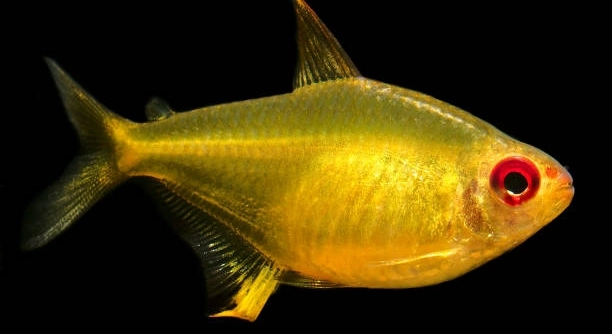
Many aquarists notice their lemon tetras gathering in a single corner of the tank, moving together as if following an unspoken rule. This behavior can seem puzzling at first, especially when they usually swim freely throughout their aquarium.
Lemon tetras huddle in a tank corner primarily due to stress or environmental factors. Limited hiding spaces, strong currents, poor water quality, or the presence of aggressive tankmates can trigger this collective, protective behavior. Maintaining optimal conditions helps reduce cornering.
Observing these small fish closely can reveal subtle signs of discomfort or stress in their tank environment. Understanding their behavior ensures a happier, healthier community for your lemon tetras to thrive.
Environmental Stressors Affecting Lemon Tetras
Lemon tetras are sensitive to their surroundings, and environmental stress can make them cluster in a corner. Sudden changes in water temperature, improper pH levels, or inadequate oxygenation can create discomfort. Even subtle fluctuations in water chemistry may influence their behavior, causing them to seek a sense of security. Tank decorations also play a role. Open tanks with little shelter often leave these small fish feeling exposed. When tetras have no places to hide, they naturally gather together, finding safety in numbers. Strong water currents from filters or pumps can also push them toward calmer areas, usually corners, where the flow is gentler. Recognizing these stressors early can prevent long-term health issues. Consistent water testing, maintaining proper temperature, and adding plants or hiding spots can help the fish feel safer. Observing them regularly ensures that minor changes in the environment don’t escalate into more serious behavioral or health problems.
Environmental factors like sudden temperature changes or strong currents are the main triggers for corner huddling in lemon tetras.
Providing stable water conditions, adjusting flow rates, and adding hiding spots encourages more natural swimming patterns. Consistency improves their overall comfort and reduces stress-related behaviors. Over time, these changes can create a calm tank environment where lemon tetras feel secure, allowing them to explore freely. Adding plants or small decorations in corners offers safe resting areas without isolating them completely. Monitoring their responses helps gauge the effectiveness of these adjustments, ensuring their environment remains balanced and supportive. Proper care and observation make a noticeable difference in their behavior, allowing them to thrive while maintaining their social interactions within the tank. Consistent maintenance of water quality and tank layout encourages healthy schooling habits, ultimately promoting a stable, peaceful aquarium ecosystem for all inhabitants.
Social Dynamics and Group Behavior
Lemon tetras are schooling fish that rely on group interactions for safety and comfort. Being in a group reduces anxiety and mimics natural conditions, which encourages them to stay together.
When lemon tetras feel threatened or insecure, they instinctively cluster in a tank corner. Their schooling instinct creates cohesion, which helps them manage stress. Aggressive tankmates, unfamiliar fish, or sudden movements outside the aquarium can increase this behavior. In nature, staying close together protects them from predators, and this instinct remains in captivity. Ensuring an appropriate number of tetras in the tank prevents isolation and reinforces natural schooling behavior. Overcrowding, however, can backfire, leading to additional stress and competition for resources. Observing interactions within the school can indicate if some fish feel threatened or excluded. Adjusting tank size, layout, and the number of companions ensures a balanced social environment, allowing tetras to exhibit normal behavior. Maintaining proper lighting and avoiding abrupt disturbances outside the tank also supports their sense of security, reducing the tendency to huddle excessively.
Tank Layout and Hiding Spots
Corners and dense decorations provide lemon tetras with a sense of security. Lack of proper hiding places can push them to gather in one area. Providing plants, rocks, or small ornaments encourages natural exploration and reduces stress, allowing them to spread more evenly throughout the tank.
Adding live or artificial plants near corners gives tetras safe zones while keeping the tank visually appealing. Floating plants can create shaded areas, and small caves or driftwood provide resting spots. Even rearranging existing decorations can change swimming patterns, encouraging movement. Observing which spots are frequently used helps identify where the fish feel most comfortable, guiding future adjustments for a more balanced tank environment.
Open areas combined with gentle flow patterns improve water circulation without stressing the fish. Lemon tetras are less likely to cluster when calm currents meet secure hiding spots. Experimenting with layout changes gradually ensures they adapt naturally. Providing varied textures and levels in the tank offers stimulation and supports natural schooling behavior. Tracking their reactions over time helps determine which modifications best reduce corner huddling, promoting overall health and well-being. Maintaining a balance between open swimming space and sheltered areas is key for a harmonious tank environment.
Water Quality and Maintenance
Consistent water quality prevents stress that drives corner huddling. Regular testing and partial water changes maintain optimal conditions for lemon tetras, keeping them active and healthy.
Parameters like temperature, pH, ammonia, nitrite, and nitrate levels directly affect their comfort. Sudden spikes or drops can make them seek safety in corners. Using a reliable filter and monitoring equipment helps stabilize the environment. Cleaning the substrate, removing uneaten food, and preventing algae overgrowth all support healthier water. Stress from poor water quality can weaken their immune system, making them more susceptible to disease. Regular observation of behavior alongside maintenance schedules ensures timely corrections.
Proper water flow, aeration, and tank cleaning routines reduce stress and encourage normal activity. Lemon tetras respond positively to a stable environment with gentle currents, clear water, and consistent lighting. Adjusting flow direction and ensuring uniform temperature distribution minimizes corner clustering. Paying attention to minor changes in behavior can reveal water quality issues early. Over time, these practices foster a peaceful tank where fish swim freely, maintain schooling patterns, and display natural behaviors. Consistent care enhances both the fish’s health and the visual appeal of the aquarium.
Lighting and Shadows
Bright or harsh lighting can make lemon tetras feel exposed, causing them to gather in shaded corners. Adjusting light intensity and using floating plants or decorations to diffuse brightness helps create a more comfortable environment, encouraging them to swim freely throughout the tank.
A gradual light schedule mimics natural day and night cycles. This reduces stress and prevents sudden exposure that may trigger corner huddling. Using dimmers or partially covering the tank during peak brightness hours gives the fish safe zones. Observing their movement in response to lighting changes ensures they are adjusting well.
Temperature Stability
Sudden fluctuations in water temperature make lemon tetras seek shelter in corners. Maintaining a consistent temperature suitable for tropical fish prevents stress-related behaviors. A reliable heater and thermometer help monitor and regulate the tank efficiently.
Feeding and Nutrition
Irregular feeding schedules or poor-quality food can increase stress, causing fish to huddle. Providing balanced, frequent meals supports their health and natural activity patterns.
Observing Behavior
Tracking daily movements, interactions, and responses to changes in the tank helps identify stressors. Early observation allows timely adjustments to improve comfort and reduce corner huddling.
FAQ
Why do lemon tetras huddle even in a well-maintained tank?
Even in clean, stable tanks, lemon tetras may gather in corners due to instinctual schooling behavior. This natural tendency helps them feel secure, especially when they perceive any minor changes in the environment, such as new decorations, sudden movements near the tank, or subtle shifts in water flow.
Can tankmates cause corner huddling?
Yes, aggressive or overly active tankmates can stress lemon tetras, prompting them to stay together in a safe corner. Even non-aggressive fish can trigger this behavior if they compete for space or food. Proper selection of compatible species reduces stress and encourages normal swimming patterns.
Does the number of tetras in the tank affect huddling?
Lemon tetras are social fish that feel safer in small schools of at least six to eight. Too few can increase stress, while overcrowding can cause competition, both leading to cornering. Maintaining an appropriate group size helps balance their natural schooling instincts and reduces stress.
How do water changes impact huddling behavior?
Sudden or large water changes can disturb the tank’s balance, causing temporary stress. Gradual, consistent water changes help maintain stable parameters, allowing tetras to feel secure and reduce the tendency to huddle in corners.
Can lighting influence cornering?
Harsh or overly bright lighting may make tetras feel exposed, pushing them toward shaded areas or corners. Using adjustable lighting or floating plants to create natural shade provides comfort and encourages even swimming. A consistent light schedule also helps maintain a calm environment.
Do decorations really make a difference?
Yes, hiding spots such as plants, rocks, or small caves provide security. Corners without any cover can feel threatening. Arranging the tank to offer multiple shaded or sheltered areas helps fish explore safely and reduces stress-driven clustering.
Could temperature instability cause this behavior?
Fluctuating temperatures can trigger stress, causing fish to seek safer areas. Maintaining a consistent, suitable temperature using a reliable heater and thermometer ensures comfort and helps prevent repetitive corner huddling.
Is water flow a factor in corner huddling?
Strong currents can overwhelm lemon tetras, making corners their preferred resting spots. Adjusting filter output or creating calm zones allows them to swim freely while avoiding unnecessary stress from excessive water movement.
How does feeding affect huddling?
Irregular feeding or low-quality food may increase stress, prompting fish to stay together in corners. Providing balanced, frequent meals ensures they are active, healthy, and less likely to cluster. Observing their behavior during feeding helps determine if adjustments are needed.
What signs indicate huddling is a serious issue?
Persistent cornering, lack of appetite, faded colors, or lethargy may signal stress or illness. Monitoring water quality, tankmates, and environment, alongside routine observation, ensures problems are addressed early, supporting healthier, more active fish.
Can minor tank disturbances cause huddling?
Yes, small changes like moving decorations, tapping on the glass, or rearranging plants can make lemon tetras retreat to corners. Minimizing disturbances and maintaining a stable environment helps them feel secure and encourages natural swimming behavior.
Are there ways to encourage more active swimming?
Adding live plants, gentle currents, and varied decorations creates stimulating areas that draw fish away from corners. Ensuring a balanced group of tetras and proper water conditions promotes confident exploration and reduces clustering. Over time, fish adjust to the environment and display normal schooling behavior.
Is corner huddling always a sign of stress?
Not always. Some huddling is normal, reflecting natural schooling instincts and social behavior. Consistent observation is key to distinguishing between typical clustering and stress-induced cornering. Safe hiding spots and stable water conditions support healthy, natural patterns.
How long does it take for tetras to adjust to new tanks or changes?
Adjustment varies but usually takes several days to a few weeks. During this period, occasional corner huddling is normal. Providing hiding spots, gentle lighting, and stable water conditions helps them acclimate faster and reduces prolonged stress behaviors.
Can huddling affect overall health?
Persistent stress from corner huddling can weaken the immune system, increase susceptibility to disease, and reduce activity. Addressing environmental, social, and dietary factors helps maintain healthy, active tetras and promotes long-term well-being.
Lemon tetras are small, delicate fish that rely heavily on their environment and social structure for comfort and security. Observing them huddle in a corner can be concerning, but this behavior is often a natural response to stress, environmental changes, or a need for safety. Understanding why they exhibit this behavior is the first step toward creating a healthier tank environment. Stressors such as strong water currents, harsh lighting, and sudden temperature changes can make them feel exposed, prompting them to seek shelter. Even in well-maintained aquariums, minor disturbances like tapping on the glass or moving decorations can cause temporary cornering. By paying close attention to their surroundings and daily habits, it is possible to identify patterns and reduce stressors that may be contributing to their behavior. Providing hiding spots, ensuring stable water conditions, and maintaining a consistent routine all play a role in making lemon tetras feel secure and comfortable in their space.
Social dynamics are another important factor to consider. Lemon tetras are schooling fish, and their natural instinct is to stay together. When they feel threatened or insecure, clustering in a corner is a way of protecting themselves as a group. Tankmates, whether aggressive or overly active, can influence this behavior. Maintaining a proper group size, generally six to eight tetras, helps promote natural schooling behavior and reduces isolation or stress. Overcrowding, however, can create competition for resources, which may also lead to corner huddling. By observing interactions within the group and making adjustments to tank layout, the number of fish, or the placement of decorations, it is possible to support a balanced social environment. Providing adequate swimming space alongside sheltered areas allows them to engage in natural behaviors without feeling constantly threatened. Gradual changes to the tank layout or environment help tetras adapt without sudden stress, encouraging more confident swimming and exploration over time.
Maintaining optimal water quality, feeding schedules, and proper lighting is essential for overall health and reducing corner huddling. Consistent monitoring of parameters such as temperature, pH, ammonia, and nitrate levels ensures that the tank remains stable and safe for the fish. Balanced and regular feeding supports their energy levels and activity, helping them move freely rather than remaining in one corner. Adequate lighting, combined with shaded areas or floating plants, creates a comfortable environment that reduces stress. Over time, consistent care and observation allow lemon tetras to exhibit their natural schooling and swimming behaviors more confidently. By understanding their needs, addressing stress factors, and creating a stable, supportive environment, the fish are more likely to thrive, leading to a healthier and visually balanced aquarium. Regular attention to both environmental and social factors ensures long-term comfort and well-being for lemon tetras in any tank.

Hello,
If you enjoy the content that we create, please consider saying a "Thank You!" by leaving a tip.
Every little bit helps us continue crafting quality advice that supports the health, happiness, and well-being of pets around the world, for pets of all shapes, sizes, and species.
We really appreciate the kindness and support that you show us!