
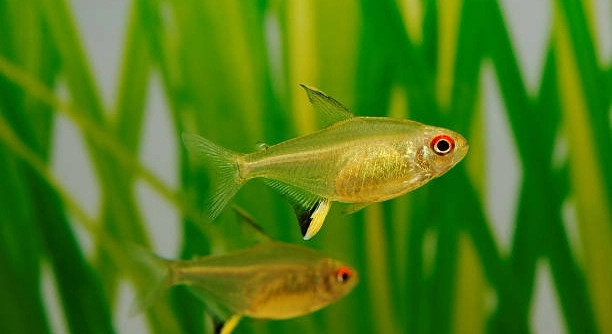
Have you ever noticed your lemon tetras acting differently after a sudden change in their environment and felt unsure about what these shifts might mean for their health during stressful tank conditions that impact them?
The seven signs of tank shock in lemon tetras typically include rapid breathing, erratic swimming, loss of color, floating near the surface, hiding behavior, reduced appetite and sudden lethargy, indicating acute stress responses to abrupt environmental shifts within their habitat.
As you explore these common behaviors you will gain a understanding that helps support your lemon tetras through challenging moments.
Understanding the First Signs
Tank shock can appear quickly in lemon tetras, and it can feel unsettling when you notice these changes right after adjusting something in their setup. Sudden drops in temperature, strong filtration, unexpected water changes or rushed acclimation can create conditions that overwhelm their small bodies. When this happens they may react in ways that seem alarming if you are not prepared for them. You might see their colors fade or notice them gasping lightly near the surface while trying to stabilize themselves. Some may hide in corners or hover in place with little movement. These behaviors are their way of coping with stress that develops faster than they can manage on their own. Understanding these early signs helps you respond with calm care, helping them return to a stable state without adding more strain. With gentle adjustments you can guide them back to comfort while keeping their environment dependable daily.
Early reactions like color loss or erratic movements can tell you that your lemon tetras need quick attention to feel secure again. Noticing these shifts early allows you to adjust their conditions calmly, keeping their tank stable and reducing the impact of stress before it affects them further each day.
Responding with steady care can help your lemon tetras settle after a stressful change in their habitat. Start by checking temperature, filtration strength and water quality so you can correct anything that shifted too fast. Small adjustments are easier for them to handle than dramatic fixes that add more pressure. Give them time to rest by lowering light levels and avoiding sudden movements around the tank. As they regain their color and activity, keep monitoring their behavior so you know they are stabilizing. Consistent support gives them the confidence to recover and feel safe in their space each new day.
Supporting Recovery Steps
Helping your lemon tetras find stability again starts with keeping their environment predictable and gentle. Reducing noise, sudden movements and dramatic changes in water conditions can lower their stress levels. Offering a calm space allows them to regain balance without feeling overwhelmed by rapid shifts they cannot manage each time.
Creating a stable habitat plays the biggest role in helping lemon tetras recover after tank shock. Begin by confirming that their water temperature remains steady because sudden swings can affect their breathing and energy. Check the filter flow to ensure it is gentle enough for their small size, since strong currents can exhaust them when they are already stressed. Review recent changes you made and reverse anything that may have shifted too quickly. Slow corrections will ease their system without causing additional discomfort. It can also help to add hiding spaces, giving them areas to rest while they regain confidence. Keep feeding light and simple until they begin showing stronger activity again. Regular observation lets you see patterns and notice improvements, helping you understand what they respond to best. As their color returns and their movements grow smoother, maintain your routine so they are not surprised by sudden changes. Your steady approach keeps them feeling supported while their bodies readjust to normal conditions. Over time, these small choices create a safer environment that prevents future episodes of tank shock and encourages long term stability for your lemon tetras, helping them stay healthy and comfortable in their home each day always.
Recognizing Behavioral Shifts
Stress in lemon tetras becomes clear when their movements lose their usual rhythm. You may see them drifting without purpose or reacting strongly to minor disturbances. These changes often appear soon after a sudden adjustment in their environment, making it easier to connect the behavior to recent conditions.
When their tank becomes unstable, lemon tetras may distance themselves from the group and move with slow, uneven motion that reflects growing discomfort. Their activity level can drop in a noticeable way, showing that their small bodies are working hard to adjust. Some may retreat to corners or remain in shaded areas for long stretches. These shifts can signal that they are struggling with stress they cannot manage alone. By watching these patterns closely you can identify what triggered the reaction and correct it before it becomes more intense. Consistent observation helps you catch issues early, giving you time to support their recovery naturally.
Lemon tetras also show stress through sudden bursts of speed followed by long periods of stillness. This pattern often appears when the water parameters have changed too quickly, leaving them unsure of how to respond. Keeping track of these moments helps you understand how sensitive they are to their surroundings. If these behaviors continue, it is important to review temperature, flow strength and recent maintenance steps. A calm environment paired with steady routines gives them a better chance to settle back into normal activity without feeling overwhelmed. With time they regain a steady pace and return to swimming with confidence.
Noticing Physical Changes
Physical signs of tank shock can be easy to spot once you know what to look for. Pale coloring, clamped fins and light trembling are all indicators that your lemon tetras are trying to cope with a sudden shift in their water conditions that disrupted their comfort.
Their bodies can react quickly when the environment becomes unstable, and one of the first things you may notice is the fading of their natural glow. This dimming often appears before other symptoms, making it a reliable early signal. Clamped fins follow shortly after, showing that their muscles are tightening under stress. Some may develop a slight shake as their system struggles to adapt. These reactions can feel worrying, but they are useful clues that guide you toward correcting the issue. Check temperature, ammonia levels and oxygen flow to find what changed too quickly. Addressing the cause gently helps their bodies settle, restore their color and regain strength over time.
Understanding Environmental Triggers
Sudden drops in water temperature can shock lemon tetras quickly, leaving them stressed and unable to adjust at a natural pace. Even small shifts can affect their breathing and color, making stable conditions important for keeping them calm and comfortable throughout the day.
Rapid changes in water chemistry can also push them into distress. Ammonia spikes, low oxygen or strong flow can overwhelm their system. Keeping the tank balanced with gentle routines helps prevent these sudden impacts, giving them a predictable environment that supports their health and daily behavior.
Adjusting Care After Stress
Responding to tank shock begins with correcting the change that caused the reaction. Start by checking temperature, pH, ammonia and flow to identify what shifted too quickly. Gentle adjustments keep their system from feeling overwhelmed. Allow them to rest by lowering bright lighting and avoiding sudden movements near the tank. Keep feeding light and simple until their activity improves. Small steps give them room to recover without pressure, helping them settle back into a steady rhythm. With consistency they regain color, energy and confidence while returning to their familiar patterns.
Monitoring for Improvement
Watching their behavior over the next few days helps you confirm they are stabilizing. As their color brightens and their movements smooth out, you will know they are responding well to the gentle support you provided.
FAQ
What causes tank shock in lemon tetras?
Tank shock usually happens when their environment changes too quickly for their small bodies to handle. Sudden shifts in temperature, pH, ammonia, nitrates or water hardness can overwhelm them, especially if these changes happen during a rushed water change or an unexpected equipment issue. Even a strong filter output can add extra strain. Their bodies respond with stress behaviors because they rely on stable conditions to stay balanced. Keeping routines gentle and consistent helps prevent these sudden reactions that leave them struggling to adapt.
How fast can tank shock affect lemon tetras?
Tank shock can appear within minutes if the change is severe, especially with sharp temperature drops or big chemical shifts. Sometimes it develops slowly over a few hours, depending on how much the water conditions moved away from their normal range. You may first notice subtle signs like color loss or light trembling before more obvious symptoms appear. Watching the tank closely after maintenance helps you catch issues early. Their reactions can feel sudden, but they are simply responding to conditions that changed too fast for their system.
Can lemon tetras recover from tank shock?
Yes, they can recover when the cause is corrected quickly and gently. Their recovery depends on how severe the shock was and how fast their environment becomes stable again. Adjusting temperature slowly, fixing water chemistry, lowering light levels and reducing stressful activity around the tank all help them regain comfort. Many tetras return to normal behavior within a day or two once their environment is steady. Staying patient and consistent gives them the best chance to settle and rebuild strength.
What signs show that tank shock is improving?
You may notice their color slowly returning as they begin to feel stable again. Their swimming becomes smoother, and they rejoin the group instead of hiding in corners. Breathing steadies, and they show interest in their surroundings. Some may take longer to show full recovery, but steady improvement is a good sign that they feel safer in their habitat. Watching their behavior over several days helps you confirm their progress.
How can I prevent tank shock in the future?
The best way to prevent tank shock is by keeping water parameters stable. Using a thermometer, checking water quality regularly and performing slow, gentle water changes protect them from sudden shifts. Avoid replacing too much water at once, and match the temperature closely during each change. Keep filter flow steady and avoid strong bursts of current that tire them out. Consistent routines help them feel secure, lowering the chance of stress reactions.
Is tank shock dangerous for lemon tetras?
It can be dangerous if the cause is not corrected, especially when chemical spikes or large temperature swings push their system beyond what they can handle. Their small size makes them sensitive to rapid changes, and prolonged stress can weaken them. Quick action helps reduce the risks and keeps them safe. With proper care they often bounce back well.
What should I do immediately if I notice tank shock symptoms?
Start by checking temperature, pH, ammonia, nitrites and oxygen levels so you can identify what changed too quickly. Make slow corrections instead of fast ones because their bodies respond better to gentle shifts. Reduce bright lighting and avoid sudden movement around the tank. Keep feeding light until their activity returns. These steps help create a calm space where they can recover.
Why do lemon tetras lose color during tank shock?
Color loss happens because their bodies divert energy away from normal functions to cope with sudden stress. Their pigments fade when their system becomes strained by rapid changes. As their conditions stabilize, their color usually returns. This sign is helpful because it alerts you early that they need support.
How long does recovery from tank shock usually take?
Recovery time varies, but many lemon tetras start improving within a few hours once conditions stabilize. Full recovery can take a day or more depending on the severity of the shock. Staying consistent with care helps them adjust at a comfortable pace, letting their bodies regain balance.
Can tank shock affect the whole school?
Yes, tank shock often affects multiple tetras at once because they all share the same water conditions. When a sudden shift happens, every fish experiences the impact. Watching the entire group helps you understand how serious the change was. Once the tank becomes stable again, they usually recover together as well.
Final Thoughts
Caring for lemon tetras during moments of tank shock can feel a little overwhelming, especially when the signs appear suddenly and you are unsure how to help right away. These small fish depend on steady, gentle conditions, so even a minor change can create stress that shows through their colors, movements and breathing. When you understand how sensitive they are, it becomes easier to respond with calm decisions that support their comfort instead of adding pressure. Their reactions are not random. They are clear signals that something shifted faster than they could handle, and paying close attention to these signals allows you to step in before the stress becomes too strong. Taking small steps with care gives them the stability they need to settle again. With time you begin to notice patterns, and this helps you feel more confident in how you respond each time a issue appears.
Maintaining a stable tank is one of the most helpful ways to keep your lemon tetras feeling safe in their environment. Stable water temperature, balanced chemistry and predictable routines give them the comfort of knowing nothing will change too quickly. It also helps you stay aware of the little details that matter more than they seem at first. Regular monitoring lets you catch slight shifts before they become big problems. When you keep an eye on their movements, color and appetite, you learn how they behave when they feel good and how they look when stress is starting to build. This awareness becomes a steady guide when you need to make decisions for their care. You also become more thoughtful about water changes, filter adjustments and cleaning methods because you know sudden changes can create unnecessary strain for them. With gentle habits and patience, you provide a safe space where they can thrive, explore and move with confidence each day.
Recovery after tank shock becomes easier when you approach their care with consistency and patience. Giving them time to adjust, keeping the environment stable and allowing them to rest can make a big difference in how quickly they return to normal behavior. You may find that simple steps like lowering the lights, reducing movement around the tank and offering light feeding help them settle without feeling overwhelmed. Over time you gain a deeper understanding of their needs, and this makes it easier to prevent future issues while providing steady support through stressful moments. Your calm presence and consistent care help create a peaceful environment that encourages their long term health. With every experience you learn more about what helps them feel safe and balanced, and this understanding becomes a reassuring part of the daily care you offer them.

Hello,
If you enjoy the content that we create, please consider saying a "Thank You!" by leaving a tip.
Every little bit helps us continue crafting quality advice that supports the health, happiness, and well-being of pets around the world, for pets of all shapes, sizes, and species.
We really appreciate the kindness and support that you show us!