
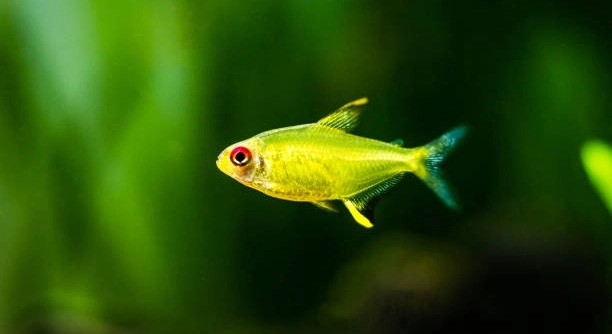
Lemon tetras are small, lively fish that brighten up any aquarium. Many fish owners notice their vibrant yellow color can fade quickly, leaving them looking dull and less lively over time. This change can be worrying.
The primary reason lemon tetras lose color rapidly is due to stress, poor water quality, and inadequate diet. Stressful environments and insufficient nutrients reduce pigmentation, while unstable water parameters can weaken their overall health, causing noticeable color fading in a short period.
Maintaining proper care and a balanced environment is essential for keeping lemon tetras vibrant. Understanding the factors behind color loss will help improve their well-being and longevity.
Understanding Stress in Lemon Tetras
Stress is one of the main reasons lemon tetras start losing their bright yellow color. Changes in their environment, overcrowding, or sudden movements in the tank can make them uneasy. Even small shifts, like moving the aquarium or changing the lighting, can cause stress. Stressed fish often hide more and swim less actively, which is a sign their health is being affected. Consistent stress over time weakens their immune system, making them more susceptible to illness. Stress also reduces their natural pigments, so even healthy tetras can start appearing pale or dull. Providing plenty of hiding spots, keeping a steady tank routine, and avoiding aggressive tankmates can reduce stress significantly. Regular observation is key. Noticing subtle changes in behavior early can prevent long-term color fading. Maintaining a calm environment is just as important as feeding and water quality for vibrant lemon tetras.
Stress impacts color by weakening pigmentation and overall health, causing tetras to appear pale and less lively.
Watching their behavior closely helps identify stress sources and improve tank conditions, restoring their natural brightness.
Water Quality and Its Effects
Poor water quality directly impacts lemon tetras’ appearance and health.
Dirty water, high ammonia, nitrite spikes, or unstable pH levels can weaken fish and make colors fade. Lemon tetras are sensitive to even minor changes in water chemistry. Frequent water changes, careful monitoring, and proper filtration help maintain stability. Clean water ensures they remain active, healthy, and colorful.
Consistent water quality is vital for maintaining lemon tetras’ vibrant yellow shades. Fish in unbalanced water often become lethargic, their fins may clump, and colors dull quickly. Sudden fluctuations in temperature or chemicals in tap water can also affect them. Keeping the tank stable with regular testing, partial water changes, and avoiding overcrowding reduces stress and supports pigmentation. Filtration should be efficient but gentle, avoiding strong currents that tire the fish. Providing a natural environment with plants and hiding spots helps them feel secure, further supporting their coloration. Observing water parameters regularly ensures issues are caught before they impact the fish’s health. Healthy water, combined with proper diet and care, allows lemon tetras to maintain their bright, lively appearance consistently.
Diet and Nutrition
A poor diet can quickly dull lemon tetras’ colors. They need a mix of high-quality flakes, frozen foods, and occasional live treats to stay vibrant. Lack of nutrients directly affects pigmentation and overall health, making color loss common in underfed or unbalanced fish.
Feeding only one type of food often leads to deficiencies. Lemon tetras require proteins, vitamins, and carotenoids for their bright yellow color. Carotenoids, found in foods like brine shrimp and certain flakes, support natural pigmentation. Rotating foods and offering occasional live or frozen treats ensures they get all essential nutrients. Overfeeding, however, can pollute the tank and stress the fish, so portion control is important. Balanced nutrition keeps them healthy, active, and colorful.
Ignoring dietary needs weakens the fish over time. A lack of variety reduces immune response, making them prone to disease. Proper feeding, combined with clean water and minimal stress, is essential for keeping their colors bright. Observing how they respond to different foods helps adjust portions and types, ensuring their vibrancy lasts.
Tank Environment
Small tanks or overcrowded conditions harm lemon tetras’ coloration. They thrive in well-planted, spacious aquariums with consistent lighting. Proper decorations, hiding spots, and gentle water flow make them feel secure and reduce stress.
Providing an environment that mimics their natural habitat encourages activity and healthy colors. Open swimming space and plants allow them to feel safe while exploring. Overcrowding causes stress, aggression, and weakens their immune system, leading to pale colors. Lighting should be steady but not too bright, and the temperature kept stable. Regular tank maintenance, along with thoughtful arrangement of decorations and plants, ensures a healthy environment. Even minor changes in layout or sudden movements can upset them, so consistency is key. A well-maintained tank promotes natural behavior, reduces stress, and helps lemon tetras retain their bright yellow tones.
Lighting and Its Role
Inadequate or harsh lighting can affect lemon tetras’ colors. Too little light makes them appear dull, while overly bright light stresses them, causing paleness. A balanced, consistent lighting schedule helps maintain their natural vibrancy and supports normal behavior.
Lighting also influences plant growth in the tank. Healthy plants create hiding spots and improve water quality, indirectly supporting the fish’s color. Using a timer ensures a steady day-night cycle, reducing stress. Adjusting brightness gradually after changes prevents sudden shocks that can fade pigmentation. Proper lighting, combined with clean water and a good diet, keeps lemon tetras bright and lively.
Disease and Illness
Color loss can indicate underlying illness in lemon tetras. Common issues include parasites, bacterial infections, or fungal problems. Sick fish often show faded color, lethargy, and clamped fins. Early detection is important to prevent serious health decline.
Breeding and Age
Younger lemon tetras or older fish naturally display less vibrant colors. Age and breeding cycles influence pigmentation, making some fading normal.
Stress from Tankmates
Aggressive or incompatible fish create ongoing stress. Constant chasing or bullying reduces lemon tetras’ color and activity. Properly selecting peaceful tankmates minimizes stress and helps maintain brightness.
Why are my lemon tetras suddenly losing color?
Lemon tetras lose color mostly due to stress, poor water quality, or an inadequate diet. Changes in their environment, overcrowding, or aggressive tankmates can cause stress. Unstable water parameters, like spikes in ammonia, nitrites, or pH shifts, also affect their health. Diets lacking nutrients, especially carotenoids, reduce pigmentation.
How can I improve my lemon tetras’ color?
Improving water quality is essential. Regular partial water changes and proper filtration stabilize the tank. Feeding a varied diet with high-quality flakes, frozen foods, and occasional live foods ensures proper nutrition. Adding plants and hiding spots reduces stress. Maintaining consistent lighting and a stable temperature helps preserve natural pigmentation.
Is color loss always a sign of illness?
Not always. Some fading is normal during stress, age, or breeding cycles. However, sudden or extreme color loss combined with lethargy, clamped fins, or loss of appetite may indicate disease. Early detection and treatment are important to prevent serious health problems.
Can tank size affect my lemon tetras’ color?
Yes. Small or overcrowded tanks create stress and competition, causing pale colors. Lemon tetras thrive in spacious aquariums with proper swimming space, plants, and hiding spots. Providing enough room reduces stress, encourages natural behavior, and helps maintain vibrant coloration.
How often should I change the water?
Partial water changes of 20-25% weekly are recommended. Frequent testing of ammonia, nitrites, nitrates, and pH ensures a stable environment. Sudden or large water changes can stress fish, so gradual adjustments are best. Clean, stable water directly supports bright coloration and overall health.
What foods help enhance lemon tetras’ color?
Carotenoid-rich foods like brine shrimp, daphnia, or specially formulated color-enhancing flakes are best. A mix of proteins, vitamins, and minerals is necessary for healthy pigmentation. Rotating foods prevents deficiencies and encourages natural activity. Overfeeding should be avoided, as it can pollute the tank and stress the fish.
Can lighting affect coloration?
Yes. Balanced, consistent lighting supports natural colors. Too little light dulls appearance, while overly bright light stresses them. Using a timer to maintain a day-night cycle helps. Lighting also benefits plants, which provide hiding spots and improve water quality, indirectly supporting the fish’s color.
How do I know if my fish are stressed?
Signs of stress include hiding, clamped fins, rapid breathing, or loss of appetite. Pale or faded color is also a key indicator. Addressing environmental factors, adjusting tankmates, and maintaining stable water conditions can reduce stress and restore natural pigmentation.
Do breeding or age affect color?
Yes. Younger fish may have less intense colors, while older tetras gradually lose brightness. During breeding cycles, males and females may display temporary color changes. This is natural and not usually a health concern unless accompanied by other stress or illness signs.
When should I consider medication?
Medication is only necessary if color loss is linked to disease or parasites. Always identify the issue first, as unnecessary medication can further stress fish. Observing behavior, appetite, and physical symptoms helps determine the proper treatment and supports recovery without harming the aquarium ecosystem.
Can tankmates cause fading?
Aggressive or incompatible tankmates create ongoing stress, leading to dull colors. Lemon tetras do best with peaceful species. Avoid housing them with large or territorial fish. Proper selection reduces conflict, allows free swimming, and helps them maintain their natural brightness.
How long does it take for colors to return?
With proper care, color improvement can be seen within a few weeks. Consistent water quality, a balanced diet, stress reduction, and a stable environment all contribute. Full restoration depends on the individual fish’s health, age, and severity of color loss.
Are there permanent causes of fading?
Some fading is permanent, especially in older fish or those genetically prone to duller colors. Stress or illness-related fading can usually be reversed, but age-related or genetic changes may naturally limit vibrancy. Observing and supporting overall health maximizes their appearance for as long as possible.
What daily practices help maintain color?
Feeding a varied diet, monitoring behavior, checking water parameters, and keeping a calm environment are key. Avoid sudden changes in lighting or tank layout. Regular cleaning and gentle handling prevent stress, ensuring lemon tetras stay active and colorful over time.
How important is temperature stability?
Temperature swings stress lemon tetras and can fade colors. Keep water within their ideal range, typically around 74-78°F. Gradual adjustments during changes prevent shock. Stable temperatures support metabolism, digestion, and pigmentation, which all contribute to maintaining vibrant yellow shades.
Can decorations or plants influence color?
Yes. Plants and hiding spots provide security and reduce stress. Open swimming areas allow natural movement, while shaded areas give comfort. Natural or soft-colored decorations prevent overstimulation. A well-structured tank environment promotes confidence and activity, helping preserve bright coloration.
Are color-enhancing supplements necessary?
They can help if the diet lacks natural carotenoids. Supplements should complement, not replace, a balanced diet. Overuse is unnecessary and can pollute the tank. Combining supplements with proper feeding, water quality, and stress management is the most effective way to maintain vibrant lemon tetra colors.
How do I prevent future color loss?
Consistent care is the key. Maintain stable water conditions, provide a varied diet, reduce stress, and select compatible tankmates. Monitor behavior and appearance regularly. Addressing problems early ensures lemon tetras remain healthy, active, and bright, preventing long-term or repeated color fading.
Lemon tetras are small, lively fish that bring a lot of brightness to any aquarium, but their color can fade quickly if they are not properly cared for. Maintaining their vibrant yellow shades requires attention to multiple factors, including water quality, diet, tank environment, and stress levels. Each of these aspects plays a role in how healthy and colorful the fish appear. Water that is not clean or stable can weaken their immune systems and affect pigmentation. Similarly, an unbalanced diet lacking essential nutrients like proteins and carotenoids can cause their colors to dull. Even minor stress, caused by overcrowding, aggressive tankmates, or sudden changes in the aquarium, can make the fish lose their natural brightness. Paying attention to these elements ensures that lemon tetras remain healthy and lively.
A balanced diet is critical for keeping lemon tetras colorful. Feeding them a variety of foods, such as high-quality flakes, frozen options, and occasional live treats, provides the vitamins and pigments they need. Foods rich in carotenoids, for example, help maintain the bright yellow color naturally. Overfeeding, however, can pollute the water and stress the fish, so portion control is equally important. Beyond diet, the aquarium setup plays a large role in their health. Lemon tetras need open swimming space, plants for hiding, and stable lighting to feel secure. A properly structured environment reduces stress, encourages natural behavior, and supports coloration. Observing the fish daily for changes in behavior, appetite, or appearance helps catch problems early, giving owners a chance to correct conditions before the fish’s health or color deteriorates.
Stress, disease, and aging are additional factors that can impact lemon tetras’ appearance. Some color changes are natural, especially as fish age or during breeding cycles. However, sudden or extreme fading often signals an issue in the tank, whether it is poor water quality, incompatible tankmates, or an underlying illness. Regular water testing, careful selection of tankmates, and attention to diet and environment are all practical steps to prevent fading. Even small improvements, like adding plants, adjusting lighting, or offering more hiding spots, can have a noticeable effect on the fish’s vibrancy. Ultimately, keeping lemon tetras bright and healthy is about creating a stable, clean, and supportive environment while meeting their nutritional needs. With consistent care, their natural color and energy can be maintained, making the aquarium a lively and visually pleasing space for both the fish and their owner.

Hello,
If you enjoy the content that we create, please consider saying a "Thank You!" by leaving a tip.
Every little bit helps us continue crafting quality advice that supports the health, happiness, and well-being of pets around the world, for pets of all shapes, sizes, and species.
We really appreciate the kindness and support that you show us!