
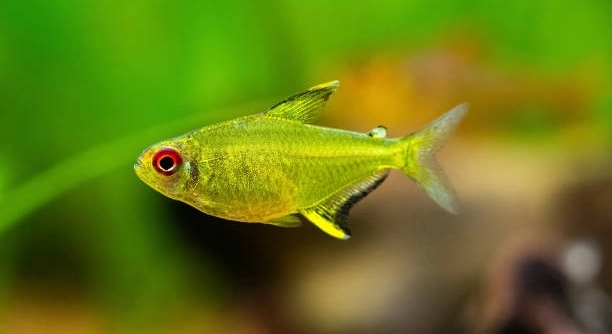
Lemon tetras are small, lively fish that brighten up any aquarium. They swim in schools, usually sticking close to the edges of the tank. Observing them, you might notice they rarely stay in the middle zone.
Lemon tetras avoid the middle zone due to a combination of stress, natural instincts, and environmental preferences. Staying near the tank edges or plants provides safety from predators and reduces exposure to bright lights or open water.
Learning about their swimming patterns can improve tank setups and make your fish feel more secure and comfortable in their environment.
Natural Instincts and Safety
Lemon tetras are naturally cautious fish. In the wild, they avoid open spaces to reduce the risk of predators. This instinct carries over to aquariums, where the middle zone feels exposed and less secure. Most tetras prefer swimming near plants, decorations, or the tank’s edges, which give them hiding spots and comfort. The presence of other fish also influences their position, as they rely on the school for protection. When the middle zone is empty or too bright, tetras may feel vulnerable, triggering stress behaviors like rapid swimming or hiding. Providing plenty of cover helps them feel safe and encourages calmer movement. Observing these behaviors can guide how you arrange your tank. Choosing taller plants, driftwood, or rocks in strategic spots can create secure pathways. These arrangements mimic natural habitats and reduce stress. Over time, tetras gradually feel more confident exploring larger areas while still having safe zones nearby to retreat to.
Lemon tetras often stick to edges because it satisfies their need for security and reduces anxiety.
Carefully designing the tank environment has a direct effect on how comfortable your fish feel. A balanced layout with shaded corners and plant clusters encourages natural swimming behaviors and can even improve overall health. Tetras that feel secure are more active, display brighter colors, and interact more naturally within the school. Removing sharp objects and keeping the water clean further supports their well-being. By paying attention to these details, you can create a space that aligns with their instincts. Over time, even the most timid tetras may gradually explore more of the tank, though they will still favor areas that offer shelter and safety.
Environmental Factors
Lighting, tank size, and water flow all influence swimming patterns.
Bright lights and strong currents often push tetras toward the edges, avoiding uncomfortable conditions.
Tetras are sensitive to their environment. Harsh lighting can make the middle zone overwhelming, while uneven water flow creates zones that are harder to navigate. Tanks that are too small or lack vertical space limit natural movement, making tetras feel cramped. Temperature fluctuations and sudden disturbances also contribute to their preference for the sides. By observing how your fish react, you can adjust conditions to reduce stress. Using dimmer lighting, gentle currents, and larger tanks with more hiding spots encourages tetras to explore more freely. Adding floating plants or decorations in the center can gradually make this zone more appealing. Consistent water parameters, including temperature and pH, play a key role in creating a comfortable environment. When these factors are well-maintained, tetras exhibit more natural, balanced swimming patterns and improved social behaviors. Understanding and responding to their environmental needs ensures your fish remain active, healthy, and vibrant.
Tank Layout and Decoration
Proper tank layout encourages safe swimming habits. Lemon tetras prefer areas with plants, rocks, or driftwood, which provide cover. Open middle zones without decoration feel exposed, so adding hiding spots reduces stress and promotes natural schooling behavior.
Decorating the tank strategically can make a big difference in how lemon tetras use the space. Tall plants along the edges, driftwood, or rock formations give them places to retreat when they feel uneasy. Floating plants can create shaded zones in the middle, slowly encouraging exploration. Avoid overcrowding decorations, as tetras need clear swimming paths. Over time, well-placed decorations make the tank feel secure while still allowing natural movement and interaction among the school.
Tank layout also affects water flow and current, which influence swimming patterns. Areas with strong currents in the middle may drive tetras to calmer edges. By combining plants, rocks, and gentle currents, you can create a balanced environment. Observing where tetras spend most of their time helps adjust placement, ensuring both safety and freedom to swim. Proper layout reduces stress, encourages schooling, and supports vibrant colors and healthy behaviors in your fish.
Social Behavior and Schooling
Lemon tetras rely on the school for safety and comfort. They tend to avoid the middle zone when alone or in small numbers.
Schooling behavior strongly influences their swimming preferences. In groups, tetras move together near edges or shaded areas, creating a sense of security. The middle zone feels exposed without enough companions to rely on. Stress levels rise when they are separated or when tank mates are aggressive, reinforcing their edge-focused swimming. Group size, compatibility, and placement of decorations all shape these patterns. Maintaining a consistent school with enough members helps them feel safe, confident, and active.
Social interactions also affect feeding and overall health. Tetras that feel secure in the school are more likely to eat evenly and show natural behaviors. Aggressive or incompatible tank mates can push them into hiding, often along the edges, increasing stress. Proper group size and peaceful companions allow tetras to interact without fear, encouraging more movement and exploration. Observing the dynamics within the school provides insight into their comfort levels, guiding adjustments in tank setup, decoration, and stocking strategies. Healthy social behavior ensures that your lemon tetras thrive physically and emotionally in their environment.
Water Quality and Temperature
Stable water conditions help lemon tetras feel secure. Sudden changes in temperature, pH, or ammonia levels push them toward the edges. Maintaining consistent water quality encourages calmer behavior and makes them more willing to explore different tank areas.
Clean water and balanced parameters reduce stress. Tetras are sensitive to fluctuations and may avoid the middle zone if conditions are uncomfortable. Regular testing and proper filtration ensure a healthy environment and support natural swimming patterns.
Lighting Conditions
Bright lights often drive tetras to the tank’s edges. They prefer dimmer areas that mimic natural shaded waters. Adjustable lighting and floating plants can help them feel safe and reduce stress, gradually encouraging more even tank exploration.
Feeding Patterns
Feeding habits influence swimming behavior. Lemon tetras move where food is available but remain cautious. Edge zones with cover feel safer during feeding times. By spreading food evenly and observing their approach, you can encourage more balanced use of the tank and reduce stress-related edge preference.
Observation and Adjustment
Watching tetras regularly helps identify stress or discomfort. Noticing their favorite spots and behaviors allows you to tweak decorations, water flow, or lighting to promote a safer, more comfortable environment throughout the tank.
FAQ
Why do lemon tetras avoid the middle zone of the tank?
Lemon tetras avoid the middle zone because it feels exposed and unsafe. In nature, these fish rely on plants, rocks, or other hiding spots to stay protected from predators. The edges and shaded areas of the tank replicate this safe environment. Bright lights, strong currents, or lack of cover make the center less appealing, so they instinctively stick to safer zones. Ensuring plenty of plants and gentle water flow can help them feel secure and gradually explore more areas of the tank.
Can lemon tetras eventually swim in the middle zone?
Yes, they can, but it often requires gradual adjustment. Adding floating plants, decorations, or shaded areas in the center gives them a sense of safety. Keeping water quality stable, providing a calm current, and maintaining a peaceful school encourages them to venture further from the edges. Over time, as they grow comfortable with their surroundings, the middle zone may become part of their normal swimming pattern. Patience is key, and sudden changes can stress them, pushing them back to the edges.
Does tank size affect their swimming behavior?
Tank size plays a significant role. Smaller tanks limit movement and reduce options for hiding, which often causes tetras to cluster along the edges. Larger tanks with adequate vertical and horizontal space allow them to spread out naturally. Proper decoration placement and multiple hiding spots are important in all tank sizes. Even in bigger tanks, edge zones remain their preferred refuge, but the extra space gives them more freedom to explore safely.
Do lemon tetras feel safer in schools?
Absolutely. Lemon tetras are schooling fish and rely on numbers for protection. Alone or in small groups, they tend to hide along edges more often. A well-sized school creates a sense of security, reducing stress and encouraging more balanced swimming throughout the tank. Observing the school’s cohesion helps ensure the fish feel safe. If some tetras are aggressive or incompatible, it can disrupt the group, forcing others to cling to the edges. Peaceful companions are essential for healthy social behavior and confidence in exploring the tank.
How does lighting affect their preference for edges?
Bright lighting can make the middle zone uncomfortable, as lemon tetras are naturally sensitive to exposure. Dimmer lights or floating plants that provide shade in the center create a more inviting environment. Lighting adjustments should be gradual. Sudden changes can cause stress, forcing tetras to retreat to their familiar safe zones along the edges. Balanced lighting also helps maintain healthy algae levels, supports plant growth, and encourages natural behavior.
Do decorations encourage exploration of the middle zone?
Yes, decorations play a critical role. Rocks, driftwood, and plants provide hiding spots that reduce anxiety. Strategically placing items in or near the middle zone makes it feel less exposed. Overcrowding should be avoided to keep swimming paths clear. Gradual changes in decoration placement allow tetras to explore the center without stress. Observing how they interact with the environment shows whether the setup is working. Adjusting decorations based on their comfort can lead to a more balanced use of the tank over time.
Can feeding routines influence their swimming patterns?
Feeding does affect where tetras swim. They often move toward food but remain cautious in exposed areas. Spreading food evenly across the tank encourages them to venture beyond the edges. Feeding at consistent times also helps establish predictable behavior, reducing anxiety. Over time, well-planned feeding routines can promote safer exploration of the middle zone while keeping them healthy and active.
What water conditions help lemon tetras feel safe?
Stable water temperature, pH, and cleanliness are essential. Sudden changes create stress, pushing tetras to the edges. Proper filtration and regular testing maintain a comfortable environment. Calm currents and minimal disturbances encourage natural swimming. By keeping water conditions consistent, tetras feel more confident, and they may gradually explore areas that once felt too exposed.
How long does it take for them to feel comfortable in the middle?
There is no exact timeline, as it depends on tank setup, school size, decorations, lighting, and water conditions. Some tetras may start exploring the middle within days if the environment is ideal. Others may take weeks or months. Patience and careful observation are key. Gradual adjustments rather than sudden changes provide the safest way to encourage them to move freely.
Are there signs of stress if they avoid the middle too much?
Yes. Rapid swimming along edges, hiding excessively, loss of color, or reduced feeding can indicate stress. Avoiding the middle is natural, but extreme edge clinging often signals discomfort. Checking water quality, adjusting decorations, improving lighting, and ensuring a peaceful school can help alleviate stress. Regular observation helps catch early signs and maintain a healthy, comfortable tank.
This FAQ highlights how environment, social structure, and careful care influence lemon tetras’ swimming behavior, giving practical steps to support their comfort and well-being.
Lemon tetras are small, delicate fish that rely heavily on their instincts and environment to feel safe. Observing them in the tank, it becomes clear that they have a strong preference for the edges and areas with cover. This behavior is rooted in their natural need for security. In the wild, they would stay close to plants and rocks to hide from predators, and this instinct remains even in an aquarium. By understanding this natural behavior, fishkeepers can create a tank setup that meets their needs. Simple changes, like adding plants along the edges, placing driftwood or rocks in strategic spots, and ensuring gentle water flow, can make a big difference in how comfortable the fish feel. A comfortable fish is more active, more colorful, and more likely to engage in natural schooling behavior, which is a sign of overall health.
Maintaining a stable environment is equally important. Lemon tetras are sensitive to water conditions, including temperature, pH, and cleanliness. Sudden fluctuations can cause stress, leading them to cling to the edges even more tightly. Keeping the water clean, monitoring parameters regularly, and providing a calm current can help them feel secure. Lighting also plays a role, as bright lights or exposed open spaces can make the middle zone of the tank feel unsafe. Adding floating plants or shaded areas in the center encourages gradual exploration without forcing the fish into stressful situations. A well-maintained tank allows tetras to balance their natural instincts with the freedom to explore, promoting healthier behaviors and longer lifespans. Observing the fish regularly helps identify potential issues early and adjust the environment as needed.
Social behavior is another factor that strongly affects swimming patterns. Lemon tetras are schooling fish and feel most secure in groups. A larger, peaceful school reduces anxiety and encourages them to explore more of the tank. If they are kept alone or with aggressive tank mates, they will stick even more to the edges, avoiding the middle zone entirely. Providing enough companions and ensuring compatibility within the group supports natural behaviors. Decorations, water quality, and lighting all interact with social dynamics to create a balanced environment. By paying attention to these details, fishkeepers can help their tetras thrive physically and emotionally. The combination of proper tank setup, stable conditions, and a supportive school creates an environment where lemon tetras feel safe, healthy, and active, making it easier for them to explore and enjoy their space while still respecting their natural instincts.

Hello,
If you enjoy the content that we create, please consider saying a "Thank You!" by leaving a tip.
Every little bit helps us continue crafting quality advice that supports the health, happiness, and well-being of pets around the world, for pets of all shapes, sizes, and species.
We really appreciate the kindness and support that you show us!