
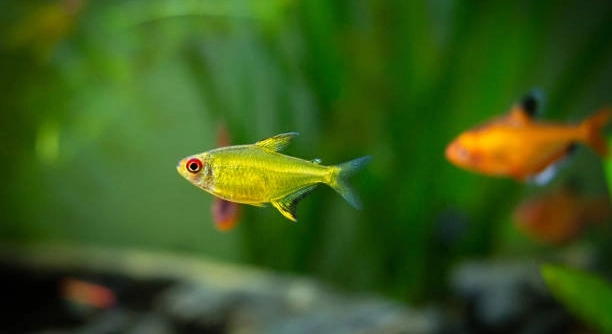
Lemon tetras are small, bright fish that bring life to any aquarium. Keeping them active and happy is important for their health and well-being. Simple changes in their environment can make a big difference in their daily behavior.
Lemon tetras require mental and physical stimulation to thrive. Providing a variety of plants, hiding spots, floating objects, and interactive tank elements encourages natural swimming patterns, reduces stress, and promotes overall health. A well-structured environment keeps them consistently engaged.
Learning how to enrich their tank is easier than it seems. Small adjustments can lead to noticeable changes in their activity and social interactions. Understanding these strategies helps create a lively, balanced aquarium environment.
Varied Plant Decorations
Adding different types of plants in the tank can significantly improve your lemon tetras’ environment. Live plants like java moss or hornwort provide hiding spots and areas to explore, while artificial plants offer color and structure without affecting water quality. Plants create natural boundaries in the tank, which helps reduce aggression and promotes peaceful schooling. Varying plant height and texture encourages your tetras to swim through different areas, exploring both the top and bottom of the tank. Floating plants also give them shaded areas, which reduce stress and simulate their natural habitat. Rotating plant arrangements occasionally keeps their environment fresh and engaging, preventing boredom. Dense plant clusters near the back of the tank provide security, while open spaces near the front encourage social interaction and swimming displays. Plants also help maintain water quality by absorbing nitrates, indirectly supporting healthier fish behavior. Incorporating both anchored and free-floating plants creates layers for exploration and visual interest.
Lemon tetras respond well to a mix of live and artificial plants, which keeps their tank stimulating and secure.
Changing plant arrangements periodically can encourage movement and interaction, ensuring the tetras remain active and curious in their habitat.
Floating Toys and Objects
Small floating objects in the aquarium provide instant entertainment for lemon tetras. They enjoy investigating things that drift or float, adding mental stimulation to their day.
Adding floating toys or lightweight items, such as ping pong balls or leaf-shaped floats, encourages your lemon tetras to chase and interact naturally. Observing their playful behavior is rewarding, as they often swim under or around these objects, improving coordination and exercise. Floating objects create varying currents and obstacles, simulating small challenges found in natural waters. You can occasionally move or change the objects’ positions to maintain interest and prevent the fish from becoming accustomed to one setup. Some tetras enjoy tiny mirrors or reflective surfaces placed outside the tank, though this should be limited to avoid stress. Pairing floating objects with plants and hiding spots creates a dynamic environment where lemon tetras can swim freely, dart, or hover around structures. This combination of movement, exploration, and curiosity ensures they are both physically active and mentally engaged for long periods. Observing these behaviors helps understand their preferences and ensures their environment stays lively.
Schooling Companions
Lemon tetras thrive in groups, and having enough companions keeps them active and confident. They exhibit natural schooling behavior, swimming together in synchronized patterns, which reduces stress and encourages exploration.
Keeping at least six lemon tetras together helps maintain their social structure. Groups allow them to display natural behaviors, like coordinated movements and following each other through plants or around obstacles. Isolated tetras often become shy, hiding frequently or showing slower swimming, which can affect their overall health. In a properly sized tank, a small school can interact dynamically, enhancing activity and mental stimulation. This grouping also helps reduce bullying and establishes a natural pecking order. Observing their interactions provides insight into their moods and preferences.
When tetras are kept in adequate groups, their energy levels increase, and they engage in continuous movement. Social dynamics are key to keeping their environment lively and ensuring each fish feels secure and confident.
Light and Color Variations
Adjusting light and color in the tank keeps lemon tetras alert and curious. They respond to different lighting levels and colorful decorations, which mimic natural environments.
Using adjustable lighting schedules, from soft daytime illumination to dim evening tones, encourages normal activity patterns. Bright areas invite exploration, while shaded regions offer rest and security. Colored backgrounds or subtle decor changes provide visual interest without causing stress. Light reflections on water or objects simulate ripples, stimulating curiosity and playful behavior. Observing the tetras under these varying conditions reveals their preferences and energy peaks. Balanced lighting helps maintain circadian rhythms and reduces lethargy.
In addition to overhead lighting, subtle color contrasts within the tank create depth and areas for focused exploration. Mixing light and dark zones, along with reflective surfaces or colored substrates, gives lemon tetras different visual cues. This variation prompts swimming in multiple directions, investigating spaces, and interacting with tank elements more frequently. Maintaining a consistent yet dynamic lighting approach supports their natural behaviors, keeps them engaged, and promotes healthier activity throughout the day.
Hiding Spots
Lemon tetras enjoy having places to hide and rest. Small caves, rocks, or dense plant areas provide security and reduce stress, letting them explore at their own pace.
Hiding spots also encourage natural behavior. Tetras feel safe darting in and out, which keeps them active and engaged throughout the day.
Gentle Water Flow
A mild water current stimulates swimming and exploration. Lemon tetras often follow the flow, which mimics their natural habitat and promotes physical activity.
Feeding Variety
Offering a mix of foods keeps lemon tetras interested in mealtime. Flakes, frozen, and live foods provide nutrition and encourage foraging behavior, keeping them active and mentally stimulated.
Mirror Interaction
Occasional use of a small mirror can entertain lemon tetras. They often react to their reflection by swimming and showing playful movements.
FAQ
How many lemon tetras should I keep together?
Lemon tetras are social fish and feel most comfortable in small schools. Keeping at least six together allows them to display natural behaviors like schooling and synchronized swimming. Smaller groups may lead to shyness or hiding, reducing their activity and overall well-being. Observing their interactions in groups helps you understand their social structure and ensures a lively, engaging tank environment.
What type of plants are best for lemon tetras?
A mix of live and artificial plants works well. Live plants like java moss, hornwort, and anubias provide hiding spots and improve water quality by absorbing nitrates. Artificial plants offer color and structure without maintenance. Varying height and texture encourages swimming through different areas, creating exploration opportunities. Floating plants add shade and mimic natural conditions, while dense clusters at the back give security, and open areas in the front promote social interaction. Regularly changing the plant layout keeps the environment stimulating and reduces boredom.
Can lemon tetras live with other fish?
Yes, lemon tetras are peaceful and do well with other small, non-aggressive species. Compatible tank mates include small rasboras, guppies, and dwarf corydoras. Avoid larger or aggressive fish that could stress or harm them. Maintaining a balanced population prevents overcrowding and allows each species to have enough space. Observing interactions helps prevent bullying or competition for food. A carefully planned community tank enhances activity, reduces stress, and keeps all fish healthy.
How often should I feed lemon tetras?
Feeding small amounts two to three times daily is ideal. Overfeeding can lead to poor water quality and health issues. Provide a variety of flakes, frozen foods, or live options like brine shrimp or daphnia. Rotating food types encourages natural foraging behaviors and mental stimulation. Feed only what they can consume within a few minutes to avoid leftover waste. A consistent feeding routine helps maintain energy levels and keeps the tetras engaged and active throughout the day.
Do lemon tetras need special lighting?
Moderate lighting that mimics a natural day-night cycle works best. Soft daytime illumination encourages exploration, while dim evening light allows rest. Using adjustable lighting helps maintain circadian rhythms. Colored backgrounds or decorations create visual interest and stimulate curiosity. Light reflections or gentle ripples encourage playful swimming and exploration. Consistent yet varied lighting supports natural behaviors and prevents lethargy, keeping tetras active and engaged.
How can I tell if my tetras are happy?
Active swimming, schooling behavior, and regular interaction with plants or objects indicate contentment. Bright, consistent coloration also shows good health. Tetras that hide excessively, swim erratically, or appear dull may be stressed or ill. Observing their energy, behavior, and response to feeding helps gauge their overall well-being. Providing a stimulating environment with plants, companions, and varied feeding ensures they remain lively and healthy.
Is it okay to use mirrors in the tank?
Mirrors can provide occasional stimulation, but only for short periods. Lemon tetras may react to their reflection by swimming actively or displaying playful movements. Limit exposure to avoid stress or aggression, and remove the mirror after a few minutes. Used carefully, mirrors can encourage exercise and curiosity, keeping the tetras mentally engaged without negatively affecting their social behavior.
What water conditions do lemon tetras prefer?
They thrive in slightly acidic to neutral water with temperatures between 72°F and 78°F. Maintaining stable pH and temperature reduces stress and promotes active swimming. Regular water changes and monitoring for ammonia, nitrites, and nitrates are essential. A clean, stable environment supports health, reduces disease risk, and encourages natural behaviors. Proper water conditions combined with enrichment strategies help keep lemon tetras lively, social, and engaged in their tank.
How can I encourage natural behaviors?
Provide a combination of hiding spots, plants, floating objects, and gentle currents. A small school of tetras allows social interaction and coordinated swimming. Rotating decorations and varying food types also stimulates exploration. Adjusting lighting, adding occasional mirrors, and monitoring water quality create a balanced environment where tetras can exhibit natural behaviors, stay active, and remain mentally stimulated. Regular observation lets you refine their habitat and maintain a lively aquarium.
Are there signs of boredom in lemon tetras?
Yes, tetras that hide excessively, swim aimlessly, or show reduced coloration may be bored or stressed. Lack of interaction with tank elements or companions is another indicator. Providing varied plants, objects, and proper companions, along with regular environmental changes, helps prevent boredom. Ensuring enrichment and social opportunities keeps lemon tetras active, healthy, and engaged in their surroundings.
Lemon tetras are small but lively fish that thrive when their environment keeps them engaged. They are naturally curious, social, and active, so a well-planned tank is essential for their happiness. Providing a mix of live and artificial plants, hiding spots, and open swimming areas creates a balanced habitat. Plants not only offer shelter but also encourage exploration and allow the tetras to exhibit natural behaviors like darting through foliage and swimming in coordinated groups. Floating plants or gentle surface cover give them shaded areas where they can rest safely. Adjusting the tank layout occasionally keeps their surroundings interesting, which reduces boredom and stress.
Social interaction is another key factor in keeping lemon tetras entertained. These fish feel more confident and active when kept in schools of six or more. A small group encourages schooling behavior, synchronized swimming, and playful chasing, which all contribute to physical activity and mental stimulation. They respond well to companions of similar size and temperament, and observing the group helps identify how individual tetras interact and behave. Providing a variety of tank elements such as floating toys, gentle water currents, and reflective surfaces also encourages movement and curiosity. Small adjustments, like rotating decorations or changing the placement of plants, can have a significant impact on keeping them engaged and healthy.
Feeding and water conditions are equally important for maintaining their activity levels. A varied diet including flakes, frozen, and live foods encourages natural foraging behaviors and prevents mealtime from becoming routine or dull. Overfeeding should be avoided, as leftover food can reduce water quality and affect overall health. Maintaining stable water conditions, including temperature, pH, and clean water through regular changes, ensures they remain energetic and free from stress or illness. Gentle lighting changes, occasional use of mirrors, and safe exploration areas complement these basic needs by stimulating natural behaviors. By focusing on creating a dynamic and stable environment, lemon tetras can remain active, social, and engaged, making them a lively and enjoyable addition to any aquarium.

Hello,
If you enjoy the content that we create, please consider saying a "Thank You!" by leaving a tip.
Every little bit helps us continue crafting quality advice that supports the health, happiness, and well-being of pets around the world, for pets of all shapes, sizes, and species.
We really appreciate the kindness and support that you show us!