
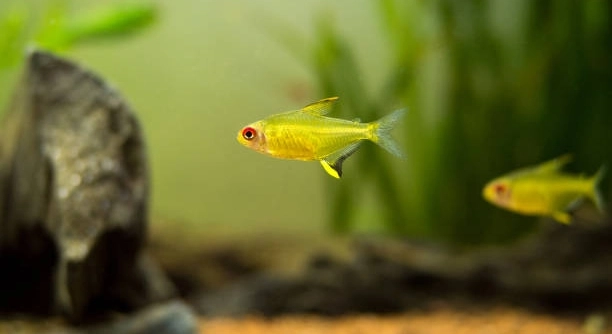
Do you ever worry about how your Lemon Tetra will cope when the lights go out unexpectedly? Sudden power outages can disrupt their environment and leave you wondering how to keep your fish safe and healthy.
Lemon Tetras can survive short-term power outages if their tank conditions remain stable. Maintaining water temperature, oxygen levels, and minimizing stress are crucial factors in ensuring their survival during temporary electricity loss.
Knowing how to support your fish during these events can make a big difference. Simple preparations and awareness will help you protect your Lemon Tetras from avoidable harm.
How Power Outages Affect Lemon Tetras
A power outage can quickly change the conditions in your tank, affecting your Lemon Tetras more than you might expect. Without a filter or heater running, water circulation slows, oxygen levels drop, and temperature can shift. Even a few hours without electricity can stress your fish, making them more susceptible to illness. Observing their behavior during and after the outage can provide clues about their wellbeing. They may become sluggish, hide more than usual, or lose their bright coloration temporarily. Tank size and the number of fish also matter; smaller tanks experience faster temperature and oxygen changes. It is important to plan for outages in advance. Simple measures like battery-operated air pumps or portable heaters can help maintain a stable environment. Even minor preparations can significantly reduce stress on your fish. Keeping extra water and basic supplies ready is a practical step to protect their health during unexpected events.
Maintaining stable water conditions is key to helping Lemon Tetras survive outages. Even small changes can impact them.
Preparing for power outages ensures your fish stay healthy. Simple tools and careful observation make a noticeable difference in their survival and comfort.
Steps to Protect Lemon Tetras During Outages
Using a battery-operated air pump or keeping a small backup heater can help maintain essential tank conditions.
Before an outage occurs, ensure your tank is clean, water parameters are stable, and oxygen levels are sufficient. During a power cut, minimize feeding, as uneaten food can decay and reduce water quality. Keep the tank in a stable room temperature environment, away from drafts or direct sunlight, to avoid sudden temperature swings. Consider insulating the tank with blankets or foam to slow heat loss. Monitoring your fish closely for stress signs such as rapid gill movement or erratic swimming is crucial. After power is restored, gradually restart filtration and heating systems. Performing a partial water change can help restore water quality if necessary. These small but consistent actions reduce the risks that come with electricity loss and maintain a safe habitat for your Lemon Tetras. Regular preparedness makes managing outages less stressful and helps ensure the long-term health of your fish.
Signs of Stress in Lemon Tetras
Lemon Tetras show stress through changes in behavior and appearance. They may swim less, hide more, or lose their bright yellow coloring. Rapid gill movement and clamped fins are also clear indicators that the fish are struggling with their environment.
Stress in Lemon Tetras often comes from sudden changes in water quality or temperature. During a power outage, oxygen levels can drop, and water may become too warm or cold. Stressed fish may stop eating or become lethargic. Observing these signs early allows you to take quick action, such as gently aerating the water or adjusting the tank environment to reduce discomfort. Consistent monitoring after an outage helps prevent long-term health issues and keeps your Tetras active and healthy.
Behavioral changes may persist even after the power returns. Lemon Tetras might remain cautious or swim near the surface. Ensuring proper tank conditions and gradual restoration of normal routines supports their recovery and helps rebuild their usual activity levels. Small, patient steps make a noticeable difference in returning their health and vibrancy.
Maintaining Water Quality During Outages
Keeping water clean is essential to prevent stress and illness in Lemon Tetras. Even short-term changes can cause significant harm.
Without filtration, waste and uneaten food quickly affect water quality. Ammonia and nitrite levels can rise, harming fish. Using a battery-operated air pump or occasional gentle water stirring helps oxygenate the tank. Avoid overfeeding, and prepare spare water with similar temperature and pH to replace small amounts if needed. Checking water parameters before and after an outage ensures the environment remains stable and safe. Preventing sudden chemical changes is key to maintaining fish health and comfort during power interruptions.
After power is restored, filtration and aeration should resume slowly to avoid shocking the fish. Partial water changes may be necessary if water quality has declined. Gradually returning the tank to its normal state helps stabilize oxygen levels, temperature, and overall chemistry. Monitoring your Lemon Tetras closely during this time is important to detect lingering stress or early signs of illness. Consistent attention and careful restoration of conditions ensure they recover fully and continue to thrive in a healthy environment.
Preparing Your Tank in Advance
Having basic preparations ready can reduce risks during a power outage. Extra water, a battery-operated air pump, and a small heater are useful. Keeping the tank clean and monitoring water parameters regularly ensures your Lemon Tetras are less affected when electricity is lost.
Stocking spare supplies like dechlorinated water and backup aeration devices can make a noticeable difference. These tools allow you to maintain stable conditions temporarily and reduce stress on your fish. Small, proactive steps often prevent bigger problems and give you peace of mind during outages.
Feeding Adjustments During Outages
Avoid feeding your Lemon Tetras when the tank lacks proper filtration. Uneaten food can decay quickly, lowering water quality and stressing the fish.
Using Backup Power Options
Battery-operated air pumps and portable heaters provide temporary solutions. These tools help maintain oxygen levels and stable temperatures until electricity returns.
Observation After Power Returns
Monitor your Lemon Tetras closely after power is restored. Look for lingering stress signs, changes in behavior, or decreased appetite to ensure they are recovering properly.
FAQ
How long can Lemon Tetras survive without power?
Lemon Tetras can survive a few hours without power if the tank is stable and oxygen levels remain sufficient. Smaller tanks are more sensitive to changes, so the environment can deteriorate faster. Proper preparations and monitoring during outages increase their chances of staying healthy.
What should I do immediately during a power outage?
First, ensure the room temperature is stable and avoid sudden drafts or direct sunlight on the tank. Reduce feeding to prevent water contamination. Using a battery-operated air pump or gently stirring the water helps maintain oxygen levels. Monitoring your fish for stress signs is essential.
Do I need a backup heater?
Yes, a portable heater can help maintain water temperature during extended outages, especially in colder climates. Even a small fluctuation can stress Lemon Tetras. Make sure the backup heater is safe for the tank size and easy to operate without electricity.
Is it okay to use a battery-operated air pump?
Battery-operated air pumps are very useful during outages. They help circulate water and maintain oxygen levels, reducing stress on your fish. Keep spare batteries available, and test the pump beforehand to ensure it runs reliably when needed.
Should I change the water during a power outage?
Minor water changes can be helpful if water quality begins to decline, but avoid drastic changes that may shock the fish. Use water at the same temperature and pH to maintain stability. Small, careful adjustments protect your Lemon Tetras from stress.
How do I know if my fish are stressed?
Signs of stress include clamped fins, sluggish swimming, hiding, loss of color, and rapid gill movement. Observing these behaviors early allows you to act quickly to stabilize their environment. Consistent monitoring before, during, and after outages is important for recovery.
Can I use candles or other heat sources near the tank?
Avoid using candles or unsafe heat sources, as they can cause sudden temperature spikes or accidents. Only use safe, tank-approved heaters or insulated materials to maintain warmth. Stability matters more than intensity when protecting your Lemon Tetras.
Do Lemon Tetras need extra care after a power outage?
Yes, after power returns, monitor their behavior, water quality, and feeding. Gradually restart filters and heaters, and perform small water changes if needed. Observing them closely ensures that any lingering stress or minor issues are addressed promptly.
How can I prevent stress in the long term?
Keeping the tank clean, maintaining stable water parameters, and having basic backup tools ready will reduce stress during outages. Regular observation helps catch small issues before they become serious. Planning ahead keeps your Lemon Tetras healthy and vibrant.
Are there signs that indicate long-term damage after an outage?
Long-term effects include persistent color fading, reduced activity, frequent hiding, or irregular breathing. If these occur, test water parameters, perform partial water changes, and maintain proper tank conditions. Early intervention improves recovery and reduces lasting harm.
Is it necessary to have an emergency plan for every outage?
Yes, having a simple plan with backup aeration, optional heating, and prepared water ensures you can act quickly. Even short outages can affect smaller tanks more significantly, so proactive steps prevent unnecessary stress and health issues.
Can overcrowding worsen the effects of a power outage?
Overcrowding increases stress because oxygen depletes faster and waste accumulates more quickly. Maintaining an appropriate number of Lemon Tetras per tank helps minimize risks during electricity loss and supports healthier conditions overall.
How often should I check water parameters during an outage?
If the outage is prolonged, check temperature and oxygen levels periodically. Small changes can escalate quickly, especially in smaller tanks. Simple monitoring allows timely adjustments and helps maintain a stable environment for your fish.
Are there signs that a fish might not survive a long outage?
Extreme lethargy, gasping at the surface, clamped fins, and faded coloration indicate severe stress. Immediate action like aerating the water or partial water changes may improve survival chances, but prolonged outages without intervention can be fatal.
What are the most important tools to have on hand for an outage?
A battery-operated air pump, a portable heater, spare batteries, dechlorinated water, and basic testing kits are essential. These tools allow you to maintain a safe environment, stabilize conditions, and reduce stress for your Lemon Tetras during electricity loss.
Can multiple small interventions help more than one large change?
Yes, small, gradual actions are better than sudden, drastic changes. Gradual aeration, careful water replacement, and monitoring prevent shocking the fish and allow them to adjust while maintaining stability in the tank environment.
How long does it take for Lemon Tetras to recover after a short outage?
Recovery time varies based on stress level, tank conditions, and fish health. Minor stress might be resolved in hours, while more serious effects may take several days. Close observation and stable conditions support faster recovery and reduce long-term impacts.
Should I quarantine stressed fish after an outage?
Quarantine is not usually needed unless fish show signs of illness. Focus on restoring normal tank conditions and water quality. Isolating healthy fish unnecessarily can create additional stress. Only quarantine if disease symptoms appear.
Can power outages affect breeding or fry survival?
Yes, sudden environmental changes can harm eggs or fry, as they are more sensitive to temperature, oxygen, and water quality shifts. Maintaining stable conditions and monitoring closely are essential to protect young Lemon Tetras during outages.
Is there a way to simulate an outage safely for practice?
Yes, turning off equipment briefly while monitoring water parameters allows you to test your emergency plan. This helps ensure backup tools function properly and prepares you to respond quickly in a real outage.
How important is insulation for the tank?
Insulation can slow temperature changes, helping maintain stability during power loss. Wrapping the tank with blankets or foam is safe, but avoid covering the top completely to allow gas exchange and prevent oxygen depletion.
Can I use fans or ice packs to adjust temperature safely?
Fans can cool tanks too quickly, and ice packs may cause sudden drops. Only use methods that create gradual, controlled temperature changes. Sudden fluctuations are more harmful than moderate temperature shifts.
How often should I prepare for potential outages?
Check backup tools and supplies regularly, at least every few months. Batteries, air pumps, and spare water should be ready at all times. Preparedness reduces stress on both you and your Lemon Tetras during unexpected events.
What is the biggest mistake fish owners make during outages?
The most common mistake is inaction or overreacting. Failing to provide oxygen or making sudden drastic changes both increase stress. Calm, measured steps maintain stable conditions and improve the chances of survival for Lemon Tetras.
Can multiple small tanks be safer than one large tank?
Multiple small tanks can limit risk if one experiences an issue, but each requires monitoring. Small tanks are more sensitive to parameter changes, so consistent observation and preparation remain critical regardless of tank size.
Is it necessary to adjust lighting during a power outage?
Lighting is less critical than oxygen and temperature. However, sudden darkness or intense sunlight can affect behavior. Keeping the tank in stable light conditions helps reduce stress and maintains a normal routine for your fish.
Are there alternative methods to aerate the tank without electricity?
Manual methods, such as gently stirring the water or using a siphon to create movement, can increase oxygen temporarily. These are helpful for short outages but are not as reliable as battery-powered pumps for extended periods.
How long should I continue monitoring after power is restored?
Continue observing for at least 24 to 48 hours after power returns. Some stress effects appear slowly, and consistent monitoring ensures you can respond to any lingering issues before they worsen.
What are early warning signs that water quality is declining?
Cloudy water, foul odors, rapid gill movement, and sudden behavioral changes indicate water quality problems. Immediate partial water changes or aeration can prevent serious stress or illness.
Can plants help maintain water quality during outages?
Live plants absorb some waste and produce oxygen, which can slightly reduce stress during short outages. However, they are not sufficient to replace filtration or proper aeration for extended periods.
Is it safe to use chemical additives during an outage?
Only use additives designed for emergency oxygenation or water stabilization, and follow instructions carefully. Overuse can harm your fish. Keep these products on hand for rare emergencies rather than as a regular solution.
How do I keep track of supplies and tools?
Organize a small emergency kit near the tank. Label backup air pumps, heaters, batteries, and water containers so you can access them quickly. Regularly check expiration dates and battery life to ensure readiness.
Can stress from a power outage lead to long-term illness?
Yes, prolonged or repeated stress can weaken the immune system, making Lemon Tetras more prone to disease. Maintaining stable conditions and quick interventions help minimize the risk of long-term health problems.
What should I do if a fish becomes sick after an outage?
Test water parameters, perform partial water changes, and isolate the sick fish if necessary. Provide optimal tank conditions and observe for improvement. Seek veterinary advice if symptoms persist to prevent further complications.
How often should I review my emergency plan?
At least twice a year, check that all equipment is functional and supplies are stocked. Updating your plan ensures that you are prepared for unexpected outages and that your Lemon Tetras remain safe and healthy.
Is it necessary to inform others in the household about the plan?
Yes, everyone should know where backup tools are stored and how to operate them. Coordinated action reduces confusion and ensures quick responses, protecting your Lemon Tetras from stress and environmental hazards.
Can a short outage ever be completely harmless?
Yes, if the tank is large, well-maintained, and oxygen levels remain sufficient, a brief outage may have little to no impact. Still, preparation ensures you can handle longer or more frequent power interruptions safely.
How can I make the tank more resilient to future outages?
Regular maintenance, appropriate stocking levels, live plants, and backup equipment make the tank more stable. Being proactive reduces stress on your Lemon Tetras and ensures they can withstand temporary environmental changes with minimal impact.
Final Thoughts
Lemon Tetras are delicate fish that rely heavily on a stable environment to stay healthy. Power outages, even short ones, can disrupt their tank conditions, affecting oxygen levels, water temperature, and overall water quality. Understanding the risks and taking small, proactive steps can make a noticeable difference in how your fish cope. Simple measures like having a battery-operated air pump, a portable heater, and spare dechlorinated water on hand help maintain a safe environment. Regular monitoring of water parameters and observing your fish’s behavior is essential, especially during and after an outage. These small actions can prevent stress and keep your Lemon Tetras active, colorful, and healthy, even when electricity is lost temporarily. Preparing in advance is not difficult, but it can greatly reduce the stress your fish experience during unexpected events.
It is important to remember that water quality and oxygen levels are more critical than lighting during an outage. Lemon Tetras can tolerate temporary darkness, but sudden changes in water conditions can quickly affect their health. During a power cut, avoid overfeeding because uneaten food can quickly decay, producing harmful chemicals like ammonia. Gently stirring the water or using an air pump helps maintain oxygen and circulation. After power is restored, gradually resume filtration and heating to prevent shocking the fish. Partial water changes may be necessary if water quality has declined. Observing behavior such as color fading, clamped fins, or sluggish movement provides clues about the fish’s condition. Responding to these signs early improves recovery and reduces the chance of long-term health problems. Consistency, patience, and careful monitoring are key to supporting your Lemon Tetras through these temporary challenges.
Long-term planning and preparedness are the most effective ways to ensure your Lemon Tetras remain healthy through power outages. Maintaining a clean tank, avoiding overcrowding, and keeping backup tools ready can prevent unnecessary stress. Having an emergency kit with spare batteries, backup aeration, and water at the right temperature gives you confidence to respond quickly when needed. Tracking water parameters regularly and testing the effectiveness of backup tools in advance ensures that your plan will work when required. Even minor, gradual interventions, such as partial water changes or careful aeration, can make a significant difference. Lemon Tetras are resilient when their environment is stable, but sudden changes can have lasting effects if not managed properly. Being prepared, observing closely, and taking thoughtful steps to maintain their habitat ensures your fish will continue to thrive, remain vibrant, and enjoy a safe, healthy life despite occasional power interruptions.

Hello,
If you enjoy the content that we create, please consider saying a "Thank You!" by leaving a tip.
Every little bit helps us continue crafting quality advice that supports the health, happiness, and well-being of pets around the world, for pets of all shapes, sizes, and species.
We really appreciate the kindness and support that you show us!