
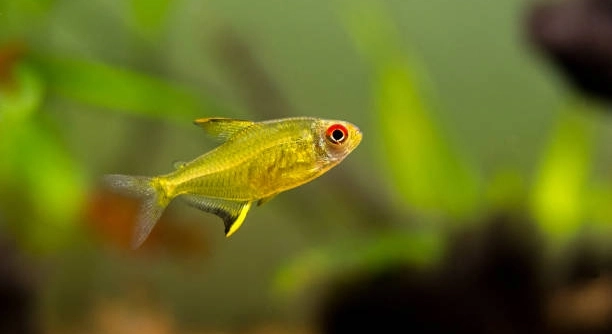
Do you enjoy keeping colorful freshwater fish but wonder if your outdoor pond can support smaller tropical species like the lemon tetra? These tiny fish are known for their bright yellow hue and active schooling behavior.
Lemon tetras are generally unsuitable for outdoor ponds in most climates. They require stable, warm temperatures between 72–80°F and soft, slightly acidic water, conditions that are difficult to maintain outdoors year-round without controlled environments.
Understanding these requirements will help you determine the best habitat for your lemon tetras and ensure they remain healthy and vibrant in your care.
Understanding Lemon Tetra Requirements
Lemon tetras are small, delicate fish that thrive in warm, stable freshwater environments. Their natural habitat includes slow-moving streams and rivers in South America, where water is soft and slightly acidic. These fish rely on stable temperatures, typically between 72–80°F, for proper metabolism and immune function. Sudden drops in temperature or fluctuations in water chemistry can stress lemon tetras, leading to disease or death. Unlike hardier pond fish, they are not adapted to outdoor conditions with seasonal changes, predators, or variable water quality. For outdoor ponds, maintaining the required warmth and water conditions year-round is challenging without heaters or protective enclosures. Additionally, lemon tetras prefer calm waters without strong currents and need plenty of hiding spots among plants. Their social nature means they should be kept in groups of at least six, which can complicate pond stocking. Careful attention to water testing and temperature control is essential to prevent health issues.
Providing a consistent indoor environment ensures lemon tetras remain active, healthy, and brightly colored.
Even with the right setup, lemon tetras require ongoing maintenance. Regular water changes, careful monitoring of pH and hardness, and observation for signs of stress or illness are critical. They feed on small flakes, micro-pellets, and live or frozen foods, which must be provided in balanced portions. Outdoor ponds often introduce variables such as fluctuating sunlight, temperature swings, and algae growth, making it hard to replicate the stable conditions these fish need. Seasonal changes, particularly in colder regions, can drastically lower water temperature, which lemon tetras cannot tolerate. Predatory birds or larger fish may also pose a threat. While it is possible to simulate tropical conditions with heaters or covered enclosures, the effort often exceeds that required for more robust pond fish. Understanding the precise needs of lemon tetras before introducing them to any pond is key to preventing stress-related illnesses and premature death.
Alternatives for Outdoor Ponds
Lemon tetras are best suited for indoor aquariums with controlled conditions.
For outdoor ponds, consider hardier tropical or temperate species that tolerate fluctuating temperatures and natural weather changes. Fish such as guppies, platies, or koi can thrive in ponds without intensive monitoring. You can also create semi-outdoor habitats with protective covers and heaters to keep water warmer in colder months, though this requires additional resources and maintenance. When selecting pond fish, balance aesthetics, behavior, and care requirements. Including plants, hiding spaces, and proper filtration can support pond health and reduce stress on the fish. While lemon tetras may not survive outdoors, exploring suitable alternatives ensures your pond remains vibrant and well-maintained throughout the year, offering both visual appeal and a healthy ecosystem for its inhabitants.
Water Temperature Considerations
Lemon tetras need consistently warm water. Outdoor ponds often fluctuate, especially at night or during colder seasons. Temperatures below 70°F can stress these fish and lead to illness or death, making unheated ponds unsuitable.
Maintaining a stable temperature for lemon tetras is challenging outdoors. Unlike robust pond species, they cannot tolerate rapid changes in water temperature or cold drafts. Even small dips at night can slow metabolism, reduce feeding, and weaken immune systems. Using heaters or insulated pond enclosures may help, but these solutions require constant monitoring and adjustment. Seasonal shifts, rain, or shade can also alter pond temperature, adding complexity to their care.
Temperature is only one factor affecting lemon tetras outdoors. Sunlight, wind, and seasonal variation all impact water warmth and stability. Without careful management, outdoor ponds expose these fish to constant stress, which can reduce lifespan. Consistent heat, protection from drafts, and monitoring tools are necessary to mimic their natural tropical habitat and maintain their health and vibrant coloration.
Water Quality Requirements
Lemon tetras thrive in soft, slightly acidic water, which is uncommon in many outdoor ponds. Hard or alkaline water can harm their gills and overall health.
Water quality is critical for lemon tetras. Outdoor ponds often contain variable pH, hardness, and contaminants like debris or algae, which can stress the fish. Regular testing and adjustments are required to maintain conditions close to their natural habitat. High levels of nitrates, ammonia, or heavy metals are dangerous, leading to illness or death. Filtration systems help, but natural fluctuations still pose risks.
Even with filtration, maintaining the ideal water chemistry outdoors is difficult. Rainwater, runoff, and decomposing plant matter can rapidly change pH and hardness levels. Lemon tetras are highly sensitive to these shifts, requiring frequent monitoring and water adjustments. In contrast, indoor aquariums allow precise control over water parameters, reducing stress and disease. Without constant care, outdoor ponds rarely provide the stable water quality these tropical fish need.
Predators and Safety
Outdoor ponds expose lemon tetras to predators such as birds, raccoons, and larger fish. Their small size and bright color make them easy targets.
Even with pond netting or covers, predators can still pose a threat. Lemon tetras require a secure environment to survive, which is hard to achieve outdoors.
Pond Depth and Shelter
Shallow ponds provide little protection for lemon tetras. They need hiding spots among plants or decorations to reduce stress and feel secure in their environment.
Feeding Challenges
Providing a consistent diet in outdoor ponds is difficult. Lemon tetras need small, frequent feedings, and natural pond conditions may interfere with food availability or water cleanliness.
Seasonal Changes
Fluctuating seasons drastically affect water temperature, quality, and overall pond stability. Lemon tetras are highly sensitive to these changes, making unheated outdoor ponds unsuitable for year-round care.
FAQ
Can lemon tetras survive in outdoor ponds during summer?
Lemon tetras may survive in outdoor ponds during warm months if temperatures remain consistently between 72–80°F. However, even short dips at night or cloudy days can stress the fish. They require calm water, hiding spots, and careful monitoring of water quality, which is difficult to maintain outdoors.
What is the ideal water temperature for lemon tetras?
The ideal temperature range is 72–80°F. Temperatures below 70°F slow their metabolism, weaken the immune system, and increase susceptibility to disease. Outdoor ponds rarely maintain this stable range, especially at night or during sudden weather changes, making consistent heating essential if attempting outdoor housing.
Can lemon tetras tolerate hard water or high pH?
Lemon tetras thrive in soft, slightly acidic water with a pH between 6.0 and 7.0. Hard water or high alkalinity can cause gill stress, skin irritation, and poor health. Outdoor ponds often have fluctuating pH and hardness, which makes maintaining suitable water conditions challenging.
How many lemon tetras should be kept together?
Lemon tetras are social fish and should be kept in groups of at least six. They school for safety and social interaction. Small groups in outdoor ponds are more vulnerable to stress, predation, and isolation, reducing their overall health and lifespan.
Do lemon tetras need plants in their habitat?
Yes, dense plants or decorations provide essential hiding spots, reduce stress, and mimic their natural habitat. Outdoor ponds with limited cover expose them to predators and fluctuating environmental conditions, making plant coverage or artificial shelters crucial if attempting an outdoor setup.
Is feeding lemon tetras in a pond different from an aquarium?
Feeding outdoors is less controlled. Lemon tetras need small, frequent feedings of flakes, micro-pellets, or frozen foods. Pond conditions may cause food to sink, decompose, or be eaten by other species. Maintaining consistent nutrition outdoors is more challenging and affects their growth and health.
Can outdoor heaters make ponds suitable for lemon tetras?
Heaters can maintain warmer water, but constant monitoring is required. Outdoor temperature swings, sun exposure, and rain can override heaters. Even with equipment, it is difficult to fully replicate tropical conditions in an open pond without extensive setup and regular attention.
Are lemon tetras hardy enough for semi-outdoor ponds?
They are not naturally hardy enough for semi-outdoor conditions. Sudden temperature drops, fluctuating pH, and predators create stress. While temporary housing might be possible during peak summer, long-term outdoor survival is unlikely without intensive management.
What signs indicate stress in lemon tetras?
Signs include loss of color, sluggish swimming, clamped fins, or hiding excessively. Stress can quickly lead to disease or death if conditions remain unsuitable. Outdoor ponds increase the likelihood of these stressors due to environmental instability and predation risks.
Are there any alternatives to keeping lemon tetras outdoors?
Indoor aquariums are the safest option, allowing precise control of temperature, water chemistry, and feeding. If an outdoor display is desired, hardier tropical species like guppies or platies are better suited to fluctuating pond conditions, requiring less intensive monitoring and care.
Can lemon tetras reproduce in outdoor ponds?
Reproduction outdoors is unlikely. They need stable, warm temperatures and specific water conditions for spawning. Outdoor environments rarely meet these requirements, and fluctuating conditions may prevent successful breeding or harm eggs and fry.
How often should outdoor water be tested for lemon tetras?
Frequent testing is necessary—at least weekly for pH, hardness, and ammonia levels. Outdoor ponds are subject to rapid changes from rain, runoff, and debris. Without regular monitoring, water quality may quickly become unsuitable, stressing the fish and risking health problems.
Is it possible to keep lemon tetras outside in warmer climates year-round?
Even in warm climates, outdoor conditions are rarely stable enough year-round. Nighttime cooling, storms, and predators create constant stress. Controlled indoor aquariums remain the only reliable option for consistent health and long-term survival.
What are common mistakes when trying to keep lemon tetras in ponds?
Common errors include underestimating temperature fluctuations, overestimating pond stability, ignoring water chemistry, and failing to provide sufficient cover. Even small oversights can lead to stress, disease, and death, highlighting why they are best kept indoors.
Can adding plants and covers fully protect lemon tetras outdoors?
While plants and covers reduce stress and provide hiding spots, they cannot fully counteract temperature swings, predators, or pH changes. These measures improve safety but do not replace the controlled conditions required for long-term health.
What is the best environment for lemon tetras overall?
The best environment is an indoor aquarium with stable water temperature, soft slightly acidic water, and plenty of plants for hiding. Controlled feeding, water testing, and consistent maintenance ensure vibrant color, social interaction, and healthy development. Outdoor ponds generally cannot meet these standards reliably.
How long do lemon tetras typically live?
In optimal indoor conditions, lemon tetras live around 3–5 years. Stress, poor water quality, or unstable temperatures outdoors can shorten lifespan dramatically, sometimes resulting in death within weeks or months. Proper indoor care is critical for reaching their full life expectancy.
Can lemon tetras adapt over time to outdoor ponds?
They have limited adaptability. Over generations, some tolerance may develop, but individual fish are extremely sensitive to environmental changes. Attempting outdoor adaptation without careful control is risky and usually results in stress or mortality.
Are there any hybrid solutions for outdoor care?
Semi-enclosed ponds with heaters, filtration, and protective covers can help, but this requires constant maintenance. Even with these measures, replicating a true tropical environment is difficult, and lemon tetras remain vulnerable to stress and health issues.
What monitoring tools are essential for lemon tetras outdoors?
Thermometers, pH and hardness test kits, and ammonia/nitrate testing are critical. Frequent checks help prevent sudden environmental changes from harming the fish. Outdoor ponds demand more vigilance than indoor tanks, making monitoring indispensable for survival.
Can lemon tetras coexist with other pond species?
Compatibility is limited. Larger or aggressive pond fish may stress or eat lemon tetras. Small, non-aggressive species could coexist if water conditions are suitable, but careful observation is required to prevent conflict or predation.
Is using a pond for lemon tetras worth the effort?
For most people, the effort outweighs the benefits. Maintaining stable temperatures, water quality, feeding, and predator protection is demanding. Indoor aquariums provide a simpler, safer, and more reliable way to enjoy lemon tetras while ensuring their health and longevity.
Lemon tetras are beautiful, small tropical fish that thrive under specific conditions. Their bright yellow color and active schooling behavior make them a popular choice for freshwater aquariums. However, their delicate nature requires careful attention to water quality, temperature, and social environment. They need soft, slightly acidic water, stable temperatures between 72–80°F, and consistent feeding. Even minor fluctuations in these factors can lead to stress, disease, and premature death. While indoor aquariums allow for controlled conditions, outdoor ponds rarely provide the stability these fish need. Changes in temperature, exposure to predators, and fluctuating water chemistry make outdoor housing risky for lemon tetras. Despite the appeal of a colorful pond display, their well-being depends on an environment that closely mimics their natural tropical habitat.
Keeping lemon tetras outdoors is challenging even in warmer climates. Daytime temperatures may seem adequate, but nighttime drops can quickly stress the fish. Seasonal changes, sudden storms, and natural fluctuations in water chemistry create additional complications. Providing sufficient shelter and hiding spots is important, but it does not fully protect them from predators or environmental stress. Feeding is another concern, as outdoor conditions may interfere with regular meals, and excess food can quickly pollute the pond. Even with heaters, filtration, and covers, maintaining ideal water temperature and chemistry outdoors demands continuous effort and monitoring. These factors make outdoor ponds an unsuitable long-term solution for lemon tetras, while indoor aquariums offer a safer, more reliable option for their care.
For those who wish to enjoy lemon tetras in a natural-looking setting, indoor aquariums with plants, decorations, and proper filtration are the best solution. A group of six or more ensures social interaction and reduces stress. Careful observation of behavior, color, and feeding habits helps maintain their health. While outdoor ponds can accommodate hardier species better suited to fluctuating conditions, lemon tetras require consistent, tropical-like environments that only indoor setups can reliably provide. Prioritizing their well-being over aesthetics ensures they remain vibrant, active, and healthy. Ultimately, understanding the specific needs of lemon tetras allows for responsible ownership and long-term enjoyment, highlighting the importance of proper habitat, monitoring, and care.

Hello,
If you enjoy the content that we create, please consider saying a "Thank You!" by leaving a tip.
Every little bit helps us continue crafting quality advice that supports the health, happiness, and well-being of pets around the world, for pets of all shapes, sizes, and species.
We really appreciate the kindness and support that you show us!