
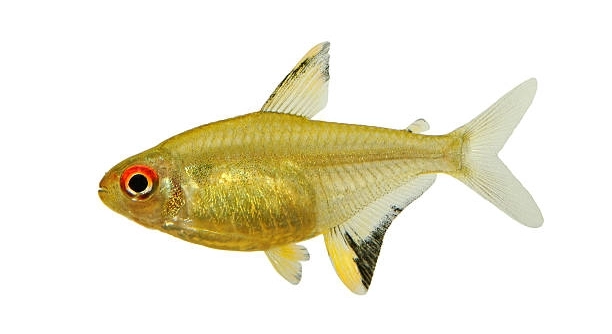
Do you ever find yourself checking your aquarium, wondering if your lemon tetra is behaving normally or if something is wrong with its health? These small, vibrant fish can sometimes require special attention to stay safe and healthy.
Lemon tetras may need quarantine under several circumstances, including after introducing new fish, showing signs of disease, experiencing stress, being injured, having parasites, displaying unusual behavior, or after water parameter changes. Quarantine prevents the spread of illness and ensures proper care.
Understanding when and why quarantine is necessary will help protect your lemon tetras and maintain a healthy aquarium environment for all your fish. Proper precautions can save time, stress, and potential loss.
Introducing New Fish
Adding new lemon tetras or other fish to your aquarium can be exciting, but it also comes with risks. Even healthy-looking fish may carry diseases or parasites that are not immediately visible. Quarantining new arrivals for at least two to four weeks helps prevent these potential problems from spreading to your established tank. During this period, it is easier to monitor their eating habits, behavior, and any signs of illness. Observing closely allows you to catch problems early and treat them effectively before they affect the entire community. The quarantine tank should have similar water conditions to the main tank, but simpler decorations to allow easy cleaning and observation. Consistent water changes and temperature monitoring are essential during this time. Keeping new fish isolated also reduces stress, as they adjust gradually to their new environment without competition or bullying from established fish. This careful approach ensures your aquarium remains healthy and stable over time.
Quarantine tanks reduce disease transmission and give new fish a safe, stress-free environment to adjust.
Following proper quarantine procedures prevents outbreaks and allows you to confidently introduce healthy, vibrant lemon tetras into your main aquarium without risking established fish. Regular monitoring and treatment during this period can save considerable time and frustration later. A small tank setup with easy access for cleaning and observation makes the process manageable. You can also test water parameters frequently, ensuring the environment remains stable. Feeding a varied, high-quality diet helps support the immune system, and observing behavior such as swimming patterns, coloration, and social interactions gives clues about their health. Any signs of lethargy, unusual spots, or abnormal breathing should be addressed immediately. Quarantine is not just a precaution; it is an essential step in maintaining a thriving aquarium. By investing a few weeks in careful observation and treatment, you prevent long-term issues and promote a harmonious environment for all your fish. Quarantining new fish ultimately supports both their well-being and the health of the existing aquarium community.
Signs of Illness
Visible symptoms in lemon tetras, such as faded colors, clamped fins, or erratic swimming, indicate potential health problems. Early detection is critical to prevent worsening conditions or contagion.
When illness is suspected, isolating affected fish immediately reduces the risk of spreading disease to other aquarium inhabitants. Quarantine allows focused care, including targeted medications and controlled feeding. Prompt action increases recovery chances and stabilizes the tank environment. Monitoring water parameters, maintaining cleanliness, and observing behavior daily are crucial. Noticing even subtle changes early can make a significant difference in treatment effectiveness.
Lemon tetras are susceptible to common freshwater diseases, including ich, fin rot, and bacterial infections. These conditions often develop from stress, poor water quality, or exposure to infected fish. In a quarantine tank, you can control medication levels and prevent cross-contamination. Observing their appetite, activity levels, and coloration provides essential information about recovery progress. Additionally, quarantine allows for easier water changes and targeted treatments without disturbing other fish. Stress reduction is a key part of recovery, as stressed fish are less likely to respond well to treatment. By isolating and treating sick lemon tetras promptly, you ensure they return to a healthy state while protecting the main aquarium population. This proactive approach saves time, reduces overall stress, and maintains a balanced, thriving aquatic environment for all your fish.
Stress from Tank Conditions
Lemon tetras can become stressed due to overcrowding, poor water quality, or sudden changes in temperature. Quarantining stressed fish helps them recover without interference from other tankmates. Stress weakens immunity, making them more prone to disease.
Providing a separate tank with stable water parameters allows lemon tetras to regain strength. Ensure proper filtration, gentle water flow, and consistent temperature. Feeding small, frequent meals supports their energy levels and reduces stress. Monitoring behavior such as hiding, rapid gill movement, or erratic swimming helps track recovery. A calm environment minimizes stress triggers, giving the fish a better chance to bounce back quickly. Maintaining proper light cycles and avoiding sudden noises also contributes to a stable recovery period.
Stress can also arise from aggressive tankmates or insufficient hiding spots. Quarantining allows observation of social interactions and provides a safe space. Regular water testing, gentle handling, and consistent feeding routines aid in restoring balance. Over time, lemon tetras recover more effectively, showing brighter coloration, improved swimming patterns, and normalized behavior, ensuring a healthier integration back into the main aquarium.
Post-Illness Recovery
After an illness, lemon tetras need isolation to fully recover before rejoining the main tank. Quarantine reduces relapse risks and prevents spreading residual pathogens.
In the recovery tank, monitor water quality meticulously and maintain cleanliness. Gradually reintroduce a nutritious diet to rebuild energy and strengthen immunity. Observing interactions helps ensure no lingering aggression or weakness affects other fish. Controlled temperature and gentle filtration promote optimal recovery conditions.
Recovery periods vary depending on illness severity, but consistent care is key. Some lemon tetras may need several weeks in quarantine to regain full strength. Using a small tank with easy access for cleaning and monitoring reduces stress. Regular checks for color vibrancy, fin condition, and swimming patterns indicate progress. Treatment continuation, if prescribed, ensures complete elimination of infection. Providing a calm environment, minimal handling, and stable water conditions supports immune system restoration. After full recovery, gradual reintroduction to the main tank ensures they blend safely without affecting other fish, maintaining overall aquarium health.
Parasite Infestation
Parasites like ich or flukes can infect lemon tetras quickly. Quarantining infected fish prevents the spread to the main tank and allows targeted treatment to eliminate the parasites effectively.
Treatment in a quarantine tank is simpler and safer. You can control medication levels and water conditions, ensuring parasites are removed without harming other fish.
Physical Injury
Injured lemon tetras need isolation to heal properly. Fins, scales, or minor wounds can worsen if fish remain in a crowded tank. Quarantine provides a safe space for recovery and reduces stress while preventing secondary infections.
Aggressive Behavior
When lemon tetras or other tankmates show aggression, separating the affected fish is essential. Quarantine prevents bullying and injuries, giving the fish time to recover both physically and mentally. Monitoring interactions during isolation ensures they are ready to return safely to the main tank.
Water Parameter Changes
Sudden changes in pH, temperature, or hardness can shock lemon tetras. Quarantining fish during such adjustments reduces stress and allows them to acclimate gradually to new water conditions. This approach minimizes health risks and ensures a smoother transition.
How long should lemon tetras stay in quarantine?
Lemon tetras should generally stay in quarantine for two to four weeks. This period allows enough time to observe for signs of illness, parasites, or stress. During quarantine, fish can adjust to the new environment while being monitored closely. Consistent water changes, proper feeding, and stable temperature are crucial during this time.
Can I treat sick lemon tetras in the main tank?
Treating sick lemon tetras in the main tank is risky. Medication can affect healthy fish or disrupt beneficial bacteria. Using a separate quarantine tank allows precise dosing and easier monitoring. This approach prevents contamination of the main aquarium and improves recovery chances.
How do I know if a lemon tetra is stressed?
Signs of stress include faded coloration, clamped fins, erratic swimming, hiding, or rapid gill movement. Stress can be caused by poor water quality, aggressive tankmates, overcrowding, or sudden changes in temperature. Quarantining stressed fish gives them a calm environment to recover.
What are common diseases in lemon tetras?
Lemon tetras are prone to ich, fin rot, and bacterial infections. Symptoms include white spots, frayed fins, lethargy, and loss of appetite. Early detection in a quarantine tank allows targeted treatment. Maintaining water quality, stable temperatures, and proper nutrition reduces the risk of disease.
Do I need a separate quarantine tank for every new fish?
It is recommended to have a separate quarantine tank for each new fish or group of fish. This prevents cross-contamination and allows close observation of individual behaviors. Using a small, simple setup with easy cleaning access makes management easier.
How should I set up a quarantine tank?
A quarantine tank should have stable temperature, gentle filtration, and minimal decorations. Easy access for cleaning and observation is important. Maintaining proper water parameters similar to the main tank reduces stress. Adding hiding spots helps the fish feel secure during isolation.
When should I end quarantine for lemon tetras?
Quarantine can end once fish show normal behavior, healthy coloration, and no signs of disease. They should be actively eating, swimming properly, and interacting normally with others. Ensuring water quality is stable before transfer also prevents stress-related issues.
Can lemon tetras transmit disease to other fish?
Yes, lemon tetras can transmit diseases and parasites to other tank inhabitants. Quarantining new or sick fish is essential to prevent outbreaks. Early detection and treatment in isolation protect the main aquarium population.
Is it necessary to quarantine after water parameter changes?
Yes, sudden changes in pH, hardness, or temperature can stress lemon tetras. Quarantining during transitions allows gradual acclimation and reduces the risk of illness or shock. Stable conditions during this time help maintain overall health.
How do I monitor health during quarantine?
Observe swimming patterns, coloration, fin condition, appetite, and gill movement daily. Record any abnormalities and adjust care accordingly. Regular water testing and maintenance help detect problems early and support recovery.
Can quarantine help prevent aggression in lemon tetras?
Yes, isolating aggressive or bullied fish reduces injuries and stress. Quarantine allows careful monitoring of social interactions and provides a safe environment for recovery. Returning the fish gradually ensures safer reintegration.
Should I continue feeding during quarantine?
Yes, continue feeding a balanced, high-quality diet. Smaller, frequent meals are better for stressed or recovering fish. Observing eating habits helps detect appetite loss, which may indicate illness. Proper nutrition supports immune function and recovery.
What precautions should I take when returning fish to the main tank?
Gradually acclimate lemon tetras to the main tank water. Monitor interactions carefully for the first few days. Ensure water quality is stable and conditions are similar to those in the quarantine tank. This prevents stress and potential relapse of illness.
How often should water be changed in a quarantine tank?
Partial water changes of 20-30% every two to three days help maintain water quality. Avoid sudden, large changes that could stress fish. Regular testing of temperature, pH, and ammonia levels ensures a safe environment for recovery.
Can quarantine tanks reduce long-term health problems?
Yes, quarantining fish protects them from diseases, parasites, and stress. Early intervention prevents widespread issues and improves overall longevity. Maintaining a proper quarantine routine strengthens your aquarium’s stability and ensures healthier, happier lemon tetras.
What signs indicate quarantine is not working?
Persistent lethargy, loss of appetite, worsening lesions, or continued abnormal behavior suggest that quarantine alone may not be enough. Adjust treatment, water parameters, or consult a specialist for further intervention.
Are there alternatives to quarantine?
While quarantine is the safest method, some experienced aquarists use observation periods in smaller, temporary setups. However, skipping quarantine increases the risk of disease spreading and stress-related problems in the main tank. Proper quarantine remains the recommended approach.
How does quarantine affect fish behavior?
Quarantine provides a calm environment, reducing stress and allowing natural behaviors to return. Fish regain energy, coloration, and social confidence, which helps them integrate safely back into the main tank once isolation ends.
What equipment is essential for quarantine tanks?
Basic equipment includes a small tank, gentle filter, heater, thermometer, and water test kits. Minimal decorations, hiding spots, and easy access for cleaning support monitoring and treatment. Stable water conditions are critical for effective quarantine.
Can quarantine prevent parasite outbreaks?
Yes, isolating new or infected fish stops parasites from spreading. Early treatment in quarantine eliminates infestations and protects the main aquarium population, maintaining long-term health and reducing stress for all fish.
Quarantining lemon tetras is an essential practice that ensures the health and stability of your aquarium. While it may seem like extra work, isolating fish when they are new, stressed, injured, or recovering from illness prevents problems from spreading to the main tank. Many issues that appear minor, such as subtle changes in behavior or slight color fading, can develop into serious health concerns if not addressed promptly. Quarantine provides a controlled environment where water conditions, feeding, and treatment can be carefully managed. This reduces stress on the fish and allows for close monitoring, which is difficult to achieve in a full tank. Maintaining a separate tank for quarantine purposes ultimately saves time, effort, and potential losses by stopping disease and parasites before they impact the community.
Creating a quarantine routine does not need to be complicated. A small, simple tank with gentle filtration, proper heating, and stable water parameters is sufficient. Minimal decorations help with observation, while a few hiding spots give the fish a sense of security. Monitoring daily for changes in swimming behavior, appetite, coloration, and fin condition allows early detection of problems. Water testing should be consistent to ensure ammonia, nitrite, nitrate, and pH levels remain within safe ranges. Feeding small, frequent meals of high-quality food supports immune function and overall recovery. Any medications required can be applied safely in this contained environment, preventing unintentional harm to other fish in the main tank. Over time, establishing a routine for quarantine makes it a normal part of aquarium management rather than a disruptive or stressful task.
Understanding when quarantine is necessary helps protect both new and established lemon tetras. Fish brought directly into the main tank without isolation may carry hidden diseases or parasites, putting the entire aquarium at risk. Stress, injuries, aggressive interactions, and sudden changes in water parameters are also common reasons for temporary isolation. By taking these steps, you give lemon tetras the best chance to recover fully and maintain healthy social behavior. Observing fish closely in quarantine allows adjustments to care, ensuring they remain strong and vibrant before reintroduction. Implementing a quarantine practice is not just about managing problems—it is about fostering a safer, more stable, and healthier environment for all fish in the aquarium. This approach supports long-term aquarium success, giving your lemon tetras the proper space and care they need to thrive.

Hello,
If you enjoy the content that we create, please consider saying a "Thank You!" by leaving a tip.
Every little bit helps us continue crafting quality advice that supports the health, happiness, and well-being of pets around the world, for pets of all shapes, sizes, and species.
We really appreciate the kindness and support that you show us!