
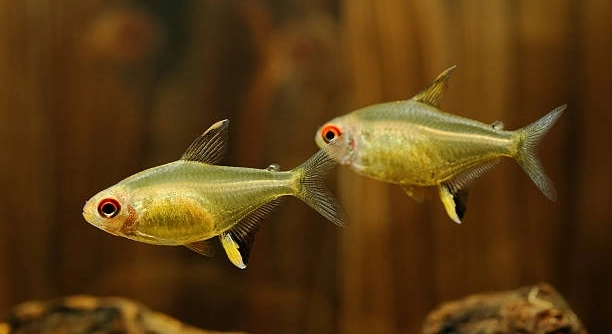
Have you ever noticed your lemon tetras swimming mostly at the top of the tank? Their bright yellow bodies seem to catch the light, making them appear lively and alert near the surface. Watching them can be quietly soothing.
Lemon tetras stay near the surface primarily due to oxygen availability and natural behavior. These fish prefer areas with higher dissolved oxygen levels, which are found closer to the water’s surface. Surface swimming also aligns with their instinct to feed on floating food and small insects.
Understanding why lemon tetras favor the upper levels of the tank helps improve their care and ensures they remain healthy and active in their environment.
Oxygen Levels and Water Quality
Lemon tetras often swim near the surface because that is where oxygen levels are highest. In a home aquarium, water closer to the top has more contact with the air, which increases dissolved oxygen. If oxygen levels drop deeper in the tank, the fish instinctively move upward to breathe more easily. Clean water also plays a major role. Debris, uneaten food, and waste can reduce oxygen and make the lower parts of the tank uncomfortable for fish. I noticed that when I improved my tank’s filtration and performed regular water changes, my lemon tetras spent less time near the surface, exploring all areas instead. Maintaining moderate water flow ensures that oxygen circulates throughout the tank, benefiting all species. Additionally, temperature matters. Warmer water holds less oxygen, so keeping the tank within the recommended temperature range for lemon tetras helps prevent them from crowding at the top.
High oxygen levels help the tetras feel secure and active, keeping them healthier overall.
Consistent monitoring of water parameters is essential. Testing pH, ammonia, nitrites, and nitrates ensures a stable environment. Using an air stone or gentle filter flow can evenly distribute oxygen, reducing stress and promoting natural swimming patterns. Observing how your fish respond after these adjustments helps guide ongoing care.
Feeding Habits and Natural Instincts
Lemon tetras naturally feed near the water surface.
These fish primarily consume small insects, larvae, and floating foods in their natural habitat. Even in aquariums, they retain this instinct, making the top layers of the tank ideal feeding zones. Offering flakes, micro pellets, or occasional live food on the surface encourages natural behavior. Feeding them near the bottom may cause stress or result in uneaten food, which can affect water quality. I usually sprinkle a small amount at the surface and watch them gather quickly, their coordinated swimming almost playful to observe. Feeding in this way also allows me to monitor their health, as healthy tetras are active, bright, and alert. Group feeding can reduce competition and ensure that each fish receives nutrition. Over time, they adapt to the tank’s conditions while still sticking to surface feeding, demonstrating their strong natural instincts. Proper feeding routines help maintain both their energy and vibrant coloration.
Regular surface feeding enhances their well-being, keeping them lively and active while supporting their natural tendencies.
Tank Environment and Decorations
Lemon tetras often swim near the top when the lower areas of the tank feel crowded or unsafe. Sparse plants or too many decorations can make the bottom less inviting. Providing hiding spots encourages more balanced swimming throughout the tank.
Adjusting the tank layout can change their behavior noticeably. I added mid-height plants and small caves, and my tetras began exploring lower levels more often. Open swimming areas near the bottom help them feel secure while still allowing movement. Properly spaced decorations prevent overcrowding, and plants offer natural cover that mimics their natural environment. Observing them after rearranging the tank showed a calmer, more active group.
Light intensity also influences where lemon tetras swim. Bright overhead lighting can push them downward if they feel exposed, while dimmer, natural light encourages surface activity. Rotating decorations or adding floating plants creates shaded areas and variety. Providing a combination of open water, hiding spots, and gentle light allows tetras to distribute evenly, reducing stress and promoting healthier behavior across the tank. Watching them adjust gradually to changes gives insight into their comfort and preferences.
Social Behavior and Schooling
Lemon tetras swim near the surface when following each other in tight schools.
Schooling is a natural instinct for protection and social interaction. I keep at least six in my tank, and they rarely separate, moving together near the top. This behavior helps them feel secure and coordinated.
Smaller groups may feel insecure and stick higher in the tank, avoiding the bottom. When properly sized, schools spread out more evenly, exploring different layers without panic. Their schooling also allows them to react quickly to perceived threats, enhancing survival instincts. Observing a full group near the surface shows synchronized movement, while occasional shifts downward reveal curiosity and confidence. Supporting natural schooling behavior with enough companions ensures calmer, more active fish, and promotes overall well-being in the aquarium.
Water Temperature Effects
Lemon tetras tend to stay near the surface when water temperature rises. Warmer water holds less oxygen, making the top layers more comfortable.
Maintaining a stable temperature between 72°F and 78°F helps them explore the entire tank. Sudden changes can cause stress and erratic swimming behavior.
Lighting Conditions
Bright lighting often encourages lemon tetras to remain near the surface. They feel safer in well-lit areas and can see each other clearly while schooling. Properly adjusting lighting helps balance their activity throughout the tank.
Tank Size and Swimming Space
Small tanks limit swimming options, causing lemon tetras to stay near the top. A larger, open tank encourages exploration of all levels and reduces stress. Proper space supports natural behavior and healthier fish overall.
FAQ
Why do lemon tetras always swim at the top of the tank?
Lemon tetras swim near the top because it usually has more oxygen and food. In my experience, they also feel safer there, especially if the tank is crowded or lacks hiding spots. Surface swimming is natural and helps them stay alert and active.
Can low oxygen make lemon tetras stick to the surface?
Yes, low oxygen levels in the tank push them upward. I noticed that when my filter was clogged, the tetras stayed near the top more often. Regular water changes, proper filtration, and gentle aeration make a noticeable difference in their swimming behavior.
Do lemon tetras need floating plants?
Floating plants are helpful but not required. They provide shade, reduce stress, and make surface swimming more comfortable. I added some small floating plants, and my tetras spread out more evenly instead of constantly crowding the top.
Is it normal for lemon tetras to avoid the bottom of the tank?
It is normal if the bottom feels unsafe. Hard surfaces, strong currents, or lack of cover can make them hesitant. Adding mid-level plants, small caves, or gentle substrate improves their confidence and encourages them to explore lower areas.
Does water temperature affect their position in the tank?
Yes. Warmer water holds less oxygen, so tetras often stay near the surface. I keep my tank between 72°F and 78°F, and they swim more naturally throughout the tank when temperature remains stable. Sudden changes always cause them to crowd upward.
Will schooling behavior affect where they swim?
Absolutely. Lemon tetras feel safer in groups and often swim near the top together. Smaller groups or isolated fish may stay at the surface due to stress. Keeping at least six together encourages calmer, more natural behavior and reduces top-only swimming.
Can feeding habits influence their position in the tank?
Yes, feeding plays a big role. Lemon tetras naturally eat floating food and small insects, so they spend a lot of time near the surface. I make sure to sprinkle food at the top, and they gather quickly, showing healthy behavior. Feeding in other tank levels rarely works as efficiently.
Do tank size and decorations matter?
Definitely. Small tanks or overcrowded decorations push tetras to the top. I rearranged my tank with open areas and mid-level plants, and they began exploring lower layers. Space, hiding spots, and gentle lighting create a comfortable environment throughout the tank.
Will lighting affect their swimming habits?
Yes. Bright overhead lighting encourages top-level activity because tetras feel secure and can see their group clearly. Dim lighting or shaded areas from floating plants encourages more balanced movement. I noticed my fish spread out more evenly after adding some floating plants to soften the light.
How can I encourage lemon tetras to explore lower parts of the tank?
Providing hiding spots, maintaining stable temperature, keeping water clean, and feeding at different levels helps. I also ensure proper schooling groups and balanced lighting. Over time, tetras feel safe enough to swim throughout the tank instead of staying only at the surface.
Is constant surface swimming a sign of stress?
It can be, especially if paired with rapid gill movement, loss of color, or erratic swimming. I check water parameters, tank setup, and temperature when I see this behavior. Correcting these factors usually helps the tetras return to normal activity levels.
Do lemon tetras sleep near the surface?
No, they typically rest in mid-level or sheltered areas. Surface swimming is mostly for feeding and oxygen access. I often notice them resting among plants or near small decorations at night, showing they feel safe when hidden.
Can adding an air stone change their swimming position?
Yes, an air stone improves oxygen circulation throughout the tank, encouraging tetras to explore lower levels. I added one, and my fish started moving more evenly instead of crowding the top, especially during warmer days or after feeding.
Are there signs that surface swimming is unhealthy?
Yes. Rapid gill movement, lethargy, clamped fins, or constant gasping at the surface can indicate low oxygen, poor water quality, or illness. I always monitor water parameters and behavior, and fixing these issues restores healthy swimming patterns.
Do lemon tetras prefer shallow water areas?
They often do, especially in planted tanks. Shallow areas with surface access make feeding and oxygen intake easier. I noticed mine frequently hover near the upper parts, but with proper tank setup, they gradually explore deeper zones as they feel secure.
How often should I monitor their behavior?
Daily observation is best. Watching their swimming patterns, feeding habits, and schooling behavior helps catch problems early. I usually check during feeding time and after lights come on to ensure they are active, alert, and balanced across the tank.
What changes make them leave the surface more often?
Improving water quality, adding hiding spots, stabilizing temperature, balancing lighting, providing sufficient group size, and using gentle aeration all encourage exploration. I gradually introduced these changes, and my lemon tetras began using all tank levels more naturally.
This FAQ section addresses common concerns while offering practical solutions based on observation and care routines, helping maintain healthy and active lemon tetras in a home aquarium.
Lemon tetras are small, bright fish that often capture attention with their active movements and cheerful yellow color. One common observation among hobbyists is that they tend to stay near the surface of the tank. This behavior is usually normal and connected to their natural instincts, feeding habits, and environmental preferences. In many cases, surface swimming is linked to higher oxygen levels near the water’s top. Unlike the lower parts of the tank, which may have less dissolved oxygen or more debris, the upper layers provide a comfortable environment where the fish can breathe easily and stay alert. Observing them in these areas can give insight into their general health and well-being. While it may seem like they are limiting themselves to one section of the tank, this is often a reflection of their natural adaptation to available resources and safety in numbers. Understanding this helps in providing care that matches their needs.
The design and setup of a tank play a major role in where lemon tetras spend most of their time. Tanks with sparse plants, few hiding spots, or strong currents at the bottom may encourage the fish to remain near the surface. Adjustments to the environment, such as adding mid-level plants, gentle decorations, or floating cover, can promote exploration of other areas. Water temperature and lighting also influence their behavior. Stable temperatures within the recommended range allow them to move freely, while fluctuating conditions often cause them to stay near the top. Proper lighting provides security while letting them see each other clearly when schooling. Feeding routines further reinforce surface activity because these fish naturally consume floating food or small insects. Sprinkling food at the top encourages healthy, coordinated feeding behavior, while occasional changes to feeding locations can help them feel more comfortable exploring different layers. Maintaining clean water, proper filtration, and gentle aeration ensures oxygen is evenly distributed, reducing stress and supporting balanced swimming throughout the tank.
Social interactions are another key factor in lemon tetra behavior. These fish are schooling species, meaning they feel safer and more confident when kept in groups. A properly sized school helps reduce surface-only swimming and encourages even distribution across the tank. Observing the group’s movement patterns allows caregivers to identify any stress, overcrowding, or imbalance in their environment. Gradually adjusting the tank setup to meet their needs, along with careful monitoring of water quality, temperature, and feeding, fosters healthier, more natural behavior. Over time, lemon tetras will not only remain active and bright but will also explore all levels of the tank, demonstrating comfort and security in their home environment. Paying attention to these small details ensures long-term health, encourages natural instincts, and helps the fish thrive, creating a visually engaging and balanced aquarium.

Hello,
If you enjoy the content that we create, please consider saying a "Thank You!" by leaving a tip.
Every little bit helps us continue crafting quality advice that supports the health, happiness, and well-being of pets around the world, for pets of all shapes, sizes, and species.
We really appreciate the kindness and support that you show us!