
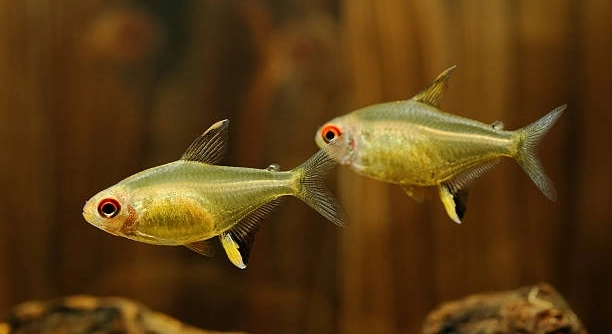
Do you ever notice your Lemon Tetra swimming calmly in its tank and wonder about its resting habits? These small, bright fish have delicate behaviors that are interesting to observe, especially when they slow down at night. Their gentle movements often catch your attention.
Lemon Tetras do not fully close their eyes while sleeping. Their eyelids lack the muscles to shut completely, so they rest with partially open eyes, maintaining alertness to their environment while still reducing activity and conserving energy.
Observing these habits can help you better understand your fish’s well-being and ensure their tank environment supports healthy rest patterns.
How Lemon Tetras Rest
Lemon Tetras tend to rest quietly near plants or decorations in the tank, keeping themselves partially hidden. Even though their eyes stay open, their movement slows significantly. This behavior helps them conserve energy while remaining aware of their surroundings. They do not float at the surface, instead preferring lower areas where the light is softer. Observing their small pauses can be calming. They may gently sway in the water, appearing still but alert. Resting in groups also provides comfort, as they often huddle close to each other. This natural instinct reduces stress and helps them feel safer while sleeping. Tank conditions, such as water temperature and cleanliness, can influence how well they rest. Providing adequate hiding spots ensures they have places to relax. Over time, you may notice patterns in their activity that indicate when they are preparing to rest. Consistent care supports their regular sleeping habits.
Keeping the tank environment stable improves their sleep and overall health, supporting natural behavior.
Watching these subtle movements can make your tank feel more alive and peaceful.
Eye Behavior During Sleep
Lemon Tetras’ eyes remain partially open even when resting.
This open-eye behavior is normal and helps them detect movement or threats in the tank. Their eyelids are not designed to close completely. Unlike some fish that hide completely or tuck into corners, Lemon Tetras maintain awareness of their surroundings. This trait is part of their survival instinct in the wild. They continue to process light and shadows, allowing them to respond quickly if needed. Open eyes do not mean the fish is stressed or uncomfortable; it is simply how they rest. Observing them at different times of the day can show you their typical patterns. Light levels, water quality, and tank mates can influence how relaxed they appear. Over time, you will recognize their subtle signs of resting and wakefulness. Proper care ensures they can sleep safely while keeping their natural vigilance.
Common Sleeping Spots
Lemon Tetras often rest near plants, rocks, or decorations in the tank. They favor areas that offer partial cover, which gives them a sense of safety while still allowing them to monitor their surroundings.
These small fish prefer the lower to middle sections of the tank for resting. Floating plants, small caves, and dense foliage create ideal spots. They rarely sleep near the surface unless the water is calm and secure. When they rest, their movement slows, and they may hover in place, swaying gently with the water flow. Watching them settle in the same spots over time can reveal their preferred hiding places. Tank layout and decor significantly affect how comfortable they feel. Providing varied spaces encourages natural resting behavior.
Lemon Tetras sometimes group together while resting. Huddling near each other provides comfort and reduces stress. Even with open eyes, this behavior shows they feel safer in numbers. Maintaining proper tank conditions and a predictable environment helps them rest regularly and confidently.
Tips for Supporting Healthy Sleep
Keep tank lights on a consistent schedule to mimic natural day and night cycles.
Stable water conditions and minimal disturbances encourage Lemon Tetras to rest properly. Avoid sudden movements near the tank, maintain regular feeding times, and ensure water temperature remains consistent. Adding plants or small decorations gives them spaces to settle safely. Observing their behavior helps identify whether they are comfortable and resting well. Regular water changes and monitoring parameters like pH and ammonia levels support overall health and reduce stress. Providing a quiet environment during nighttime hours allows them to conserve energy and remain alert yet relaxed. Over time, you can notice patterns in their activity that indicate proper rest.
Nighttime Activity Patterns
Lemon Tetras are more active during the day and tend to slow down at night. Their movement becomes gentle, and they hover in safe areas.
Even though their eyes remain open, their reactions are slower. This period is important for energy conservation and overall health.
Signs of Proper Rest
When resting, Lemon Tetras maintain steady breathing and a calm posture. They do not dart around or show stress. Their fins may occasionally twitch, but overall, they appear relaxed. Regular patterns of movement and stillness indicate that they are getting adequate rest and feel secure in the tank.
Adjusting Tank Conditions
Proper lighting, water temperature, and minimal noise help Lemon Tetras rest better. Maintaining these conditions supports natural behavior and reduces stress, allowing them to thrive in a home aquarium.
FAQ
Why do Lemon Tetras sleep with their eyes open?
Lemon Tetras lack eyelids that can close completely. Their eyes remain partially open even while resting, which allows them to stay alert to any movement or potential threats in the tank. This behavior is normal and does not indicate stress or illness. It is part of their natural survival instinct in the wild.
Is it harmful for them to keep their eyes open while sleeping?
No, it is not harmful. Their eyes are adapted to resting while open, and they do not experience discomfort. Open eyes during sleep help them monitor their surroundings and feel safe. As long as the fish appear calm and swim normally, there is no cause for concern.
How can I tell if my Lemon Tetra is resting properly?
Proper rest is indicated by slow, gentle movements and a calm posture. Lemon Tetras may hover near plants or decorations without darting around. Their fins might twitch occasionally, but their body will mostly remain still. Regular, predictable patterns of activity and rest show that the fish is healthy and comfortable in its environment.
Do Lemon Tetras need special areas to rest?
Yes, they prefer sheltered spots like plants, rocks, or decorations. These areas provide a sense of safety and allow them to rest without feeling exposed. Floating plants or dense foliage are especially appreciated, as they give partial cover while still letting the fish monitor the tank. Grouping together near these spaces can also help reduce stress.
Does tank lighting affect their sleep?
Yes, consistent lighting supports natural sleep cycles. Keeping lights on a regular day and night schedule helps the fish anticipate resting periods. Sudden changes in light or overly bright conditions at night can disturb their rest. Providing dimmer lighting or covering parts of the tank can create a more comfortable nighttime environment.
Can water conditions affect their sleeping patterns?
Absolutely. Stable water temperature, clean water, and balanced pH levels are essential. Fluctuations in these conditions can stress Lemon Tetras, making them restless or altering their natural resting habits. Regular water changes and monitoring of ammonia, nitrites, and nitrates are important to ensure a healthy, calm environment that promotes proper rest.
How long do Lemon Tetras typically rest each day?
Lemon Tetras rest mainly at night and may take short pauses during the day. They do not have long, uninterrupted sleep periods like mammals. Their energy conservation relies on short periods of reduced movement and slower activity, which is enough for their health and overall well-being.
Can other tank inhabitants affect their sleep?
Yes, tank mates can influence resting behavior. Aggressive or highly active fish can disturb Lemon Tetras, causing them to hide or stay alert for longer periods. Peaceful, similar-sized fish allow Lemon Tetras to rest more naturally. Observing interactions and arranging the tank to provide safe spaces is helpful for maintaining calm conditions.
Do young Lemon Tetras sleep differently than adults?
Juvenile Lemon Tetras may be more active and rest less predictably. As they grow, their sleep patterns become more consistent, and they tend to settle into safe areas for resting. Watching their activity levels over time can help you recognize normal behavior and ensure they are developing healthy rest habits.
Are there signs that resting behavior indicates illness?
Signs of potential issues include excessive lethargy, rapid breathing, clamped fins, or erratic swimming. If these behaviors appear along with unusual eye behavior, it may indicate stress, poor water conditions, or illness. Promptly checking water quality and consulting a veterinarian or fish care resource can help address problems before they worsen.
How can I encourage better sleep for my Lemon Tetras?
Maintain consistent lighting, provide plenty of hiding spots, and keep the water stable. Minimize disturbances at night and ensure tank mates are peaceful. Observing their behavior regularly helps identify whether they feel safe and can rest comfortably. Creating a calm environment supports their natural sleeping patterns.
Do Lemon Tetras show signs of being well-rested?
Yes, well-rested Lemon Tetras are active during the day, swim smoothly, and respond normally to feeding and tank activity. Their coloring remains bright, and they maintain healthy fin and body condition. Regular observation helps ensure they are getting adequate rest while remaining alert and healthy.
Can diet affect their resting habits?
Yes, a balanced diet supports energy levels and overall health, which influences resting patterns. Overfeeding or irregular feeding times can make them restless or interfere with natural sleep periods. Providing small, regular meals helps maintain consistent behavior and supports proper energy conservation during rest.
Is it normal for Lemon Tetras to move slightly while sleeping?
Yes, slight movements, like gentle swaying with the water flow or occasional fin twitches, are normal. This allows them to maintain balance and remain responsive to changes in the tank. Such movement does not indicate stress, but rather a natural resting behavior that combines relaxation with alertness.
How important is observation for understanding their sleep?
Regular observation is very important. By noticing patterns in activity, preferred resting spots, and reactions to tank conditions, you can ensure your Lemon Tetras are healthy and comfortable. Consistent monitoring helps identify potential problems early and supports long-term well-being.
Do they ever rest at the surface of the tank?
Rarely. Lemon Tetras usually avoid the surface when resting, preferring lower or middle levels where they feel safer. Surface resting may happen if the tank is calm and there are no disturbances, but it is not typical. Observing where they choose to rest provides insight into their comfort and security.
How does group behavior affect sleep?
Resting in groups provides reassurance and reduces stress. Lemon Tetras feel safer when near other fish, which allows them to relax while still staying alert. Social dynamics influence resting patterns, so keeping compatible groups helps them maintain normal sleep habits.
Can stress disrupt their sleep completely?
Yes, stress from poor water quality, aggressive tank mates, or sudden changes in environment can prevent proper resting. Stressed fish may hide constantly or swim restlessly, impacting energy conservation and health. Maintaining a stable, calm environment is key to supporting natural sleep behavior.
What is the role of temperature in resting?
Water temperature affects metabolism and activity levels. Cooler water may slow activity, while warmer water can increase restlessness. Keeping the tank within the ideal range for Lemon Tetras ensures they can rest comfortably without unnecessary stress or energy loss.
Do seasonal changes in lighting affect their sleep?
Seasonal changes that alter light exposure can influence resting patterns. Mimicking a natural day-night cycle with consistent lighting helps maintain normal sleep behavior. Artificial adjustments, like timers for tank lights, ensure their resting periods remain regular regardless of seasonal shifts.
Can aging affect how they rest?
Older Lemon Tetras may move more slowly and spend more time in sheltered resting spots. Their energy conservation becomes more noticeable, but partial eye opening remains consistent throughout their life. Monitoring age-related changes helps ensure their environment continues to support comfort and restfulness.
Is it necessary to have a dark period for proper sleep?
Yes, a consistent dark period helps signal that it is time to rest. Complete darkness is not always necessary, but dimmed lighting or covering parts of the tank allows Lemon Tetras to slow down naturally and maintain a healthy day-night rhythm.
Do they respond to noise while resting?
Yes, sudden loud noises can startle them and interrupt rest. Keeping the environment calm during nighttime periods helps them remain relaxed. Minimizing vibrations, tapping on the tank, or loud conversations nearby allows them to conserve energy and maintain proper resting behavior.
How long does it take for Lemon Tetras to settle down at night?
Typically, they slow down within a few minutes after lights dim or the environment becomes quieter. They gradually hover in preferred resting spots, reducing swimming activity. The transition is smooth, reflecting their natural adaptation to day-night cycles and their instinct to remain alert even while resting.
Are there signs of disrupted sleep to watch for?
Signs include frequent darting, staying constantly near the surface, or clamping fins for extended periods. These behaviors may indicate stress, illness, or poor tank conditions. Regular observation and maintaining stable environmental conditions help prevent these issues and support proper rest.
Can water flow affect their resting behavior?
Yes, strong currents may make it difficult for them to remain in one spot. Gentle flow is preferred, allowing them to hover and rest without expending unnecessary energy. Adjusting filtration or creating calm areas in the tank helps support natural resting habits.
Does tank size influence sleep patterns?
Tank size matters. Crowded conditions can create stress and reduce available resting spots. Adequate space with plenty of plants or decorations allows Lemon Tetras to choose preferred areas, promoting healthy sleep and reducing disturbances caused by territorial behavior or frequent movement of tank mates.
Is it normal for them to occasionally wake during the night?
Yes, slight movements or waking at night is normal. They may adjust their position, respond to light changes, or check surroundings. Occasional waking does not indicate a problem as long as they return to rest and exhibit calm behavior afterward.
Do Lemon Tetras dream or have sleep-like brain activity?
Fish do not dream in the same way mammals do, but they have periods of reduced activity and metabolic slowdown that function as rest. Open eyes and alert posture allow them to conserve energy while remaining responsive, which is sufficient for their health and survival.
How can I track their sleep habits effectively?
Observing at consistent times, noting resting spots, and monitoring movement patterns helps track sleep. Keeping a simple log of activity over days or weeks can reveal whether they are getting adequate rest and allow adjustments in tank conditions for optimal health.
Are partial eye openings unique to Lemon Tetras?
No, many small tropical fish display this behavior. It is an evolutionary adaptation that allows them to remain alert while conserving energy. Understanding this helps owners recognize that open eyes during rest are normal and not a sign of distress.
Do feeding times affect their resting patterns?
Yes, irregular or late feeding can alter resting behavior. Feeding at consistent times supports predictable activity levels and allows Lemon Tetras to conserve energy during their regular resting periods. Small, frequent meals are best for maintaining healthy energy cycles.
Can medication or treatment affect sleep?
Certain medications may temporarily alter activity and resting behavior. Stress from handling or changes in water chemistry during treatment can also impact sleep. Following dosing instructions carefully and monitoring behavior ensures that their rest is disrupted as little as possible.
Is it normal for resting spots to change over time?
Yes, Lemon Tetras may shift preferred areas due to tank rearrangement, changes in plants, or social dynamics. Observing these shifts helps understand comfort levels and ensures that hiding spots remain available to support rest.
Do nighttime feeding habits interfere with rest?
Feeding at night is not ideal, as it can disrupt natural rest patterns. Providing food during active daytime periods aligns with their energy cycles and allows for consistent nighttime rest.
Are there seasonal adjustments needed for tank conditions?
Minor adjustments, like temperature stabilization and consistent lighting, help maintain regular sleep. Seasonal fluctuations in room temperature or daylight can influence behavior, so controlling these factors supports proper rest habits.
Do older fish require different sleep conditions?
Older Lemon Tetras may benefit from additional hiding spots and calmer areas with gentler water flow. They still rest with eyes partially open, but providing a stable and safe environment supports comfort as their activity levels decrease.
How do tank decorations influence sleep quality?
Plants, rocks, and caves provide security and reduce stress. Dense areas allow Lemon Tetras to settle comfortably, while open spaces may leave them feeling exposed. Adjusting tank layout to include varied hiding spots improves rest quality and overall well-being.
Can bright lighting at night disturb them?
Yes, bright or fluctuating light can make it harder for Lemon Tetras to settle. Dimmed lighting or covering parts of the tank during nighttime supports natural rest cycles and helps conserve energy.
Do group dynamics ever prevent rest?
Aggressive or highly active tank mates can interfere with resting behavior. Lemon Tetras feel safer and rest better when housed with peaceful, similarly sized fish. Observing social interactions and adjusting group composition ensures calmer resting periods.
Is water quality more important than hiding spots?
Both are important, but poor water quality can directly impact health and disrupt rest. Clean, stable water is essential, and adequate hiding spots complement this by providing comfort and safety for proper resting behavior.
Can tank temperature swings interrupt sleep?
Yes, rapid temperature changes cause stress and can make Lemon Tetras restless. Maintaining a stable range appropriate for their species supports consistent resting patterns and overall well-being.
Do they ever sleep in open water?
Occasionally, they may hover in open areas if the tank is calm and they feel safe. However, they generally prefer sheltered spots for resting to feel secure. Observation of these habits helps maintain a comfortable environment.
How do I know if my Lemon Tetra is stressed at night?
Signs include frantic swimming, clamped fins, or hiding excessively. Restless behavior and changes in posture may indicate stress. Checking water quality, tank mates, and environmental factors helps identify and resolve issues.
Are resting habits linked to lifespan?
Healthy sleep supports energy conservation, reduces stress, and contributes to overall well-being, indirectly affecting lifespan. Ensuring proper rest habits is part of long-term care and helps maintain vitality throughout their life.
Do partial eye openings change with health issues?
Sick or stressed fish may show unusual eye behavior, such as cloudiness or irregular movement. Partial eye openings are normal, but any drastic change should prompt observation of other health indicators and water conditions.
Is it normal for them to twitch or move slightly while resting?
Yes, slight movements are typical. They help maintain balance and allow the fish to respond to minor changes in the tank. This does not indicate a problem unless paired with other unusual behaviors.
Can feeding frequency affect sleep consistency?
Yes, irregular feeding can make them restless. Consistent, appropriately sized meals support predictable activity cycles and allow Lemon Tetras to rest comfortably during nighttime periods.
Do they respond to shadows while resting?
Yes, sudden changes in light or shadows may trigger brief alertness. This is part of their natural vigilance, even while resting. Over time, they adapt to predictable tank conditions, which reduces unnecessary disruptions.
How can I make the tank more comfortable for nighttime rest?
Provide hiding spots, maintain stable water conditions, use consistent lighting, and reduce disturbances. These steps allow Lemon Tetras to rest safely while staying alert to the environment.
Are resting behaviors influenced by diet quality?
Yes, a balanced diet supports energy levels and proper metabolism. Poor nutrition can lead to restlessness or irregular patterns, while healthy food encourages predictable resting and active periods during the day.
Do young fish have different sleep needs?
Juveniles are often more active and may take shorter resting periods. As they mature, their resting behavior stabilizes, and they develop consistent patterns that resemble adult habits.
Can introducing new fish affect sleep?
Yes, new fish can cause stress and disrupt resting patterns until the group adjusts. Providing hiding spots and monitoring interactions ensures Lemon Tetras maintain proper rest during acclimation.
Do fish perceive night the same way humans do?
Fish respond to light and dark cues rather than a concept of night. Dimming light signals resting periods and supports energy conservation, which is critical for health and alertness.
Is partial eye opening a reliable indicator of alertness?
Yes, it allows Lemon Tetras to remain aware while resting. They can detect movement or changes in the tank, balancing energy conservation with safety.
How often should I check their resting areas?
Regular observation ensures hiding spots remain safe and comfortable. Noticing changes in preferred spots or movement patterns helps maintain a supportive environment for rest.
Does tank size influence resting comfort?
Yes, adequate space with multiple hiding spots reduces stress and allows Lemon Tetras to rest naturally. Crowded tanks may interfere with normal resting behavior and overall health.
Can temperature fluctuations during the day affect nighttime sleep?
Yes, unstable temperatures can make them restless. Keeping a stable range throughout the day supports consistent resting behavior at night.
Are resting behaviors different in community tanks?
In community tanks, the presence of other species may influence resting locations and timing. Peaceful companions allow Lemon Tetras to maintain normal patterns, while aggressive fish can disrupt sleep.
Is it normal for them to shift positions while resting?
Yes, occasional adjustments are natural. It helps maintain balance and allows them to respond to environmental changes while conserving energy.
Do partial eye openings indicate fear?
Not necessarily. It is a normal trait that allows vigilance during rest. Only unusual behavior, like frantic swimming or hiding, indicates stress or fear.
Can bright room lights disturb nighttime rest?
Yes, strong ambient light may interfere. Using dimmed lighting or tank covers at night helps maintain proper rest and energy conservation.
How do I know if my Lemon Tetras are well-rested?
Active swimming during the day, normal feeding response, and calm resting behavior at night indicate adequate rest. Observing these patterns helps ensure proper care.
Do water currents affect sleeping habits?
Strong currents can make resting difficult. Gentle water flow or calm areas allow Lemon Tetras to hover comfortably and rest effectively.
Are partial eye openings the same in all small tropical fish?
Many small tropical fish share this trait. It is an adaptation for alertness while resting and is considered normal behavior across similar species.
Can tank rearrangements disrupt sleep?
Yes, moving plants or decorations can cause temporary stress and alter resting spots. Allowing time to adjust and providing familiar hiding spaces helps restore normal resting patterns.
Does social hierarchy affect sleep?
Dominant fish may influence where others rest. Ensuring enough hiding spots for all helps prevent stress and allows proper resting behavior for the entire group.
Is partial eye opening linked to survival instincts?
Yes, it allows Lemon Tetras to remain alert while conserving energy, helping them detect threats and maintain safety even during rest.
How long can they rest without moving much?
Periods of reduced movement usually last from a few minutes to several hours, depending on light levels, tank conditions, and activity during the day.
Do older fish need more hiding spots?
Additional sheltered areas support comfort and rest as activity levels decline. Older Lemon Tetras may benefit from calm zones and gentle water flow.
Are resting behaviors affected by water clarity?
Yes, murky water may increase stress and reduce resting comfort. Clear, clean water supports normal behavior and allows them to settle safely.
Do they respond to vibrations while resting?
Yes, sudden vibrations can startle them. Minimizing disturbances ensures they rest without unnecessary stress.
Can disease affect sleep patterns?
Illness may disrupt resting behavior, causing restlessness, clamped fins, or erratic swimming. Monitoring health and water conditions is essential.
Is it normal for them to occasionally swim while resting?
Yes, slow or gentle movement is typical. It helps maintain balance and allows them to respond to subtle changes without fully waking.
Do lighting timers help maintain sleep cycles?
Yes, timers create predictable day-night periods, supporting consistent resting behavior
Lemon Tetras are small, active fish that bring color and life to a home aquarium. Their sleeping habits can seem unusual at first, especially because their eyes remain partially open while resting. This behavior is normal and part of their natural adaptation. In the wild, staying alert even while resting helps them detect movement and potential threats. In a tank, this same instinct continues, allowing them to feel secure while conserving energy. Observing them over time shows how they pause gently in certain areas, hover among plants, and settle into safe spaces for rest. These small patterns are subtle but reveal a lot about how they maintain balance between activity and rest.
Creating an environment that supports proper resting behavior is essential for their health. Providing plants, rocks, and decorations gives them sheltered spots where they can feel safe. Consistent lighting that mimics day and night cycles helps signal resting times, while maintaining stable water conditions reduces stress. Even minor fluctuations in temperature, water quality, or tank activity can make them restless. Watching for calm hovering, slow movement, and predictable spots for resting are good indicators that the fish are comfortable. Tank mates also play a role, as aggressive or overly active fish can disrupt their resting patterns. Ensuring peaceful companions and adequate space contributes to better sleep and overall well-being.
Understanding Lemon Tetras’ natural sleep habits helps in providing proper care and creating a healthy, calm tank environment. Even though they may look awake with their partially open eyes, they are still able to rest effectively. Paying attention to their behavior, preferred hiding spots, and response to changes in the tank allows for adjustments that improve comfort and reduce stress. A calm, stable environment encourages normal rest patterns, supports energy conservation, and contributes to a longer, healthier life. Observing and responding to these small cues helps maintain a thriving aquarium where Lemon Tetras can display their natural behavior while resting safely and comfortably.

Hello,
If you enjoy the content that we create, please consider saying a "Thank You!" by leaving a tip.
Every little bit helps us continue crafting quality advice that supports the health, happiness, and well-being of pets around the world, for pets of all shapes, sizes, and species.
We really appreciate the kindness and support that you show us!