
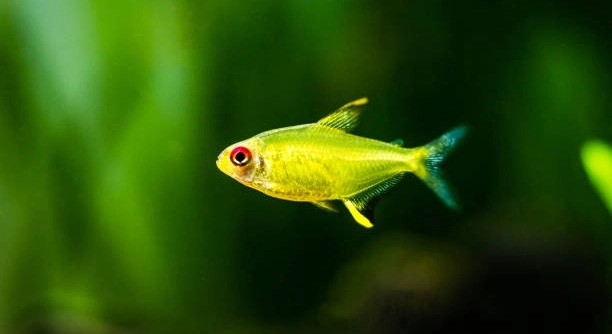
Have you ever noticed your lemon tetra shifting from soft yellows to faint grays during calm moments in the tank, making you wonder if these color changes carry subtle clues about its mood and comfort.
Subtle color variations in lemon tetras reflect underlying physiological states linked to stress, social interactions, and environmental conditions. These changes arise from chromatophore responses that adjust pigment distribution, offering measurable indicators of mood stability and behavior within controlled aquatic settings.
As you continue, you will see how each gentle shift carries meaning that can enhance your understanding of this species.
Understanding Color Signals
Lemon tetra colors shift with small changes in their surroundings, and these shifts can help you read their comfort level with more confidence. When their yellow tones appear bright and even, they feel secure and calm. When the shades appear muted or patchy, they may be reacting to stress from lighting, noise, or other fish in the tank. Observing these changes over time allows you to understand which conditions support steady behavior. I like keeping notes on small adjustments to see how each factor shapes their appearance. This approach helps create a stable environment that supports their health. You will notice that gentle improvements in lighting angles, water flow, and plant placement can reduce tension. Paying attention to these signals is a simple way to support their needs without making sudden changes that disrupt their routine. With steady observation, you will gain a clear sense of what keeps them comfortable.
These color responses help you understand what affects your lemon tetra most, giving you a simple way to adjust conditions gently. By watching their tones shift throughout the day, you can better support stable behavior without making large or stressful changes. This keeps them calm and maintains a tank routine.
Reading color changes becomes easier once you know which signals appear during calm periods and which appear during stressful moments. Bright yellow tones often reflect stable interactions, while dim or washed areas can show discomfort. I usually pay close attention during feeding and cleaning because those moments reveal quick shifts. When you see these patterns regularly, you can make gentle adjustments that help them settle. Small changes in light placement or tank layout often create positive results. Over time, these observations help you shape an environment that supports steady behavior and keeps their natural colors clear and consistent each day.
Environmental Factors
Light levels, water stability, and plant cover all influence how lemon tetras display their colors, making it important to adjust these elements with care. Small changes can bring visible improvements that support calm behavior and help maintain consistent color tones throughout the day in a aquarium that supports their comfort.
Environmental factors shape much of the color behavior you see in lemon tetras, so adjusting these elements with care is important when trying to support stable moods. Light intensity influences how their pigments appear, and overly bright areas can wash out their natural yellow glow. Soft, indirect lighting often creates a calmer setting that helps their tones remain even. Water quality also plays a strong role. Sudden shifts in temperature, pH, or hardness can cause their colors to dull as they react to the stress. Keeping a steady routine with regular partial water changes helps limit these fluctuations. Plant cover provides shelter and reduces tension by giving them places to retreat when they feel exposed. Denser foliage near the back of the tank often works well because it creates shaded sections where they can rest. Flow strength influences comfort too. Strong currents can push them around and lead to rapid color fading, while gentle flow supports smoother movement. By observing how each of these elements affects their appearance, you can shape a space that matches their natural patterns. When these conditions remain predictable, their colors become clearer, more stable, and easier to read throughout the day in a calm environment.
Social Interactions
Group dynamics influence how lemon tetras shift their tones, and subtle dominance displays often appear as brief brightening or soft fading. I prefer keeping groups large enough to reduce tension, since smaller groups tend to create competition that shows up quickly in their color changes.
Social structure shapes daily behavior, and these fish rely on steady group movement to feel safe. When the group swims in a smooth pattern, their yellow tones look more even. If one fish becomes isolated, its colors often fade as a sign of discomfort. I watch for these moments during feeding because spacing changes can reveal early signs of stress. Keeping plants arranged in loose clusters gives them pathways to regroup easily. When they move freely, their colors stabilize, making it easier to see how secure they feel in the tank.
Aggression is usually mild, but small displays can still shift pigment intensity. Short chases or fin flares often cause temporary fading around the edges of their bodies. I usually respond by checking for tight spaces or clutter that traps movement. Removing a dense decoration or opening a pathway often improves how the group circulates. When they can swim without bumping into obstacles, the tension eases. You will notice that colors return more quickly once the group settles into a smooth pattern again, showing that their comfort has improved.
Feeding Influence
Diet affects pigment clarity, and consistent nutrition helps maintain their natural tones throughout the day. I find that offering small, balanced portions at the same time each day helps reduce rapid fading that often appears when meals are irregular or too large for the group to handle.
High quality foods strengthen their color stability, especially those containing natural pigments that support yellow tones. When meals contain enough variety, their appearance stays clear and even. I usually combine flakes, micro pellets, and small frozen foods to keep them active without overfeeding. Uneaten food clouds the water and can dull their colors, so I remove leftovers right away. Spreading food gently across the surface helps the group feed together, reducing tension and preventing fast chases that disrupt their patterns. With steady feeding habits, their tones reflect better health and remain easier to read each day.
Stress Indicators
Color fading around the midsection often appears when lemon tetras react to sudden changes in their surroundings. I usually check for quick shifts in temperature or loud noises near the tank because those moments tend to leave their tones looking washed and uneven.
Rapid breathing combined with dull coloring can suggest discomfort linked to overcrowding or fast water flow. When I see these signs, I make gentle adjustments that ease movement and give them space to settle without disrupting their routine or causing more tension.
Territorial Behavior
Territorial displays appear as quick brightening along the fins followed by brief chasing. These moments usually happen near preferred hiding spots or feeding areas. When I see repeated displays, I rearrange decorations to create more open routes that ease tension and keep the group stable without crowding sensitive areas.
Resting Patterns
Soft, muted tones often appear during resting periods, especially when the tank lighting shifts to a lower level. I like keeping the space quiet during these times because steady conditions help their bodies relax and keep their colors settling into natural, gentle shades.
FAQ
Why do lemon tetras lose color suddenly
Sudden fading usually appears when they experience quick changes in their surroundings. I often see this happen after a water change that shifts temperature even slightly. These fish react fast to discomfort, and their tones can wash out within minutes. When this happens, I check temperature, lighting, and noise levels around the tank. Sudden bright room lights or sharp sounds can startle them and cause temporary fading. Once the environment settles, their tones usually return to normal. Keeping conditions steady helps prevent abrupt shifts that make their colors unstable.
How long does it take for their color to recover after stress
Recovery time depends on how strong the stressor was. Mild tension from fast movement or quick shadows usually fades within a few minutes. More intense stress, like rough handling during tank cleaning, can take longer. I try to keep movements slow when working around the tank so they can settle without reacting too strongly. When they feel safe again, their yellow tones become clearer and more even. Conditions need to stay stable, since repeated disruptions slow recovery. A quiet space and gentle lighting help their colors return faster.
What lighting setup helps maintain steady coloring
Soft and indirect lighting works best. Strong lights often wash out their tones and make them appear dull, even when they feel calm. I prefer using moderate brightness that stays consistent throughout the day. Sudden switches between bright and dim can startle them, so using a gradual transition helps keep their tones stable. Adding plants gives them shaded spots where they can rest without feeling exposed. When the lighting stays steady, their natural yellow glow appears more balanced.
Does diet affect their ability to hold bright yellow tones
Diet plays a big role. Foods with stable nutrients support consistent pigment expression. I like offering a routine mix that includes micro pellets, quality flakes, and small frozen foods. When meals lack variety, their tones can appear uneven. Overfeeding can also dull their color because leftover food affects water clarity. I keep portions small so the group eats everything quickly. This helps maintain clean water, which makes their colors more vibrant. Healthy feeding habits support better pigment distribution.
Why do some lemon tetras show darker patches at times
Darker patches often show up during social adjustments. When they interact within the group, small displays like chasing or fin flaring can alter pigment intensity for a moment. These dark marks usually fade once the group settles. I notice them most during feeding when spacing changes cause short bursts of tension. As long as the group size is appropriate and there is enough room to swim freely, these patches pass quickly. If they linger, I check for environmental stress.
Can tank mates influence their color behavior
Yes. Calm species help maintain steady coloring, while more active or nippy species create tension that can dull their tones. I avoid pairing them with fish that chase often, since this disrupts their natural rhythm. Peaceful tank mates allow them to swim smoothly and display even coloring. When the community feels balanced, color shifts become easier to read.
Why do they look paler in the morning
Their tones soften at night while their bodies rest. Low lighting and reduced activity lead to muted shades. When the tank lights rise slowly in the morning, their colors brighten again as they become active. I prefer using a gradual light setting so they adjust comfortably. Sudden brightness can delay their color returning. Morning paleness is normal and usually fades within a short time.
Final Thoughts
Caring for lemon tetras becomes easier when you understand how their colors shift in response to the space around them. Their gentle tones offer clues that help you see when they feel secure, stressed, or simply settling into a quiet moment. I like watching how their shades brighten during calm group swimming and soften when they rest, because these moments show how closely their appearance is tied to their comfort. When you keep the tank stable and predictable, they respond with clearer and more consistent coloring. This makes it easier to see their needs before issues grow. Their signals are subtle, but with steady observation, you begin to notice the quiet patterns that guide their behavior each day. A calm environment gives them room to show their natural look without sudden fluctuations that confuse their signals.
Supporting their well-being depends on keeping the tank’s conditions steady. Sudden noise, movement, or bright lights can unsettle them and lead to quick color fading. I try to keep their routine simple, since these fish feel more confident when life in the tank stays smooth from day to day. Clean water, gentle flow, and soft lighting help their colors remain even. When I notice slight fading, I go through each factor one by one to find the cause. The smallest change, like improving plant placement or adjusting flow direction, often makes a visible difference in their appearance. Their colors are gentle indicators of how balanced the tank is, so maintaining that balance keeps them healthy. Over time, their tone shifts become easier to read, and you become more comfortable making small adjustments that support them without causing new stress.
Understanding their behavior adds another layer of clarity. Color changes often appear during interactions with tank mates or during minor disruptions in their routine. I try to observe them during feeding and resting because these times show their natural patterns most clearly. When the group moves smoothly and shows bright, even tones, it usually means they feel safe. If one appears faded or moves away from the group, I look for tension or clutter that might be affecting them. A peaceful environment supports stronger color expression, while instability causes their tones to dull. Keeping an eye on how their shades shift throughout the day helps you build a stable setting where they can thrive. When you respond to their signals with gentle adjustments, their natural beauty becomes more visible, and you gain a better understanding of how simple changes shape their comfort.

Hello,
If you enjoy the content that we create, please consider saying a "Thank You!" by leaving a tip.
Every little bit helps us continue crafting quality advice that supports the health, happiness, and well-being of pets around the world, for pets of all shapes, sizes, and species.
We really appreciate the kindness and support that you show us!