
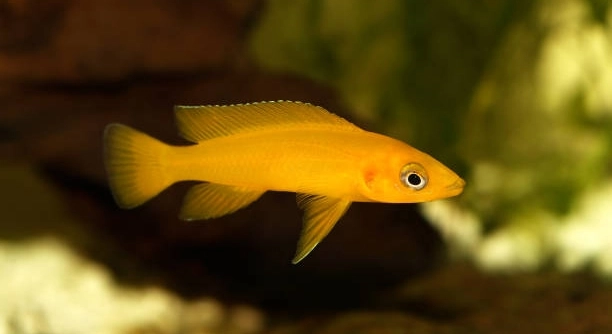
Lemon tetras are small, vibrant fish that brighten up any aquarium. They move gracefully through the water, and many aquarists notice their curious and alert behavior every day. Observing them can be surprisingly engaging and rewarding.
Recent studies suggest that lemon tetras possess the ability to detect magnetic fields. This capability likely assists in navigation and orientation within their natural habitats, providing an evolutionary advantage for locating food sources and maintaining spatial awareness.
Exploring their magnetic sense offers insights into their behavior and helps aquarists create a more suitable environment for these lively fish.
How Lemon Tetras Detect Magnetic Fields
Lemon tetras rely on specialized cells that respond to magnetic fields in their environment. These cells, likely located in the fish’s brain or near the lateral line, allow them to detect subtle changes in magnetic orientation. In nature, this helps them swim efficiently in rivers and streams, avoiding obstacles and finding safe areas for shelter. Researchers have observed that tetras align their movements with the Earth’s magnetic field, demonstrating a natural ability to sense direction. This magnetic sensitivity is not only fascinating but also plays a role in their feeding and social behaviors. Understanding these mechanisms can improve aquarium care, ensuring that tank setups mimic aspects of their natural habitats. Even small changes in tank layout, water flow, or lighting can influence how they navigate. Observing these fish over time shows a consistent pattern of magnetic field responsiveness, highlighting an impressive adaptation for such a small species.
Magnetic sensing in lemon tetras is subtle but consistent, influencing how they interact with their surroundings and other fish.
Replicating natural magnetic conditions in a home aquarium can enhance the fish’s orientation and reduce stress. Caretakers can use gentle water currents, varied terrain, and strategically placed decorations to create cues similar to those found in rivers. Maintaining stable tank parameters, such as temperature and pH, further supports natural behavior. Observing how tetras respond to these adjustments can provide insight into their navigation strategies and social organization. Over time, this attention to environmental details helps maintain a healthy, active school of fish, making them more confident swimmers and responsive to feeding routines. These subtle improvements make the aquarium experience richer and provide a closer glimpse into their natural instincts.
Practical Implications for Aquarium Care
Providing a tank that respects magnetic orientation can help lemon tetras feel secure and active. Small adjustments in decoration placement or water flow make a difference.
Designing a tank with magnetic awareness in mind involves arranging hiding spots, plants, and stones to simulate natural currents and landmarks. Fish respond to consistent spatial cues, which help them establish territories and reduce stress during social interactions. Observing their swimming patterns can guide where to place feeders and resting areas. Additionally, maintaining a stable environment with consistent temperature, pH, and lighting conditions complements these adjustments, ensuring that the fish feel confident navigating their space. Over time, tetras show improved coordination, schooling behavior, and responsiveness to feeding. Implementing these changes is straightforward but requires careful observation and patience. By integrating an understanding of their magnetic sensitivity into daily care, aquarists can foster a more natural, enriching environment that supports both physical and behavioral health. This approach emphasizes subtle details that collectively enhance the overall well-being of lemon tetras, making their aquarium habitat more suited to their instincts.
Observing Magnetic Behavior in Lemon Tetras
Lemon tetras often swim in consistent patterns, seemingly influenced by magnetic orientation. Their schooling behavior appears organized, and subtle shifts in tank arrangement can noticeably change their movement. Watching these adjustments reveals how sensitive they are to environmental cues, including magnetic fields.
When changes are made to their tank, such as rotating decorations or adjusting water flow, lemon tetras respond by realigning their swimming paths. This demonstrates that they use environmental markers for navigation. Over time, these fish establish a sense of direction and preferred swimming routes. Their ability to detect magnetic cues likely aids in maintaining cohesion within the school, helping them move together efficiently while avoiding collisions and stress. Careful observation of these patterns can inform tank layout decisions and improve overall fish welfare, enhancing natural behaviors in captivity.
Magnetic sensitivity also seems linked to feeding efficiency. Lemon tetras adjust their position and orientation when food is introduced, aligning themselves with environmental cues to locate resources faster. This indicates a connection between navigation and survival instincts. Observing these patterns can help optimize feeding strategies, ensuring all fish receive adequate nutrition and remain healthy, while also maintaining a stable, calm environment that reflects natural conditions.
Factors That Affect Magnetic Sensitivity
Environmental stability plays a key role in how lemon tetras sense magnetic fields. Sudden changes can disrupt their orientation and schooling behavior.
Water quality, temperature, and consistent lighting are critical for maintaining magnetic responsiveness. Lemon tetras rely on subtle cues from their environment, so irregular conditions can interfere with navigation. Strong currents, abrupt temperature swings, or excessive tank movement may cause disorientation. Observing their behavior after adjustments provides insight into how these factors influence their magnetic sensitivity. A stable, predictable environment allows the fish to maintain organized schooling patterns and effectively use their magnetic sense.
Proper tank design supports both natural behavior and magnetic sensing. Placing plants, rocks, and other structures consistently helps fish establish landmarks and preferred swimming routes. Smooth water flow encourages natural navigation without overwhelming their sensory systems. Adjusting tank features gradually allows tetras to adapt while reducing stress. Monitoring behavior ensures that changes enhance schooling and feeding efficiency rather than causing confusion. Combining stable water parameters with thoughtful tank arrangement promotes confidence in movement and enhances overall health. This approach provides a manageable way to support the fish’s innate magnetic abilities while creating an engaging, balanced environment.
Magnetic Fields and Social Behavior
Lemon tetras use magnetic cues to maintain school cohesion. When swimming, they align with each other, creating smooth patterns. Disruptions in the environment can cause temporary confusion, showing how important magnetic awareness is for social interaction and group coordination.
Magnetic sensitivity also helps reduce stress. Fish can navigate efficiently, avoid collisions, and respond to environmental changes. This sense supports natural behavior in captivity, helping them feel secure and confident while moving in groups.
Feeding and Navigation
Lemon tetras often position themselves based on magnetic cues when feeding. Their ability to detect orientation allows them to locate food efficiently. Subtle changes in tank layout, such as moving plants or decorations, influence how quickly they adjust and find resources, highlighting the practical importance of magnetic awareness for daily activities.
Tank Layout Tips
Consistent placement of decorations and plants helps lemon tetras navigate more easily. Stability in tank design supports natural movement and reduces stress.
FAQ
Can all tetras sense magnetic fields?
Not all tetras have been studied for magnetic sensitivity, but lemon tetras show clear evidence of it. Other species may have similar abilities, though the degree varies. Observing how different tetras move in their tanks can indicate whether they respond to magnetic cues naturally.
How does magnetic sensing affect their schooling behavior?
Magnetic awareness helps lemon tetras swim in organized groups. Each fish uses subtle environmental cues to maintain alignment with others. This coordination reduces collisions, supports social interaction, and allows the school to move smoothly through the tank or their natural habitats.
Does tank size influence their magnetic response?
Yes, larger tanks provide more space to exhibit natural orientation behaviors. In smaller tanks, movement is restricted, which can make it harder to observe magnetic responses. Providing adequate space ensures they can use their magnetic sense to navigate freely.
Can magnetic fields be artificially enhanced in aquariums?
Some aquarists experiment with mild magnetic influences, but strong artificial fields can be harmful. Gentle guidance through consistent tank layout and water flow is safer. Ensuring decorations remain in stable positions mimics natural cues without causing stress.
Do lighting conditions affect their ability to sense magnetism?
Indirectly, yes. Stable lighting helps maintain natural circadian rhythms, which support overall sensory function. Sudden changes in light can temporarily disorient fish, affecting how they respond to magnetic cues. Consistent light cycles are recommended.
Is magnetic sensing important for feeding efficiency?
Definitely. Lemon tetras often orient themselves to locate food quickly. When tank decorations or landmarks are stable, they navigate efficiently, minimizing competition and stress. Fish that can detect magnetic cues often show more confident, coordinated feeding behavior.
Can stress interfere with magnetic navigation?
Stress can reduce sensitivity. Factors like water quality changes, temperature fluctuations, or frequent handling may temporarily disrupt navigation. Maintaining calm, predictable conditions supports both magnetic awareness and general well-being.
Do juvenile lemon tetras show magnetic sensitivity?
Younger fish demonstrate it, but less consistently than adults. Magnetic sensing likely develops as they mature, improving school coordination, feeding efficiency, and spatial awareness over time. Observing juveniles in stable environments can help them build natural behaviors.
Does water flow impact their magnetic behavior?
Yes, gentle currents support natural navigation and schooling patterns. Strong or irregular flow can interfere with orientation and create stress, while smooth water movement allows fish to follow magnetic cues confidently. Adjusting flow carefully enhances their ability to maintain direction.
Can other fish interfere with their magnetic sensing?
Aggressive or highly active species can disrupt the tetras’ orientation. Maintaining compatible tank mates and stable social structures ensures lemon tetras can use their magnetic sense effectively, reducing stress and promoting natural schooling behavior.
How can I tell if my lemon tetras are using magnetic cues?
Observe their swimming patterns, schooling behavior, and response to changes in tank layout. Fish aligning consistently with environmental landmarks, avoiding collisions, and maintaining coordinated movements are likely using magnetic cues to navigate and orient themselves.
Does temperature affect magnetic sensitivity?
Yes, stable temperatures help maintain sensory function. Sudden fluctuations can temporarily reduce responsiveness. Keeping water within the recommended range for lemon tetras ensures consistent behavior and supports navigation using magnetic awareness.
Is this ability unique to lemon tetras?
It is more noticeable in lemon tetras due to research focus, but magnetic sensing exists in other fish as well. The degree varies, and ongoing studies may reveal more species with similar capabilities. Observing movement and schooling behavior can provide clues across different species.
Can tank decorations improve their magnetic navigation?
Absolutely. Consistent placement of plants, rocks, and hiding spots provides reference points. This helps tetras maintain direction, supports schooling behavior, and reduces stress, allowing them to rely on both visual and magnetic cues for efficient movement.
Does age affect magnetic awareness?
Yes, younger tetras develop this ability gradually. Adults display more reliable alignment and navigation. Providing a stable, calm environment encourages the development of magnetic sensing over time. Observing patterns in schooling and feeding can indicate the progression of this ability.
Are there health benefits linked to magnetic sensing?
Indirectly, yes. Fish that can navigate confidently experience less stress and exhibit more natural behavior. This contributes to overall health, better feeding, and more consistent social interactions. Supporting magnetic awareness through tank stability benefits both mental and physical well-being.
Can changes in water chemistry disrupt magnetic sensing?
Significant shifts in pH, hardness, or chemical composition can temporarily affect orientation. Maintaining stable water parameters is crucial for preserving natural navigation and schooling behavior in lemon tetras.
Do lemon tetras rely on magnetic sensing in complete darkness?
They likely depend more on other senses when visual cues are unavailable. Magnetic sensitivity supports orientation even with limited light, but consistent environmental landmarks enhance accuracy. Stable conditions help them adapt to low-light periods effectively.
Is schooling behavior always linked to magnetic awareness?
Magnetic cues are a major factor, but visual and social cues also contribute. Fish use a combination of senses to maintain alignment, with magnetic sensitivity enhancing coordination and confidence in movement throughout the tank.
How can observing magnetic behavior improve aquarium care?
Paying attention to swimming patterns, alignment, and feeding responses helps identify stressors or layout issues. Adjusting tank elements thoughtfully supports navigation, social behavior, and overall fish health, making care more effective and enjoyable.
Lemon tetras are fascinating fish with unique abilities that make them more than just colorful additions to an aquarium. Their capacity to sense magnetic fields plays an important role in their daily behavior. This natural sense helps them navigate their environment, maintain coordination within schools, and locate food efficiently. Observing these fish can reveal subtle patterns, such as how they adjust their swimming when decorations are moved or when water flow changes. It becomes clear that magnetic awareness is not just a curiosity but a practical tool that supports their survival instincts. Even in captivity, these small creatures continue to rely on environmental cues to move confidently and interact with each other. Recognizing the importance of this ability helps aquarists understand their behavior more clearly and provides insight into how to create a habitat that encourages natural actions.
Providing a tank that supports magnetic navigation involves more than just supplying water and food. Tank layout, decoration placement, and water flow all influence how effectively lemon tetras can orient themselves. Consistency is key; sudden changes can cause temporary confusion, stress, or disorientation. Stable lighting, temperature, and water quality also contribute to maintaining their sensory abilities. Observing schooling patterns and feeding behavior can provide feedback on whether the environment is suitable. When tetras are able to navigate efficiently, they appear more confident and active, demonstrating healthier social interactions. Small adjustments, such as arranging plants or stones in fixed positions, allow fish to develop landmarks and reference points that complement their magnetic sense. Over time, these changes create an environment that feels familiar and safe, reducing stress and encouraging natural movement patterns that reflect their instincts in the wild.
Understanding the magnetic abilities of lemon tetras also encourages more thoughtful aquarium care. By paying attention to subtle behavioral cues, aquarists can make informed decisions that improve overall fish well-being. It is not necessary to manipulate magnetic fields artificially; simple steps such as providing stable, consistent surroundings and minimizing abrupt changes are sufficient. These practices not only support navigation but also help maintain schooling cohesion, improve feeding efficiency, and reduce stress-related behaviors. Observing how lemon tetras respond to their environment can be rewarding, offering insight into the ways small fish interact with sensory information. Taking the time to notice these details and adjust care accordingly benefits both the fish and the keeper, creating a harmonious and healthy aquarium ecosystem. Supporting their natural instincts ensures that lemon tetras remain active, confident, and engaged, highlighting how even small adjustments can make a meaningful difference in their quality of life.

Hello,
If you enjoy the content that we create, please consider saying a "Thank You!" by leaving a tip.
Every little bit helps us continue crafting quality advice that supports the health, happiness, and well-being of pets around the world, for pets of all shapes, sizes, and species.
We really appreciate the kindness and support that you show us!