
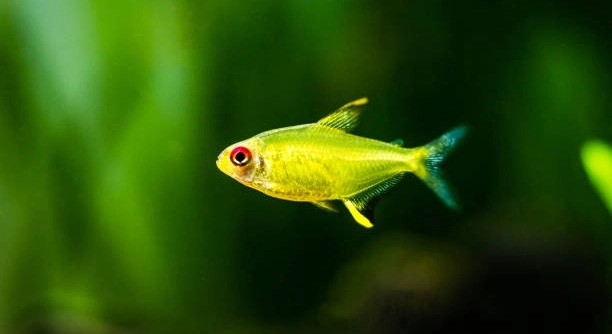
Do your lemon tetras seem stressed or unusually inactive in your tank? Sudden changes in water conditions can affect them more than you might expect. Temperature fluctuations are one of the most common culprits for their discomfort.
Lemon tetras are highly sensitive to abrupt temperature shifts. Rapid increases or decreases can trigger stress responses, compromise immune function, reduce feeding behavior, and may lead to illness or death. Maintaining stable water temperatures is critical for their well-being.
Understanding the ways temperature affects lemon tetras will help you maintain a calm, healthy environment and keep your fish thriving over time.
Sudden Drops in Water Temperature
Sudden drops in water temperature can shock lemon tetras, causing them to become lethargic and hide. Even a small decrease of a few degrees can affect their metabolism and immune system. This often happens if cold water is added during maintenance or if the heater fails. Fish may stop eating and show signs of stress, such as clamped fins or erratic swimming. Maintaining a stable environment is essential. Monitoring the water with a reliable thermometer helps prevent these sudden drops. Even minor fluctuations repeated over time can have long-term effects on health. It’s best to plan water changes carefully, ensuring the new water is at the correct temperature before adding it to the tank. Gradual adjustments prevent shock and support a balanced, healthy tank environment for lemon tetras. Regular observation of your fish can also help identify early signs of temperature stress, allowing for prompt correction and avoiding serious illness.
Sudden cold changes can quickly affect their immune system and overall behavior, leading to health issues if not addressed promptly.
Keeping a thermometer in the tank is crucial. When performing water changes, always preheat replacement water to match the tank. Avoid placing the tank near drafts or windows where temperature can fluctuate. Heaters should be checked regularly for accuracy, and using a backup heater can provide security. Even small, gradual temperature changes are easier for lemon tetras to tolerate than sudden shifts. Observing behavior after changes helps detect stress early, ensuring the fish remain healthy and active.
Rapid Increases in Water Temperature
Rapid increases in temperature can be just as harmful as drops, stressing lemon tetras and disrupting their normal behavior.
High temperatures can lower oxygen levels in the tank, making it harder for fish to breathe and thrive.
Warm water speeds up metabolism, causing increased activity but also faster depletion of energy reserves. If the temperature rises too quickly, fish may struggle to adapt, showing signs such as rapid gill movement or erratic swimming. Prolonged exposure to high temperatures can weaken the immune system, making them more susceptible to disease. It can also affect the growth of beneficial bacteria, impacting water quality. Temperature rises can result from heater malfunctions or direct sunlight hitting the tank. Preventing these shifts requires careful monitoring and placement of the aquarium in a stable environment. Regular checks of heater settings and water temperature ensure conditions remain suitable. Consistently stable water fosters healthy behavior and longevity in lemon tetras, allowing them to feed, swim, and interact normally without stress.
Fluctuating Night and Day Temperatures
Temperature swings between day and night can stress lemon tetras, causing irregular swimming and reduced feeding. They rely on a stable environment, and even small fluctuations can affect their metabolism and immune response.
Nighttime cooling or daytime heating often happens due to room temperature changes or sunlight exposure. Lemon tetras thrive when the water remains consistent, ideally within a narrow range. If temperatures drop too low at night, they may become sluggish and less likely to eat. Conversely, daytime spikes can increase activity but may exhaust them over time. Using a heater with a thermostat and monitoring ambient room temperatures helps prevent harmful swings. Covering the tank during extreme sunlight or adjusting room heating can also reduce fluctuations. Over time, maintaining a steady temperature ensures fish remain active, healthy, and stress-free, supporting normal growth and behavior in the aquarium.
Consistent monitoring and small adjustments prevent stress and promote overall tank stability for lemon tetras.
Proper placement of the tank away from windows, vents, or direct sunlight is key. Using a quality thermometer helps track temperature variations throughout the day and night. Gradual adjustments with heaters or aquarium chillers allow the fish to acclimate safely. Observing fish behavior during these periods can indicate whether the environment is stable enough. A consistent temperature range supports immune function, feeding habits, and social behavior. Avoiding rapid shifts between daytime warmth and nighttime coolness helps maintain a calm and balanced habitat for lemon tetras.
Low-Quality Heater Performance
Heaters that fail to maintain consistent temperatures can stress lemon tetras, causing illness and irregular behavior.
Faulty or poorly calibrated heaters can create hot or cold spots, making fish adapt constantly and weakening their health.
Even high-quality heaters can fail over time, leading to unexpected temperature changes. Lemon tetras are sensitive to these fluctuations, which may result in clamped fins, rapid gill movement, or hiding. Using a reliable heater with a built-in thermostat ensures consistent water temperature. It’s helpful to have a backup heater in case of failure. Regular testing of water temperature allows early detection of heater problems. Positioning the heater properly ensures even heat distribution across the tank. Keeping the environment stable supports normal feeding, reduces stress, and prevents susceptibility to diseases, maintaining a healthy, active school of lemon tetras.
Cold Water From Taps
Adding untreated tap water directly into the tank can lower the temperature suddenly, stressing lemon tetras. Even small differences from the tank temperature may cause shock.
Preheating new water before a change helps maintain a stable environment. Gradual addition prevents abrupt fluctuations and keeps fish active and healthy.
Uneven Heater Placement
Improper heater placement can create hot and cold spots, making lemon tetras constantly adjust. This uneven distribution stresses them and may affect feeding or swimming patterns.
Seasonal Temperature Changes
Seasonal shifts in room temperature can indirectly affect aquarium water. Even if the heater works, air temperature can influence water temperature gradually, causing subtle stress over weeks.
Sudden Exposure to Sunlight
Direct sunlight hitting the tank can rapidly increase water temperature. Lemon tetras react with increased activity and stress, which may lead to long-term health issues if it happens repeatedly.
FAQ
How do I know if my lemon tetras are stressed from temperature changes?
Signs of stress include clamped fins, erratic swimming, hiding, or reduced appetite. Sudden lethargy or changes in color can also indicate discomfort. Regular observation is key to catching stress early and preventing long-term health issues.
What is the ideal temperature range for lemon tetras?
Lemon tetras thrive in water between 72°F and 79°F (22°C–26°C). Maintaining this range consistently reduces stress, supports normal metabolism, and keeps their immune system strong. Sudden deviations, even a few degrees, can lead to illness or behavioral changes.
How can I prevent sudden temperature drops during water changes?
Always preheat new water to match the tank temperature before adding it. Pour slowly to avoid cold spots, and monitor with a reliable thermometer. Gradual adjustments allow lemon tetras to acclimate safely without experiencing shock.
Can room temperature fluctuations harm my fish?
Yes, even minor changes in room temperature can influence water temperature over time. Air drafts, direct sunlight, or heating vents can raise or lower water slowly, stressing fish. Placing the tank in a stable location helps minimize these risks.
Do heaters need regular checks?
Absolutely. Heaters can malfunction or drift from their set temperature. Check them regularly and consider a backup heater for safety. Uneven heat distribution from poor placement or low-quality heaters can create hot and cold spots, stressing lemon tetras.
Is it safe to use tap water directly in the tank?
Cold tap water can shock fish and cause stress. Preheating and treating the water before adding it ensures temperature consistency and removes harmful chemicals, keeping lemon tetras healthy.
How quickly can temperature changes affect my tetras?
Even small, rapid shifts of a few degrees can cause immediate stress. Prolonged exposure to slightly wrong temperatures can weaken their immune system, reduce feeding, and increase susceptibility to disease. Monitoring daily prevents these issues.
Can seasonal changes impact aquarium temperature?
Yes, changing seasons can affect room temperature, which indirectly alters water temperature. Gradual seasonal shifts may still stress lemon tetras if heaters or cooling methods aren’t adjusted. Tracking water temperature and making gradual corrections is essential.
What equipment can help maintain stable temperatures?
A reliable heater with a thermostat is crucial. A backup heater adds security. Thermometers placed in different parts of the tank help detect uneven heating. Using blinds or avoiding drafts and direct sunlight can also prevent sudden fluctuations.
How do I help my tetras recover after a temperature shock?
Move fish to stable, correctly heated water immediately. Monitor closely for signs of stress or illness. Reducing other stressors, like overfeeding or water changes, allows their metabolism and immune system to stabilize. Consistency is key to recovery.
Are lemon tetras more sensitive than other fish?
Yes, lemon tetras are particularly sensitive to temperature changes compared to hardier species. Their small size and delicate physiology make stable water conditions critical for health, activity, and feeding behavior.
Can multiple small temperature changes be harmful?
Repeated minor fluctuations over days or weeks can be as harmful as a single large shift. Consistent stress affects immunity, behavior, and growth, making long-term stability more important than occasional extremes.
What are the signs of long-term temperature stress?
Chronic stress may show as persistent lethargy, faded coloration, frequent hiding, reduced feeding, and susceptibility to diseases. Monitoring behavior and acting promptly helps prevent lasting damage.
How often should I check my tank temperature?
Daily checks are recommended, especially during extreme weather or heater maintenance. Frequent monitoring allows immediate correction of small shifts before they affect lemon tetras. Using reliable thermometers across the tank ensures even readings.
Can adjusting light schedules help with temperature control?
Yes, limiting direct sunlight and using consistent artificial lighting can prevent unwanted temperature spikes. Gradual changes in light intensity can support natural behavior without creating sudden heat fluctuations.
Are there quick fixes for sudden temperature changes?
Quick fixes include adding preheated water slowly, adjusting the heater, or using a small aquarium chiller for unexpected heat spikes. Rapid corrections should still be gradual to avoid further stressing lemon tetras.
How do I maintain stable temperature during vacations?
Using a reliable heater, possibly with a battery backup, helps keep water consistent. Avoid leaving the tank in direct sunlight or near drafts. Thermometers with alarms can alert to issues while you are away.
Do tank size and water volume affect temperature stability?
Yes, larger tanks with more water volume are more stable and resist rapid changes. Small tanks heat or cool quickly, requiring more careful monitoring and gradual adjustments to prevent stress.
Can plants and decorations impact water temperature?
Yes, dense plants or large decorations can create microclimates, slightly affecting water circulation and temperature in certain areas. Proper placement ensures even heating and prevents cold or hot spots that stress lemon tetras.
What is the best long-term strategy for temperature stability?
Maintain consistent heater settings, monitor with multiple thermometers, preheat new water, and control room temperature. Avoid rapid changes from sunlight, drafts, or maintenance. Stability supports health, behavior, and long life for lemon tetras.
Maintaining stable water temperature is one of the most important aspects of keeping lemon tetras healthy and active. These small fish are sensitive to sudden changes, and even minor fluctuations can cause stress, reduce feeding, or compromise their immune system. Consistency in the tank environment helps them thrive, swim freely, and display normal behavior. Monitoring water regularly with a reliable thermometer ensures that the temperature stays within the ideal range, usually between 72°F and 79°F (22°C–26°C). Gradual adjustments during water changes or heater replacements prevent shock and allow fish to acclimate safely. Paying attention to the placement of the tank can also make a difference. Keeping it away from windows, vents, or direct sunlight reduces the risk of sudden warming or cooling. Even if you think the room temperature is stable, small changes can affect the water over time. Regular observation of the fish helps identify early signs of stress, like hiding, clamped fins, or erratic swimming. Catching problems early allows you to take corrective measures before they become serious.
Using quality equipment is crucial for maintaining a stable environment. A reliable heater with a built-in thermostat ensures that water stays at a consistent temperature, while a backup heater can prevent emergencies if the main one fails. Placing the heater correctly in the tank allows for even heat distribution, avoiding hot or cold spots that might confuse or stress the fish. Thermometers placed in different areas of the tank can help detect uneven temperatures and confirm that the heater is working properly. During water changes, preheating replacement water to match the tank temperature avoids sudden drops or rises. Treating tap water and adding it gradually also reduces the risk of temperature shock. Even small, repeated fluctuations can have long-term effects on the health of lemon tetras, so taking simple preventive steps goes a long way in keeping them happy and active.
Paying attention to seasonal changes and room temperature variations is also important. Even if the heater works perfectly, shifts in air temperature or sunlight exposure can affect water gradually. Covering the tank during intense sunlight, avoiding drafts, and monitoring room heating or cooling helps reduce these risks. Over time, a stable and consistent environment supports growth, immunity, and normal behavior. Lemon tetras are small but delicate fish, and their well-being depends on a careful approach to temperature management. By following simple steps like monitoring water, using quality equipment, and observing behavior, you can create a safe and healthy home for your tetras. Maintaining this stability ensures that your fish remain active, vibrant, and healthy for years to come.

Hello,
If you enjoy the content that we create, please consider saying a "Thank You!" by leaving a tip.
Every little bit helps us continue crafting quality advice that supports the health, happiness, and well-being of pets around the world, for pets of all shapes, sizes, and species.
We really appreciate the kindness and support that you show us!