
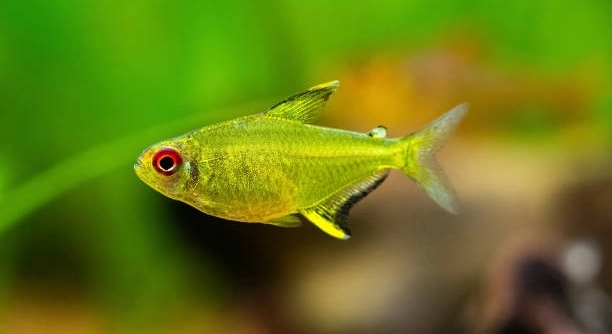
Lemon tetras are small, lively fish that brighten up any aquarium. Observing their behavior can help you understand if they are comfortable in their surroundings. Their activity, coloration, and interactions reveal how well they adapt to their habitat.
Lemon tetras exhibit several signs indicating contentment in their environment, including vibrant coloration, steady swimming patterns, regular feeding behavior, and social cohesion with other fish. Monitoring these behaviors provides insight into their health, stress levels, and overall suitability of their current habitat.
Recognizing these cues ensures your lemon tetras remain healthy and thrive, creating a balanced and harmonious aquarium environment.
Bright and Active Swimming
Lemon tetras that are comfortable in their environment swim confidently and energetically. They move through the water in smooth patterns, exploring corners and interacting lightly with plants or decorations. Sudden bursts of speed or frantic darting can indicate stress, but steady and deliberate movement shows they feel safe. Observing their swimming behavior daily gives insight into how well the tank conditions meet their needs. Fish that hide constantly or linger near the bottom may be signaling discomfort or unhappiness. Comfortable lemon tetras often form small groups, swimming together calmly, which reflects their natural social tendencies. Lighting and water temperature also influence activity levels. When these factors are balanced, the tetras maintain steady movement and seem alert. Paying attention to these subtle cues helps maintain a peaceful aquarium. Watching them glide across the tank can be both relaxing and informative, showing that their habitat is supporting healthy behavior patterns and general well-being.
Steady swimming indicates comfort, while sudden or erratic movements often reveal stress. Calm activity shows the tank is suitable.
Observing their interactions with each other and the environment allows adjustments to decorations, plants, or temperature, ensuring they remain active and healthy. Even small changes in lighting or water flow can influence how they behave. Regularly monitoring swimming habits ensures long-term stability.
Vibrant Coloration
Lemon tetras with bright, consistent colors usually indicate good health and satisfaction in their environment.
Color intensity is affected by diet, water quality, and stress levels. Fish that lose brightness may require adjustments to feeding or habitat conditions.
Consistent vibrant coloration demonstrates proper nutrition, balanced water parameters, and low stress. Healthy tetras show natural shades of yellow with a subtle shimmer. Dull or faded colors can signal issues such as inadequate diet, illness, or poor water conditions. Monitoring their color over time provides a clear gauge of environmental comfort. Offering varied foods rich in carotenoids and maintaining stable water temperature helps preserve their bright appearance. A tank that is clean and has sufficient hiding spots supports overall well-being, allowing them to feel secure. Observing color changes alongside behavior gives a complete picture of their satisfaction and health, making it easier to make adjustments before problems develop.
Healthy Appetite
A lemon tetra that eagerly eats at feeding time shows it is comfortable in its environment. Regular feeding responses reflect low stress levels and good overall health, while refusal to eat may indicate water issues or illness.
Consistent feeding behavior is one of the clearest signs that lemon tetras are thriving. They approach food without hesitation and return to normal activity immediately after eating. A varied diet with high-quality flakes, small live foods, or frozen options ensures they receive essential nutrients. Fish that ignore food or show unusual feeding patterns may be stressed, sick, or competing with more aggressive tank mates. Observing how each fish reacts to feeding allows adjustments to portions and type of food, ensuring all tetras maintain good health. Proper feeding routines help preserve energy levels, vibrant coloration, and natural behaviors. Feeding habits also indicate whether the tank setup supports their needs, including water quality and social conditions.
When tetras eat consistently, it reflects a balanced environment. Stress or poor water conditions often disrupt appetite. Careful monitoring supports long-term health and comfort.
Peaceful Social Interaction
Lemon tetras that interact calmly with each other indicate a stable and comfortable environment. Aggression or isolation can signal issues in tank dynamics or space.
Healthy tetras form small groups, swimming together and coordinating movements without chasing or nipping. They show gentle curiosity and maintain personal space while exploring the tank. Social cohesion demonstrates that water parameters, decorations, and tank size support natural behavior. Overcrowding, poor water quality, or incompatible species disrupt these interactions, leading to stress and aggression. Monitoring group dynamics helps identify problems before they affect health. Providing adequate hiding spots, plants, and open swimming areas promotes harmony. Fish that establish routines and swim in synchrony with peers reflect comfort, confidence, and proper adaptation to their environment. Adjustments to tank conditions, diet, or population can enhance their social stability, resulting in a calm and thriving community of lemon tetras.
Comfortable Hiding
Lemon tetras use hiding spots when they feel secure. Frequent, calm visits to plants or decorations show they trust their environment and feel protected from perceived threats.
Hiding is natural, but constant avoidance signals stress. Balanced tank decorations and open swimming space encourage confident exploration while allowing safe retreats when needed.
Clear Eyes and Fins
Bright, clear eyes and intact fins reflect good health. Damaged fins or cloudy eyes may indicate water issues or illness, signaling that adjustments are necessary to maintain a safe environment.
Calm Breathing
Even, relaxed gill movement shows lemon tetras are not stressed. Rapid or heavy breathing can be a sign of poor water quality or overcrowding, which requires immediate attention.
FAQ
How can I tell if my lemon tetra is happy in the tank?
Happy lemon tetras show steady swimming, bright colors, and calm social interactions. They eat regularly and explore their environment confidently. They may briefly hide, but frequent and relaxed visits to plants or decorations indicate comfort rather than stress. Observing daily behaviors helps track overall well-being.
Why is my lemon tetra hiding all the time?
Constant hiding usually signals stress or discomfort. It could result from poor water quality, sudden changes in temperature, overcrowding, or aggressive tank mates. Adjusting tank conditions, providing adequate plants and decorations, and ensuring proper water parameters encourages confidence and more active behavior.
What does it mean if my tetra loses color?
Fading colors can indicate stress, illness, or poor nutrition. Ensure the water is clean and stable, feed a balanced diet, and check for signs of disease. Bright, consistent coloration reflects a healthy environment and proper care.
How often should lemon tetras be fed?
Lemon tetras should be fed small amounts once or twice a day. Overfeeding can pollute the tank and cause stress, while underfeeding affects health and color. Observing their appetite ensures each fish receives sufficient nutrition without disrupting water quality.
Can lemon tetras be aggressive?
They are naturally peaceful, but stress or overcrowding can trigger minor nipping. Maintaining proper group size, suitable tank mates, and a spacious environment reduces aggressive behavior and promotes harmony in the community tank.
What water conditions do lemon tetras prefer?
They thrive in slightly acidic to neutral water with stable temperatures between 72–78°F. Regular water changes and monitoring pH, ammonia, nitrite, and nitrate levels maintain a comfortable and healthy habitat for these small fish.
How many lemon tetras should be kept together?
A small school of at least six tetras is ideal. They are social fish, and proper group sizes reduce stress, encourage natural behavior, and create a lively, cohesive swimming pattern within the tank.
What signs indicate illness in lemon tetras?
Signs include lethargy, loss of appetite, faded color, damaged fins, rapid breathing, or unusual swimming patterns. Early detection and maintaining water quality are key to preventing serious health issues and ensuring their well-being.
Do lemon tetras need plants in the tank?
Live or artificial plants provide hiding spots and help reduce stress. They create a secure environment that allows natural behavior, encourages exploration, and supports social interactions among fish.
How do I reduce stress in lemon tetras?
Maintain stable water conditions, provide sufficient space, add plants or decorations for hiding, avoid aggressive tank mates, and establish a consistent feeding routine. Calm environments help tetras thrive, displaying vibrant color, healthy fins, and active swimming patterns.
Is it normal for lemon tetras to swim at different levels?
Yes. Some tetras prefer the middle or upper water column while others explore near the bottom. This is natural behavior and shows that each fish feels comfortable navigating its environment. Variation in swimming levels also indicates a well-balanced habitat.
How do I encourage lemon tetras to be more active?
Ensure water quality is optimal, provide hiding spots, maintain a proper school size, and feed a nutritious diet. Avoid sudden changes in lighting or temperature, as these factors influence confidence and activity. Consistent care promotes natural, lively behavior.
Can lemon tetras live with other fish?
Yes, as long as tank mates are peaceful and similar in size. Avoid aggressive or territorial species, as they can stress the tetras. Proper group dynamics and sufficient space create a harmonious tank environment for all inhabitants.
How do I know if my tank is too small?
If tetras swim erratically, fight, or hide excessively, the tank may lack space. They need room for schooling and exploration. A minimum of 20 gallons is recommended for a small group, with open swimming areas and hiding spots distributed evenly.
What should I do if one tetra isolates from the group?
Isolation can indicate stress, illness, or bullying. Check water quality, inspect the fish for disease, and observe interactions with tank mates. Adjusting the environment or separating the affected fish temporarily may be necessary to restore health and group cohesion.
Why do lemon tetras swim close to the surface?
Swimming near the surface can indicate curiosity, feeding behavior, or low oxygen levels. Ensure adequate aeration, stable temperature, and balanced water conditions. Occasional surface swimming is normal, but persistent behavior may require investigation to prevent stress.
How do I maintain vibrant coloration in lemon tetras?
Provide a varied diet rich in carotenoids, maintain clean water, stable temperature, and low-stress conditions. Healthy tetras in a suitable environment retain bright yellow hues and a subtle shimmer, reflecting overall comfort and well-being.
Are lemon tetras sensitive to water changes?
Yes, sudden changes in temperature, pH, or chemistry can stress them. Perform gradual water changes and acclimate them slowly to maintain stability. Consistent care ensures they remain healthy, active, and stress-free in their habitat.
What is the best way to introduce new tetras to an existing tank?
Acclimate new fish slowly by floating the bag in the tank and gradually mixing tank water. Introduce a small number at a time to reduce stress and allow proper integration with the existing group. Monitoring behavior during the first few days is important.
How do I know if my lemon tetras feel secure?
Signs include calm swimming, regular feeding, healthy coloration, and gentle social interactions. They explore plants and decorations but return to open areas confidently. Observing these behaviors consistently helps ensure a stable and comfortable environment.
Final Thoughts
Lemon tetras are delicate, lively fish that respond strongly to their surroundings. Observing their behavior can tell you a lot about how comfortable they are in their habitat. Signs like steady swimming, healthy eating, and calm interactions with other fish all point to a well-adjusted tetra. When these small fish show consistent energy and activity, it means that their environment supports their needs. Proper water conditions, suitable tank mates, and adequate space allow them to thrive. Even small adjustments in the tank, such as adding plants or decorations, can make a noticeable difference in how secure and confident they feel. Watching their behavior daily helps you catch early signs of stress or discomfort, making it easier to maintain a healthy, stable aquarium.
Maintaining a balanced diet and clean water is essential for keeping lemon tetras vibrant and healthy. They benefit from a varied diet that includes high-quality flakes, small live foods, or frozen options, which helps sustain their color and overall vitality. Water quality should be monitored closely, with regular testing for pH, ammonia, nitrite, and nitrate levels. Stable temperatures and gentle water flow support their well-being, reducing stress and promoting natural behaviors. Providing hiding spots, whether with live plants or decorations, gives them security and encourages exploration. Tetras that feel safe in their environment display calm social interactions and swim confidently throughout the tank. Observing these subtle details helps ensure their needs are met consistently, creating a harmonious and thriving aquarium setting.
Paying attention to the signs of comfort in lemon tetras is key to supporting their long-term health. Clear eyes, intact fins, calm breathing, and vibrant coloration are all indicators that they feel secure. Social behaviors, such as schooling and gentle interaction, also demonstrate satisfaction with their environment. Any sudden changes in behavior, appearance, or appetite should prompt a review of tank conditions, diet, and water quality. Consistency in care, careful observation, and timely adjustments allow lemon tetras to flourish while minimizing stress. By understanding and responding to their needs, you create an environment that promotes happiness, stability, and vitality, ensuring these small fish can thrive for years in a balanced and supportive aquarium.

Hello,
If you enjoy the content that we create, please consider saying a "Thank You!" by leaving a tip.
Every little bit helps us continue crafting quality advice that supports the health, happiness, and well-being of pets around the world, for pets of all shapes, sizes, and species.
We really appreciate the kindness and support that you show us!