
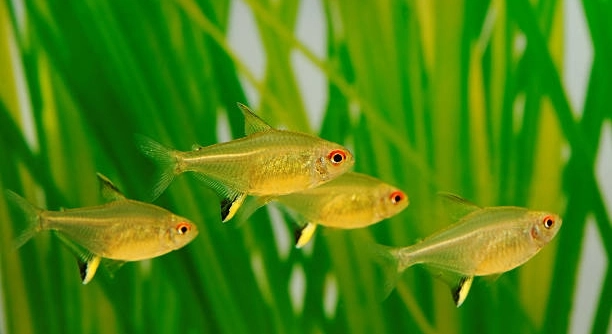
Have you noticed your lemon tetra swimming quickly at the glass, as if it sees another fish? This small, bright fish can act lively and playful, often creating amusing and puzzling behavior for aquarium owners.
Lemon tetras chase their reflection due to territorial instincts and social behavior. Mirrors or reflective surfaces trigger a perceived competitor, prompting your fish to react aggressively or curiously, mimicking interactions it would normally have with other fish in its environment.
Observing this behavior closely can reveal more about your fish’s personality and how it interacts within its tank community.
Why Lemon Tetras Are Attracted to Reflections
Lemon tetras are naturally curious and active fish. Their bright, shimmering bodies catch light easily, making reflective surfaces more noticeable. When they see their reflection, they often interpret it as another fish entering their territory. This reaction is a mix of playfulness and mild aggression. Younger fish may be more prone to chasing reflections, while older tetras sometimes ignore them after repeated encounters. Reflections in aquarium glass, ornaments, or even water surfaces can trigger this behavior. Some tetras display short bursts of chasing, while others persist longer, swimming rapidly back and forth. This is normal behavior and usually not harmful. Over time, you may notice patterns in when and how often your tetra chases its reflection, helping you understand its social tendencies and energy levels. Observing this can also indicate if your tank environment meets its needs.
Reflection chasing can be a sign of boredom or lack of stimulation in the tank.
Providing proper tank decorations, live plants, and hiding spots reduces obsessive chasing and encourages natural interactions with other tetras.
How to Reduce Reflection Chasing
Placing a background on the aquarium or adjusting lighting can help limit reflections that trigger this behavior.
Regular tank maintenance and rearranging decorations slightly can keep the environment engaging for your lemon tetra. Avoid overly reflective ornaments or glass surfaces that encourage constant chasing. Introducing live plants, floating decorations, or other tank mates provides mental stimulation and makes the tank feel less empty. Overcrowding should be avoided, but a small group of compatible tetras can create natural social interaction that reduces attention to reflections. Observing the fish’s behavior during these changes allows adjustments to improve its comfort. Proper feeding routines and maintaining consistent water quality also play a role in calming your tetra. By understanding their instincts and making small environmental changes, you can minimize chasing behavior while keeping your fish active and healthy.
Adjusting tank design and introducing natural elements can make a significant difference in behavior. Creating a stimulating, balanced environment ensures your lemon tetra feels secure and engaged, promoting long-term well-being and a calmer presence in the aquarium.
Tank Setup Considerations
Proper tank setup is key to reducing reflection chasing. Lemon tetras need enough space to swim freely, along with hiding spots and plants. Avoid bare tanks or highly reflective surfaces that can confuse or overstimulate them.
A tank of at least 20 gallons works well for a small school of lemon tetras. Adding live plants, rocks, or driftwood helps break up reflections and gives the fish places to explore. Floating plants can soften light and reduce glare on the glass. Ensuring even lighting and avoiding direct sunlight on the tank can also help. Decorations should be arranged so the fish feel secure but still have plenty of open swimming space. Changing the tank layout occasionally encourages natural exploration and keeps them mentally stimulated, which can lessen obsessive chasing of reflections.
Tank mates also influence reflection chasing. Peaceful, similar-sized fish help your lemon tetra feel less threatened, reducing aggressive reactions to its reflection. Overcrowding or incompatible fish can increase stress, making reflection chasing more frequent. Observing interactions and adjusting stocking levels ensures a calm environment. Maintaining clean water, stable temperature, and consistent feeding routines further supports balanced behavior.
Behavioral Observations
Monitoring your tetra’s daily patterns reveals when it is most likely to chase reflections. Noticing times of high activity can help you intervene with enrichment.
Lemon tetras often chase reflections during high-energy periods, typically in the morning or after feeding. Some fish may display short bursts of chasing, while others repeatedly swim toward reflections if bored. Keeping a log of these behaviors allows you to track patterns and see what triggers them most. Environmental factors like bright light, bare surfaces, or sudden movement outside the tank can increase chasing frequency. Providing varied enrichment, like plants, ornaments, or small schools of compatible fish, can redirect their attention. Adjusting tank conditions in response to observed behavior creates a healthier, more balanced environment, reducing stress and obsessive chasing over time.
Common Triggers
Reflections from glass or shiny decorations are the most frequent triggers for chasing. Lemon tetras may also react to sudden movements outside the tank.
Bright lighting or direct sunlight on the tank can intensify reflections, making your fish more likely to chase what it sees.
Social Interaction
Keeping lemon tetras in a small school helps satisfy their social needs. Group dynamics reduce focus on reflections, as fish interact naturally with each other. Ensuring a balanced number of fish prevents stress and promotes healthy, playful behavior without aggression or obsessive chasing of reflections.
When to Intervene
Persistent chasing that leads to injury or stress requires action. Rearranging the tank, adding plants, or adjusting lighting can reduce harmful behaviors.
FAQ
Why is my lemon tetra constantly chasing its reflection?
Lemon tetras chase reflections because they perceive them as other fish entering their territory. This is a natural behavior driven by instinct and curiosity. It is more common in younger or single tetras and often happens in bare tanks or near shiny surfaces. Reflections can trigger short bursts of chasing or prolonged attention.
Is reflection chasing harmful to my fish?
Occasional chasing is usually harmless. Problems arise when it becomes obsessive, causing stress, exhaustion, or injuries from swimming into glass repeatedly. Providing hiding spots, plants, and other fish can reduce stress. Observing your tetra ensures it is healthy and not overreacting to reflections.
Can tank setup affect this behavior?
Yes. Bare tanks, highly reflective ornaments, and bright lighting encourage chasing. Adding decorations, driftwood, and live plants helps break up reflections. Floating plants soften light and create a natural environment. Rearranging the tank occasionally stimulates exploration and decreases repetitive behavior.
Do tank mates help reduce reflection chasing?
Keeping lemon tetras in small groups reduces their interest in reflections. Fish feel more secure interacting with each other, which satisfies their social instincts. Overcrowding should be avoided, but compatible fish provide natural social engagement, lowering stress and aggressive responses to perceived intruders.
Does lighting influence chasing behavior?
Bright light or direct sunlight increases reflections, making chasing more likely. Even, diffused lighting prevents glare on the glass and reduces stress. Adjusting light intensity or adding plants to diffuse it can help. Observing fish activity under different lighting conditions identifies triggers and helps control chasing.
Can boredom cause reflection chasing?
Yes. A lack of stimulation encourages repetitive behavior. Adding plants, decorations, or small schools of compatible fish keeps them mentally engaged. Changing tank layout occasionally or introducing floating plants encourages exploration, reducing obsessive chasing and promoting natural, healthy activity levels.
How do I know if my fish is stressed from chasing reflections?
Signs include frantic swimming, rubbing against glass, or staying near the reflection for long periods. Stress can weaken immunity and lead to illness. Addressing tank setup, social environment, and enrichment reduces stress and supports overall health.
Should I use mirrors to entertain my tetra?
Using mirrors occasionally is fine, but prolonged exposure can cause stress. Tetras may see their reflection as a competitor, leading to repeated chasing and agitation. Short, supervised periods of mirror exposure are safer than leaving mirrors in the tank continuously.
How long does reflection chasing last?
Behavior duration varies. Some tetras chase for minutes, others for longer periods depending on tank setup, lighting, and social environment. Providing enrichment and adjusting reflective surfaces usually decreases the behavior over time.
What steps help reduce excessive reflection chasing?
Limit reflective surfaces, adjust lighting, add live plants and decorations, provide social companions, and observe your tetra’s daily patterns. Combining these strategies helps the fish feel secure, reduces stress, and promotes natural behavior without obsessive chasing.
Can changing tank decorations stop reflection chasing entirely?
It often reduces the behavior but may not eliminate it completely. Tetras are naturally curious, and reflections may still occasionally trigger chasing. Regularly updating decorations and providing consistent enrichment keeps them mentally stimulated and lowers repetitive chasing behavior.
Is this behavior normal for all lemon tetras?
Not all tetras chase reflections. It depends on individual temperament, tank conditions, and social environment. Observing your specific fish helps identify triggers and adjust the environment to ensure healthy, balanced behavior.
How important is tank size in preventing reflection chasing?
A spacious tank gives tetras enough room to swim freely and reduces territorial stress. Smaller tanks make reflections more noticeable and can increase chasing frequency. At least 20 gallons is recommended for a small school of lemon tetras to promote natural interactions and reduce obsessive behavior.
Do water conditions influence chasing?
Poor water quality increases stress, making tetras more reactive to reflections. Regular maintenance, stable temperature, and consistent feeding routines help maintain calm behavior. Healthy fish are less likely to obsess over reflections and show balanced activity levels.
Can rearranging the tank help?
Yes. Changing decoration placement creates new visual landscapes, reducing repetitive focus on reflections. Moving plants, rocks, or driftwood encourages exploration, provides mental stimulation, and decreases chasing behavior over time.
Is it necessary to consult a vet if chasing persists?
If chasing leads to injury, extreme stress, or unusual behavior, consulting a vet is recommended. Persistent obsessive behavior may indicate health or environmental issues that require professional attention.
Do some tetras stop chasing reflections as they age?
Often, yes. Older, more experienced tetras may lose interest in reflections after repeated exposure. They become accustomed to their environment and focus more on natural social interactions, reducing the frequency and intensity of chasing behavior.
How can I safely observe this behavior?
Watch your tetra during calm periods and after feeding. Take note of triggers, duration, and intensity. Observing without interfering helps you understand behavior patterns and implement changes to minimize stress and excessive chasing.
Does feeding schedule affect chasing behavior?
Feeding can influence activity levels. Hungry tetras may be more energetic and prone to chasing reflections. Consistent feeding routines help stabilize behavior, reducing hyperactivity and obsessive attention toward reflective surfaces.
Are reflections in other aquariums or nearby tanks a problem?
Yes, reflections from nearby tanks or shiny surfaces outside the aquarium can also trigger chasing. Minimizing glare and positioning tanks carefully helps prevent unnecessary stimulation and keeps your tetra calmer and more focused on its immediate environment.
Can enrichment toys or floating decorations help?
Adding floating objects, plants, or small moving decorations diverts attention from reflections. Tetras engage with these items naturally, promoting exploration, exercise, and mental stimulation while reducing repetitive chasing behavior.
Does stress from chasing affect long-term health?
Chronic stress can weaken the immune system, increase susceptibility to disease, and reduce lifespan. Preventing obsessive chasing through proper tank setup, enrichment, social interactions, and monitoring ensures your tetra remains healthy and active over time.
Is reflection chasing common in other tetra species?
Yes, many small, active tetras display similar behaviors. Species like neon tetras or cardinal tetras may also chase reflections, especially in bare tanks or under bright lighting. Understanding species-specific tendencies helps manage behavior effectively.
What is the best way to balance stimulation and calm for tetras?
A combination of proper tank size, live plants, hiding spots, compatible tank mates, consistent feeding, and controlled lighting creates a balanced environment. This reduces stress, encourages natural behaviors, and minimizes obsessive reflection chasing while keeping tetras active and healthy.
Lemon tetras are small, active fish that bring a lot of life to an aquarium. Watching them swim can be relaxing, but behaviors like chasing reflections may seem confusing at first. This is a natural instinct for these fish, driven by curiosity and social behavior. They often see their reflection as another fish, which triggers territorial or playful reactions. While it may look frantic, this behavior is normal and usually harmless if it occurs in short bursts. Observing your tetra carefully can help you understand its personality, energy levels, and social tendencies. Over time, you may notice patterns, such as when your fish is most likely to chase reflections and how long it continues before losing interest. Understanding these small details allows you to create a tank environment that supports both their curiosity and their well-being.
Creating the right tank setup is an important factor in reducing reflection chasing. Lemon tetras feel more secure in tanks that offer hiding spots, plants, and decorations that break up reflective surfaces. Bare tanks or bright, highly reflective surfaces can make chasing more frequent and sometimes stressful. A tank of at least 20 gallons is ideal for a small school of tetras, giving them enough space to swim freely while still providing areas to explore and hide. Live plants, driftwood, and rocks offer both physical and mental stimulation, while floating plants can soften light and reduce glare. Proper lighting is also essential. Direct sunlight or overly bright artificial light can intensify reflections, increasing the likelihood of chasing. Adjusting light intensity, along with rearranging decorations occasionally, encourages exploration and reduces repetitive behavior. Social factors also play a role; keeping tetras in small groups helps satisfy their social instincts and makes them less focused on their own reflection.
Behavior management is mostly about observation and adjustments. Monitoring your lemon tetra’s daily patterns and responses to different conditions allows you to see what triggers chasing and how frequently it occurs. Tank mates, feeding routines, and enrichment all affect behavior. Peaceful, compatible fish provide natural social interaction, which reduces stress and the urge to chase reflections. Enrichment, such as floating decorations, live plants, or rearranged ornaments, keeps them mentally engaged and physically active. Maintaining clean water, stable temperature, and consistent feeding routines supports overall health, making your fish calmer and less reactive. Reflection chasing often decreases as fish age and become accustomed to their environment, but it may never disappear completely. By combining proper tank setup, social grouping, and consistent care, you can ensure your lemon tetras stay healthy, active, and content in a safe and engaging aquarium. Observing, adjusting, and providing a balanced environment creates a tank where these small, bright fish can thrive while minimizing stressful or obsessive behaviors.

Hello,
If you enjoy the content that we create, please consider saying a "Thank You!" by leaving a tip.
Every little bit helps us continue crafting quality advice that supports the health, happiness, and well-being of pets around the world, for pets of all shapes, sizes, and species.
We really appreciate the kindness and support that you show us!