
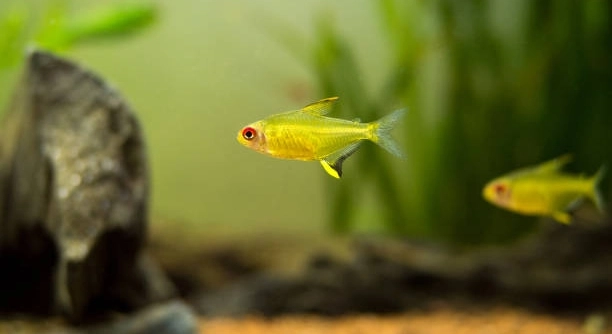
Lemon tetras are small, vibrant fish that bring life to any aquarium. Feeding them the right foods is essential, as their delicate systems can be easily affected by improper nutrition or harmful ingredients.
Certain foods can cause long-term harm to lemon tetras by disrupting their digestive systems, weakening their immune response, and affecting growth. Regular consumption of these items can lead to chronic health issues and reduced lifespan if not carefully managed.
Knowing which foods to avoid helps maintain a healthy, thriving environment for your fish. This guide will clarify the choices that support their long-term well-being.
Foods High in Fat
Lemon tetras are small fish with delicate digestive systems, and foods high in fat can easily overwhelm them. Fatty foods may seem harmless at first, but over time they can lead to obesity, fatty liver, and difficulty swimming. Even occasional overfeeding of fatty flakes or pellets may stress their system. When fat accumulates, it can affect organ function and make it harder for your tetras to absorb essential nutrients. Processed foods often contain hidden fats that are not obvious on packaging. Live or frozen foods are usually safer if given in moderation. Observing your tetras’ activity and appetite helps you gauge whether they are struggling with digestion or excess weight. Reducing fatty foods and maintaining a balanced diet ensures they remain energetic and healthy. Small adjustments in diet can make a noticeable difference in their overall condition and lifespan, keeping their bright colors and active swimming intact.
Fatty foods can compromise your tetras’ health and energy levels over time. Avoid frequent feeding of oily or processed items.
Choosing low-fat, nutrient-rich options helps support digestion, immunity, and vibrant activity. Regular observation ensures long-term health and vitality.
Overfeeding Protein-Rich Foods
Too much protein can stress lemon tetras’ organs. Protein-heavy diets, like excessive live or frozen meat-based foods, may lead to kidney strain or digestive issues if given in large amounts. While protein is necessary for growth, balance is crucial to avoid long-term harm. Small, controlled portions work best for maintaining healthy weight and organ function. Overfeeding can cause bloating, reduced swimming ability, and short-term lethargy. Protein should complement a varied diet including plant-based or flake foods. Mixing protein with other nutrients helps keep tetras active and prevents health issues. Careful monitoring of portions and frequency ensures they get enough nutrition without damaging their systems. By keeping protein levels balanced, you can support both their growth and longevity.
Moderate protein intake prevents organ strain and digestive problems while maintaining energy and activity.
Long-term health depends on proper diet control. Rotating protein sources, combining with plant-based flakes, and monitoring consumption ensures lemon tetras remain energetic and free from chronic issues. Consistent observation allows adjustments before problems develop, preserving their bright colors and overall vitality.
Foods with Added Sugars
Added sugars can be harmful to lemon tetras, causing digestive upset and long-term health issues. Flakes or pellets with sweeteners may seem harmless but can interfere with nutrient absorption. Regular exposure can reduce energy levels and make fish more prone to illness.
Sugary foods disrupt the balance of gut bacteria in lemon tetras. Over time, this can lead to bloating, lethargy, and poor growth. Their small systems cannot process high sugar levels efficiently, which may weaken immunity. Avoid foods with syrupy coatings, artificial sweeteners, or high carbohydrate content. Feeding natural, unprocessed flakes or live foods without added sugars supports proper digestion and overall vitality. Small changes in diet, like limiting sugar-rich treats, help maintain activity levels and prevent chronic health problems. Monitoring behavior and energy is crucial to catch early signs of dietary issues.
Long-term exposure to added sugars can affect organs and overall metabolism. Choosing natural, plain foods ensures tetras get nutrients without unnecessary strain. Observing their swimming patterns and appetite helps confirm dietary adjustments are effective.
Processed and Preservative-Rich Foods
Preservatives in processed foods can accumulate in lemon tetras’ systems, leading to liver stress and slower growth. Flakes, freeze-dried, or packaged foods with chemicals should be minimized.
Many commercially prepared foods contain stabilizers, dyes, and preservatives to extend shelf life. While convenient, these additives can impact internal organs over time. Chronic exposure may result in weakened immunity, reduced vitality, and premature aging. Tetras fed mostly processed foods may display dull coloration, slower movement, and decreased feeding response. Rotating with live, frozen, or high-quality flake foods reduces risks. Careful attention to ingredient labels helps identify items with minimal additives. Providing clean, chemical-free nutrition supports digestive health and enhances natural coloration, keeping lemon tetras active and vibrant. Observing their behavior after feeding processed foods can indicate tolerance or sensitivity.
Balanced feeding minimizes exposure to chemicals while maintaining health. Combining fresh, natural options with occasional safe flakes protects tetras from long-term harm. Monitoring their overall condition ensures diet adjustments support vitality and longevity.
Foods That Are Too Large
Large food particles can cause choking or digestive blockages in lemon tetras. Their small mouths and delicate digestive systems struggle to handle oversized flakes, pellets, or frozen foods, making portion size critical for their safety.
Feeding appropriately sized foods ensures tetras can eat comfortably and digest efficiently. Breaking larger items into smaller portions or choosing micro-pellets and finely crushed flakes helps prevent stress and long-term digestive problems. Consistent portion control supports energy levels, healthy growth, and overall activity.
High-Starch Foods
High-starch foods can slow digestion and contribute to weight gain in lemon tetras. Excess starch can reduce nutrient absorption and lead to lethargy. Feeding mostly starchy flakes or processed items disrupts natural metabolism, affecting health over time. Choosing balanced, low-starch options maintains vitality and proper organ function.
Raw Vegetables
Raw vegetables can be difficult for lemon tetras to digest. Foods like spinach or lettuce should be avoided or blanched to reduce digestive strain.
FAQ
What foods should I avoid giving lemon tetras regularly?
Lemon tetras are sensitive to several types of food. Avoid anything high in fat, sugar, or starch, as well as processed flakes or pellets with preservatives. Large food particles, raw vegetables, and excessive protein can also cause digestive stress and long-term health issues. Focus on small, nutrient-rich options that mimic their natural diet.
Can occasional treats harm lemon tetras?
Occasional treats are usually fine if given sparingly. The key is moderation. Even small amounts of harmful foods can accumulate over time if fed too frequently. Limit treats to safe, low-fat, and low-starch options like finely crushed flakes or tiny amounts of frozen daphnia or brine shrimp.
How do I know if my tetras are affected by bad foods?
Signs include lethargy, bloating, poor swimming, faded coloration, or irregular feeding habits. Digestive discomfort may also appear as stringy or uneven waste. Monitoring behavior after each feeding helps identify problematic foods early. Early intervention prevents long-term damage and keeps them active and vibrant.
Are live foods safe for lemon tetras?
Yes, live foods can be beneficial if balanced with other nutrition. Daphnia, micro-worms, or baby brine shrimp provide protein without overloading their system. Overfeeding live food, however, can still stress their digestive system. Rotate live food with high-quality flakes or pellets to maintain balanced nutrition.
How often should I feed lemon tetras?
Feeding small portions two to three times a day works best. Overfeeding can lead to obesity, organ strain, and water quality issues. Remove uneaten food promptly to prevent decomposition in the tank. Consistent feeding schedules support healthy growth and long-term vitality.
Can processed flakes be completely avoided?
Yes, but they must be replaced with safe alternatives. High-quality flakes with minimal additives can be used sparingly, but live or frozen foods generally provide better nutrition and reduce the risk of chemical accumulation. Observing your tetras’ response helps determine which flakes are tolerable.
Do frozen foods pose risks?
Frozen foods are safe if properly thawed and cleaned. Avoid items with preservatives or added coloring. Over-reliance on frozen protein-heavy foods can strain their organs. Combining frozen foods with flakes or micro-pellets ensures balanced nutrition and reduces long-term health problems.
Is it necessary to crush large flakes for lemon tetras?
Yes, crushing larger flakes prevents choking and eases digestion. Small, easily consumable pieces reduce stress on their digestive system and encourage consistent feeding. This simple step supports energy levels, coloration, and overall well-being.
How can I balance protein in their diet?
Protein should be moderate and varied. Rotate small amounts of live, frozen, or high-quality flake foods with plant-based or algae options. Balanced protein prevents organ strain and promotes healthy growth without causing long-term harm.
What is the safest daily diet for lemon tetras?
A combination of finely crushed flakes, occasional live or frozen foods, and low-starch, low-fat options provides the most balanced nutrition. Avoid sugary, fatty, or heavily processed foods. Regular observation ensures your tetras remain active, healthy, and colorful.
Can improper diet shorten their lifespan?
Yes, consistent feeding of harmful foods can reduce longevity. Digestive stress, organ strain, and weakened immunity from poor diet choices contribute to chronic health problems. Maintaining a carefully monitored, nutrient-rich diet helps ensure lemon tetras live longer, healthier lives.
How do I gradually change their diet?
Introduce new foods slowly, mixing small portions with familiar flakes or pellets. Observe how they respond for a few days. Gradual changes prevent stress and digestive upset, ensuring a smooth transition to a healthier, safer diet.
Are there any foods that improve their color and activity?
High-quality micro-pellets, small live foods, and nutrient-rich flakes enhance coloration and vitality. Foods rich in carotenoids or natural pigments support bright colors. Providing variety keeps them active and engaged without compromising long-term health.
What should I do if my tetra refuses healthier foods?
Mix small amounts of new foods with familiar options to encourage acceptance. Gradually increase the portion of healthier foods while decreasing less suitable options. Consistent, gentle changes usually succeed without causing stress or appetite loss.
How important is water quality in relation to diet?
Water quality is critical. Poor water conditions can exacerbate the negative effects of harmful foods. Uneaten food can decay and contaminate the tank, stressing tetras. Maintaining clean, well-filtered water complements a safe diet and supports long-term health.
Can feeding mistakes be reversed?
Yes, but timing matters. Switching to balanced, safe foods and monitoring their behavior and health can reverse minor issues. Persistent overfeeding or harmful diets may require more attentive care, but proper nutrition and observation generally restore vitality.
Are there signs of nutrient deficiency in lemon tetras?
Yes. Dull coloration, slow growth, low energy, and irregular swimming patterns indicate missing nutrients. Adjusting the diet with balanced flakes, live, or frozen foods helps prevent deficiencies and promotes overall health.
How do I maintain a healthy feeding routine long-term?
Feed small, controlled portions multiple times daily, remove uneaten food, rotate safe protein sources, and avoid additives, sugars, and high-fat items. Regular observation ensures adjustments can be made promptly to maintain vitality and longevity.
Do lemon tetras require supplements?
Supplements are rarely necessary if their diet is balanced. Natural variety in flakes, live, or frozen foods usually provides sufficient vitamins and minerals. Over-supplementing can harm their digestive system or organs. Focus on high-quality food first.
Can stress from diet affect behavior?
Yes. Poor diet can make tetras lethargic, reduce schooling behavior, or cause unusual swimming patterns. Balanced nutrition combined with clean water helps maintain normal activity, social interaction, and overall well-being.
Is there a way to safely treat occasional overfeeding?
Skip one feeding or provide very small portions of safe foods the next day. Avoid sudden fasting for extended periods. Observing the fish after adjusting portions helps prevent digestive stress while restoring energy and health.
How do I know my tetra is thriving?
Bright colors, active swimming, consistent appetite, and regular schooling behavior indicate good health. Regular observation, proper diet, and clean water all contribute to maintaining a thriving lemon tetra.
Final Thoughts
Maintaining the health of lemon tetras requires careful attention to diet and feeding habits. These small fish are highly sensitive to what they eat, and even foods that seem harmless can cause long-term problems. Avoiding high-fat, sugary, starchy, or overly processed foods helps prevent digestive stress, organ strain, and weakened immunity. Foods that are too large or difficult to digest should also be avoided, as they can lead to blockages or choking. Providing a balanced diet of small, nutrient-rich flakes, live, or frozen foods supports their natural growth and energy levels. Paying attention to portion sizes and frequency of feeding ensures that each tetra receives just enough nutrition without overloading their delicate systems.
Observation is an essential part of keeping lemon tetras healthy. Watching their swimming behavior, energy levels, appetite, and coloration can give early signs of dietary problems or stress. Lethargy, bloating, irregular swimming, or faded colors often indicate that adjustments are needed in their diet. Gradually introducing new foods while reducing harmful items helps the fish adapt without causing stress or digestive upset. A well-maintained feeding schedule, combined with clean and stable water conditions, enhances the effectiveness of a proper diet. By making small, consistent improvements in the foods you offer, you can prevent long-term health issues and support vitality. Regular monitoring ensures that any minor issues are addressed before they become serious, allowing your tetras to thrive.
The long-term well-being of lemon tetras depends on thoughtful feeding practices and attentive care. Choosing safe, appropriately sized foods and avoiding those that can harm them ensures healthy growth, strong immune systems, and active swimming behavior. Moderation is key, and rotating protein sources, flakes, and occasional live or frozen foods provides variety without stressing their systems. Maintaining water quality and removing uneaten food prevents secondary health problems that could arise from poor hygiene. Over time, these careful practices will help your lemon tetras maintain bright coloration, consistent activity, and a longer, healthier life. By committing to a mindful approach to diet and care, you can enjoy watching your tetras flourish in your aquarium.

Hello,
If you enjoy the content that we create, please consider saying a "Thank You!" by leaving a tip.
Every little bit helps us continue crafting quality advice that supports the health, happiness, and well-being of pets around the world, for pets of all shapes, sizes, and species.
We really appreciate the kindness and support that you show us!