
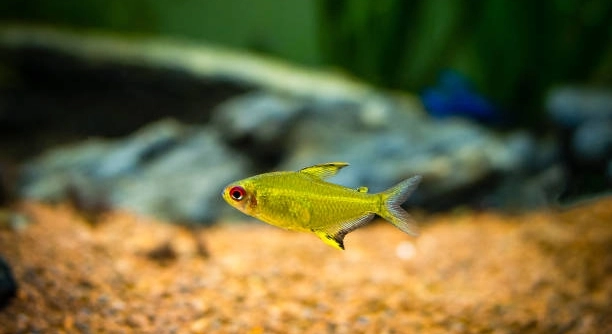
Do you enjoy watching your lemon tetras swim gracefully in their tank? Observing their bright yellow bodies darting through the water can be calming. These small fish often capture attention with their lively behavior and charming presence.
Lemon tetras may notice their reflection, but they do not truly recognize themselves. Reflections can trigger curiosity or display behaviors similar to interacting with another fish, but there is no evidence of self-awareness in this species.
Understanding how lemon tetras respond to reflections can help improve tank setups and social dynamics, ensuring these fish remain comfortable and stress-free in their environment.
How Lemon Tetras React to Reflections
When a lemon tetra sees its reflection in the tank glass, its behavior can be surprising. Some fish may swim back and forth quickly, as if trying to interact with another fish. Others might pause and stare, seemingly curious but cautious. This reaction is natural, as lemon tetras are social animals and often interpret reflections as the presence of another fish. Over time, they may become used to seeing themselves, reducing stress or erratic movements. Observing these reactions can help tank owners understand the fish’s comfort level and adjust tank placement or lighting. It is important to note that reflections do not provide stimulation in the same way real companions do. Repeated exposure to reflections may lead to mild agitation for some individuals, so monitoring their behavior is essential. Proper tank arrangements, such as avoiding overly reflective surfaces, can keep lemon tetras calm and active.
Reflections can occasionally cause minor stress, but most lemon tetras adapt quickly and resume normal swimming patterns.
Being aware of these behaviors helps maintain a stable environment. Lemon tetras thrive when they feel secure, and observing interactions with reflections allows for small adjustments in tank setup. Ensuring they have enough companions, hiding spots, and minimal reflective surfaces contributes to their overall well-being. Watching them settle after noticing a reflection can be satisfying, as it shows their ability to adapt. Careful observation can also help identify signs of stress early. A few simple changes in tank arrangement, like placing decorations near reflective areas, can prevent repeated agitation. These small adjustments encourage natural behavior while keeping the fish comfortable. Tank lighting also plays a role, as too much glare can exaggerate reflections. By maintaining a calm environment, lemon tetras will continue to display their playful and peaceful swimming patterns.
Managing Reflection Stress
Even minor reflections can catch a lemon tetra’s attention and cause brief agitation. These reactions are temporary and manageable with proper tank setup.
To reduce stress, it is helpful to place plants or decorations near glass surfaces that reflect light. Lemon tetras respond well to stable surroundings and the presence of other fish, which helps them feel secure. Consistent lighting and avoiding sudden movements near the tank can minimize startle responses. Observing the fish regularly allows owners to spot early signs of agitation, such as darting or hiding. In some cases, adjusting the tank angle or using background panels can limit reflections and provide a calmer environment. Maintaining appropriate water conditions and ensuring enough companions also support mental and physical health. These measures collectively reduce unnecessary stress caused by visual stimuli and help lemon tetras display natural, relaxed behavior. Proper attention to these details ensures their happiness and longevity, creating a thriving aquarium environment.
Signs of Stress from Reflections
Lemon tetras may show stress when exposed to strong reflections. Rapid swimming, frequent hiding, and sudden changes in color are common indicators. Watching for these signs allows adjustments to the tank environment, ensuring the fish remain calm and healthy.
Stress responses in lemon tetras can be subtle at first. Some may only slightly dart when seeing a reflection, while others might avoid certain areas of the tank entirely. Prolonged exposure can lead to decreased appetite and lower activity levels. Identifying these behaviors early helps prevent long-term issues and maintains their overall well-being. Tank decorations, lighting adjustments, and reducing reflective surfaces can significantly reduce these stress behaviors, making the fish feel more secure.
Monitoring your lemon tetras daily allows you to notice patterns in their reactions. Simple changes, like rearranging plants or adding backgrounds to reflective glass, can prevent repeated stress. Ensuring the tank has enough companions also helps distribute attention, reducing fixation on reflections. By taking these steps, you create a more comfortable environment that supports natural behaviors and keeps the fish active, healthy, and visually vibrant.
Ways to Minimize Reflection Effects
Using tank backgrounds and decorations can reduce reflections and limit visual stress for lemon tetras. Placing opaque or dark panels behind the tank helps minimize mirrored surfaces.
Strategic placement of plants, rocks, and ornaments creates hiding spots and breaks up direct reflections. Proper lighting angles prevent glare on the glass, making the environment more natural. Having a suitable number of lemon tetras in the tank helps disperse attention from reflections, promoting social interaction instead. Regular observation ensures any signs of agitation are addressed immediately. Small, consistent adjustments to tank setup enhance comfort and encourage normal swimming and feeding patterns, supporting both mental and physical well-being of the fish.
Understanding Lemon Tetra Behavior
Lemon tetras often react to reflections as if another fish is present. Their movements may appear playful or cautious, depending on individual temperament. Observing these reactions helps determine whether adjustments to the tank environment are needed.
Consistent patterns in behavior indicate the fish are adapting. If stress signs are absent, reflections are unlikely to disturb daily activities.
Tank Arrangement Tips
Arranging the tank with plants, rocks, and hiding spots reduces stress caused by reflections. Visual barriers break up mirrored surfaces and create a more secure environment. Lemon tetras feel calmer with sufficient cover, promoting natural swimming patterns and social interactions. Adjusting lighting and minimizing direct glare further supports a stable habitat for the fish.
Social Dynamics
Keeping lemon tetras in small groups encourages interaction and distraction from reflections. Companionship is important for their mental stimulation and overall well-being.
FAQ
Can lemon tetras recognize themselves in a mirror?
Lemon tetras do not have the cognitive ability to recognize themselves. They may see their reflection and respond as if it is another fish. This can result in curiosity, chasing, or cautious behavior, but it is not self-awareness. Their reactions are based on instinct and social behavior.
Is it harmful if my lemon tetra stares at its reflection?
Occasional staring is not harmful. However, constant focus on a reflection can cause mild stress. Signs of stress include rapid swimming, hiding, or changes in color. Monitoring behavior and adjusting tank conditions can reduce stress and keep the fish comfortable.
Why does my lemon tetra chase its reflection?
Chasing behavior occurs because the fish interprets the reflection as a potential companion or rival. This is natural and common among social species. Short periods of chasing are normal, but repeated or aggressive behavior may require reducing reflective surfaces in the tank.
How can I reduce stress caused by reflections?
Using plants, decorations, and background panels can break up reflections. Adjusting tank lighting to prevent glare and ensuring enough tank mates also helps. Providing hiding spots allows the fish to feel secure, promoting natural behavior while reducing agitation.
Will reflections affect my lemon tetra’s health?
Minor exposure to reflections does not usually impact health. Chronic stress from prolonged exposure can affect appetite, immunity, and overall well-being. Observing behavior and making environmental adjustments ensures the fish stay healthy and active.
Should I use a mirror to stimulate my lemon tetra?
Mirrors are generally not recommended. While they can briefly trigger activity, reflections are not a substitute for real social interaction. Providing appropriate companions and a stimulating tank environment is a safer way to encourage movement and natural behavior.
Do all lemon tetras react the same way to reflections?
Reactions vary by individual. Some fish may ignore reflections, while others may display curiosity, chasing, or cautious behavior. Differences depend on temperament, age, and social experiences. Observing each fish’s response helps tailor the tank setup to meet their needs.
Can reflections help with socialization?
Reflections can simulate the presence of another fish, but this effect is limited. Real social interaction with tank mates provides proper mental stimulation. Relying on reflections alone will not support natural social development.
What are the signs my lemon tetra is stressed by reflections?
Stress signs include frantic swimming, repeated darting toward glass, hiding more than usual, loss of appetite, or dull coloration. Recognizing these early allows for adjustments, like adding visual barriers or rearranging decorations, to create a calmer environment.
How often should I check my lemon tetra for reflection stress?
Daily observation is recommended. Monitoring behavior ensures any signs of agitation are noticed promptly. Small changes, such as adjusting lighting or adding plants, can prevent prolonged stress and maintain a stable, comfortable habitat for the fish.
Is it okay for reflections to be present occasionally?
Yes, occasional exposure is harmless. Short periods of noticing reflections usually do not cause significant stress. Most lemon tetras adapt quickly if their environment remains stable and they have companions or hiding spaces.
Can reflections trigger aggression among lemon tetras?
In some cases, a reflection may trigger temporary aggressive behavior if a fish perceives a rival. This is usually brief. Ensuring ample space and hiding spots helps prevent conflicts and maintains peaceful interactions among tank mates.
What tank adjustments are best for reflection control?
Positioning plants, rocks, or artificial decorations near reflective surfaces works well. Adding a solid background panel and reducing direct light on the glass also limits reflections. Maintaining proper lighting and tank size enhances comfort and reduces unnecessary stress.
How long does it take for lemon tetras to adapt to reflections?
Adaptation varies. Some fish may adjust in a few days, while others take weeks. Regular observation and environmental adjustments, like adding cover or adjusting lighting, support quicker adaptation and minimize stress.
Do reflections impact feeding behavior?
Occasional reflections generally do not affect feeding. Prolonged stress from constant reflections can reduce appetite. Ensuring a calm environment with hiding spots and companions supports normal feeding patterns and overall health.
Are younger lemon tetras more sensitive to reflections?
Yes, younger fish may react more strongly because they are still learning social cues. Providing a well-structured tank with plants and companions helps younger tetras feel secure and reduces stress from visual stimuli.
Can reflections replace the need for tank mates?
No, reflections cannot replace real social interaction. Lemon tetras are schooling fish, and companions are essential for mental stimulation and overall well-being. Reflections may temporarily engage them, but they do not fulfill social needs.
What is the best way to observe reflection behavior safely?
Watch from outside the tank without tapping or shaking the glass. Note patterns of chasing, hiding, or curiosity, and adjust tank setup if repeated stress behaviors are observed. Consistent observation ensures a calm, healthy environment.
Do reflections have any positive effects?
Brief reflections can trigger activity and curiosity, which may provide mild enrichment. However, these effects are limited and cannot replace real social interaction or environmental complexity needed for proper mental and physical stimulation.
How should I introduce new tank mates with reflections present?
Ensure hiding spots are available and minimize reflective surfaces to reduce stress. Gradually introduce new fish while monitoring behavior. Reducing distractions helps lemon tetras adjust to new companions without heightened stress from reflections.
Final Thoughts
Lemon tetras are small, lively fish that bring color and motion to any aquarium. Their behavior is often entertaining to watch, especially when they explore their environment or interact with tank mates. One aspect of their behavior that may catch attention is how they respond to their own reflection. Observing these responses can provide insight into their instincts, curiosity, and social tendencies. While they do not have the ability to recognize themselves, reflections can trigger reactions similar to seeing another fish. These reactions vary by individual, with some fish showing more curiosity, while others may appear cautious or even briefly agitated. Paying attention to these behaviors can help ensure that the fish remain comfortable and that the tank environment supports their natural tendencies.
Proper tank setup is essential for minimizing stress caused by reflections. Using decorations, plants, and background panels can break up mirrored surfaces and provide hiding spots that help lemon tetras feel secure. Adjusting the angle of lighting and reducing glare on the glass also reduces unnecessary visual stimulation. Observing the fish daily allows for early detection of stress, such as rapid swimming, hiding, or changes in coloration. Providing appropriate companions is equally important, as lemon tetras are schooling fish that rely on social interaction for comfort and mental stimulation. A well-planned tank that considers these factors ensures the fish remain active, healthy, and display natural behaviors, while also reducing repetitive stress from reflections.
Overall, understanding how lemon tetras interact with their environment is key to maintaining a thriving aquarium. Reflections are a natural visual stimulus, and while they may provoke temporary curiosity or agitation, these effects are manageable with proper observation and tank adjustments. Ensuring a balanced, secure environment allows lemon tetras to focus on normal behaviors like swimming, feeding, and interacting with companions. By paying attention to subtle behavioral cues and making thoughtful changes, you can create a stable, stress-free habitat for your fish. Maintaining consistency in tank setup, lighting, and social structure promotes long-term health and well-being, allowing lemon tetras to flourish and remain a vibrant, peaceful addition to any aquatic setting.

Hello,
If you enjoy the content that we create, please consider saying a "Thank You!" by leaving a tip.
Every little bit helps us continue crafting quality advice that supports the health, happiness, and well-being of pets around the world, for pets of all shapes, sizes, and species.
We really appreciate the kindness and support that you show us!