
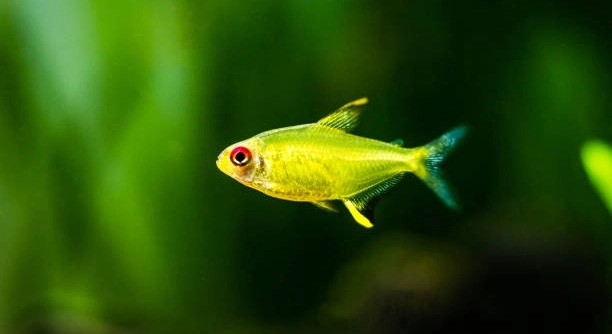
Moving a lemon tetra to a new tank can be stressful for the fish. Their small size and sensitivity make them vulnerable to sudden changes in water conditions, lighting, and decorations. Proper preparation helps them settle more comfortably.
Providing a stable and stress-free environment is essential for lemon tetras adjusting to new tanks. Gradual acclimation, consistent water parameters, suitable tank mates, proper hiding spots, and balanced nutrition all contribute to the successful adaptation of these delicate fish.
By following a few careful steps, you can make the transition smoother and support the overall health of your lemon tetras. Learning these techniques ensures their comfort and long-term well-being.
Prepare the Tank Before Introducing Lemon Tetras
Before adding lemon tetras, make sure the tank is fully prepared. Check that the water temperature is stable, ideally between 72 and 79°F. The pH should be slightly acidic to neutral, around 6.5 to 7.5. Ensure the tank is fully cycled so beneficial bacteria are established. Decorations and plants should be arranged to provide hiding spaces and open swimming areas. Soft lighting helps reduce stress, and gentle filtration avoids strong currents that can disturb the fish. Cleaning the tank and testing water parameters ahead of time prevents sudden shocks. Slowly introducing the tank’s environment to the fish ensures they feel secure. Using a quarantine tank for new fish can help monitor health and prevent diseases from spreading. Observing the fish’s behavior during the first hours helps detect early signs of stress. The right preparation encourages natural swimming and feeding behaviors, improving the overall well-being of lemon tetras.
Proper preparation reduces stress and helps lemon tetras adapt faster to their new environment, promoting healthy growth.
Taking the time to prepare the tank carefully can make a noticeable difference. Small details, like adjusting water flow and arranging hiding spots, create a safer, more comfortable space. Lemon tetras feel more secure when they have both open areas and places to retreat. A stable temperature and pH prevent shock and disease. Using live plants improves water quality and provides natural shelter. Observing the fish during the first day allows you to respond quickly to any unusual behavior. By preparing the tank in advance, you are giving the fish a sense of familiarity even in a new setting. This careful approach reduces stress and encourages natural behavior, including proper schooling and feeding. Lemon tetras thrive when their environment mimics natural conditions, with gentle lighting, moderate water flow, and clean surroundings. Maintaining these conditions over time supports long-term health and makes the tank more enjoyable to watch.
Acclimate Slowly
Acclimation should be gradual to prevent shock. Introduce the fish slowly to the tank water over several hours.
Adding lemon tetras too quickly can cause stress or sudden temperature and pH shocks. A drip acclimation method works best. Place the bag in the tank and gradually mix tank water with the water in the bag. This allows the fish to adjust to the new environment safely. Monitor the fish closely during this process for signs of stress. Moving them slowly into the tank encourages steady adaptation. Avoid sudden changes in lighting or water flow during acclimation. After several hours, gently release the fish into the tank. Proper acclimation reduces disease risk and supports feeding and natural behavior once they are fully settled.
Slow acclimation helps lemon tetras adjust to differences in water chemistry without stress. Using gradual methods like drip acclimation prevents sudden shocks and keeps the fish healthy. Observation during this stage ensures you can react quickly to any issues. Once acclimated, lemon tetras are more likely to explore the tank, eat properly, and interact with tank mates. Providing a calm environment during this period sets the foundation for long-term adaptation. Consistent water parameters, minimal disturbance, and proper feeding routines are key during this stage. Avoiding sudden changes in temperature, pH, or lighting supports their immune system. With careful attention, lemon tetras can settle in smoothly, reducing risk of stress-related illnesses. Keeping the tank stable and safe during acclimation ensures the fish start their new home with confidence. Over time, they develop natural schooling behavior and are more resilient to minor changes. By combining gradual introduction with observation, you can ensure their adaptation is successful, laying the groundwork for a healthy, thriving tank.
Maintain Stable Water Conditions
Consistent water quality is essential for lemon tetras. Sudden changes in temperature, pH, or ammonia levels can stress them. Regular testing and partial water changes help maintain a healthy environment.
Keeping the water stable prevents stress-related illnesses and encourages natural behavior. Monitor temperature daily and aim to keep it within the 72–79°F range. Check pH and hardness weekly, adjusting slowly if needed. Avoid sudden additions of chemicals or large water changes that may shock the fish. Using a reliable filtration system helps remove waste and maintain clarity. Consistency in water conditions supports feeding, swimming, and schooling behaviors, making your tank a stable, safe habitat for lemon tetras to thrive.
A routine of water maintenance is crucial. Partial water changes of 20–25% weekly help maintain cleanliness without disrupting beneficial bacteria. Monitoring ammonia, nitrite, and nitrate levels ensures the environment remains safe. Stable water parameters reduce stress, making lemon tetras more active and resilient. Gradual adjustments are preferable when altering water conditions to avoid sudden shocks. The combination of testing, filtering, and controlled water changes creates a balanced tank. Over time, this stable environment supports growth, reproduction, and long-term health. Lemon tetras respond positively to a consistent and clean habitat, which strengthens their immune system and encourages normal behavior patterns in the aquarium.
Provide Proper Hiding Spots
Hiding spots reduce stress and give lemon tetras places to rest. Plants, rocks, and decorations create shelter and improve comfort.
Hiding spots allow lemon tetras to feel secure, especially when they first arrive. Dense plants, small caves, or driftwood create natural retreats. Open swimming areas combined with hiding places mimic natural habitats. Lemon tetras will explore more confidently once they know they can retreat when threatened. Decorations should be arranged to allow both movement and cover. Overcrowding hiding spots can limit swimming space, so balance is key. Providing shelter encourages natural schooling and resting behaviors, helping the fish adjust more smoothly.
When designing hiding spaces, think about the natural environment of lemon tetras. Floating plants or tall stems provide vertical cover, while low plants or small caves offer horizontal protection. Grouping decorations creates safe zones that reduce stress during feeding or interaction with tank mates. Lemon tetras feel more secure when there are multiple retreat points throughout the tank. Avoid sharp or rough objects that can injure delicate fins. By carefully placing decorations and plants, the tank becomes both functional and visually appealing. A well-structured tank promotes exploration and reduces anxiety, helping the fish settle into the new environment faster. Regular observation ensures the fish use the hiding spots effectively and adjust their behavior naturally, supporting overall health and long-term adaptation.
Introduce Tank Mates Carefully
Compatible tank mates help lemon tetras feel secure. Avoid aggressive or much larger fish that can stress or harm them.
Peaceful, small schooling fish are ideal companions. Introducing new tank mates slowly allows lemon tetras to adjust without fear. Watch interactions to ensure all fish coexist safely.
Feed a Balanced Diet
Providing a varied diet supports health and reduces stress. Include high-quality flake food, micro pellets, and occasional live or frozen foods. Rotating food types ensures they get essential nutrients and encourages natural foraging behavior. Avoid overfeeding, as leftover food can pollute the tank and affect water quality, creating an unhealthy environment. Feeding small amounts multiple times a day mimics natural feeding patterns and keeps the fish active. Observing which foods your lemon tetras prefer helps maintain interest and ensures proper nutrition. A balanced diet strengthens their immune system, supports coloration, and promotes overall vitality, helping them thrive in a new tank.
Monitor Behavior Regularly
Watch for signs of stress, illness, or unusual swimming patterns to act early and maintain a healthy tank.
FAQ
How long does it take for lemon tetras to adjust to a new tank?
Lemon tetras usually take a few days to a week to start feeling comfortable, but full adjustment can take up to two weeks. Stress levels decrease gradually as they explore the tank, find hiding spots, and become familiar with water conditions. Proper acclimation and stable water parameters help speed this process.
Why are my lemon tetras hiding all the time?
Hiding is a natural response to stress or unfamiliar surroundings. Too much hiding may indicate water issues, strong currents, or aggressive tank mates. Ensure there are adequate hiding spots and that the tank conditions match their needs. Over time, as they feel safe, they will swim more actively.
What is the best way to feed lemon tetras in a new tank?
Feed small amounts multiple times a day rather than one large meal. Offer a mix of high-quality flake food, micro pellets, and occasional live or frozen foods. Observe their eating habits and adjust portions to prevent leftover food from polluting the tank. Feeding gradually also helps reduce stress.
Can lemon tetras live with other fish immediately?
Introducing new tank mates should be done carefully. Sudden introductions can stress both new and existing fish. Start by adding peaceful species and monitor interactions closely. Provide enough hiding spots and open swimming areas to reduce competition and aggression. Gradual introductions help maintain harmony.
What water parameters are ideal for lemon tetras?
Maintain a temperature between 72–79°F, pH around 6.5–7.5, and soft to moderately hard water. Avoid sudden changes in water chemistry, and perform regular partial water changes. Stable conditions are critical to prevent stress, encourage feeding, and support immune system health.
Why are my lemon tetras swimming at the surface or bottom?
Abnormal swimming can indicate stress, poor water quality, or illness. Lemon tetras normally swim in the middle to upper areas of the tank. Check water parameters, temperature, and tank mates. Addressing environmental or health issues early prevents long-term problems and supports normal behavior.
How many lemon tetras should be kept together?
They are schooling fish and do best in groups of at least six. Larger groups reduce stress, promote natural schooling behavior, and improve activity. Small groups or solitary tetras may feel insecure and show signs of anxiety or hiding. A proper group size ensures social stability and overall happiness.
Is it necessary to have plants in the tank for lemon tetras?
Yes, plants provide hiding spaces, reduce stress, and mimic their natural environment. Both floating and rooted plants work well. They also improve water quality and offer visual barriers that help fish feel safe. While plants are not strictly required, they significantly enhance comfort and well-being.
What signs show that lemon tetras are stressed?
Stress indicators include hiding constantly, erratic swimming, clamped fins, loss of color, or refusal to eat. Early recognition allows for corrective actions, such as adjusting water conditions, rearranging the tank, or reducing aggressive interactions. Minimizing stress is key to preventing disease and promoting healthy adaptation.
How often should I check the water when introducing lemon tetras?
During the first few weeks, monitor temperature, pH, ammonia, nitrite, and nitrate levels at least twice a week. Once fish are settled and stable, weekly checks are sufficient. Regular monitoring prevents sudden environmental changes, ensuring the fish remain healthy and comfortable in the new tank.
Can lemon tetras tolerate a community tank with other species?
Yes, if tank mates are peaceful, similarly sized, and compatible. Avoid larger or aggressive species that may nip fins or intimidate them. Ensure the tank has sufficient space, hiding spots, and balanced stocking levels. Proper planning and observation maintain harmony and reduce stress in community setups.
What should I do if a lemon tetra becomes sick?
Isolate the affected fish in a quarantine tank if possible. Test and adjust water conditions, and treat with appropriate medication as needed. Maintain good hygiene and monitor other fish for signs of illness. Early intervention improves recovery chances and protects the overall tank environment.
How can I encourage lemon tetras to explore the tank?
Provide a mix of open swimming areas and hiding spots. Maintain stable water conditions, feed regularly, and avoid sudden disturbances. Gradual acclimation and calm surroundings help them feel secure, encouraging natural exploration and schooling behavior. Observation ensures they adjust comfortably.
Do lemon tetras need a specific light schedule?
Moderate, consistent lighting for 8–10 hours a day works best. Too much light can cause stress, while too little reduces activity and feeding. Using a timer maintains a steady day-night cycle, helping fish adjust and supporting plant growth in planted tanks.
Can lemon tetras breed in a new tank?
Breeding is unlikely immediately after introduction due to stress. Lemon tetras need stable water conditions, proper nutrition, and a safe, quiet environment before breeding. They prefer shallow plants or spawning mops for egg laying. Patience is key, and breeding usually occurs once the fish feel secure and well-acclimated.
Final Thoughts
Adjusting lemon tetras to a new tank requires patience, careful observation, and attention to detail. These small fish are sensitive to sudden changes in their environment, so every step—from preparing the tank to introducing the fish—matters. Providing stable water conditions, hiding spots, and proper nutrition helps them feel secure and reduces stress. Small details like maintaining consistent temperature, pH, and water quality can make a big difference in how quickly they adapt. Even minor disturbances, such as strong water currents or aggressive tank mates, can affect their behavior. By taking the time to set up a calm and stable environment, you give lemon tetras the best chance to thrive and show their natural colors and active schooling behavior.
Feeding and acclimation also play a major role in helping lemon tetras settle in. Offering a balanced diet of flakes, pellets, and occasional live or frozen foods ensures they receive essential nutrients for growth and health. Feeding small amounts multiple times a day mirrors their natural feeding habits and keeps them active. Gradually acclimating them to new water parameters helps prevent stress and reduces the risk of illness. Observing their behavior during this stage allows you to respond quickly to any problems, such as hiding, erratic swimming, or lack of appetite. Slowly introducing tank mates and monitoring interactions ensures the community remains peaceful. A thoughtful approach to feeding and acclimation strengthens their immune system, encourages natural activity, and supports overall well-being.
Regular monitoring and ongoing maintenance are also key to long-term success. Lemon tetras respond well to consistent care, including weekly water tests, partial water changes, and careful observation for signs of stress or illness. Providing a mix of open swimming space and secure hiding areas mimics their natural environment and promotes normal behavior. Over time, they will become more confident, exploring the tank and interacting with other fish in a healthy manner. Paying attention to small details, such as light schedules and plant placement, further enhances their comfort. By committing to stable conditions, proper nutrition, and careful observation, you create an environment where lemon tetras can adjust smoothly and live a long, healthy life. The combination of preparation, patience, and consistency ensures that these delicate fish remain vibrant, active, and thriving in their new tank.

Hello,
If you enjoy the content that we create, please consider saying a "Thank You!" by leaving a tip.
Every little bit helps us continue crafting quality advice that supports the health, happiness, and well-being of pets around the world, for pets of all shapes, sizes, and species.
We really appreciate the kindness and support that you show us!