
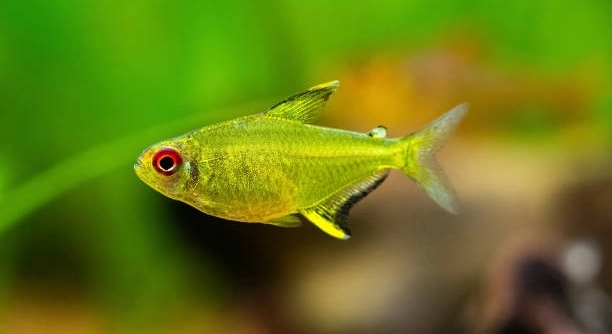
Lemon tetras are small, bright fish that bring life to any aquarium. Observing their behavior can tell you a lot about their comfort level and general well-being in their environment.
Lemon tetras display signs of feeling unsafe through hiding, darting quickly, clinging to tank edges, fin clamping, reduced activity, loss of color, and erratic swimming. Recognizing these behaviors early helps ensure their health and stability.
Noticing these subtle signs can help you create a safer and more comfortable habitat for your lemon tetras.
Hiding in Plants or Decorations
Lemon tetras often hide among plants or decorations when they feel unsafe. This behavior is a natural response to perceived threats. When a tank is new or has sudden changes, such as rearranged decorations or strong lighting, tetras may retreat to shaded areas. Hiding helps them feel protected, reducing stress and conserving energy. Over time, frequent hiding can indicate chronic stress, which may affect their health. Observing where they prefer to hide can give insights into the tank areas that feel uncomfortable or threatening. Ensuring plenty of cover, such as dense plants and caves, can help your lemon tetras feel more secure. Maintaining a stable environment with gentle lighting, consistent water conditions, and minimal sudden movements around the tank will reduce the need for constant hiding. This behavior is a subtle warning that adjustments in the tank setup might be necessary for their well-being.
Hiding is a key sign that your tetras are anxious or stressed. Addressing tank conditions can reduce this behavior.
By paying attention to where and when your lemon tetras hide, you can make changes that help them feel more comfortable. Placing taller plants near the corners and adding floating plants can create shaded areas. Avoid overcrowding the tank, and maintain consistent water temperature and quality. Tetras that feel secure are more active and display their bright colors. Over time, small adjustments in tank layout and lighting can encourage them to explore more and reduce stress-related hiding.
Darting or Quick Movements
Darting or sudden quick movements are common when lemon tetras feel unsafe. Rapid swimming can indicate fear or attempts to escape perceived threats, such as other aggressive fish or strong water currents.
Erratic movements often signal stress or discomfort in the tank environment.
When lemon tetras dart around the tank frequently, it may be due to sudden changes in their surroundings. Introducing new fish, adjusting water parameters too quickly, or adding bright lighting can trigger this response. These fast, jerky movements increase their risk of injury and fatigue. Observing the patterns of darting can help pinpoint the sources of stress. Reducing disturbances, keeping compatible tank mates, and creating calm zones with plants or hiding spots can minimize fear-driven movements. Additionally, consistent water temperature and filtration reduce environmental stressors. Over time, calmer behavior and smoother swimming indicate that the tetras feel safer. Consistently monitoring tank conditions and making small adjustments ensures that the fish remain healthy, active, and stress-free, allowing their natural behavior and vibrant appearance to flourish.
Clamped Fins
Clamped fins are a clear indicator that lemon tetras feel unsafe. Their fins stay close to their body instead of spreading naturally. This behavior often signals stress or discomfort in the tank environment.
When lemon tetras clamp their fins, it is usually a reaction to poor water quality, sudden changes in temperature, or aggressive tank mates. This behavior reduces their swimming efficiency and makes them more vulnerable to disease. Consistently observing clamped fins can help identify underlying issues in the aquarium. Adjusting water parameters, reducing disturbances, and ensuring compatible fish can help them relax. Regular water testing and gentle handling support fin health and overall well-being.
Clamped fins also appear when tetras are frightened by sudden movements outside the tank or strong currents inside. Providing calm areas with plants or decorations gives them a safe space. Over time, fins should gradually spread as the fish feel more secure. Ensuring balanced nutrition and stable environmental conditions further encourages healthy fin posture and reduces stress-related behaviors. Monitoring and responding to fin clamping early prevents long-term health issues and promotes a more active, vibrant tank.
Loss of Color
A lemon tetra losing color is often a sign of stress or feeling unsafe. Dull colors indicate that the fish is not comfortable in its surroundings.
Color loss can occur due to poor water quality, lack of hiding spots, or aggressive tank mates. Stress suppresses their natural pigmentation, and they may appear faded or pale. Frequent monitoring of water parameters, such as pH, ammonia, and nitrite levels, helps prevent this issue. Ensuring a consistent environment with proper lighting, stable temperature, and adequate plants or decorations reduces stress, helping the tetras regain their natural color over time.
Extended periods of color loss indicate ongoing stress. Observing how your lemon tetras react to environmental changes can help pinpoint triggers, such as overcrowding or incompatible species. Providing quiet zones and gradual adjustments to lighting or tank rearrangements supports their confidence. A nutritious diet rich in carotenoids and natural pigments also encourages vibrant coloration. Over time, with attention to tank conditions and minimizing stressors, lemon tetras regain their bright yellow and silver tones. Recognizing the link between environment and appearance is essential for maintaining healthy, visually striking fish.
Reduced Activity
Lemon tetras that feel unsafe often become less active. They may hover in one spot or move slowly, conserving energy while staying alert to potential threats.
This inactivity is a stress response. It can result from sudden changes in water parameters, aggressive tank mates, or insufficient hiding spots.
Erratic Swimming
Erratic swimming is a strong sign of fear in lemon tetras. They may dart around the tank, change directions suddenly, or bump into decorations. This behavior can stress their bodies and increase vulnerability to illness. Consistent monitoring and adjusting tank conditions can reduce these movements and promote calmer swimming patterns.
Staying Near Tank Edges
Lemon tetras often stay near the edges of the tank when they feel unsafe. This behavior keeps them away from the center, where they feel more exposed.
What causes lemon tetras to feel unsafe in a tank?
Lemon tetras may feel unsafe due to sudden changes in their environment. Moving decorations, new fish, or bright lights can startle them. Poor water conditions, including incorrect pH, ammonia spikes, or temperature fluctuations, also increase stress. Overcrowding or aggressive tank mates can make them feel threatened, prompting hiding or erratic swimming. Even loud noises near the tank or frequent tapping on the glass can create fear. Understanding these triggers allows you to maintain a calmer, more stable environment for your fish.
How can I tell if my lemon tetra is stressed?
Stress in lemon tetras is often visible through behavior changes. Common signs include clamped fins, reduced activity, hiding, darting, loss of color, and staying near the tank edges. They may stop eating or interact less with tank mates. Stress can also make them more susceptible to illness. Observing daily behavior helps identify small changes before they become serious problems. Noticing subtle differences, such as less vibrant coloring or slower swimming, allows you to adjust tank conditions early.
What should I do if my tetras are hiding too much?
Hiding is a normal protective behavior, but excessive hiding indicates discomfort. Ensure there are enough plants or decorations for cover but avoid overcrowding. Check water quality for proper parameters, including ammonia, nitrite, nitrate, and temperature. Reduce sudden movements or bright lights near the tank. Monitor tank mates for aggressive behavior and separate incompatible fish if necessary. Creating a calm and consistent environment encourages them to explore and reduces stress-related hiding over time.
Why do lemon tetras lose their color?
Color loss is a stress response. Dull or faded colors usually indicate poor water quality, frequent disturbances, or incompatible tank mates. Stress suppresses natural pigmentation, and dietary deficiencies may worsen it. Ensuring a balanced diet with color-enhancing foods, maintaining stable water conditions, and providing safe hiding spots can restore their vibrant yellow and silver tones. Gradual adjustments rather than sudden changes in the tank also help them regain color more quickly.
Can clamped fins harm my fish?
Clamped fins themselves do not directly harm the fish, but they indicate stress or illness. Fish with clamped fins are less mobile and more vulnerable to infections or injuries. Identifying the cause—such as poor water quality, aggressive tank mates, or environmental changes—is crucial. By addressing the source, their fins usually return to normal, and overall health improves. Providing a stable, calm environment and proper nutrition supports fin recovery.
How can I reduce darting behavior in the tank?
Darting occurs when tetras feel threatened or stressed. Reduce disturbances near the tank, maintain gentle water flow, and avoid overcrowding. Provide shaded areas with plants or decorations to create safe spaces. Introduce new fish slowly and ensure all tank mates are compatible. Gradual improvements in the environment help fish swim more calmly and reduce sudden, erratic movements.
When should I worry about erratic swimming?
Occasional darting is normal, but frequent or continuous erratic swimming is concerning. It may indicate poor water quality, disease, or ongoing stress. Test water parameters regularly and observe for other symptoms like clamped fins or color loss. If erratic behavior persists despite adjustments, consulting a specialist or experienced aquarist is advisable. Consistent observation and early action prevent long-term health issues.
Does tank layout affect lemon tetra safety?
Yes, tank layout directly impacts their comfort. Open spaces without hiding spots can make tetras feel exposed. Dense plants, caves, or decorations provide security and reduce stress. Avoid overcrowding and place plants strategically to create shaded zones. A well-planned layout encourages natural exploration and reduces fear-driven behaviors.
Can diet influence stress in lemon tetras?
Nutrition plays a role in stress resistance. A varied diet with high-quality flakes, frozen, or live foods supports their immune system. Deficiencies can weaken fish, making them more sensitive to environmental stress. Regular feeding schedules and avoiding overfeeding help maintain health, color, and energy levels, contributing to a calmer, more confident fish.
How long does it take for lemon tetras to feel safe again?
Recovery time varies depending on the cause of stress. Minor environmental changes may see improvement in a few days, while chronic stress from poor water conditions or aggressive tank mates can take weeks. Providing a stable, calm, and enriched environment speeds up recovery. Regular observation ensures timely adjustments and long-term safety for the fish.
The FAQ section above provides practical advice for recognizing and addressing safety concerns in lemon tetras. Consistently monitoring behavior, water quality, and tank conditions helps maintain a healthy and secure environment for these delicate fish.
Lemon tetras are small, lively fish that can add color and movement to any aquarium. Observing their behavior is one of the best ways to ensure they are healthy and comfortable. Signs such as hiding, darting, clamped fins, reduced activity, loss of color, erratic swimming, or staying near the edges all indicate that the fish may feel unsafe. These behaviors are natural responses to stress or fear, and they should be taken seriously. By paying close attention to these signals, you can make informed adjustments to their environment and reduce stress. Small changes in water quality, tank layout, or lighting can have a significant impact on how secure your lemon tetras feel.
Creating a safe and stable environment is essential for the well-being of lemon tetras. Consistent water parameters, including temperature, pH, and ammonia levels, are crucial. Sudden changes in these conditions can trigger fear and stress behaviors. Tank layout also plays a major role. Providing plenty of hiding spots with plants, decorations, or caves allows tetras to retreat when they feel threatened. Minimizing disturbances near the tank, avoiding overcrowding, and ensuring compatible tank mates can also reduce stress. Even seemingly minor adjustments, like adding floating plants or adjusting the water flow, can make the tank feel more secure. Over time, these changes help lemon tetras regain their natural behavior, swim more confidently, and display their vibrant colors.
Maintaining long-term safety and comfort for lemon tetras requires ongoing observation and care. Monitoring their behavior regularly can help detect subtle signs of stress before they become serious problems. Proper nutrition, stable water conditions, and thoughtful tank design all contribute to their overall health. Remember that each fish is slightly different, and what may cause stress in one group might not affect another in the same way. By consistently providing a calm, stable, and enriched environment, you allow lemon tetras to thrive, stay active, and display their natural beauty. Ensuring their safety not only supports their health but also creates a more enjoyable and peaceful aquarium experience.

Hello,
If you enjoy the content that we create, please consider saying a "Thank You!" by leaving a tip.
Every little bit helps us continue crafting quality advice that supports the health, happiness, and well-being of pets around the world, for pets of all shapes, sizes, and species.
We really appreciate the kindness and support that you show us!