
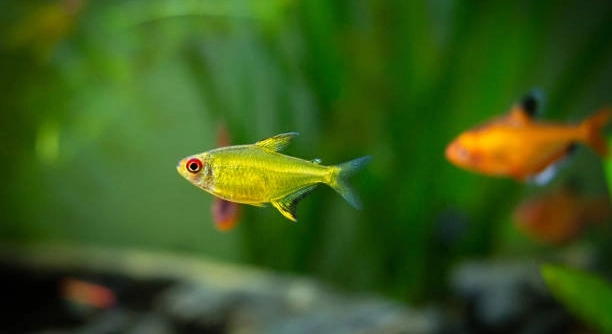
Keeping Lemon Tetra in groups creates a lively and harmonious aquarium environment. These small, vibrant fish naturally enjoy social interaction, and watching them move together brings a sense of calm and visual appeal to any tank.
Lemon Tetras thrive in groups because they exhibit more natural behaviors, reduced stress levels, and improved overall health. Social living enhances schooling patterns, encourages active swimming, and strengthens immunity, making group housing essential for their well-being and longevity.
Observing their coordinated movements and bright colors is rewarding, and maintaining a group ensures a happier, healthier aquarium community.
Improved Social Behavior
Keeping Lemon Tetras in groups encourages natural social behavior that is often missing in solitary fish. They interact with each other through coordinated swimming and subtle body language, which helps them feel secure and reduces aggression. A small group of five to ten tetras can quickly establish a hierarchy, allowing them to communicate effectively and navigate their environment safely. This social structure prevents stress and promotes a more balanced tank dynamic. When they school together, they mirror each other’s movements, which enhances their coordination and stimulates mental activity. Fish that live alone may appear listless or hide more often, while group-living tetras are active, curious, and consistently exploring. Observing their schooling behavior is not only satisfying but also indicates that the fish are thriving in a suitable environment. Providing enough space, hiding spots, and compatible tank mates further supports this social lifestyle. Groups also help distribute attention and reduce the risk of dominant individuals stressing smaller fish.
Social behavior in groups strengthens their ability to adapt and reduces stress-related illnesses.
Group living encourages cooperation, natural interaction, and mental stimulation, creating a dynamic tank environment that keeps the fish healthy and active throughout their life.
Enhanced Visual Appeal
Lemon Tetras in groups create vibrant, eye-catching displays in aquariums. Their bright yellow bodies shimmer as they move together, reflecting light and adding depth to the tank.
A well-arranged group enhances color contrast and movement, making the aquarium more visually engaging. Watching a school of tetras glide in unison brings a sense of liveliness that is absent when fish are kept alone. Small schools make patterns, like swirls and waves, which add a dynamic, almost choreographed visual element. Grouped tetras highlight the beauty of the tank plants and décor, as their synchronized swimming naturally draws the eye. A single tetra may look attractive, but it does not capture the same energy or fullness that a group provides. Ensuring the group has enough space prevents overcrowding, allowing them to swim freely and display their colors vividly. By considering tank size, plants, and lighting, the visual appeal of grouped Lemon Tetras is maximized, giving the aquarium a more natural and captivating appearance. The movement of the school also mimics natural habitats, making the tank more authentic and enjoyable to observe over time.
Reduced Stress Levels
Keeping Lemon Tetras in groups helps lower stress. They feel safer together, which reduces hiding and erratic swimming behaviors.
When tetras are in groups, they naturally rely on each other for cues about potential danger. Solitary fish often appear anxious, constantly darting or hiding, which can lead to weakened immune systems and slower growth. Grouped tetras, however, display calmer and more consistent behavior. Their interactions create a sense of security, allowing them to explore the tank without fear. Stress reduction directly improves health, coloration, and lifespan.
Groups also help manage aggression. If one fish shows dominance, others can respond and adjust, preventing continuous bullying. This balance maintains a harmonious tank. Social stimulation in schools keeps their minds active, further reducing stress. Over time, healthy, relaxed tetras exhibit vibrant colors and steady energy levels. Maintaining the right group size and providing hiding spots ensures that stress stays low, supporting overall well-being in the aquarium environment.
Better Feeding Behavior
Lemon Tetras in groups feed more efficiently. They stimulate each other to eat and prevent food hoarding by one fish.
When feeding a group, the fish often follow each other to food sources, which encourages all members to get a fair share. A single tetra may be timid or eat slowly, while a group promotes competitive yet balanced feeding habits. Schooling ensures that even shy individuals get adequate nutrition. Feeding together also reinforces natural instincts, like darting for food in short bursts and returning to the group for safety. Over time, this consistent group feeding leads to healthier growth, stronger immune systems, and more active behavior. Watching their synchronized feeding is satisfying, as it reflects both natural instincts and social harmony. Maintaining proper portions and spacing food throughout the tank reduces stress and encourages even distribution. Group feeding makes the tank routine predictable and enjoyable for both the fish and the caretaker.
Stronger Immune System
Keeping Lemon Tetras in groups supports their immune system. Reduced stress and social interaction help them resist common illnesses and infections.
Schooling also encourages more consistent activity and proper feeding. Active, well-nourished fish develop stronger defenses, making them less susceptible to disease over time.
Natural Schooling Patterns
Lemon Tetras exhibit their true schooling behavior only in groups. Moving together helps them coordinate turns, avoid threats, and maintain social bonds. Observing these patterns creates a lively, dynamic aquarium, showing their natural instincts in action.
Easier Tank Maintenance
Groups of Lemon Tetras help distribute waste more evenly in the tank. This prevents localized pollution and reduces the risk of sudden water quality issues.
FAQ
How many Lemon Tetras should I keep together?
Lemon Tetras are schooling fish, so keeping at least six together is recommended. Smaller groups can lead to stress and timid behavior, while larger groups of ten or more create a lively, active tank. The group size also depends on the tank space; more room allows for more fish. Proper group sizes promote natural swimming patterns and healthier social interactions.
Can Lemon Tetras live with other fish?
Yes, Lemon Tetras are generally peaceful and can coexist with other small, non-aggressive fish. Ideal tank mates include rasboras, guppies, and small catfish. Avoid larger or aggressive species that may bully or eat them. Keeping compatible species ensures harmony in the tank and reduces stress for all fish.
What water conditions do Lemon Tetras need?
They thrive in slightly acidic to neutral water, with a pH around 6.5 to 7.5, and temperatures between 72°F and 78°F. Regular water changes and stable parameters are essential. They prefer soft to moderately hard water. Proper water conditions reduce stress, prevent disease, and maintain vibrant colors.
How often should I feed Lemon Tetras?
Feeding small amounts once or twice a day is sufficient. They enjoy flake food, micro-pellets, and occasional live or frozen foods like daphnia or brine shrimp. Avoid overfeeding, as leftover food can pollute the tank. Observing their behavior during feeding ensures all fish are eating properly.
Do Lemon Tetras need a planted tank?
While not strictly necessary, a planted tank is highly beneficial. Plants provide hiding spots, reduce stress, and help maintain water quality. Live plants also mimic their natural environment and encourage natural schooling behavior. Even a few well-placed plants can improve the overall health and activity of the group.
How long do Lemon Tetras live?
With proper care, they can live 3 to 5 years, sometimes longer in well-maintained tanks. Group living contributes to longevity by reducing stress and promoting natural behaviors. Regular monitoring, feeding, and water maintenance are key to helping them reach their full lifespan.
Why do Lemon Tetras lose color sometimes?
Color fading can occur due to stress, poor water quality, or insufficient nutrition. Being in a small group or alone often contributes to stress, making colors dull. Providing a healthy diet, stable water parameters, and keeping them in a group enhances their vibrant yellow hue.
Is breeding Lemon Tetras difficult?
Breeding is possible but requires careful preparation. They need soft, slightly acidic water and a separate breeding tank with fine-leaved plants. Adults may eat their own eggs, so removing them after spawning helps fry survival. A well-fed, healthy group increases the chances of successful breeding.
What is the ideal tank size for a group?
A minimum 20-gallon tank is recommended for a small group of six to ten Lemon Tetras. Larger groups require bigger tanks to provide enough swimming space and reduce territorial disputes. Adequate space supports schooling behavior and keeps the fish healthy and active.
Can Lemon Tetras live in a community tank long-term?
Yes, they can thrive in a community setup if tank mates are peaceful and the environment meets their needs. Monitoring water quality, feeding habits, and group behavior ensures all fish coexist without stress or aggression. Grouped Lemon Tetras integrate naturally, creating a balanced aquarium dynamic.
How can I tell if my Lemon Tetras are healthy?
Healthy fish are active, swim in coordinated schools, display bright colors, and respond to feeding. Signs of illness include faded colors, lethargy, loss of appetite, or hiding. Observing their schooling and interaction is a good indicator of overall health. Proper care and group living support vitality and longevity.
Are there any common mistakes to avoid?
Keeping too few tetras, overcrowding, poor water maintenance, or mixing aggressive fish can harm Lemon Tetras. Overfeeding or insufficient hiding spots also create stress. Following group guidelines, maintaining water quality, and providing compatible tank mates prevent common problems and ensure a thriving aquarium.
Keeping Lemon Tetras in groups is one of the simplest ways to ensure their well-being. These fish naturally thrive in social settings, and having several together allows them to display their true behaviors. A group of six or more creates a sense of security, reducing stress and promoting active swimming. When they school, their movements are coordinated, making the aquarium feel more lively and engaging. Alone, a Lemon Tetra may appear timid or hide frequently, but in a group, they explore, interact, and respond to their environment in a way that reflects their natural instincts. Observing a group of tetras glide together is satisfying and also indicates that the fish are healthy and comfortable in their surroundings. The presence of multiple fish ensures they have company, which can prevent loneliness and encourage proper social interactions that contribute to their mental and physical health.
Maintaining a group of Lemon Tetras also positively affects their health in measurable ways. Stress is one of the main contributors to disease in fish, and living in a group helps reduce it. Fish in groups are more confident when feeding, which leads to better nutrition and steady growth. Their immune systems benefit from the decreased stress, making them less prone to common illnesses. Group dynamics also help prevent aggression from individual fish, as a balanced school allows dominance behaviors to spread naturally without continuously targeting one fish. In addition, schooling encourages constant movement, which keeps them active and fit. A lively, active fish is not only more visually appealing but also demonstrates that the tank environment is functioning properly. Providing a clean, spacious tank with proper water parameters and hiding spots further supports the group’s overall health.
Groups of Lemon Tetras also enhance the aesthetic of an aquarium. Their bright yellow coloring and synchronized swimming patterns create a natural, vibrant display that is pleasing to watch. Plants and decorations in the tank are highlighted by their movements, as the tetras interact with the environment and create a dynamic scene. The visual appeal is not just about color; it is also about observing their natural behaviors, which makes the aquarium feel more balanced and lively. When the group size is appropriate for the tank, they can move freely, feed efficiently, and school naturally, providing both entertainment and a sense of calm. Overall, keeping Lemon Tetras in groups is a straightforward way to ensure their health, happiness, and the beauty of the aquarium, making it a practical and rewarding choice for anyone caring for these fish.

Hello,
If you enjoy the content that we create, please consider saying a "Thank You!" by leaving a tip.
Every little bit helps us continue crafting quality advice that supports the health, happiness, and well-being of pets around the world, for pets of all shapes, sizes, and species.
We really appreciate the kindness and support that you show us!