
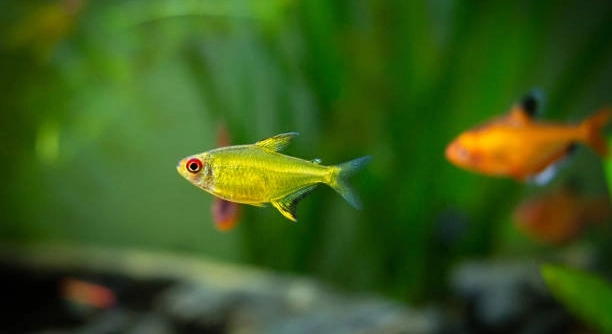
Lemon tetras are lively, small fish that brighten up any aquarium. Watching their behavior can be fascinating, especially when they slow down and seem less active during certain times of the day. Observing these changes helps you understand their habits better.
Lemon tetras rest by reducing movement, hovering near plants or decorations, and adopting a slightly lowered posture. Their fins may become less active, and their swimming patterns slow, indicating periods of rest necessary for maintaining their health and well-being.
Recognizing these subtle cues ensures your fish stay healthy and comfortable in their environment, making care more enjoyable and effective for any aquarium enthusiast.
Recognizing Resting Behavior in Lemon Tetras
Lemon tetras show clear signs when they are resting. Their movement slows, and they often hover near plants or decorations, staying in one spot for longer periods. Their fins may drift rather than move actively, and their bodies seem less tense. Sometimes they tuck closer to the substrate or hide slightly behind objects, seeking comfort and security. This behavior is completely normal and part of their daily cycle. Observing these moments helps you understand when they need a calm environment. Over time, you will notice patterns, like specific times of day when they prefer resting. They might also group together while resting, which can provide a sense of safety. Recognizing these cues ensures that you can provide a peaceful setting without unnecessary disturbance, which is vital for their health.
Monitoring these resting habits is essential for maintaining a balanced tank and avoiding stress in your fish.
Consistent observation allows you to create a stable environment. By noting where and when lemon tetras rest, you can optimize tank placement and decorations to suit their needs. Proper lighting schedules and avoiding sudden disturbances during their resting periods help support their well-being.
Environmental Factors Affecting Rest
Tank conditions directly influence how comfortably lemon tetras rest.
Water temperature, lighting, and tank layout all impact their rest patterns. Consistent temperature and gentle lighting encourage regular resting behavior. Plants and hiding spots give them security, reducing stress and promoting longer rest. Strong currents or frequent disruptions can interrupt their sleep cycle, causing them to be restless or lethargic. Ensuring clean water with proper filtration also contributes to a healthy environment, allowing natural behaviors to occur. Overcrowding can limit their space to rest, so maintaining an appropriate number of fish per tank is crucial. Even subtle factors like noise or vibrations near the tank can affect their comfort. Paying attention to these conditions ensures that lemon tetras have a stable, calm environment that supports both active periods and rest. Proper setup and observation are key to supporting their overall health and daily rhythms.
Signs Your Lemon Tetras Are Resting
Lemon tetras often stay still near plants or decorations when resting. Their fins move gently, and their bodies appear relaxed. Groups may cluster together. Subtle changes in posture, like lowering closer to the substrate, indicate they are in a resting state.
Watching them closely helps identify consistent resting patterns. They may choose specific areas of the tank, like shaded corners or behind decorations, to feel safe. During these times, they reduce activity and avoid unnecessary swimming. This behavior is normal and necessary for their overall health. Observing these habits over days allows you to notice subtle differences between active periods and rest periods.
Resting also includes minor adjustments in positioning. Some tetras tilt slightly or hover at mid-levels, while others stay near the bottom. Fins may flutter occasionally, but swimming remains minimal. These variations help them conserve energy while remaining alert to their environment, reflecting a healthy balance between activity and rest.
Creating a Comfortable Environment
Providing proper hiding spots is essential for restful lemon tetras.
Plants, rocks, and decorations give them areas to retreat. These hiding spots reduce stress and encourage longer resting periods. Avoid placing items too close together, which can overcrowd the tank. Space should allow swimming as well as resting, so fish can move freely between safe zones. Lighting should be gentle, mimicking natural day-night cycles, to help them maintain regular rhythms. Sudden noises or vibrations should be minimized to prevent disturbances. Water quality is equally important, as clean, stable conditions support normal behavior. By combining secure hiding areas, appropriate spacing, and calm surroundings, tetras feel comfortable enough to rest naturally, improving their overall health and vitality.
Timing and Daily Patterns
Lemon tetras tend to rest during the quieter parts of the day. Early mornings and late evenings are common times for reduced activity. Their energy levels drop naturally, and they seek calm areas within the tank to hover or gently drift.
Observing their routine helps in adjusting feeding and maintenance schedules. Resting patterns can vary slightly depending on light exposure, tank temperature, and group dynamics. Keeping track ensures you do not disturb them during these periods, which supports their health and comfort.
Adjusting Lighting for Rest
Consistent lighting helps regulate their rest. Avoid sudden bright lights, which can startle them. A gradual transition between day and night encourages natural resting behavior. Soft, indirect lighting replicates their natural environment, signaling when to be active and when to rest. Proper lighting ensures they follow a healthy daily rhythm.
Signs of Disturbance
Frequent swimming in tight circles or darting quickly can indicate rest is being interrupted. Observing these behaviors allows you to adjust the tank environment.
FAQ
How can I tell if my lemon tetra is resting or sick?
Resting lemon tetras will reduce movement but still respond when approached. Their fins flutter lightly, and they hover calmly near plants or decorations. Sick tetras may show unusual behaviors like rapid gill movement, clamped fins, or staying at the bottom without reacting. Observing consistency in behavior over days helps distinguish normal rest from illness.
Do lemon tetras need a dark environment to rest?
They do not require complete darkness, but dim or soft lighting encourages natural resting behavior. Bright or sudden lighting can disturb them, causing stress or interrupting their rest. Using a light timer can help simulate natural day-night cycles and support consistent resting patterns.
How long do lemon tetras rest each day?
Lemon tetras typically have multiple resting periods throughout the day and night. These periods may last from a few minutes to an hour, depending on their activity levels, tank conditions, and group behavior. Consistent routines in feeding and lighting help stabilize these resting intervals.
Can stress affect resting patterns?
Yes, stress significantly affects rest. Overcrowding, aggressive tankmates, strong currents, or frequent disturbances can prevent tetras from resting properly. Signs of stress include constant movement, hiding, or erratic swimming. Providing calm areas, proper tank size, and compatible companions promotes healthy rest.
Is it normal for them to rest near the surface?
While lemon tetras usually rest near mid-level or lower areas of the tank, occasional surface resting is normal if they feel secure. However, prolonged surface hovering may indicate poor water quality or low oxygen levels. Monitoring tank parameters ensures they remain safe and comfortable.
Do lemon tetras rest alone or in groups?
They often rest in small groups for safety, as schooling behavior provides security. Individual resting can occur if a fish feels comfortable in its surroundings. Observing their grouping tendencies helps you identify what is normal for your specific tank dynamics.
Does tank temperature influence resting?
Yes, temperature affects activity and rest. Ideal water temperature for lemon tetras is between 72-78°F (22-26°C). Water that is too cold or too warm can disrupt resting patterns, causing lethargy or hyperactivity. Maintaining stable temperatures is key for predictable behavior.
Can feeding schedules impact rest?
Regular feeding supports consistent resting behavior. Overfeeding or irregular feeding can make tetras more active at unusual times, disrupting their natural rest periods. Providing small, evenly spaced meals helps maintain predictable energy levels and encourages normal resting habits.
What are signs of a well-rested lemon tetra?
A well-rested tetra shows calm hovering, smooth fin movement, and balanced swimming. They respond appropriately to tankmates and feeding without excessive hiding or frantic movements. Observing these behaviors over days ensures that your fish are getting adequate rest and maintaining health.
How can I create the best environment for resting?
Provide plants, rocks, and decorations for secure resting spots. Maintain stable water conditions, avoid overcrowding, and minimize sudden movements or vibrations near the tank. Use consistent lighting cycles and monitor temperature. A calm environment allows tetras to rest naturally, improving their overall health, behavior, and longevity.
Can resting patterns change as they age?
Yes, older lemon tetras may rest longer or choose different spots compared to younger fish. Energy levels decrease with age, and providing comfortable resting areas becomes even more important. Monitoring changes ensures that any unusual behavior is not a sign of illness.
Is it okay if some tetras rest while others are active?
Yes, not all tetras will rest at the same time. Differences in activity levels, hierarchy, or personality can cause staggered resting periods. As long as most fish follow a predictable pattern and show no signs of distress, this is normal behavior.
Do lemon tetras need complete rest at night?
They benefit from quieter, dimly lit periods at night but do not require absolute inactivity. Natural swimming and small adjustments are part of their resting behavior. Ensuring minimal disturbances at night helps them maintain a healthy cycle.
How often should I observe resting behavior?
Daily observation is ideal to understand patterns and detect any changes. Short, regular checks are better than prolonged interference. This approach allows you to maintain their environment while monitoring health and stress levels effectively.
Can water changes affect resting patterns?
Yes, sudden water changes can temporarily disrupt resting habits. Gradual water changes with stable temperature and parameters minimize stress. Observing their behavior before and after adjustments helps ensure that their rest is not negatively impacted.
Do tank decorations affect where they rest?
Absolutely. Plants, caves, and ornaments provide secure spots. Tetras prefer areas where they feel sheltered from open spaces. The placement and density of decorations should allow free swimming as well as resting areas, balancing security and mobility for the fish.
How long should it take to notice regular resting behavior?
Most lemon tetras will settle into predictable resting patterns within a few days to a week after being introduced to a stable tank. Consistency in feeding, lighting, and environment helps them establish routine rest periods quickly.
Can resting behavior indicate overall health?
Yes, changes in resting patterns can be an early indicator of health issues. Excessive hiding, lethargy, or unusual postures may signal stress, poor water quality, or illness. Monitoring rest is a practical way to assess their well-being regularly.
Is group size important for rest?
Yes, lemon tetras are schooling fish. Smaller or isolated groups may feel insecure, altering resting behavior. Keeping an appropriate group size encourages normal schooling and resting patterns, improving both comfort and overall health in the tank.
How do I know if they are getting enough rest?
Consistent hovering, calm swimming, and normal feeding behavior are good indicators. If tetras appear active at unusual times or show signs of stress, their resting periods may be insufficient. Maintaining a calm, predictable environment ensures they rest adequately each day.
Final Thoughts
Observing lemon tetras resting is an important part of understanding their behavior and keeping them healthy. These small fish show subtle signs when they are resting, like slowing down, hovering near plants, or staying in one area of the tank. Their fins may move gently, and their posture often becomes slightly lowered. Noticing these patterns helps you distinguish normal rest from stress or illness. Over time, watching their daily rhythms gives insight into how comfortable they feel in the tank and what adjustments might improve their environment. Ensuring they have quiet, calm spaces to rest allows them to recover energy naturally and maintain overall health. Resting is as essential for tetras as feeding or swimming, and acknowledging it ensures you provide the care they need consistently.
Providing a proper environment greatly supports resting behavior. Lemon tetras feel more secure with plants, rocks, or other decorations that give them places to hide and hover. These areas reduce stress, allowing them to rest without feeling threatened. Soft lighting or gradual transitions between day and night also promote regular resting periods. Avoiding sudden disturbances, loud noises, or vibrations near the tank helps maintain a calm atmosphere. Tank conditions such as temperature, water quality, and proper filtration play a significant role as well. Stable conditions prevent erratic behavior that might disrupt rest. By creating a tank that balances secure hiding spots, gentle lighting, and clean water, you support both the active and resting behaviors of lemon tetras, encouraging natural routines that contribute to their well-being.
Consistently observing and adjusting care helps maintain healthy resting patterns. Not all tetras rest at the same time, and their preferences for specific locations may vary. Keeping track of these differences allows you to understand the needs of individual fish while ensuring the group remains comfortable. Paying attention to factors like lighting schedules, feeding times, and tank setup creates predictability, which encourages natural rest. Sudden changes in behavior, prolonged inactivity, or unusual postures can signal problems with water quality, stress, or illness, so being attentive is key. Recognizing when tetras are resting and providing an environment that supports these behaviors ensures they remain active, healthy, and comfortable during waking periods. Regular monitoring, calm surroundings, and appropriate tank care help lemon tetras thrive, making it easier to maintain a balanced aquarium where their natural behaviors, including resting, are fully supported.

Hello,
If you enjoy the content that we create, please consider saying a "Thank You!" by leaving a tip.
Every little bit helps us continue crafting quality advice that supports the health, happiness, and well-being of pets around the world, for pets of all shapes, sizes, and species.
We really appreciate the kindness and support that you show us!