
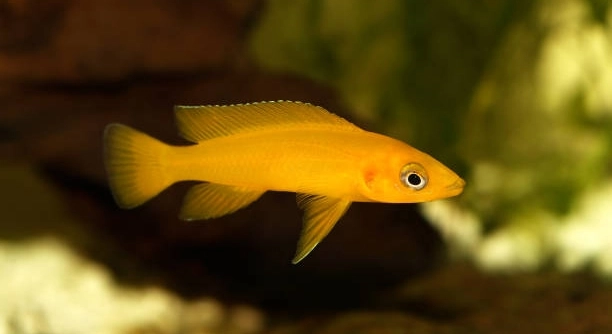
Have you ever set up a new aquarium and wondered if your lemon tetras could handle regular tap water? Many fish owners face this concern when introducing these bright, cheerful fish into their home tanks. Their delicate nature makes water choice important.
Lemon tetras can tolerate tap water if it is properly treated and monitored. Ensuring the water is free from chlorine, chloramine, and harmful metals, while maintaining stable temperature and pH levels, is essential for their health and longevity.
Knowing the right steps for water preparation will help your lemon tetras thrive and avoid common health issues in your aquarium.
Understanding Lemon Tetra Water Needs
Lemon tetras are small, lively fish that need stable water conditions to stay healthy. While they are often considered hardy, sudden changes in water quality can stress them. Tap water usually contains chlorine or chloramine, which can harm fish if not treated properly. Using a water conditioner to neutralize these chemicals is a simple step that protects your fish. Besides chemical treatment, monitoring pH, hardness, and temperature is important. Lemon tetras prefer slightly acidic to neutral water, with a pH between 6.0 and 7.5. Temperature should be kept between 72°F and 78°F. Consistent water changes help maintain clean, safe water and prevent buildup of harmful compounds like ammonia or nitrite. Using a gentle filter reduces strong currents, which lemon tetras do not handle well. Observing your fish daily helps you spot early signs of stress or illness, ensuring they remain active, colorful, and thriving in your tank.
Proper water preparation prevents most health problems for lemon tetras and supports long-term well-being in home aquariums.
Even small tap water issues can affect your fish over time. Checking chlorine levels, adjusting pH gradually, and maintaining temperature stability are simple but effective steps to prevent stress. Regular maintenance ensures a safe, comfortable environment for lemon tetras.
Tap Water Treatment for Lemon Tetras
Using untreated tap water can harm lemon tetras, even if the fish appear healthy at first. Always add a water conditioner to remove chlorine and chloramine before introducing water into the tank. Test kits are useful to measure pH, hardness, and ammonia levels. Slight adjustments may be needed to match the water to the conditions lemon tetras prefer. Aeration can help stabilize oxygen levels, especially in tanks with multiple fish. Filter placement and gentle flow also support a calmer environment. Avoid sudden temperature changes when adding new water, as this can shock the fish. Keeping a regular schedule for partial water changes helps maintain overall water quality. Monitoring fish behavior, like swimming patterns and appetite, can indicate water-related issues early. A clean substrate and removal of leftover food reduce waste accumulation. Taking these steps ensures lemon tetras remain healthy, vibrant, and stress-free, creating a stable aquarium environment that supports their natural behavior and bright coloration.
Signs Lemon Tetras Struggle with Tap Water
If lemon tetras appear lethargic or lose their bright color, water quality may be the cause. Gasping at the surface or unusual hiding can indicate stress. Monitoring their behavior daily helps catch problems early.
Changes in swimming patterns, loss of appetite, or clamped fins often show the fish are uncomfortable with tap water. These signs can appear gradually, so careful observation is essential. Testing the water for ammonia, nitrite, pH, and chlorine levels can reveal issues that need correction. Even minor fluctuations can cause stress, affecting their immune system and increasing susceptibility to disease. Taking action early prevents long-term health problems.
Yellowing fins, faded body color, and increased aggression between fish can all signal poor water conditions. Adjusting water parameters slowly and treating tap water before use usually resolves these issues. Regular maintenance, including partial water changes and filter cleaning, keeps the aquarium stable. Observing your tetras’ behavior daily helps ensure they remain active, healthy, and colorful.
Preparing Tap Water for Safe Use
Water conditioners neutralize chlorine and chloramine immediately, making tap water safer for lemon tetras. Removing these chemicals prevents gill damage and stress. Conditioned water also stabilizes pH, supporting a comfortable environment.
Testing water before each change ensures parameters match the tank’s established levels. Gradually adding conditioned water avoids sudden shifts in pH or temperature, reducing stress on the fish. Using a thermometer and test kits for pH and hardness helps maintain consistency. Aeration and gentle filtration support oxygen levels and water circulation without stressing the tetras. Regular partial water changes prevent buildup of ammonia or nitrites that could harm the fish. Tracking these steps helps maintain a stable, safe aquarium environment for lemon tetras.
Adjusting pH for Lemon Tetras
Maintaining a stable pH is crucial for lemon tetras. Sudden shifts can stress them and affect feeding. Ideal pH levels range between 6.0 and 7.5, slightly acidic to neutral, supporting natural behavior and vibrant coloration.
Using pH buffers or natural methods like driftwood can help adjust levels gradually. Test water regularly to ensure stability. Small, consistent changes are safer than large adjustments, preventing shock. Observing fish behavior after changes confirms they are adapting well. Consistency is key for long-term health.
Water Temperature Guidelines
Lemon tetras thrive in water between 72°F and 78°F. Temperatures outside this range can cause stress, weaken immunity, and reduce activity. Maintaining a consistent temperature is essential for a healthy tank environment.
Chlorine and Chloramine Removal
Water conditioners efficiently remove chlorine and chloramine from tap water. This simple step prevents gill damage and protects your fish from harmful chemicals. Always treat new water before adding it to the tank.
FAQ
Can lemon tetras live in untreated tap water?
Lemon tetras should not be placed in untreated tap water. Tap water often contains chlorine, chloramine, and other chemicals that can harm gills and stress fish. Always use a water conditioner to neutralize these chemicals before adding water to the tank. Even small amounts of untreated chemicals can cause health issues over time.
How often should I change tap water for lemon tetras?
Partial water changes should be done weekly, typically 20-30% of the tank volume. This helps remove waste, excess nutrients, and maintain stable water parameters. Always treat new tap water with a conditioner and match its temperature and pH to the tank water to prevent stress.
What pH level is best for lemon tetras?
Lemon tetras prefer a slightly acidic to neutral pH, around 6.0 to 7.5. Keeping pH stable is more important than hitting an exact number. Sudden shifts in pH can stress the fish and lead to illness. Using natural materials like driftwood can gently lower pH if needed.
How do I adjust water hardness for lemon tetras?
Lemon tetras thrive in soft to moderately hard water. You can adjust hardness using commercial buffers or natural methods like peat moss. Test your water regularly to ensure it remains within the ideal range. Avoid sudden changes, as rapid shifts can shock your fish.
Can I use tap water straight from the faucet after adding conditioner?
Yes, treated tap water is generally safe once a conditioner removes chlorine and chloramine. Make sure the water temperature and pH match the aquarium to prevent stress. Always pour water slowly and avoid sudden changes in water level or flow.
What happens if lemon tetras stay in water with high chlorine?
Exposure to chlorine can damage their gills, reduce oxygen intake, and lead to lethargy or death. Even low levels over time can weaken the immune system. Using a water conditioner is essential to prevent these problems and maintain healthy, active fish.
Is it okay to use tap water for new tanks?
Yes, but only after proper treatment. New tanks should have conditioned water and be fully cycled before adding fish. This prevents toxic ammonia or nitrite spikes, which are common in freshly set up aquariums and can harm lemon tetras.
How do I know if my lemon tetras are stressed by water?
Signs of stress include clamped fins, faded color, erratic swimming, or hiding excessively. Regular observation and monitoring of water parameters help detect problems early. Quick adjustments to pH, temperature, or chemical levels can relieve stress and restore normal behavior.
Can I mix tap water with bottled or filtered water?
Yes, mixing is possible to adjust hardness or pH. Make sure the combined water is treated and parameters are stable before adding it to the tank. Gradual changes reduce stress and maintain a healthy environment for lemon tetras.
Do lemon tetras need a heater with tap water?
If tap water is below 72°F, a heater is recommended. Lemon tetras prefer 72-78°F, and temperature fluctuations can weaken immunity. A stable heater ensures consistent water temperature, keeping fish active and healthy.
Can I use water softeners or filters directly on tap water?
Some home filters remove chlorine and metals, but not always completely. Always test treated water with a conditioner and verify pH, hardness, and temperature before adding it to your tank. Combining methods often gives the safest results.
How long can lemon tetras tolerate minor water fluctuations?
They can tolerate small changes for short periods, but repeated fluctuations in pH, temperature, or chemical levels cause chronic stress. Maintaining stable, conditioned tap water is the safest approach for their long-term health.
What are the long-term effects of untreated tap water?
Prolonged exposure can lead to stunted growth, weakened immunity, gill damage, and disease. Fish may appear healthy initially but often develop chronic health problems. Treating tap water and monitoring water quality prevents these issues and supports vibrant, active fish.
Is it necessary to test tap water before each use?
Yes, testing ensures chlorine, pH, hardness, and temperature are safe. Regular testing helps catch changes in municipal water supplies or plumbing that may affect fish. Keeping a log can simplify ongoing maintenance and prevent surprises.
Can lemon tetras adapt to hard tap water?
They can tolerate moderate hardness but prefer soft to slightly hard water. Gradual acclimation helps them adjust, but extreme hardness or rapid changes can be harmful. Maintaining consistent, treated tap water ensures their health and longevity.
How important is aeration when using tap water?
Aeration supports oxygen levels, especially in warmer water. Tap water may have less dissolved oxygen after treatment, so adding a small air pump or filter flow can help fish remain active and stress-free.
What is the best way to pour tap water into a tank?
Pour slowly onto a plate or rock to avoid disturbing substrate and fish. Gradual addition reduces stress and prevents sudden temperature or flow changes that could upset lemon tetras. This simple step improves acclimation to fresh water.
How do I maintain tap water quality over time?
Regular testing, partial water changes, proper filtration, and temperature monitoring are key. Avoid adding untreated water or chemicals suddenly. Keeping the tank consistent ensures lemon tetras stay healthy, colorful, and active in their environment.
Are there signs that tap water treatment isn’t enough?
Fish showing lethargy, clamped fins, faded color, or unusual swimming may indicate water problems. Retest pH, hardness, chlorine, and ammonia. Adjust treatment methods gradually to restore safe, stable conditions for your lemon tetras.
Can lemon tetras survive if I forget to treat tap water occasionally?
Occasional exposure may not kill them immediately, but repeated mistakes stress fish, weaken immunity, and increase disease risk. Treating every water change is the safest practice for long-term health and well-being.
How much conditioner should I use per liter of tap water?
Follow the manufacturer’s instructions, usually based on water volume. Overdosing is rarely harmful, but consistent dosing ensures chemicals are neutralized without affecting pH or hardness significantly. Accurate measurement protects fish health.
Is there a difference between chlorine and chloramine treatment?
Yes, chloramine is more stable and requires a stronger or longer-acting conditioner. Standard chlorine treatments may not neutralize it fully. Always check product labels to ensure complete removal before adding water to your tank.
Can lemon tetras detect untreated chemicals?
Yes, fish sense changes in water quality. Stress behaviors like gasping, hiding, or erratic swimming often appear before visible damage occurs. Treating tap water removes harmful chemicals and keeps fish comfortable.
Should I aerate water after treatment?
Aeration is beneficial but not always necessary if using a filter. It helps increase oxygen levels and ensures safe conditions, especially in warmer water or heavily stocked tanks.
What’s the safest routine for using tap water?
Condition, test, adjust pH and temperature, aerate if needed, and perform regular partial water changes. Observing fish daily ensures they remain active and healthy. Consistency is the key to keeping lemon tetras thriving in tap water.
Can I use old treated tap water from a bucket?
Yes, as long as it’s stored safely without contamination. Aerating or gently stirring before use helps maintain oxygen levels. Avoid leaving water for too long, which can allow chemical changes or debris buildup.
How long after treatment is tap water safe?
Water is generally safe immediately after adding conditioner, but always check temperature and pH to match the tank. Properly conditioned water provides a safe environment without waiting periods.
What is the easiest way to monitor tap water quality?
Use reliable test kits for pH, hardness, ammonia, and chlorine. Keeping a simple log helps track changes over time. Observing fish behavior complements testing and ensures water remains suitable.
Can lemon tetras tolerate slight variations in tap water temperature?
They can tolerate minor fluctuations but prolonged changes outside 72-78°F can cause stress. Maintaining consistent temperature with a heater or monitoring during water changes keeps fish healthy and active.
Does tap water with high metals affect lemon tetras?
Yes, metals like copper or lead can be toxic. Water conditioners often bind metals, but testing or using a safe filtration system ensures levels remain non-harmful for fish.
Are there natural ways to treat tap water?
Yes, adding driftwood, peat moss, or botanicals can gently adjust pH and hardness. These methods supplement chemical conditioners but should be monitored to avoid sudden changes.
Is it okay to mix treated tap water with aquarium water from another tank?
Yes, if the water is compatible in pH, hardness, and temperature. Gradual mixing prevents stress and maintains stable conditions for lemon tetras.
Can lemon tetras live in rainwater or distilled water?
Pure distilled or collected rainwater lacks minerals and may be unsafe unless adjusted. Properly conditioned tap water remains the easiest, safest, and most reliable choice.
What daily signs indicate water issues?
Gasping at the surface, clamped fins, hiding, or lack of appetite all suggest water problems. Quick testing and treatment ensure lemon tetras remain healthy.
Is dechlorinating tablets as effective as liquid conditioner?
Yes, if used according to instructions. Both neutralize chlorine and chloramine. Liquid conditioners are easier to dose accurately, while tablets may take longer to act. Both methods are effective when properly applied.
How do I prevent ammonia spikes in tap water?
Partial water changes, proper filtration, and monitoring feedings help prevent ammonia buildup. Conditioned tap water avoids chemical stress that can worsen ammonia toxicity. Regular testing ensures levels remain safe.
Can lemon tetras detect pH changes immediately?
Yes, sudden pH shifts often cause stress behaviors. Gradual adjustments allow them to adapt without harming health or coloration. Consistent monitoring helps maintain stability.
How much water should I change each week?
Changing 20-30% weekly is ideal. This removes waste and keeps water parameters stable. Always treat new water and match temperature to prevent stress.
Is it necessary to remove all metals from tap water?
Yes, metals can be toxic. Conditioners that bind metals protect gills and prevent long-term damage. Testing ensures levels are safe before adding water.
Can lemon tetras survive in hard tap water long-term?
They may survive moderate hardness, but ideal water is soft to slightly hard. Consistent parameters and gradual acclimation are key for healthy, colorful fish.
Are tap water fluctuations worse in small tanks?
Yes, smaller volumes are more sensitive to changes in temperature, pH, and chemicals. Extra care is needed when treating tap water for small aquariums.
Can I use bottled water instead of tap water?
Yes, if minerals and pH are suitable. Tap water remains convenient and cost-effective when treated properly. Bottled water requires testing and sometimes adjustment.
Does tap water treatment affect beneficial bacteria?
Conditioners that remove chlorine and chloramine usually protect beneficial bacteria. Avoid using excessive chemicals that could disrupt the tank’s biofilter. Gradual water changes maintain a stable bacterial environment.
How long should I wait after adding tap water before feeding fish?
Feed once water has fully mixed, temperature is stable, and conditioner has acted. Usually, this is immediate with proper treatment. Observation ensures fish respond normally.
Are there long-term benefits of consistently using treated tap water?
Yes, consistent treatment prevents stress, disease, and color fading. Fish stay active, healthy, and reproduce normally. A stable routine ensures your lemon tetras thrive for years.
Can lemon tetras recover from short-term tap water stress?
Yes, if treated quickly and water parameters are corrected. Providing optimal conditions, clean water, and monitoring recovery helps fish regain normal behavior and coloration.
Is filtered tap water always better than treated tap water?
Not always. Filtration removes some chemicals, but conditioning ensures chlorine and chloramine are neutralized. Combining methods can be effective, but proper treatment is the key factor for safety.
Can over-conditioning tap water harm lemon tetras?
Overuse is rarely harmful, but it can slightly alter pH or hardness. Follow instructions carefully and measure accurately to maintain safe water conditions.
How do I acclimate lemon tetras to new tap water?
Introduce treated water gradually, adjusting temperature and pH slowly. Observing fish for stress ensures they adapt without shock. This method supports health and reduces risk of disease.
Can lemon tetras detect untreated tap water instantly?
They sense harmful chemicals quickly. Stress behaviors appear before visible damage, making proper water treatment essential for prevention.
Do lemon tetras need extra care during seasonal water changes?
Yes, municipal water can vary in temperature and chemistry. Testing, conditioning, and gradual adjustments help maintain stability during seasonal shifts.
What is the safest method to pour treated tap water?
Slowly onto a plate, rock, or bucket to avoid disturbing fish or substrate. Gradual addition reduces stress and prevents sudden temperature or flow changes.
Can tap water additives replace conditioners?
Some additives adjust pH or hardness, but they do not always remove chlorine or chloramine. A proper conditioner is essential for safety.
How important is observation when using tap water?
Daily monitoring ensures fish remain healthy and behavior is normal. Water testing complements observation to catch issues early and maintain stability.
Can lemon tetras adapt to minor tap water changes over time?
Gradually, yes. Small, slow adjustments are tolerable, but frequent or sudden fluctuations cause stress and reduce lifespan. Consistency is the safest approach.
Is it safe to mix treated tap water with aquarium water during a change?
Yes, as long as pH, temperature, and hardness are compatible. Gradual mixing prevents stress and maintains stability for healthy fish.
What is the most common mistake when using tap water?
Skipping treatment or sudden changes in temperature or pH. Both cause stress, weaken immunity, and increase disease risk. Proper conditioning and careful addition prevent these issues.
How do I test if tap water is fully safe?
Use kits for chlorine, chloramine, pH, hardness, ammonia, and metals. Observing fish behavior after treatment confirms suitability. Consistent testing ensures safe water for lemon tetras.
Can I leave treated tap water standing before use?
Short-term storage is fine, but prolonged standing may allow contaminants or oxygen depletion. Aeration and proper storage help maintain water quality.
How do I handle unexpected tap water changes from the municipality?
Always test new water and adjust parameters before adding to the tank. Conditioning, temperature adjustment, and gradual mixing prevent stress. Observation ensures fish remain healthy.
What is the best routine for long-term use of tap water?
Condition, test, adjust, pour slowly, monitor daily, and perform regular partial water changes. Consistency protects lemon tetras and supports a stable, healthy aquarium environment.
Are there quick fixes if fish show stress from tap water?
Immediate partial water changes with treated water, checking temperature and pH, and ensuring oxygenation can help. Observing recovery over several hours ensures effectiveness.
Can lemon tetras survive occasional untreated water exposure?
Occasional exposure may not kill them immediately, but repeated mistakes cause stress, illness, and weakened immunity. Treat every water change to ensure long-term health.
Does tap water storage affect quality for lemon tetras?
Yes, stored water can lose oxygen or accumulate contaminants. Proper storage, aeration, and conditioning maintain safety for the fish.
How can I simplify tap water care?
Use reliable conditioners, maintain consistent parameters, monitor fish behavior, and schedule regular partial water changes. Keeping a routine makes tap water care straightforward and safe.
Are there seasonal concerns with tap water?
Municipal water chemistry can vary with seasons, affecting chlorine, temperature, and hardness. Test and adjust before each water change to maintain stable conditions for lemon tetras.
Can I use tap water straight from a softener system?
Softened water may contain salts that are harmful to fish. Always check composition and treat with a conditioner before use.
How long does treated tap water remain safe in a tank?
If parameters remain stable, water can remain safe until the next scheduled partial change. Regular testing ensures ongoing safety.
Does adding tap water disturb beneficial bacteria?
Properly treated water protects biofilters. Avoid overuse of chemicals to prevent disruption. Regular partial changes support bacterial stability.
What is the easiest way to keep lemon tetras safe with tap water?
Condition water, monitor pH and temperature, perform regular partial changes, and observe fish daily. Consistency ensures long-term health and vibrancy.
How do I prevent mistakes during water changes?
Test water, adjust temperature and pH, pour slowly, and use treated water consistently. A careful routine prevents stress and keeps lemon tetras thriving.
Can untreated tap water ever be safe?
No, untreated water risks gill damage, stress, and disease. Conditioning is essential for safe aquarium conditions.
Is it necessary to match tap water exactly to tank water?
Yes, matching temperature and pH prevents shock. Gradual adjustments allow fish to adapt safely without stress.
How long should lemon tetras be monitored after a water change?
Observe for at least a few hours for signs of stress. Behavioral changes indicate if adjustments are needed.
Can I use leftover treated tap water for future changes?
Yes, if stored safely and oxygenated. Ensure it hasn’t been contaminated and matches tank parameters before use.
Are there alternatives to tap water for lemon tetras?
Bottled or filtered water can be used, but tap water is easier and cost-effective when treated properly. Adjust parameters to suit the fish.
What is the single most important step for safe tap water?
Adding a proper water conditioner to neutralize chlorine and chloramine before introducing it to the tank ensures lemon tetras remain healthy and stress-free.
How do I know my tap water treatment is sufficient?
Test chlorine, chloramine, pH, hardness, and observe fish behavior. Stable parameters and active, healthy fish confirm effective treatment.
Can lemon tetras survive a tap water mistake if corrected quickly?
Yes, quick corrective measures like partial changes, temperature adjustment, and proper conditioning often allow recovery without lasting harm.
Is it better to change small amounts of tap water frequently or large amounts occasionally?
Frequent small changes are safer, reducing stress and maintaining stable water chemistry. Large changes risk sudden parameter shifts.
What tools are essential for tap water care?
Water conditioner, test kits, thermometer, and a gentle filtration system ensure safe and stable conditions for lemon tetras.
How can I track tap water quality over time?
Keep a simple log of pH, hardness, ammonia, and chlorine levels for each change. Observing trends helps prevent problems before they affect fish.
Can lemon tetras live long-term in untreated tap water if acclimated?
Lemon tetras are beautiful, small fish that can brighten any aquarium, but their health depends heavily on the water they live in. Tap water is often used in home aquariums because it is convenient and accessible, but it usually contains chlorine, chloramine, and other chemicals that can harm fish. Using a reliable water conditioner is essential to neutralize these chemicals before introducing water into the tank. Even small amounts of untreated chemicals can cause gill damage, stress, or long-term health problems. By taking the time to prepare tap water properly, you create a safer and more comfortable environment for your lemon tetras, helping them maintain their bright color and active behavior. Monitoring water parameters like pH, hardness, and temperature also plays a key role in keeping them healthy. Lemon tetras prefer slightly acidic to neutral water, with a stable temperature between 72°F and 78°F. Sudden changes in any of these factors can cause stress, which affects feeding, immunity, and overall behavior. Maintaining stability is more important than achieving exact numbers, as consistency allows your fish to adapt comfortably to their surroundings.
Regular partial water changes are another critical part of care. Changing about 20-30% of the tank water weekly helps remove waste, excess nutrients, and potential toxins like ammonia or nitrites. When performing water changes, it’s important to treat tap water, match its temperature to the tank, and pour it in slowly to avoid shocking the fish. Over time, these small steps make a significant difference in your lemon tetras’ well-being. Observing their behavior during and after water changes is also important. Signs of stress, such as clamped fins, hiding, faded colors, or unusual swimming patterns, can indicate that water conditions need adjustment. Acting quickly by correcting temperature, pH, or chemical levels often restores their health before serious problems develop. A clean, stable environment not only supports physical health but also encourages natural behaviors like schooling and active swimming. Ensuring that water is properly treated and consistent allows lemon tetras to live longer and maintain their vibrant appearance.
Consistency and attention to detail are key when using tap water for lemon tetras. Even with treated water, daily observation of fish behavior and regular water testing are necessary to catch any potential problems early. Small mistakes, like skipping treatment or adding water too quickly, can stress fish and weaken their immune system over time. Using simple tools like test kits, thermometers, and water conditioners makes the process manageable. Gradually adjusting water parameters, avoiding sudden changes, and maintaining a routine of regular water changes are effective ways to protect your fish. Over time, these practices become second nature and create a stable, healthy environment for lemon tetras. The combination of treated tap water, proper monitoring, and careful maintenance ensures that your aquarium remains a safe and enjoyable space. Healthy water promotes active, colorful, and stress-free fish, and with consistent care, your lemon tetras will thrive, bringing life and vibrancy to your tank for years to come.

Hello,
If you enjoy the content that we create, please consider saying a "Thank You!" by leaving a tip.
Every little bit helps us continue crafting quality advice that supports the health, happiness, and well-being of pets around the world, for pets of all shapes, sizes, and species.
We really appreciate the kindness and support that you show us!