
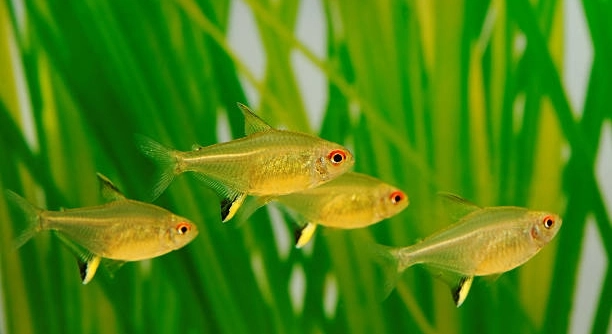
Lemon tetras are small, colorful fish that brighten any freshwater aquarium. Caring for them involves more than just clean water and a tank. Their health depends on proper nutrition and consistent feeding habits.
Lemon tetras require a balanced diet that includes high-quality flake foods, live or frozen protein sources, and occasional vegetable matter. Meeting these nutritional needs supports growth, vibrant coloration, strong immunity, and overall long-term health in their aquarium environment.
Providing the right nutrients is essential to keep your lemon tetras active and healthy. Proper feeding practices will enhance their color and longevity, ensuring a thriving aquatic community.
Protein Sources for Lemon Tetras
Providing lemon tetras with proper protein is essential for their growth and energy. High-quality flake or pellet foods often contain fish meal or shrimp meal, which supply essential amino acids. Live or frozen options like brine shrimp, daphnia, and bloodworms add variety and mimic natural feeding behavior. Overfeeding protein can lead to water quality issues, so feeding small amounts two to three times a day works best. A balanced approach prevents nutritional deficiencies while keeping the fish healthy. Monitoring how your tetras respond to each protein source helps you adjust portions effectively. Using a mix of prepared foods and occasional live or frozen treats ensures consistent growth and vibrant color. Protein-rich foods also support reproductive health and activity, which is important if you plan to breed them. Rotating protein sources prevents monotony and maintains interest during feeding. Observing your tetras for signs of lethargy or reduced appetite can indicate a need for dietary adjustments.
Protein is the backbone of a lemon tetra’s diet, helping them stay strong and active daily.
Consistently feeding protein in moderation is critical. Too little slows growth, while too much can pollute the tank. Mixing prepared flake food with live or frozen options provides a balanced diet. Observing their eating behavior helps identify preferences and ensures all fish receive adequate nutrition. A varied protein diet also strengthens immunity and maintains bright coloration, essential for healthy, lively tetras.
Vegetables and Plant Matter
Vegetables are not the main part of their diet but still provide essential nutrients. Small amounts of blanched spinach, zucchini, or peas can improve digestion and overall health.
Including plant matter helps balance protein intake and supports healthy gut function. Offering tiny portions ensures they eat it without fouling the tank.
Vegetables and plant matter supply fiber, vitamins, and minerals that protein alone cannot provide. They aid in digestion and reduce constipation, which can be a problem in small fish. Using blanched or finely chopped vegetables makes it easier for lemon tetras to consume them. Frozen or commercially prepared plant-based foods can supplement natural vegetables. Introducing plant matter gradually allows the fish to adjust and prevents rejection. Variety is key; alternating between spinach, peas, and zucchini provides different nutrients and keeps feeding interesting. Monitoring their response ensures they are eating the vegetables and gaining benefit. Balanced plant matter contributes to stronger immunity and healthier coloration, improving overall vitality in your aquarium. Proper incorporation of vegetables alongside protein sources creates a well-rounded diet for sustained growth and happiness in lemon tetras.
Feeding Frequency
Lemon tetras do best with small, frequent meals. Feeding them two to three times a day keeps their energy up and prevents overeating.
Consistent feeding frequency ensures that all fish in the tank get access to food without creating waste that can harm water quality. Small portions allow the tetras to eat comfortably and digest properly. Observing their behavior helps determine if portions are too large or too small. Feeding at the same times each day establishes a routine, reducing stress and promoting natural activity. Adjustments may be needed depending on age, size, and activity level, but frequent, measured meals are always best.
Maintaining regular feeding intervals also improves growth and coloration. When meals are spaced evenly, lemon tetras metabolize food efficiently and maintain healthy energy levels. Overfeeding at once can lead to digestive problems, uneaten food, and cloudy water. Careful monitoring ensures each fish receives enough nutrition without excess waste. Consistent feeding helps maintain a stable aquarium environment, supporting overall health, immunity, and behavior in lemon tetras, making them more active and visually vibrant over time.
Water Quality and Nutrition
Clean water is directly linked to proper nutrition. Poor water conditions reduce food absorption and weaken immunity. Maintaining stable temperature, pH, and filtration ensures the tetras get maximum benefit from their diet.
Nutrient uptake depends on a healthy environment. High ammonia or nitrite levels can stress fish, causing reduced appetite or digestive issues. Regular water changes, gravel cleaning, and monitoring parameters help maintain quality. Feeding small amounts prevents leftover food from contaminating the water. When water is stable, tetras display brighter colors, higher activity, and better overall health. Properly cycling a new tank before introducing fish is also critical to avoid nutritional and health problems. Observing fish closely helps detect early signs of stress or poor water quality.
Even with the best diet, poor water quality can compromise nutrition. Contaminated water can lead to slower growth, dull coloration, and higher disease susceptibility. Maintaining optimal pH, hardness, and temperature is essential for efficient digestion and nutrient absorption. Filtration systems and regular partial water changes reduce toxins and keep the environment stable. Pairing good water management with varied, nutrient-rich foods ensures lemon tetras thrive. This combination strengthens immunity, enhances coloration, and supports active behavior, creating a healthy, balanced, and sustainable aquarium for long-term care.
Vitamins and Supplements
Vitamins support growth, immunity, and coloration in lemon tetras. Occasional supplementation through fortified flakes or liquid vitamins ensures they receive nutrients not always present in regular food.
Supplements should be used carefully. Overuse can harm fish or degrade water quality. Follow package instructions and monitor fish response.
Importance of Omega-3 and Fatty Acids
Omega-3 and other fatty acids are essential for brain function, immune health, and vibrant coloration. Foods like brine shrimp, daphnia, or specialized flake foods supply these nutrients. Regular inclusion in the diet helps prevent deficiencies and maintains energy levels, supporting overall well-being and natural behavior in lemon tetras.
Treats and Occasional Snacks
Treats can enhance variety but should remain occasional. Too many can disrupt digestion and water quality. Keeping treats rare maintains dietary balance while adding small excitement to feeding.
FAQ
What is the best flake food for lemon tetras?
High-quality flake foods with fish meal or shrimp meal are ideal for lemon tetras. Look for brands that list protein sources at the top of the ingredient list and avoid fillers. Fortified flakes with added vitamins and minerals provide extra nutritional support for growth, color, and immunity.
Can lemon tetras eat live food every day?
Live food is beneficial but should not be offered daily. Feeding small amounts a few times a week adds variety and encourages natural hunting behavior. Overfeeding live food can lead to water quality issues and potential digestive problems. Balance with prepared flake or pellet foods for overall nutrition.
Do frozen foods work as well as live foods?
Frozen foods, such as bloodworms, brine shrimp, and daphnia, are excellent alternatives to live foods. They retain most nutrients, are safer from parasites, and are convenient. Thaw them properly before feeding, and offer in moderation to maintain water quality.
How often should I feed lemon tetras?
Two to three small meals per day are ideal. Frequent, small feedings ensure all fish get enough food without overloading the tank. Consistent feeding helps digestion, prevents overeating, and supports vibrant coloration and active behavior. Monitor portions and adjust based on fish activity and appetite.
Are vegetables necessary for lemon tetras?
Vegetables are not required daily but provide fiber, vitamins, and minerals. Small amounts of blanched spinach, peas, or zucchini improve digestion and overall health. Plant matter complements protein intake, balancing the diet while supporting gut function and maintaining energy levels.
Can I give them human food?
Human food is generally not recommended. Processed foods or those with high salt, sugar, or seasoning can harm lemon tetras. Stick to fish-specific foods to ensure they get the nutrients they need without risking health issues or water contamination.
How do I know if my tetras are getting enough nutrition?
Healthy lemon tetras are active, have bright coloration, and show regular feeding behavior. Dull colors, lethargy, or slow growth indicate dietary deficiencies. Adjust food types, feeding frequency, or supplements as needed while observing water quality to maintain optimal health.
Is overfeeding dangerous?
Yes, overfeeding can cause digestive issues, obesity, and water contamination. Uneaten food decomposes, increasing ammonia and nitrite levels. Feeding measured portions two to three times daily helps maintain a stable tank environment while ensuring proper nutrition for all fish.
Can supplements replace a balanced diet?
Supplements are not a substitute for a varied diet. They are meant to complement high-quality flakes, pellets, live, or frozen foods. Excessive use can harm fish and tank quality. Use supplements sparingly and follow recommended doses for optimal results.
Do lemon tetras need different foods as they grow?
Yes, younger tetras need higher protein for growth, while adults benefit from balanced protein and plant matter to maintain health and coloration. Adjust feeding accordingly, using smaller portions for juveniles and including occasional treats and supplements for adults. Monitoring growth and activity ensures appropriate dietary adjustments.
Can I mix different protein sources?
Mixing protein sources like flakes, frozen, and live foods provides variety and complete nutrition. It prevents dietary monotony and supports natural behaviors. Ensure portions are small to avoid overfeeding and maintain water quality. Rotate sources for long-term health and vibrant coloration.
Are there signs of nutrient deficiency?
Common signs include pale colors, slow growth, lethargy, and poor appetite. Digestive issues or abnormal swimming can also indicate deficiencies. Regular observation and varied diets help prevent problems and keep lemon tetras healthy and active in their aquarium.
How important is water quality for nutrition?
Water quality directly affects nutrient absorption and overall health. Ammonia, nitrite, and unstable pH can stress fish, reducing appetite and impairing digestion. Regular water changes, filtration, and monitoring are critical to ensure dietary benefits are fully realized and tetras thrive.
Can lemon tetras eat pellets instead of flakes?
Yes, high-quality pellets work well. They often have more concentrated nutrients and can be easier to portion. Choose pellets suitable for small tropical fish and offer a mix of protein and plant-based foods to maintain balanced nutrition and promote growth.
Is it necessary to fast them occasionally?
Occasional fasting, such as one day a week, can help prevent overfeeding and improve digestion. Fasting should not be overdone but can maintain appetite and reduce waste accumulation, supporting both fish health and tank cleanliness.
Final Thoughts
Taking care of lemon tetras is rewarding, and proper nutrition plays a central role in keeping them healthy and active. These small, colorful fish rely on a balanced diet that provides the right mix of protein, vitamins, minerals, and occasional plant matter. Protein is essential for growth and energy, while vitamins and supplements support immunity and coloration. Including small amounts of vegetables helps digestion and adds variety to their meals. Feeding a mix of flake or pellet foods along with live or frozen options ensures that they receive complete nutrition. Overfeeding or offering an unbalanced diet can cause digestive issues and reduce their lifespan, so portion control and variety are key. Observing their behavior during feeding times helps identify their preferences and detect any early signs of dietary problems. Consistent feeding practices not only improve their health but also make them more vibrant and active in the aquarium.
Water quality is closely tied to nutrition and overall health. Even the best diet cannot fully benefit lemon tetras if the water is poor or unstable. High levels of ammonia or nitrites, sudden changes in pH, or improper temperature can stress the fish, reduce appetite, and impair nutrient absorption. Maintaining a clean and stable environment is critical for their metabolism and long-term well-being. Regular water changes, proper filtration, and monitoring tank parameters help maintain optimal conditions. Feeding small, frequent meals prevents leftover food from decomposing and contaminating the water. A stable tank also allows the tetras to display natural behavior, swim actively, and show off their bright colors. Combining good water maintenance with a balanced diet creates a supportive environment that maximizes nutrition and strengthens their immunity. This holistic approach helps prevent disease and promotes longevity.
Attention to detail in feeding and care ensures lemon tetras thrive and live longer, healthier lives. Rotating protein sources, supplementing with vitamins, offering occasional vegetables, and keeping treats rare all contribute to a balanced diet. Establishing a feeding schedule and sticking to small, measured portions keeps the fish healthy while maintaining tank cleanliness. Observing their activity, color, and appetite allows you to make adjustments if necessary, ensuring each tetra receives the nutrients it needs. Nutrition, combined with clean water and proper care, supports their growth, enhances their natural coloration, and strengthens their overall resilience. By focusing on both diet and environment, lemon tetras can live vibrant, active lives, adding life and movement to any freshwater aquarium. Small, consistent efforts in feeding and maintenance have a big impact, making these fish healthier and more visually striking over time.

Hello,
If you enjoy the content that we create, please consider saying a "Thank You!" by leaving a tip.
Every little bit helps us continue crafting quality advice that supports the health, happiness, and well-being of pets around the world, for pets of all shapes, sizes, and species.
We really appreciate the kindness and support that you show us!