
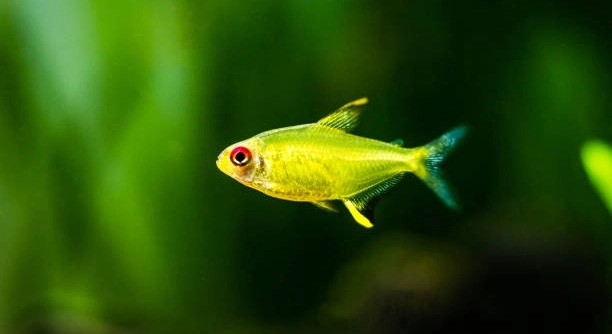
Do your lemon tetras seem restless in their tank, swimming aimlessly without a clear favorite spot? Observing their behavior can reveal subtle preferences in where they feel most comfortable and secure within their aquatic environment.
Lemon tetras generally prefer specific areas in the tank that offer a combination of shelter, open swimming space, and proximity to plants or decorations. Common preferred locations include mid-level swimming zones, densely planted corners, and areas near gentle water flow.
Knowing where your lemon tetras naturally gravitate can improve their well-being and help you create a more comfortable, engaging aquarium environment for these delicate fish.
Mid-Level Swimming Zones
Lemon tetras often spend a significant amount of time in the middle levels of the tank. This area provides a balance between safety and mobility. It allows them to explore their environment without feeling overly exposed to potential threats near the surface or bottom. The middle zone usually offers moderate lighting and fewer currents, which helps the fish feel secure while swimming freely. Observing your tetras in this zone can reveal social behavior, feeding patterns, and how they interact with tank mates. Providing open swimming space in the middle encourages natural movement and reduces stress. Decorations such as small plants or rocks at this level can further enhance comfort, giving the tetras subtle points of reference without blocking their swimming space. Regular monitoring of water parameters and tank cleanliness in this zone is also important to maintain a stable environment. This ensures that lemon tetras remain active, healthy, and less prone to hiding.
This area supports both social interaction and solitary swimming, making it a core part of their habitat.
By adjusting the mid-level space to suit lemon tetras, you promote natural behaviors. Arranging plants and rocks strategically allows easy swimming paths while still offering shelter. Feeding at this level encourages consistent activity and keeps the fish engaged. Observing how they use the middle can guide tank rearrangements and highlight preferences for light and current. Incorporating gentle water movement in this zone mimics natural conditions, helping them maintain stamina and overall well-being. Balancing openness with subtle hiding spots prevents stress while supporting normal schooling behavior. Overcrowding or excessive decoration can reduce swimming freedom, so moderation is key. Regularly rotating decorations or adjusting plant placement keeps the area stimulating and fresh, promoting curiosity and exploration. Mid-level zones also act as transitional areas for tetras moving between top and bottom tank levels, supporting natural vertical movement. Overall, thoughtful planning of this zone significantly improves health, behavior, and tank enjoyment.
Densely Planted Corners
Lemon tetras gravitate toward densely planted corners because they offer security and shelter from bright light and open water.
Providing thick plant coverage in corners allows tetras to hide when stressed, rest safely, or spawn naturally. These areas mimic natural habitats and reduce aggression from other tank mates. Corners with plants like Java fern, Amazon sword, or floating plants create shaded regions that make tetras feel protected. Proper placement ensures they can retreat while still observing the tank. Dense plants also improve water quality by absorbing nutrients and reducing algae growth. Maintaining these areas with trimming and cleaning prevents decay and keeps the environment healthy. Corners with plants encourage natural schooling, as tetras often group here for safety, enhancing social stability. Lighting should be adjusted to avoid overly bright spots, allowing shaded comfort. Additionally, adding small rocks or driftwood increases texture and hiding options. When designed thoughtfully, these corners provide essential security, promote calm behavior, and allow lemon tetras to thrive naturally.
Areas Near Gentle Water Flow
Lemon tetras enjoy areas with gentle water movement, which help them exercise without causing stress. Moderate currents simulate natural conditions and prevent stagnation, making swimming more enjoyable.
Gentle water flow promotes healthy fin movement and encourages active schooling behavior. Tetras often position themselves where currents are noticeable but not overpowering. Strong currents can tire them, while stagnant areas may feel unsafe. Positioning a filter or air stone to create mild movement benefits both oxygenation and circulation. Observing where tetras naturally gather can guide flow adjustments and prevent overcrowding in other tank areas. Placement of plants and decorations should allow smooth water paths, maintaining comfort while still supporting movement. These gentle currents also aid in distributing food evenly during feeding, reducing competition and stress among fish. Regular monitoring ensures water parameters remain stable despite the flow. Over time, fish adapt to subtle changes, making this zone a preferred area for activity and social interaction.
Maintaining soft currents ensures tetras are active, healthy, and less stressed, improving overall tank harmony.
Near the Surface
Lemon tetras occasionally swim near the surface, especially during feeding or in well-lit areas. They seek light and access to floating foods in this zone.
Surface areas allow tetras to feed naturally on flakes, small pellets, or micro-foods that float. Being near the surface also provides a quick escape route if startled, as they can dart downward into middle or lower tank levels. Light plays a key role, as surface zones are typically brighter; this stimulates natural behavior and visual cues. Floating plants offer cover, reducing stress while still allowing access to food. Regularly inspecting this area prevents uneaten food accumulation, maintaining water quality. Ensuring a calm surface with minimal disturbances encourages tetras to use this space confidently, balancing their time between swimming zones.
Positioning floating plants strategically can make surface areas feel secure while allowing easy access to food. Balancing light, food, and gentle surface activity ensures tetras utilize this space without stress, supporting natural swimming patterns and overall health. It also encourages interaction with the tank environment, keeping them alert and engaged. Adjusting feeding times and floating plant coverage can further optimize their comfort near the top, promoting a more dynamic and enriching habitat. By carefully arranging surface zones, tetras experience a safer and more stimulating environment.
Near Rocks and Driftwood
Lemon tetras often gather around rocks and driftwood, using them as shelter and resting spots. These structures create small hiding areas and help break up the tank space, giving fish a sense of security.
Rocks and driftwood also provide visual boundaries that reduce stress and aggression. Fish can explore around these objects while maintaining awareness of their surroundings. They mimic natural environments, encouraging natural behaviors such as schooling and hovering near structures. Strategically placing these elements supports swimming patterns while adding texture and interest to the tank. Driftwood can slightly tint water, which tetras may prefer, creating a calm atmosphere.
Bottom-Level Corners
Bottom-level corners serve as retreat areas for lemon tetras, offering protection from bright light and dominant tank mates. These zones help fish feel secure and maintain natural hiding behaviors.
Open Swimming Spaces
Open swimming spaces allow lemon tetras to move freely, exercise, and maintain social interactions. These areas are essential for active schooling and balanced behavior.
Near Floating Plants
Floating plants provide shade and partial cover near the water surface. Lemon tetras use these areas for comfort and mild protection.
FAQ
Why do lemon tetras prefer mid-level swimming zones?
Lemon tetras feel most comfortable in the middle levels of the tank because it offers a balance of safety and freedom. This zone allows them to swim actively while avoiding excessive light near the surface or strong currents near the bottom. It also provides easy access to plants and decorations for subtle shelter. Observing fish in this zone helps identify natural schooling behavior, feeding habits, and resting patterns. Providing open space with a few well-placed plants or rocks encourages healthy movement without overcrowding. Regular maintenance and monitoring of this area ensure water quality remains stable, supporting overall health.
Do lemon tetras need dense plant coverage?
Yes, dense plants are essential for providing shelter, hiding spots, and shade. They mimic the natural habitat and reduce stress caused by bright lighting or active tank mates. Plants also help maintain water quality by absorbing excess nutrients. Corners with thick planting are often preferred during resting, spawning, or when fish feel threatened. Trimming and cleaning plants regularly prevent decay and algae buildup, keeping the area healthy. Proper placement allows fish to retreat while still observing their environment, supporting natural behavior and calm activity.
How important is gentle water flow for lemon tetras?
Gentle water movement is highly beneficial. Moderate currents simulate natural river conditions, helping fish maintain stamina and engage in active swimming without exhausting themselves. Flow also improves oxygenation and evenly distributes food during feeding. Strong currents, however, can tire fish, while stagnant water may feel unsafe. Adjusting filter or air stone placement creates subtle, consistent movement. Observing where tetras gather in response to currents can help optimize tank setup and reduce overcrowding in other zones. Maintaining soft currents promotes healthy behavior, active schooling, and overall well-being.
Why do lemon tetras visit the tank surface?
Surface areas are used mainly for feeding and occasional exploration. Lemon tetras prefer these zones when floating foods are offered or when light is moderate. Floating plants can provide partial cover, reducing stress while allowing easy access to food. Surface swimming also serves as a quick escape route, letting them move downward if startled. Regularly cleaning uneaten food prevents water quality issues in this area. Strategic placement of floating plants ensures comfort and encourages natural swimming behavior near the top. Surface activity is balanced by middle and bottom zone usage, supporting a healthy vertical distribution.
Are rocks and driftwood necessary for their tank?
Rocks and driftwood are highly recommended because they provide shelter, resting spots, and visual boundaries. These structures break up tank space and reduce stress, giving fish areas to explore while feeling secure. Driftwood can also slightly tint water, creating a calm environment tetras may prefer. Proper placement supports swimming patterns, encourages schooling, and allows fish to hide without being confined. Keeping these elements clean and stable prevents decay and helps maintain a healthy, engaging tank environment for lemon tetras.
Do lemon tetras use bottom-level corners?
Yes, bottom-level corners act as retreat areas for hiding and resting. They reduce stress from bright light or dominant tank mates and mimic natural protective zones in rivers. Providing soft substrate, rocks, or plant cover enhances the comfort of these areas. Regular monitoring ensures these corners remain clean, and fish can move in and out freely. These zones complement mid-level and surface areas, offering a balanced tank environment.
Why are open swimming spaces important?
Open spaces allow lemon tetras to move freely, exercise, and maintain social interactions. These zones are essential for schooling, reducing stress, and encouraging natural behaviors. Overcrowding or excessive decoration in open spaces can hinder movement and increase tension among fish. Proper balance between open areas and hiding spots is crucial for a healthy tank.
How do floating plants affect lemon tetras?
Floating plants provide partial shade, reduce surface light, and create mild protection. Tetras often swim beneath these plants for comfort while still accessing the top for food. Floating plants also help maintain water quality by absorbing excess nutrients. Proper arrangement allows easy movement underneath and prevents overcrowding, supporting calm and natural swimming patterns.
Can tank setup influence lemon tetra behavior?
Absolutely. Placement of plants, rocks, driftwood, and open swimming zones directly impacts comfort, schooling, and activity. Balanced light, gentle currents, and multiple levels encourage natural behavior. Observing preferences helps optimize layout and reduce stress, improving overall health and tank harmony.
How can I monitor their preferred locations?
Watch for consistent swimming patterns and resting spots. Note where tetras gather during feeding, currents, or light changes. Adjust decorations or flow to maintain comfort while encouraging activity. Regular observation helps detect changes in health, behavior, or tank conditions early.
Are these preferred locations universal for all lemon tetras?
While most lemon tetras share similar preferences, individual behavior may vary slightly. Tank size, decor, light, and flow can influence exact location choices. Providing a variety of zones ensures all fish find comfort and safety while maintaining natural activity levels.
Final Thoughts
Creating a comfortable environment for lemon tetras requires attention to their natural preferences for different tank areas. Observing their behavior helps identify where they feel most secure, whether it is mid-level swimming zones, densely planted corners, or near gentle water flow. Each zone serves a purpose, from providing shelter and hiding spots to encouraging active swimming and social interaction. By arranging the tank to include open spaces, floating plants, rocks, and driftwood, you allow lemon tetras to express natural behaviors while maintaining a sense of safety. Paying attention to how they use these spaces can guide future adjustments to decorations, plant placement, and water movement, ensuring a balanced environment.
Consistency in tank conditions is equally important to maintain healthy behavior and reduce stress. Lemon tetras thrive in stable water conditions with appropriate flow, lighting, and temperature. Gentle currents encourage activity without exhausting them, while moderate lighting and plant cover create comfortable retreat areas. Regular maintenance, including cleaning decorations, trimming plants, and monitoring water quality, ensures all areas remain safe and inviting. It is also important to provide feeding at multiple levels to support their natural vertical swimming patterns. Observing how lemon tetras respond to different zones over time helps fine-tune the tank setup, creating a healthier, more predictable environment that reduces stress and promotes overall well-being.
Ultimately, designing a tank with their preferred locations in mind benefits both the fish and the tank keeper. Providing a variety of zones encourages natural movement, social interaction, and resting behaviors, while reducing the risk of aggression and stress-related issues. Including mid-level swimming areas, dense plants, gentle currents, open spaces, and floating plant coverage creates a dynamic but safe habitat. Small details, like adding driftwood or rocks, contribute to security and visual interest, making the tank more engaging for the fish. By carefully observing preferences and adjusting the tank layout accordingly, you can ensure lemon tetras remain active, healthy, and comfortable. Maintaining these conditions consistently allows them to display natural behaviors while enhancing the overall enjoyment of your aquarium.

Hello,
If you enjoy the content that we create, please consider saying a "Thank You!" by leaving a tip.
Every little bit helps us continue crafting quality advice that supports the health, happiness, and well-being of pets around the world, for pets of all shapes, sizes, and species.
We really appreciate the kindness and support that you show us!