
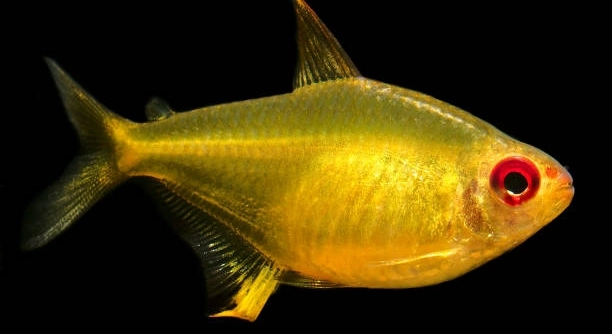
Do your lemon tetras sometimes seem unusually still, lingering in one corner of the tank for extended periods? Observing their behavior can feel concerning, especially when they normally swim actively and add vibrancy to your aquarium.
Lemon tetras may refuse to move due to stress, poor water quality, inadequate nutrition, illness, or sudden changes in their environment. Ensuring stable conditions, proper diet, and a healthy tank setup can significantly reduce immobility.
Understanding these behaviors helps you maintain a thriving aquarium and ensures your fish remain active, healthy, and comfortable in their habitat.
Common Reasons Lemon Tetras Stay Still
Lemon tetras can stop moving for several straightforward reasons. Water quality plays a major role, as poor conditions can stress them and make them lethargic. High ammonia or nitrite levels, incorrect pH, or sudden temperature changes all affect their activity. Diet is another factor. A lack of proper nutrition can leave them weak, unable to swim normally. Illness, such as infections or parasites, can also slow them down. Even sudden changes in their environment, like rearranging the tank or introducing new fish, can make them cautious and still. Observing them closely helps you determine if movement issues are temporary or a sign of deeper problems. Providing a stable, clean environment with regular feeding schedules supports their natural activity. Sometimes, tetras simply rest or adjust to the tank, but ongoing immobility usually signals a need for attention and care.
Stress or poor tank conditions are the main reasons for stillness in lemon tetras.
Watching your fish’s behavior and maintaining consistent care ensures they regain energy and swim comfortably. Proper water checks, feeding routines, and gradual changes help prevent stress.
How to Encourage Movement
Encouraging movement in lemon tetras often requires addressing their immediate environment and habits.
Providing a spacious tank with hiding spots and plants can make them feel secure and more willing to swim. Regular water changes and monitoring temperature keep conditions stable, reducing stress-related stillness. Feeding small, balanced meals multiple times a day supports their energy levels. Avoid sudden changes like adding new fish or rearranging the tank, which can cause fear and inactivity. Observing their interaction with other tetras helps identify if social dynamics are affecting their behavior. Sometimes, adjusting lighting and creating gentle currents encourages exploration. Consistency and patience are key, as tetras may take time to adapt. By focusing on stable conditions, proper diet, and a calm environment, you can significantly improve their activity levels and overall well-being. Proper care ensures they remain lively and vibrant in your aquarium.
Tank Conditions That Affect Activity
Poor tank conditions directly influence lemon tetra movement. Dirty water, sudden temperature changes, or high ammonia levels make them stressed and inactive. A clean, stable environment encourages normal swimming behavior and helps prevent long-term health problems.
Monitoring water parameters daily and performing regular partial water changes are essential. Lemon tetras are sensitive to ammonia, nitrite, and nitrate levels. Maintaining a stable pH and temperature supports their natural activity. Adding plants and hiding spots provides security and encourages exploration. Even small adjustments, like gentle filtration or appropriate lighting, can positively impact their energy levels. Consistent care reduces stress and promotes a lively tank atmosphere.
Crowding and tank layout also affect their swimming patterns. Too many fish or poorly placed decorations can make tetras hesitant to move. Ensuring enough space for each fish and arranging decorations to create clear swimming paths allows them to navigate comfortably. Regular observation helps identify areas needing adjustment, ensuring their activity remains consistent.
Nutrition and Its Role
A proper diet is crucial for lemon tetra energy and activity. Lack of nutrients can lead to lethargy and inactivity, making them stay in one place for long periods.
Feeding a balanced mix of high-quality flake food, micro pellets, and occasional live or frozen foods supports growth and energy levels. Underfeeding or overfeeding can both cause problems. Small, frequent meals mimic natural feeding behavior and prevent energy dips. Vitamins and proteins in the diet help maintain strong muscles and overall vitality. Observing how quickly they eat can indicate if the diet is adequate or needs adjustment.
Supplements and variety improve health and movement. Including different food types prevents nutritional deficiencies and keeps tetras engaged during feeding times. Rotating foods ensures they receive essential amino acids and fats, supporting their activity throughout the day. Over time, a consistent diet promotes energy, reduces lethargy, and enhances their natural colors. Ensuring they receive proper nutrition is key to maintaining an active and healthy aquarium environment.
Stress and Social Behavior
Lemon tetras are social fish, and their movement can be affected by stress or social dynamics. Aggressive tankmates or sudden changes in the group can make them freeze or hide, reducing overall activity.
Ensuring a peaceful tank and keeping them in small groups helps them feel secure and move naturally.
Illness and Physical Health
Illnesses, parasites, or injuries can cause lemon tetras to become inactive. Swollen bellies, faded colors, or clamped fins often indicate a health problem. Prompt identification and treatment are essential to restore normal swimming behavior and prevent worsening conditions.
Observing Changes
Paying attention to small behavior changes helps identify causes of stillness early. Even minor signs can indicate stress, dietary issues, or environmental problems.
FAQ
Why do my lemon tetras stay in one spot for hours?
Lemon tetras can remain still for several reasons. Stress from sudden tank changes, poor water quality, or overcrowding can make them freeze. Illness or lack of nutrition also affects their energy. Providing a clean, stable tank and balanced diet usually helps them regain normal movement.
Is it normal for lemon tetras to rest at the bottom of the tank?
Occasional resting at the bottom is normal, especially after feeding or during nighttime. However, consistent inactivity may indicate stress, illness, or poor water conditions. Monitoring water parameters and observing their behavior over time helps determine if there’s a problem.
Can water temperature affect their activity?
Yes, lemon tetras are sensitive to temperature changes. Water that is too cold or fluctuates frequently can reduce activity. Maintaining a stable temperature within the recommended range of 72–78°F supports natural swimming patterns and reduces stress.
How does tank size impact movement?
Small or overcrowded tanks limit swimming space and can cause tetras to stay in one area. Providing enough room for each fish and adding plants for hiding spots encourages natural movement and reduces stress.
Could diet be causing inactivity?
Improper diet can make lemon tetras lethargic. Feeding low-quality food or not offering variety can lead to nutritional deficiencies. A mix of flake food, pellets, and occasional live or frozen foods keeps them energized and supports overall health.
What signs indicate illness in lemon tetras?
Look for faded colors, clamped fins, swollen bellies, or unusual swimming patterns. Illness may also show as refusal to eat or hiding constantly. Early detection and treatment improve recovery chances and restore normal activity.
Do social dynamics affect movement?
Yes, lemon tetras are schooling fish. Being alone or facing aggressive tankmates can cause stress and stillness. Keeping them in groups of at least six and ensuring peaceful companions helps them stay active and comfortable.
Can lighting influence activity?
Lighting impacts their behavior. Too bright or inconsistent lighting may cause them to hide or reduce movement. Moderate, steady lighting that mimics natural day-night cycles helps maintain normal activity patterns.
How often should I check water quality?
Daily or every few days is ideal for monitoring key parameters like ammonia, nitrite, nitrate, and pH. Stable, clean water is critical for healthy, active lemon tetras and prevents lethargy.
When should I consult a vet?
If your tetras show prolonged inactivity, unusual behavior, or visible signs of illness despite proper care, consulting a veterinarian experienced in fish health is recommended. Early intervention improves their chances of recovery and long-term well-being.
Can tank decorations influence their movement?
Yes, overcrowded or poorly placed decorations may restrict swimming paths. Adequate open areas combined with hiding spots help tetras explore, stay active, and feel secure, reducing stillness caused by stress.
Is it normal for tetras to move less in certain seasons?
Mild seasonal changes in temperature or daylight can slightly reduce activity. However, significant inactivity usually points to stress, illness, or water quality issues rather than seasonal effects.
How can I encourage my lemon tetras to swim more?
Maintain clean water, a stable temperature, and proper diet. Include plants and gentle currents to stimulate movement. Avoid sudden tank changes and keep them in groups to support natural schooling behavior. Consistency helps tetras feel secure and active.
What common mistakes lead to stillness?
Overcrowding, irregular feeding, sudden environmental changes, poor water quality, and neglecting social needs often cause inactivity. Regular observation, proper care, and preventive measures keep lemon tetras healthy and moving naturally.
How quickly do tetras recover once issues are addressed?
Recovery time depends on the cause. Minor stress or temporary diet changes can see improvement in a day or two. Illness or severe water quality problems may take several days to weeks, with consistent care and monitoring.
Are some tetras naturally less active than others?
Individual personality and age can influence activity levels. Young or timid fish may move less at first. Observing patterns over time helps differentiate between normal behavior and signs of stress or illness.
Can adding new fish affect movement?
Introducing new fish can temporarily cause existing tetras to hide or stay still. Gradual acclimation and ensuring peaceful companions minimize stress and help them resume normal swimming patterns quickly.
Is there a difference between male and female activity levels?
Males and females may show slight variations, with males sometimes being more active during mating behavior. However, significant inactivity in either gender usually indicates an environmental or health problem that needs attention.
How do I know if they are stressed or sick?
Stress often shows as hiding, clamped fins, or temporary stillness, while sickness includes faded colors, loss of appetite, or unusual swimming patterns. Monitoring closely and addressing environmental factors is key to distinguishing the two.
Can partial water changes help increase activity?
Yes, regular partial water changes remove toxins, stabilize conditions, and refresh oxygen levels. Improved water quality often results in increased swimming activity and overall fish health.
Does tank temperature need to be adjusted gradually?
Sudden temperature changes cause stress and inactivity. Gradually adjusting the water temperature over several hours prevents shock and supports normal behavior in lemon tetras.
Are live plants beneficial for activity?
Live plants provide hiding spots, reduce stress, and encourage exploration. They also help maintain water quality by absorbing nitrates, which indirectly supports active and healthy tetras.
How do I prevent future stillness issues?
Maintaining stable water quality, proper diet, appropriate tank size, peaceful companions, and monitoring for illness reduces stillness. Consistent care and observation allow you to catch problems early and keep tetras lively.
Can water currents affect movement?
Gentle currents stimulate swimming and mimic natural conditions. Strong currents may stress fish and reduce movement, while no current can lead to boredom or inactivity. Balance is key for promoting healthy activity.
Do lemon tetras need hiding spots?
Yes, hiding spots reduce stress and give them security. Plants, decorations, and small caves allow them to rest without fear, encouraging normal movement when they feel safe.
Can illness in one fish affect others?
Yes, contagious diseases or parasites can spread. Quarantining sick fish and maintaining cleanliness prevents widespread inactivity caused by health issues.
How long should I wait to see improvement after changes?
Minor adjustments like diet or water quality can show results within a few days. Serious health or environmental issues may take longer, sometimes weeks, with consistent care and monitoring.
Are there signs that indicate permanent mobility issues?
Severe deformities, injuries, or chronic illness may cause lasting movement problems. Early detection and treatment reduce the risk, but some cases may never fully recover normal activity levels.
Is schooling behavior essential for movement?
Yes, lemon tetras rely on group dynamics for comfort and activity. Being isolated or in too small a group can lead to stress and prolonged stillness, making proper schooling crucial for healthy behavior.
Do feeding times impact movement?
Yes, regular feeding encourages activity. Irregular schedules or skipped meals can cause lethargy, while small, frequent meals promote consistent energy and swimming behavior throughout the day.
How do I know if inactivity is serious?
Persistent inactivity, combined with signs like clamped fins, color fading, or lack of appetite, indicates serious issues. Quick intervention with water checks, diet adjustments, or veterinary care helps prevent long-term problems.
Can seasonal water changes affect activity?
Abrupt changes in water chemistry, often caused by seasonal tap water variations, can stress tetras. Gradual adjustments and monitoring maintain stable conditions and prevent stillness.
Is there a safe way to test causes of inactivity?
Step-by-step adjustments—checking water quality, improving diet, observing social interactions, and monitoring for illness—allow you to identify the cause safely without stressing the fish further.
Do all lemon tetras respond the same to changes?
Individual differences exist. Some tetras are naturally cautious, while others adapt quickly. Observing patterns over time helps differentiate normal behavior from signs of stress or illness, ensuring appropriate responses.
Can aquarium maintenance routines influence movement?
Yes, sudden or inconsistent maintenance can stress fish. Gentle water changes, careful cleaning, and consistent schedules help tetras stay active and reduce prolonged stillness in the tank.
What is the best overall approach to keep them active?
Stable water conditions, proper diet, peaceful companions, adequate space, hiding spots, and gradual changes create an environment that encourages consistent swimming and healthy behavior in lemon tetras.
Are there signs that inactivity is temporary?
Short periods of stillness after feeding, during acclimation, or after minor stress are usually temporary. Monitoring for additional signs like appetite loss or unusual colors helps determine if intervention is necessary.
Can tankmates influence their activity?
Yes, aggressive or overly active fish can stress tetras, causing stillness. Choosing compatible, peaceful species helps maintain normal swimming and reduces stress-related inactivity.
How often should I observe them for behavior changes?
Daily observation is ideal. Noticing subtle changes in swimming, feeding, or appearance allows early detection of stress or illness, keeping tetras healthy and active.
Do lemon tetras need specific water parameters to stay active?
Yes, stable pH around 6.5–7.5, temperature between 72–78°F, and low ammonia/nitrite levels are crucial. Proper parameters ensure comfort, reduce stress, and encourage natural swimming behavior.
Can adding enrichment increase movement?
Yes, adding plants, gentle currents, and open swimming areas encourages exploration. Enrichment provides mental stimulation, reduces boredom, and promotes healthy activity levels.
Is it normal for older tetras to be less active?
Aging can reduce energy, but significant inactivity often points to environmental or health issues. Maintaining proper care ensures older tetras remain as active and healthy as possible.
How can I safely introduce new tetras to increase activity?
Quarantine new fish first and gradually introduce them to the tank. Proper acclimation reduces stress, encourages social behavior, and promotes activity without overwhelming existing tetras.
Does stress affect their immunity and movement?
Yes, stress weakens immunity, making tetras more prone to illness and reducing activity. Maintaining a stable, calm environment helps them stay healthy and energetic.
Are there specific signs that indicate they need more space?
Hiding frequently, chasing, or overcrowding indicates the tank is too small. Expanding swimming areas reduces stress, encourages movement, and supports natural behavior.
Can frequent water testing prevent inactivity?
Regular testing allows early detection of harmful changes. Maintaining optimal parameters prevents stress-induced stillness and supports consistent swimming activity.
What is the quickest way to restore activity?
Addressing water quality, diet, and social conditions promptly often results in noticeable improvement within a few days. Consistent monitoring ensures long-term activity and health.
How important is consistency in care for active tetras?
Consistency is key. Regular feeding, stable water parameters, peaceful tankmates, and careful environmental changes minimize stress and ensure lemon tetras remain lively and healthy.
Do tetras ever become inactive without warning?
Yes, sudden changes in water, diet, or stress can cause immediate inactivity. Quick response by checking conditions and addressing potential issues helps restore normal behavior efficiently.
Can lack of oxygen affect swimming?
Yes, low oxygen levels make tetras lethargic. Ensuring proper aeration and avoiding overcrowding keeps oxygen levels sufficient for healthy movement.
Are there behavioral signs that indicate improvement?
Increased swimming, curiosity, regular feeding, and bright colors indicate tetras are recovering from stress, poor water conditions, or dietary deficiencies, showing their activity returning to normal.
Can temperature drops cause temporary stillness?
Sudden drops slow metabolism, making tetras less active. Gradual, controlled adjustments prevent shock and help them regain normal swimming behavior.
How does tank decoration placement influence movement?
Strategic placement allows open swimming space and secure hiding spots. Proper arrangement reduces stress, encourages exploration, and maintains healthy activity levels.
Do lemon tetras need stimulation to remain active?
Yes, gentle currents, plants, and open areas provide mental and physical stimulation, encouraging natural swimming and reducing periods of inactivity.
Is inactivity always a health concern?
Not always. Short periods of resting, especially after feeding or during night, are normal. Persistent or combined with other signs, it indicates stress or illness.
Can water chemistry changes go unnoticed?
Yes, tap water variations, mineral shifts, or temperature fluctuations can stress fish. Regular testing and gradual adjustments prevent hidden factors causing inactivity.
How do I balance water changes without stressing them?
Perform partial water changes slowly, maintaining temperature and chemistry. Gradual replacement reduces stress, preventing sudden inactivity and supporting consistent movement.
Are live or artificial plants better for activity?
Live plants improve water quality and provide hiding spots, encouraging exploration. Artificial plants offer hiding spots but do not aid in chemical balance. A mix can support activity effectively.
What is the role of light cycles in movement?
Consistent day-night lighting maintains natural rhythms. Sudden or inconsistent lighting can cause hiding or stillness, while steady cycles encourage normal swimming and rest patterns.
Can tank location affect their behavior?
Yes, tanks near noise or heavy activity may stress tetras, causing stillness. A quiet, stable location promotes normal swimming and reduces anxiety.
How can I differentiate normal resting from lethargy?
Short rests after feeding or at night are normal. Extended stillness with other signs like clamped fins, faded colors, or poor appetite indicates lethargy caused by stress or illness.
Does quarantine of new fish prevent inactivity?
Yes, isolating new arrivals prevents disease spread and reduces stress on existing tetras, maintaining normal activity levels across the tank.
How long should I observe behavior before taking action?
Several hours to a day helps distinguish temporary resting from prolonged inactivity. Persistent unusual behavior requires checking water, diet, and health.
Are certain tetras more prone to inactivity?
Individual differences exist. Timid or young tetras may move less initially. Observation ensures inactivity isn’t due to stress, environment, or illness.
Can adding gentle filtration help?
Yes, gentle filtration improves oxygen circulation, reduces waste, and encourages swimming without creating stressful currents.
Is it safe to treat multiple causes at once?
Addressing water quality, diet, and social conditions simultaneously is effective. Gradual, controlled changes minimize stress and restore activity safely.
How long does it take to see full recovery?
Minor issues may resolve in days, while illness or severe stress may take weeks. Consistent care, observation, and treatment support full recovery.
Do tetras benefit from routine enrichment?
Yes, enrichment like plants, hiding spots, and gentle currents stimulates exploration, reduces stress, and maintains healthy activity levels.
Can inactive tetras harm others?
Lethargic fish may indicate illness, potentially spreading to others. Early detection and quarantine prevent health issues and maintain active tankmates.
What role does pH stability play in activity?
Stable pH prevents stress, supports metabolism, and maintains normal swimming. Sudden shifts can cause hiding, reduced movement, or illness.
How important is tank cleaning for active tetras?
Regular cleaning removes waste, prevents toxins, and supports oxygen levels. A clean tank encourages natural swimming and reduces prolonged inactivity.
Can water additives help?
Certain additives improve water quality, support immune function, and reduce stress. Using them correctly can restore activity and prevent future stillness.
Are there behavioral cues for diet issues?
Slow swimming, hiding after feeding, or lack of interest in food indicates insufficient nutrition. Adjusting diet restores energy and activity.
How does oxygenation interact with temperature?
Higher temperatures reduce oxygen solubility. Proper aeration prevents lethargy and supports swimming, ensuring tetras remain active in warm water.
Can stress from humans affect tetras?
Frequent tapping, sudden movements, or loud noises can make tetras freeze. A calm environment supports normal swimming behavior and reduces prolonged stillness.
Is observation the best preventive measure?
Yes, daily monitoring of movement, feeding, and interactions allows early detection of issues, keeping tetras healthy and active.
Do tankmates influence feeding behavior?
Aggressive or dominant fish may prevent tetras from eating, leading to lethargy. Balanced groups ensure all fish receive nutrition and maintain activity.
Are there seasonal adjustments I should make?
Minor seasonal changes in temperature or lighting may require gradual adjustments to maintain stable conditions and prevent inactivity.
Can overcrowding mask normal behavior?
Yes, excessive fish can cause hiding, reduced swimming, or competition for food. Adequate space and population control ensure natural activity patterns.
How do I know if they are stressed after water changes?
Hiding, clamped fins, or reduced swimming indicate stress. Gradual, partial water changes minimize impact and restore normal activity.
Do lemon tetras need companionship to move?
Yes, they rely on schooling for security and activity. Being in small groups prevents prolonged inactivity and encourages natural swimming patterns.
Can gradual diet changes prevent lethargy?
Yes, slowly introducing new foods prevents digestive issues and maintains energy levels, supporting consistent movement.
How do I manage tank temperature during seasonal changes?
Use heaters or chillers to maintain stable temperature. Sudden fluctuations stress fish, causing stillness and reduced activity. Gradual adjustments protect their health.
Is it normal for tetras to stay still after adding decorations?
Yes, temporary hiding is common. They explore cautiously, and activity resumes once they feel secure in the rearranged environment.
How do I prevent inactivity caused by social stress?
Ensure compatible tankmates, maintain groups of at least six tetras, and avoid overcrowding. Peaceful social dynamics encourage swimming and natural behavior.
Can pH fluctuations occur unnoticed?
Yes, tap water changes or chemical reactions can alter pH. Regular testing and gradual adjustments prevent stress-induced stillness.
Do inactive tetras regain energy quickly with proper care?
Yes, once environmental, dietary, or social issues are corrected, tetras usually resume normal swimming within days to weeks depending on the severity.
Can certain illnesses cause permanent inactivity?
Severe infections, parasites, or deformities may result in lasting reduced movement. Early detection and treatment minimize long-term impact.
Is constant monitoring stressful for fish?
Brief, calm observation does not stress tetras. Avoid tapping or sudden movements, focusing on subtle signs of activity or inactivity.
Can water hardness affect swimming?
Extreme hardness or softness can stress tetras, reducing movement. Maintaining moderate water hardness ensures comfort and consistent activity.
Does tank size need to change as fish grow?
Yes, larger tanks provide sufficient swimming space, reduce stress, and prevent inactivity caused by overcrowding. Proper scaling supports healthy behavior.
How do I safely isolate a sick tetra?
Use a
Lemon tetras are small, active fish that bring life and color to an aquarium, but their stillness can sometimes be concerning. Many factors influence their activity, including water quality, temperature, diet, social dynamics, and overall health. Observing their behavior regularly can provide insight into whether their inactivity is temporary or a sign of an underlying problem. Even subtle changes in swimming patterns, feeding habits, or interaction with other fish can signal stress or illness. Taking note of these details allows you to address issues before they become serious, ensuring your fish remain healthy and active. Maintaining a stable environment with regular water testing, proper feeding, and peaceful tankmates creates the conditions needed for them to thrive.
Proper tank care is essential for keeping lemon tetras lively. Clean water and a consistent temperature reduce stress and support normal activity levels. Overcrowding or sudden changes in tank layout can cause hesitation and hiding, so it is important to provide enough space and structured hiding spots for security. Diet also plays a significant role in energy levels. Feeding high-quality flakes or pellets along with occasional live or frozen foods ensures they get the necessary nutrients for strength and vitality. Even small adjustments, like spacing out meals or rotating food types, can have a noticeable impact on their energy and movement. Paying attention to these elements consistently allows tetras to feel comfortable in their environment and engage in natural schooling and swimming behavior.
Health monitoring is equally important for encouraging movement and preventing prolonged inactivity. Signs like faded colors, clamped fins, or unusual swimming patterns often indicate stress, illness, or poor water conditions. Addressing these issues promptly, whether through improved water quality, diet adjustments, or medical care, helps restore activity levels and prevents long-term problems. Additionally, providing a calm and consistent environment minimizes stress, which supports immunity and overall well-being. Observing their behavior alongside maintaining regular care routines ensures that lemon tetras remain vibrant and energetic. By focusing on stable conditions, proper nutrition, and attentive observation, you can create a healthy and balanced aquarium that encourages natural behavior and long-term vitality for your fish.

Hello,
If you enjoy the content that we create, please consider saying a "Thank You!" by leaving a tip.
Every little bit helps us continue crafting quality advice that supports the health, happiness, and well-being of pets around the world, for pets of all shapes, sizes, and species.
We really appreciate the kindness and support that you show us!