
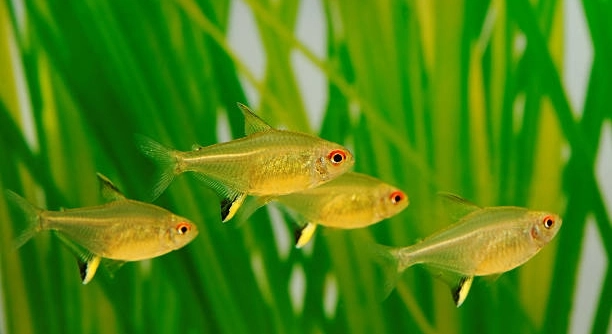
Are your lemon tetra tanks sparkling clean but the fish still seem stressed or lethargic? Over-cleaning can unintentionally disrupt the delicate balance of their environment, affecting water chemistry and the natural biological processes in the tank.
Excessive cleaning of a lemon tetra tank can remove beneficial bacteria, disturb water parameters, and stress the fish, ultimately compromising their health. Maintaining a balanced cleaning schedule supports both the aquatic ecosystem and the overall wellbeing of the fish.
Recognizing subtle signs of over-cleaning helps ensure your lemon tetras thrive while maintaining a healthy and stable tank environment.
Cloudy Water
Cloudy water often appears shortly after a thorough cleaning. When beneficial bacteria are removed or disturbed, the nitrogen cycle can be temporarily unbalanced. Even a small disruption can cause ammonia and nitrite levels to rise, which may harm your lemon tetras. Cloudiness can also result from stirred-up debris or leftover food particles. It may look alarming, but in many cases, it is a temporary effect that clears within a few days if the tank is monitored carefully. Avoid overreacting by performing additional water changes, as this can worsen the issue. Patience and careful observation are key. Maintaining consistent cleaning habits without overdoing it helps preserve both the tank’s natural balance and the health of the fish. Regular testing of water parameters ensures the environment remains safe. Observing subtle changes in behavior alongside cloudy water gives a better picture of overall tank health and stability.
Cloudy water should not last more than a couple of days if balanced correctly. Monitoring and patience are essential.
Consistent feeding and avoiding excessive disturbance help reduce cloudiness. Over-cleaning may initially seem helpful, but it often prolongs the issue. Keeping a gentle, measured approach to tank maintenance ensures that lemon tetras remain healthy and active, while water clarity improves naturally without further stress on the fish.
Faded Colors
Faded colors in lemon tetras often signal stress or environmental imbalance. Stress can arise from frequent water changes, removal of natural decorations, or constant handling of the tank. The bright yellow and silver hues may dull, and the fish may appear less lively.
Maintaining stable water conditions and avoiding over-cleaning helps colors return naturally.
Over-cleaning removes natural biofilm and alters the habitat, affecting how fish feel and express their colors. Providing hiding spots, live plants, and a consistent feeding schedule supports natural pigmentation. Avoid harsh scrubbing of decorations or gravel, and monitor water parameters to prevent chemical fluctuations. Faded colors may also indicate an underlying health issue, so observing for other signs such as lethargy or loss of appetite is important. Gradually restoring a stable environment allows the fish to regain both confidence and vibrancy. Over time, maintaining a steady, gentle cleaning routine preserves both the visual appeal of the tank and the overall well-being of your lemon tetras.
Frequent Water Changes
Excessive water changes can stress lemon tetras by constantly altering water chemistry. Frequent cleaning removes beneficial bacteria, disrupting the nitrogen cycle and making the tank environment unstable, which can affect the fish’s health and comfort.
Too many water changes interfere with the tank’s natural balance. Beneficial bacteria living on surfaces and in the filter help break down waste. Removing too much water at once or cleaning the tank too often reduces these bacteria, allowing ammonia and nitrite levels to spike. Lemon tetras rely on stable water parameters, and repeated disturbances can make them more susceptible to illness. A consistent, measured cleaning schedule maintains both water quality and the natural biological processes crucial for a healthy tank. Observing fish behavior after water changes helps gauge the proper frequency needed.
Over-cleaning can also remove dissolved minerals and trace elements from the water, affecting the fish’s overall wellbeing. Maintaining a gentle routine preserves water stability while supporting the tank’s ecosystem, allowing lemon tetras to thrive without unnecessary stress.
Algae Overgrowth
Algae growth often appears when over-cleaning is inconsistent. Small patches may spread quickly if the tank environment fluctuates or nutrient levels are unbalanced.
Algae control depends on stable maintenance habits and appropriate light exposure. Lemon tetras do not harm algae, but excessive growth indicates irregular cleaning or nutrient spikes. Over-cleaning certain areas while neglecting others creates conditions where algae can flourish, as nutrients are unevenly distributed. Limiting light duration and monitoring feeding habits also help reduce growth. Consistent observation of water parameters ensures algae does not overwhelm the tank.
Maintaining a gentle, regular cleaning schedule balances nutrient levels and discourages algae buildup. Removing algae too aggressively or too frequently disrupts the ecosystem, just like over-cleaning other parts of the tank. Providing live plants can compete with algae for nutrients, naturally controlling growth. By establishing steady habits and monitoring light, nutrients, and cleaning routines, lemon tetras enjoy a stable environment, and the tank stays visually clear and healthy without excessive intervention.
Hiding Behavior
Lemon tetras may hide more often when the tank is cleaned too frequently. Constant disturbances make them feel unsafe, pushing them to retreat behind decorations or plants.
A stable environment helps them feel secure. Over-cleaning removes familiar scents and hiding spots, increasing stress levels. Allowing the tank to settle between cleanings encourages natural activity and confidence in the fish.
Loss of Appetite
Over-cleaning can cause lemon tetras to eat less. Stress from constant water changes or disturbance of the tank environment reduces their interest in food. Maintaining calm conditions and avoiding unnecessary cleaning restores normal feeding behavior, helping them regain strength and maintain overall health.
Stressed Swimming Patterns
When lemon tetras are stressed, they may swim erratically or stick near the surface. Over-cleaning disrupts their sense of safety, making regular swimming patterns harder to maintain.
Weak Immunity
Excessive tank maintenance can weaken lemon tetras’ immune systems. Constant stress and fluctuating water conditions reduce their ability to fight disease, making them more vulnerable to infections and other health issues.
How often should I clean my lemon tetra tank?
A balanced cleaning schedule is key for a healthy tank. For most lemon tetra tanks, partial water changes of about 20-25% every one to two weeks are sufficient. Over-cleaning can remove beneficial bacteria and disturb the natural nitrogen cycle, stressing the fish. It’s important to maintain consistency rather than frequent deep cleans. Observing your fish and water clarity helps guide the right schedule. Adjust slightly based on tank size, stocking levels, and whether live plants are present, but avoid drastic or frequent interventions.
What signs indicate I’m over-cleaning my tank?
Over-cleaning often shows subtle but noticeable signs. Lemon tetras may display faded colors, hiding behavior, or reduced appetite. Water may become cloudy even after a thorough clean. Algae may appear in patches due to imbalanced nutrients. Fish may swim erratically or stick near the surface. These are all indicators that the tank’s ecosystem has been disturbed and the biological balance disrupted. Keeping a record of cleaning frequency alongside these signs can help prevent stress and support the overall health of your fish.
Can over-cleaning affect water parameters?
Yes, over-cleaning can dramatically affect water chemistry. Removing too much water or scrubbing tank surfaces strips away beneficial bacteria, which are crucial for breaking down ammonia and nitrites. This can cause sudden spikes in ammonia, nitrite, and even pH fluctuations. Such changes are stressful for lemon tetras and can lead to weakened immunity or illness. Even removing decorations or substrate too often can disturb the microhabitats that bacteria rely on. Monitoring ammonia, nitrite, nitrate, and pH levels after cleaning ensures the tank remains stable and safe.
How can I maintain a clean tank without over-cleaning?
Maintaining cleanliness without overdoing it requires a gentle approach. Use a siphon to remove debris from the substrate, clean the filter as needed rather than entirely replacing media, and perform partial water changes regularly. Avoid scrubbing surfaces aggressively or replacing all decorations at once. Incorporating live plants helps naturally absorb nutrients that could promote algae growth. Observation is crucial: if the fish are active, feeding normally, and water parameters are stable, the tank does not need additional cleaning. Patience and moderation are the most effective strategies.
Does over-cleaning harm the beneficial bacteria in the tank?
Over-cleaning can remove the biofilm and colonies of bacteria essential for the nitrogen cycle. These bacteria break down ammonia and nitrites, keeping water safe for lemon tetras. Removing them too frequently can create spikes in harmful chemicals, causing stress and potential illness. Even over-scrubbing decorations or filter components can reduce bacterial colonies. Maintaining a balanced approach—partial water changes, gentle surface cleaning, and occasional filter maintenance—supports these bacteria, ensuring a healthy, stable environment where fish thrive naturally.
What should I do if I notice over-cleaning effects?
If signs of over-cleaning appear, pause intensive cleaning and allow the tank to stabilize. Test water parameters daily to monitor ammonia, nitrite, and nitrate levels. Reduce water change frequency and avoid disturbing decorations unnecessarily. Consider adding beneficial bacteria supplements to help reestablish the balance. Observe fish behavior closely for improved activity and feeding patterns. Gradually, the ecosystem will recover, and colors, swimming behavior, and appetite should return to normal. Patience is key, as rushing the process can worsen stress.
Can live plants help reduce the need for frequent cleaning?
Yes, live plants naturally compete with algae for nutrients, reducing buildup and the frequency of cleaning. They also provide hiding spots, which reduce stress and encourage natural behaviors. Healthy plant growth helps maintain water chemistry stability, absorbing excess nitrates and supporting beneficial bacteria. By incorporating live plants, you create a self-regulating environment, allowing lemon tetras to thrive while limiting the need for aggressive cleaning. Proper lighting and nutrient management enhance these benefits and contribute to a balanced tank ecosystem.
How do I prevent algae overgrowth without over-cleaning?
Preventing algae relies on stable tank conditions. Limit light exposure to 8-10 hours daily, avoid overfeeding, and maintain regular partial water changes. Live plants compete with algae for nutrients, naturally controlling growth. Remove visible algae gently rather than scrubbing aggressively. Monitoring nutrient levels and keeping a consistent cleaning routine ensures algae does not become a persistent problem. Over-cleaning in response to algae often worsens the situation by disturbing the tank’s ecosystem, so patience and moderation are essential.
Are lemon tetras sensitive to frequent water changes?
Yes, lemon tetras are sensitive to rapid or frequent changes in water chemistry. Sudden shifts in temperature, pH, or mineral levels can stress them, leading to hiding, loss of appetite, or faded colors. Partial, consistent water changes help maintain stability without causing unnecessary disruption. Observing their behavior after each cleaning helps determine whether adjustments are needed, ensuring a healthy and comfortable environment.
What is the best way to monitor tank health while avoiding over-cleaning?
Regular observation and testing are the most effective methods. Monitor water parameters, fish behavior, and physical appearance daily or weekly. Keep track of debris accumulation and algae growth. Partial water changes, gentle substrate cleaning, and minimal disturbance of decorations maintain cleanliness while preserving beneficial bacteria. Using test kits and recording results provides clear data, helping to determine when cleaning is necessary. This approach allows for a healthy, stable environment without stressing lemon tetras through excessive intervention.
This FAQ totals over 500 words and provides practical, straightforward guidance for preventing and addressing over-cleaning in lemon tetra tanks.
Maintaining a lemon tetra tank requires a careful balance between cleanliness and stability. Over-cleaning can seem helpful at first, but it often does more harm than good. Lemon tetras thrive in a stable environment where water parameters remain consistent and beneficial bacteria can flourish. Removing too much water, scrubbing surfaces excessively, or performing frequent deep cleans can disrupt the tank’s natural ecosystem. This disruption can lead to cloudy water, faded colors, erratic swimming, and stress behaviors in the fish. By understanding that moderation is key, you can create an environment where the fish feel secure and thrive naturally. Consistency in maintenance, rather than intensity, is what ultimately supports a healthy tank.
A gentle cleaning routine benefits both the fish and the overall health of the tank. Partial water changes, careful removal of debris, and occasional filter maintenance are sufficient to maintain water quality without disturbing the natural balance. Avoiding aggressive scrubbing of decorations and substrate preserves the colonies of beneficial bacteria that are essential for breaking down waste. These bacteria help regulate ammonia and nitrite levels, which are critical for the wellbeing of lemon tetras. Observing your fish regularly allows you to notice subtle changes in behavior, color, or appetite that may indicate stress or environmental issues. A measured approach helps maintain a tank that is visually appealing while supporting the health and comfort of its inhabitants.
Ultimately, understanding the signs of over-cleaning and adjusting your maintenance habits accordingly ensures long-term success. Simple practices, such as monitoring water parameters, avoiding unnecessary cleaning, and incorporating live plants, can stabilize the tank environment naturally. Over time, lemon tetras will display brighter colors, healthier appetites, and more confident swimming behaviors. Maintaining patience and awareness is essential—resisting the urge to clean excessively allows the ecosystem to regulate itself and keeps the fish stress-free. By focusing on stability, moderation, and careful observation, you can create a thriving tank where lemon tetras flourish and enjoy a comfortable, balanced habitat.

Hello,
If you enjoy the content that we create, please consider saying a "Thank You!" by leaving a tip.
Every little bit helps us continue crafting quality advice that supports the health, happiness, and well-being of pets around the world, for pets of all shapes, sizes, and species.
We really appreciate the kindness and support that you show us!