
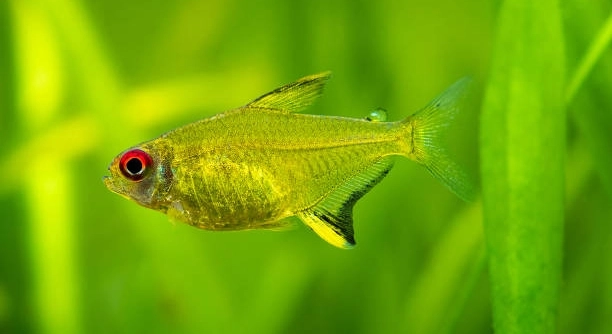
Lemon tetras are small, colorful fish that bring life to any aquarium. Feeding them properly is key to keeping them healthy and active. Many owners unintentionally make mistakes that can harm their delicate fish.
Feeding mistakes such as overfeeding, offering inappropriate foods, and irregular feeding schedules can negatively affect lemon tetra health. Consistent errors may lead to obesity, digestive issues, weakened immunity, and shortened lifespans, emphasizing the importance of careful diet management for these fish.
Knowing the most common feeding errors can help protect your lemon tetras. Small adjustments in daily care make a big difference in their long-term well-being.
Overfeeding Your Lemon Tetras
Overfeeding is one of the most common mistakes in caring for lemon tetras. Many owners think giving more food will make the fish grow faster or be happier. In reality, it causes serious problems. Excess food sinks to the bottom, decomposes, and pollutes the water. This can lead to poor water quality, promoting disease and stressing the fish. Overfeeding also makes fish more prone to obesity, which affects swimming, breathing, and overall health. It is easy to assume small fish need constant feeding, but they actually require only small, measured portions. A good rule is to provide an amount they can eat within two to three minutes, once or twice a day. Watching how much they eat and adjusting portions prevents leftover food from sitting in the tank. Proper feeding keeps the water cleaner and the fish more active.
Controlling portions ensures lemon tetras stay healthy and reduces maintenance needs for the tank.
Small amounts of food spread throughout the day are ideal. Too much at once stresses the fish and the aquarium system. Observing their eating patterns helps maintain balance and keeps the fish energetic. By feeding carefully, owners can avoid water problems and keep their lemon tetras thriving.
Feeding Inappropriate Foods
Lemon tetras require a diet suited to their digestive system and nutritional needs. Feeding flakes that are too large, or food meant for other species, can harm them. Human food or uneaten live prey can also introduce bacteria into the tank, causing illness. Their tiny mouths and delicate digestive tracts are sensitive to hard or oversized food items, which can cause choking or digestive blockage. Properly sized flakes, micro pellets, and occasional live or frozen foods are best. Variety ensures they receive essential vitamins and proteins without overloading their system. Some foods may float while others sink; it’s important to offer both types to encourage natural feeding behavior. Observing how lemon tetras consume their meals ensures no leftover food is left to decay, maintaining water quality. Regularly rotating their diet also prevents boredom and ensures balanced nutrition, keeping the fish healthy and vibrant.
A balanced diet with suitable foods protects their health and encourages active swimming and natural behavior.
Monitoring what they eat helps prevent problems caused by incorrect food. Proper diet management reduces stress and supports strong immune systems, ensuring long-term vitality for lemon tetras. With consistent attention, their small size doesn’t mean dietary care is simple, but the results are rewarding.
Irregular Feeding Schedule
Feeding lemon tetras at inconsistent times can confuse their digestive system. They do best with a predictable routine. Skipping meals or feeding too frequently stresses the fish and can lead to weakened immunity, making them more vulnerable to illness.
Maintaining a consistent feeding schedule helps lemon tetras regulate their metabolism. Feeding them once or twice a day at the same time prevents overeating and reduces leftover food in the tank. When fish expect food at irregular times, they may become anxious or aggressive, swimming frantically for food. Regularity also makes it easier to monitor how much they are eating. Observing their habits over time allows you to adjust portions to avoid waste and maintain healthy water conditions. Small, consistent meals support overall well-being.
Consistency in feeding encourages natural behavior and helps fish feel secure in their environment. Predictable routines reduce stress and improve activity levels. Monitoring responses to feeding times allows owners to fine-tune care, ensuring lemon tetras remain healthy and active, avoiding unnecessary digestive or behavioral problems caused by erratic schedules.
Ignoring Live or Frozen Foods
Relying only on dry flakes limits nutritional variety. Lemon tetras benefit from occasional live or frozen foods, which provide essential protein and stimulate natural hunting behavior. Skipping these foods may leave deficiencies in their diet.
Introducing live or frozen foods like brine shrimp, daphnia, or bloodworms adds important nutrients and encourages activity. These foods mimic natural feeding behavior, helping fish stay mentally and physically engaged. Flakes alone cannot provide all necessary vitamins and proteins. Regularly rotating these options improves health, supports growth, and strengthens the immune system. Care must be taken to avoid overfeeding or introducing contaminated items, which could harm the aquarium environment. Observing how lemon tetras interact with live or frozen foods ensures they are benefiting without stress or risk.
Feeding varied options keeps lemon tetras strong and active. Their natural instincts are supported, preventing boredom and promoting healthy development. A mix of dry, frozen, and live foods ensures optimal nutrition for long-term vitality.
Feeding Too Much at Once
Giving lemon tetras a large amount of food in one sitting can overwhelm their small digestive systems. Excess food often sinks and decomposes, harming water quality and stressing the fish.
Small, frequent feedings are better. Overloading their tank with food can cause obesity, sluggish swimming, and digestive issues.
Skipping Food Rotation
Offering the same type of food continuously limits nutrition. Lemon tetras need variety to stay healthy. Flakes alone cannot provide all vitamins and proteins required. Incorporating live, frozen, or different flake options ensures balanced nutrition, supports immune function, and encourages natural feeding behavior.
Feeding Non-Aquarium Foods
Human foods like bread, vegetables, or snacks are unsafe. They lack essential nutrients and can pollute the tank, leading to illness or digestive problems.
FAQ
How often should I feed my lemon tetras?
Lemon tetras should be fed once or twice a day. Small, consistent portions are best. Overfeeding at any single time can harm their digestion and water quality. Watching how much they eat in two to three minutes helps adjust portions and avoid leftover food.
Can lemon tetras eat only flakes?
Flakes alone are not enough for long-term health. While they provide basic nutrition, lemon tetras benefit from live or frozen foods like brine shrimp, daphnia, or bloodworms. Including these options ensures protein, vitamins, and minerals that flakes cannot fully supply, promoting stronger immunity and activity.
What happens if I overfeed them?
Overfeeding leads to leftover food in the tank, which decomposes and pollutes the water. Fish can develop obesity, swim sluggishly, or suffer from digestive issues. Over time, constant overfeeding weakens immunity and can shorten their lifespan. Controlled, measured feedings prevent these problems.
Is it okay to skip feeding sometimes?
Occasional skipped meals are generally safe, but regular inconsistency can stress lemon tetras. They do best with a predictable routine. Skipping food repeatedly may affect digestion and activity levels, while a consistent schedule supports health and behavior.
Can lemon tetras eat live plants or vegetables?
They may nibble on soft plant matter, but it should not replace proper food. Most human vegetables or leafy greens lack the nutrients needed. Occasional plant matter is fine, but it should supplement, not replace, flakes or protein-rich foods.
What size and type of food is best?
Lemon tetras have small mouths and need appropriately sized flakes or micro pellets. Large flakes or hard foods can cause choking or digestive blockage. Live or frozen foods should also be small enough for them to eat comfortably.
How do I know if they are eating enough?
Observe their behavior and how quickly they finish meals. Active, bright, and swimming fish are usually well-fed. Uneaten food left after feeding or lethargic swimming can indicate overfeeding or dietary issues, signaling a need to adjust portions.
Can feeding mistakes affect water quality?
Yes. Uneaten food decomposes, increasing ammonia and nitrite levels, stressing fish and promoting disease. Proper portion control, consistent feeding, and removing excess food are essential for maintaining clean water and healthy lemon tetras.
Is variety really necessary?
Variety is important for nutrition and mental stimulation. Feeding only one type of food can lead to deficiencies and boredom. Rotating flakes, live, and frozen foods ensures balanced nutrients and supports natural feeding instincts, keeping fish active and healthy.
What is the safest way to introduce new food?
Introduce new foods gradually. Mix small amounts with their regular diet to see how they respond. Watch for leftovers or digestive issues. Gradual introduction helps the fish adjust, prevents waste, and ensures they safely receive all nutrients.
Can feeding mistakes shorten their lifespan?
Yes. Poor feeding habits like overfeeding, improper food types, and inconsistent schedules can lead to obesity, illness, and weakened immunity. Maintaining correct portions, variety, and routine directly supports longevity and overall health of lemon tetras.
How much live or frozen food should I give?
A small pinch once or twice a week is sufficient. It should supplement their flakes, not replace them entirely. Overfeeding live or frozen foods can overwhelm their digestion and pollute the tank, so moderation is key.
Are there any foods I should avoid completely?
Avoid human food, overly processed flakes, or anything too large or hard for their small mouths. Foods that decay quickly or carry bacteria can harm both water quality and fish health, leading to digestive issues or disease.
Can feeding affect their color and activity?
Yes. Proper nutrition enhances natural color and energy levels. Inadequate or unbalanced diets may result in dull colors, reduced activity, or lethargy. Regularly rotating quality flakes, live, and frozen foods supports vibrant appearance and healthy behavior.
What is the best routine for beginner owners?
Feed small portions twice a day, keep a predictable schedule, rotate flakes with occasional live or frozen foods, and remove uneaten food promptly. Monitoring behavior, appetite, and water quality ensures the fish remain healthy and active while avoiding common feeding mistakes.
How long should a feeding session last?
Two to three minutes per feeding is enough for all fish to eat. Any food left after this time should be removed to prevent decay. Quick, measured feedings reduce stress, maintain water quality, and ensure balanced nutrition.
Can feeding mistakes cause disease?
Yes. Overfeeding or wrong foods can lead to bacterial growth and water pollution. Poor diet weakens immunity, making fish more susceptible to infections. Correct feeding practices minimize disease risk and keep lemon tetras strong.
How do I prevent overfeeding with multiple fish?
Distribute food evenly so each fish gets a portion. Measure the total amount based on how much the group can consume in two to three minutes. Observing how much each fish eats prevents waste and maintains balanced nutrition.
Does the type of tank affect feeding?
Yes. Larger or heavily planted tanks may hide leftover food, leading to decay. Open, shallow tanks require careful portion control to prevent pollution. Always monitor feeding outcomes to adjust based on tank setup and fish behavior.
How do I recover from previous feeding mistakes?
Gradually adjust portions, introduce varied foods, and maintain a strict schedule. Regular water changes help recover from past overfeeding. Observation is key—watch for improved appetite, activity, and water clarity. Patience ensures fish regain health without sudden stress.
Caring for lemon tetras can be very rewarding, but feeding them correctly is essential for their health. Many common mistakes happen without owners realizing it. Overfeeding, irregular schedules, and offering the wrong types of food are all problems that can quietly affect the fish. Small fish like lemon tetras are sensitive to changes in their environment and diet, so even minor errors can have big effects. Observing them during feeding and noticing changes in behavior or appearance is an important part of daily care. Healthy lemon tetras are active, swim evenly, and display bright colors. Maintaining a careful routine helps prevent problems and ensures the fish stay strong and vibrant.
The key to avoiding these mistakes is consistency and variety. Feeding small portions at regular times supports their digestion and keeps the tank clean. Including a mix of flakes, micro pellets, and occasional live or frozen foods provides essential nutrients that flakes alone cannot supply. Ignoring variety or feeding too much at once can cause obesity, digestive issues, and weakened immune systems. Even small errors, like feeding human food or skipping rotation of food types, can reduce the fish’s overall health. It is important to treat their diet with the same care as any other pet, planning meals that meet their nutritional needs while keeping their environment stable and clean. Careful observation and adjustment make a significant difference in their long-term well-being.
Watching how lemon tetras respond to their food also helps you understand them better. They have natural behaviors and instincts that are supported by proper feeding. When they receive the right portions and types of food, they swim energetically, show natural curiosity, and interact well with other fish in the tank. On the other hand, feeding mistakes can lead to stress, sluggishness, or even illness. Paying attention to portion sizes, food type, and feeding frequency allows you to correct errors quickly and maintain a healthy environment. Over time, these small but important habits will keep lemon tetras thriving. Proper feeding is not just about nutrition; it is about creating a stable, clean, and supportive home where these small fish can live their healthiest life. Consistency, observation, and careful food choices form the foundation for long-term care and happiness in the aquarium.

Hello,
If you enjoy the content that we create, please consider saying a "Thank You!" by leaving a tip.
Every little bit helps us continue crafting quality advice that supports the health, happiness, and well-being of pets around the world, for pets of all shapes, sizes, and species.
We really appreciate the kindness and support that you show us!