
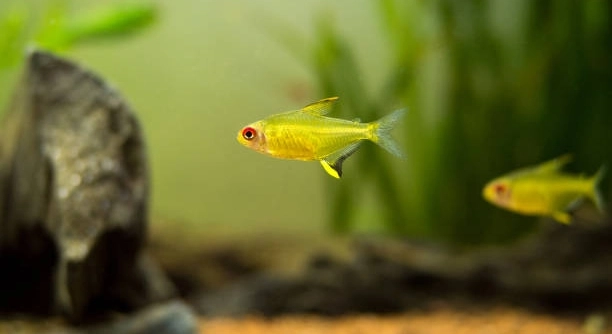
Are your lemon tetras swimming in the same tank yet avoiding each other completely? It can be puzzling to watch these usually social fish drift apart, ignoring the presence of their tank mates without any visible conflict.
Lemon tetras may ignore each other due to stress, improper tank conditions, or insufficient schooling numbers. Environmental factors, such as water quality, temperature, and hiding spaces, influence their social behavior and can cause temporary or prolonged isolation.
Understanding why your fish are behaving this way can improve their environment and encourage natural interactions, making your aquarium a more harmonious and lively space.
Common Reasons Lemon Tetras Ignore Each Other
One of the main reasons lemon tetras may ignore each other is stress caused by their environment. If the tank is too small, overcrowded, or lacks hiding spaces, the fish can become anxious and withdraw from social interaction. Sudden changes in water temperature, pH levels, or cleanliness can also trigger avoidance behavior. Even a tank that seems properly maintained can hide subtle stressors, like strong currents or incompatible tank mates. Nutrition plays a role as well—poor diet or irregular feeding schedules may make the fish lethargic or irritable, leading to less engagement with the group. Observing your tetras’ behavior and tank conditions carefully can help you identify these issues. Gradually improving water quality, providing more plants or decorations, and ensuring consistent feeding routines often encourage the fish to become more interactive and comfortable in their environment. Patience is key when helping lemon tetras adjust.
Stress, poor environment, or insufficient schooling are common factors that cause isolation among lemon tetras.
Adjusting water parameters and tank setup can quickly encourage social behavior and improve interactions among your tetras.
Improving Social Behavior in Lemon Tetras
Adding more lemon tetras to a small group can stimulate schooling behavior. These fish are naturally social, and having at least six individuals usually encourages interaction. Plants, rocks, and other decorations create hiding spots and reduce stress, allowing tetras to feel secure. Maintaining stable water temperature and clean conditions prevents discomfort that leads to avoidance. Regular feeding routines with balanced nutrition also support energy levels and active behavior.
By focusing on proper tank setup and group size, you can create an environment where lemon tetras feel safe and are more likely to engage with each other. Observing subtle changes in their swimming patterns, positioning, and interactions helps determine if adjustments are effective. Avoid sudden changes in decorations, water chemistry, or tank mates, as this can increase stress and prolong isolation. Over time, creating a calm, consistent environment helps restore normal social behavior, encouraging the fish to form natural schools and interact more freely. Additionally, pairing adjustments in diet with environmental improvements ensures that energy levels remain high, making them more likely to explore, chase, and swim together. Keeping a close eye on water quality and tank conditions prevents recurring issues, allowing tetras to feel secure and engaged consistently.
Adjusting Tank Conditions
Proper tank conditions are essential for lemon tetras to interact naturally. Clean water, stable temperature, and adequate hiding spots reduce stress and promote schooling behavior. Avoid overcrowding and strong currents that can make the fish uncomfortable and withdrawn.
Monitoring water parameters consistently helps identify small issues before they affect behavior. Sudden changes in pH, temperature, or ammonia levels can make tetras nervous and avoid each other. Using a reliable water testing kit and performing regular partial water changes keeps the environment stable. Decorations and plants provide security, giving shy individuals spaces to retreat, which encourages confidence over time. Observing their reactions to changes allows you to fine-tune the tank setup and maintain a calm environment.
Adjusting lighting and flow can also impact social interactions. Gentle lighting reduces stress, while moderate water movement simulates natural conditions. Ensuring the tank has both open swimming areas and covered spaces supports schooling and allows individual fish to feel safe. A well-balanced, calm tank encourages lemon tetras to engage consistently, reducing isolation and improving overall health. Regularly observing their behavior helps maintain these conditions and keeps the group cohesive.
Feeding and Nutrition
A balanced diet plays a key role in lemon tetra social behavior. Regular feeding and high-quality food improve energy levels and reduce stress, encouraging active interaction among the group. Avoid overfeeding, as leftover food can pollute the water.
Providing a mix of flakes, frozen, and live foods ensures proper nutrition. Variety keeps the fish engaged during feeding time and supports overall health. Lack of essential nutrients can cause lethargy or irritability, leading to withdrawal from the group. Small, frequent feedings help maintain energy throughout the day, making tetras more likely to school and explore together. Observing how the fish respond to different foods allows for adjustments to ensure they are active and social.
Feeding behavior also reflects social dynamics in the tank. Fish that consistently dominate food may intimidate others, causing some to hide or avoid interaction. Ensuring multiple feeding points and evenly distributed portions helps reduce competition and encourages group cohesion. Healthy, well-fed lemon tetras are more likely to swim together, interact naturally, and display vibrant colors. Monitoring diet and adjusting as needed prevents nutritional imbalances and supports a harmonious tank environment.
Tank Mates and Compatibility
Introducing incompatible tank mates can cause lemon tetras to isolate. Aggressive or overly active species may intimidate them, leading to avoidance and stress. Choosing peaceful companions helps maintain calm interactions and encourages schooling behavior.
Small, non-aggressive fish work best with lemon tetras. Avoid large or territorial species that compete for space or food. Compatibility ensures that tetras remain confident and engaged in the tank, reducing tension and promoting social cohesion.
Observing Natural Behavior
Lemon tetras naturally form schools and engage in synchronized swimming. Ignoring each other may be temporary, often caused by stress, adaptation, or minor disturbances in their environment. Observing patterns over time helps determine whether behavior is typical or needs intervention.
Maintaining Water Quality
Consistent water quality is crucial. High ammonia or nitrate levels can stress fish, causing them to hide or avoid group interaction. Regular testing and partial water changes keep conditions stable.
FAQ
Why are my lemon tetras ignoring each other after being introduced?
New fish often need time to adjust. Moving to a new environment can be stressful, causing temporary avoidance. Differences in personality or energy levels may also make some fish hesitant to join the group immediately. Providing stable water conditions and hiding spaces helps them acclimate.
Can water temperature affect their social behavior?
Yes, lemon tetras are sensitive to temperature fluctuations. Sudden changes can cause stress, making fish less likely to interact. Maintaining a stable temperature between 72°F and 78°F ensures comfort, encourages natural schooling, and reduces periods of isolation.
How many lemon tetras should be in a tank for proper social behavior?
A minimum of six lemon tetras is recommended. Smaller groups can feel insecure and fail to school properly. Larger groups allow natural interaction and reduce dominance issues, encouraging fish to engage with each other.
Could tank size be causing them to avoid each other?
Yes, a small or overcrowded tank can increase stress and reduce movement, making fish less social. Providing at least 20 gallons for a small group ensures enough swimming space and room for hiding spots.
Do decorations and plants affect their behavior?
Absolutely. Plants, rocks, and ornaments create hiding spaces that help shy or stressed fish feel secure. When tetras feel safe, they are more likely to swim in groups and engage with tank mates. Avoid over-cluttering, which can limit swimming areas.
Does diet influence interaction among lemon tetras?
Nutrition plays a key role. Poor diet can make fish lethargic or irritable, leading to less social interaction. Offering a variety of high-quality flakes, frozen, and live foods maintains energy levels and encourages active schooling behavior. Small, frequent feedings are often most effective.
Can aggressive or incompatible tank mates cause isolation?
Yes, aggressive species can intimidate lemon tetras, causing them to hide or avoid interaction. Choosing peaceful, small fish promotes calm group behavior and encourages tetras to swim and interact naturally. Avoid large or territorial fish in the same tank.
Are there health issues that make lemon tetras avoid each other?
Illness can cause lethargy, loss of appetite, and withdrawal from the group. Parasites, bacterial infections, or poor water conditions can all impact behavior. Observing for symptoms and maintaining good water quality helps prevent these problems.
How long does it take for lemon tetras to start interacting again?
Adjustment times vary. New fish may take a few days to a couple of weeks to feel comfortable. Gradual improvements to tank conditions, stable water parameters, and proper diet can speed up the process.
Is it normal for them to have occasional periods of ignoring each other?
Yes, even healthy tetras sometimes spend short periods apart. Minor stressors or temporary changes in energy levels can cause brief isolation. Consistent care ensures these periods remain short and the group continues to school regularly.
Can lighting and tank flow affect their social behavior?
Lighting and water movement do influence activity. Bright or fluctuating light can stress the fish, while strong currents may discourage schooling. Gentle lighting and moderate flow simulate natural conditions, encouraging active interaction and comfort within the group.
What steps can I take if my lemon tetras continue to ignore each other?
Check water quality, temperature, and tank setup first. Increase hiding spaces and ensure the group size is sufficient. Adjust diet, reduce stressors, and observe interactions carefully. Patience and small, consistent changes usually restore natural schooling behavior over time.
Do tetras always interact at the same time?
Not always. Activity levels can vary throughout the day, and some individuals may rest or explore separately. This is normal as long as periods of isolation are short and the group regularly schools together.
Can overcrowding affect social behavior long-term?
Overcrowding can cause chronic stress, leading to prolonged isolation, aggression, and health problems. Ensuring enough space and limiting the number of fish prevents behavioral issues and supports long-term group cohesion.
How do I know if ignoring behavior is serious?
If fish remain isolated for extended periods, show lethargy, or display signs of illness, it indicates a problem. Consistent observation and proper maintenance of tank conditions are necessary to address underlying issues promptly.
Does seasonal change affect their behavior?
Seasonal variations in room temperature or light exposure can cause mild stress. Maintaining stable water parameters and consistent lighting reduces the impact of these changes, keeping tetras more active and social.
Are some lemon tetras naturally less social?
Yes, individual personalities vary. Some fish are naturally shy and take longer to integrate into a group. Providing a safe environment and sufficient group size allows these individuals to participate gradually without forcing interaction.
How often should I check water parameters to prevent social issues?
Weekly checks are recommended for ammonia, nitrite, nitrate, and pH levels. Monitoring these factors ensures a stable environment, reducing stress that can lead to isolation or aggression. Consistent maintenance promotes natural social behavior.
Can rearranging the tank help?
Rearranging decorations or adding plants can encourage exploration and interaction. However, avoid frequent or drastic changes, as this can stress the fish and temporarily increase avoidance behavior. Small, gradual adjustments are most effective.
Should I separate a fish that refuses to interact?
Separation is rarely needed unless the fish shows illness or severe stress. Improving tank conditions, increasing hiding spots, and ensuring proper group size usually restores interaction without isolating individuals.
Do water filters impact their social behavior?
Filters affect water flow and noise levels. Strong currents or vibrations may stress tetras, reducing interaction. Using gentle filtration and positioning it to minimize disturbance helps maintain a calm, social environment.
Can seasonal changes in lighting affect schooling?
Yes, fluctuations in light duration or intensity can influence activity. Stable, moderate lighting simulates natural conditions, encouraging synchronized swimming and group cohesion.
How long should I wait before adding more tetras to encourage schooling?
Wait until the existing group is comfortable and regularly interacts. Gradual introduction of new fish ensures minimal stress and promotes successful integration into the school.
Does water hardness affect their social behavior?
Yes, lemon tetras prefer soft to moderately hard water. Incorrect hardness can cause stress, leading to avoidance or withdrawal. Maintaining proper parameters supports health, activity, and natural social interaction.
Can using a tank background help reduce stress?
Yes, a solid background can make the tank feel more secure. Reducing visual stress from outside movements encourages confident swimming and interaction among tetras.
Is ignoring behavior reversible?
Most of the time, yes. Adjusting water quality, tank setup, diet, and group size restores normal schooling and social behavior. Patience and careful observation are key to success.
Do lemon tetras need light-dark cycles to interact?
Yes, a consistent day-night cycle supports natural rhythms. Sudden changes in lighting can stress the fish and reduce social interaction. Regular cycles encourage active periods for schooling and group engagement.
Can stress from frequent handling affect their behavior?
Handling or disturbing the tank frequently can make tetras anxious and withdrawn. Minimizing disturbances and maintaining a calm environment encourages confident, interactive behavior.
How important is tank maintenance for social behavior?
Regular cleaning, water changes, and monitoring parameters prevent stress that causes isolation. Consistent maintenance ensures a safe and comfortable environment, allowing lemon tetras to interact naturally and display healthy schooling behavior.
Are there visual cues that indicate stress-related isolation?
Pale coloration, clamped fins, and hiding more than usual signal stress. Observing these signs helps identify environmental or health issues affecting social behavior before they become serious.
Does overcrowding affect feeding behavior and interaction?
Yes, too many fish can increase competition, causing timid individuals to hide during feeding. Ensuring enough space and multiple feeding points encourages equal participation and social cohesion.
How long after correcting conditions will tetras start interacting again?
Responses vary but most show improvement within a few days to a couple of weeks. Gradual, consistent improvements in tank setup, diet, and water quality support quicker restoration of normal schooling behavior.
Can seasonal temperature changes in the room affect interaction?
Yes, room temperature fluctuations can stress the tank environment. Using a reliable heater or monitoring temperature closely reduces stress and promotes consistent social behavior.
Should I introduce new hiding spaces gradually or all at once?
Gradual introduction is best. Sudden additions can cause temporary stress, while gradual placement allows fish to explore safely and encourages confident social interaction over time.
Can pairing adjustments in diet and environment accelerate social behavior?
Yes, improving nutrition while stabilizing tank conditions provides energy and comfort. This combination often leads to quicker reestablishment of schooling and active interaction among lemon tetras.
Is it normal for some tetras to remain shy permanently?
Some individuals may always be less active, but most integrate over time. Ensuring a safe, consistent environment helps even shy fish participate in group schooling gradually.
Do water flow adjustments help reduce isolation?
Yes, moderating strong currents reduces stress. Gentle water movement supports natural swimming patterns and encourages interaction within the group.
How do I know if a tetra is too stressed to interact?
Signs include constant hiding, clamped fins, loss of appetite, and pale coloration. Addressing water quality, tank setup, and diet usually reduces stress and restores social behavior.
Can seasonal variations in feeding schedules impact interaction?
Yes, inconsistent feeding times or changes in quantity can cause lethargy or competition, reducing interaction. Maintaining regular, balanced feeding promotes energy and schooling behavior.
Should I consider quarantining new fish before introducing them?
Quarantining prevents the spread of disease and reduces stress for existing fish. Healthy, acclimated fish are more likely to integrate smoothly and participate in group interactions.
Can using live plants improve social behavior?
Yes, live plants provide natural hiding spaces and a sense of security. They encourage exploration, reduce stress, and promote interaction among lemon tetras.
Do tank size and layout impact schooling behavior long-term?
Yes, a well-sized tank with open swimming areas and secure hiding spots supports long-term schooling. Proper layout ensures fish remain confident, active, and social over time.
Can adding mirrors or reflections affect behavior?
Yes, mirrors can temporarily encourage activity but may stress some fish. Use sparingly and observe reactions to prevent anxiety or prolonged isolation.
Are stress-related isolation periods reversible for all tetras?
Most tetras recover once conditions improve, but individual personality and health may influence recovery speed. Consistent care usually restores social behavior effectively.
Does water hardness and pH affect energy levels and interaction?
Yes, maintaining soft to moderately hard water and slightly acidic to neutral pH supports comfort, energy, and natural social behaviors among lemon tetras.
Can changing the tank location affect interaction?
Yes, moving a tank can increase stress temporarily. Allow time for tetras to acclimate before expecting normal schooling and social activity.
Do tetras recognize each other over time?
Yes, they can establish familiarity, which encourages consistent schooling and interaction. Stability in the group fosters long-term social behavior.
Can sudden changes in diet disrupt interaction?
Yes, abrupt diet changes may cause temporary stress or competition, reducing social behavior. Gradual dietary adjustments prevent disruption and maintain energy levels for schooling.
Are isolated fish more prone to illness?
Yes, stress from isolation can weaken the immune system. Maintaining proper care and encouraging social interaction supports health and reduces disease risk.
Does water clarity affect social behavior?
Yes, murky water increases stress and may discourage interaction. Clear, clean water helps tetras feel secure and encourages schooling.
Can seasonal light cycles be simulated for better interaction?
Yes, using timers to create consistent day-night cycles helps maintain natural activity levels and supports social behavior in lemon tetras.
How do I know if schooling behavior has returned to normal?
Normal behavior includes synchronized swimming, active exploration, and regular engagement with tank mates. Observing consistent group patterns indicates restored social interactions.
Can introducing more hiding spaces after isolation help?
Yes, additional hiding spots reduce stress, allowing shy fish to feel secure and gradually rejoin group activities, restoring normal schooling behavior.
Do lemon tetras need constant supervision to maintain social behavior?
No, regular observation is enough. Maintaining stable conditions, proper diet, and appropriate group size ensures ongoing natural interaction without constant monitoring.
Can water flow adjustments combined with tank rearrangement improve interaction?
Yes, combining gentle currents with strategic decoration placement reduces stress, encourages exploration, and promotes consistent schooling behavior among lemon tetras.
Does adding more tetras always improve interaction?
Not always. Adding new fish too quickly or in small groups may increase stress. Gradual introductions and proper acclimation encourage successful integration.
Is ignoring behavior always linked to health issues?
No, temporary avoidance is often related to environmental stress, personality differences, or adaptation periods. Health issues are only one possible factor.
Can seasonal temperature drops cause temporary isolation?
Yes, cooler water can slow metabolism and reduce activity. Using heaters or monitoring temperature maintains stable conditions, supporting normal social behavior.
How long should I wait to see results after making changes?
Improvement is usually noticeable within a few days to weeks. Consistent adjustments in diet, tank setup, and water quality help restore social behavior reliably.
Are lemon tetras naturally cautious fish?
Yes, they can be timid, especially in new or changing environments. Providing safety and stability encourages confidence and group interaction over time.
Can stress from noise or vibrations affect schooling?
Yes, excessive noise or vibrations can make tetras anxious, reducing interaction. A quiet, stable environment promotes calm, natural schooling behavior.
Should I remove aggressive tank mates immediately?
Yes, removing fish that cause intimidation reduces stress and allows lemon tetras to resume normal interactions and schooling without fear.
Can regular water changes improve social behavior?
Yes, consistent water changes maintain clean, stable conditions, reducing stress and encouraging confident swimming and group cohesion.
Do lemon tetras always school tightly?
Not constantly. They may explore separately for short periods, but regular schooling indicates normal social behavior and comfort within the tank.
Can behavioral changes signal underlying environmental issues?
Yes, sudden or prolonged changes in interaction often indicate water quality, temperature, or diet problems. Addressing these factors restores normal behavior.
Is patience important when correcting ignoring behavior?
Yes, gradual improvements and careful observation are necessary. Lemon tetras adapt over time, and rushing changes may increase stress and prolong isolation.
Can small adjustments in tank lighting make a difference?
Yes, consistent, moderate lighting supports natural rhythms, encourages swimming, and helps maintain social interaction among lemon tetras.
Do lemon tetras prefer calm water flow?
Yes, gentle currents mimic natural conditions, reduce stress, and encourage schooling. Strong flow may discourage group interaction.
Are shy individuals less likely to interact initially?
Yes, some fish take longer to feel secure. Ensuring proper tank setup and hiding spaces allows them to join the group gradually.
Can isolation behavior be prevented entirely?
While it cannot always be completely prevented, maintaining stable conditions, proper group size, and low-stress environment greatly reduces occurrences of avoidance.
Do temperature and pH need constant monitoring to maintain interaction?
Yes, consistent parameters prevent stress and support healthy social behavior. Regular checks ensure tetras remain active and comfortable in their environment.
Can adding new decorations encourage interaction?
Yes, strategically placed plants and ornaments create exploration opportunities and safe spaces, encouraging shy individuals to join the group gradually.
Do lemon tetras interact more during feeding times?
Often, yes. Feeding stimulates activity and encourages movement throughout the tank, which promotes group cohesion and social behavior.
Are some avoidance behaviors temporary and normal?
Yes, brief periods of isolation can occur without cause for concern. Consistent care ensures these behaviors remain short-lived and schooling resumes naturally.
Can long-term isolation cause permanent behavioral changes?
Extended stress and poor conditions may lead to persistent timid behavior. Correcting environmental factors early helps restore normal social patterns.
Do lemon tetras need visual cues from each other to school?
Yes, seeing other fish swim encourages participation. Sufficient group size and open swimming space support natural schooling behavior.
Can tank vibrations or movement from outside affect interaction?
Yes, frequent disturbances can stress tetras, causing temporary avoidance. Reducing external vibrations promotes confidence and active social behavior.
Does adjusting water hardness gradually improve social behavior?
Yes, slowly bringing water to preferred softness or moderate hardness reduces stress and encourages natural schooling and interaction.
Are all lemon tetras equally social?
No, personality differences exist. Some fish are naturally more reserved, but a stable, low-stress environment encourages even shy individuals to engage over time.
Can minor changes in feeding routine restore interaction?
Yes, consistent portion sizes and feeding locations support energy and reduce competition, encouraging group cohesion and schooling behavior.
Do they prefer hiding spots near open swimming areas?
Yes, accessible hiding spaces allow fish to feel secure while exploring, promoting confidence and interaction with the group.
Can gentle water flow combined with plant placement improve socialization?
Yes, it reduces stress, encourages natural swimming patterns, and allows shy fish to gradually join the school, restoring normal group behavior.
Is ignoring each other always a sign of poor health?
Not always. Environmental stress, personality, or adaptation periods are more common reasons. Health issues are only one potential factor.
Do lemon tetras need consistent lighting to maintain interaction?
Yes, stable light cycles support natural activity patterns, encouraging schooling and confident behavior.
Can frequent tank disturbances prolong avoidance behavior?
Yes, disturbances from handling, moving decorations, or outside activity increase stress, delaying the return of normal social interaction.
Are there visual signs that indicate improvement in social behavior?
Active swimming, synchronized movement, and regular group formation indicate restored schooling and engagement. Observing these signs confirms successful adjustments.
How often should I observe them to track progress?
Daily or every other day is sufficient. Short observation periods allow monitoring without causing additional stress, helping guide adjustments effectively.
Can adjusting diet and tank setup simultaneously speed recovery?
Yes, improving nutrition and stabilizing the environment together supports energy, confidence, and natural social behavior, encouraging quicker re-engagement with the group.
Do lemon tetras recognize safe areas in the tank over time?
Yes, familiarity with hiding spots and open areas reduces stress and encourages confident movement, supporting consistent social interaction.
Can subtle water parameter fluctuations cause temporary isolation?
Yes, even minor changes in pH, temperature, or hardness can stress fish. Maintaining stability helps prevent prolonged avoidance.
Is gradual acclimation important when introducing new fish?
Yes, slow introductions reduce stress, allow observation of interactions, and help integrate new fish successfully into the school.
Do lemon tetras display leadership in schooling behavior?
Occasionally, more confident individuals may guide movement, encouraging shy fish to join. Stable conditions support this natural dynamic.
**Can external stressors like room noise or vibrations impact
Final Thoughts
Lemon tetras are naturally social fish, and their interactions are often influenced by several factors in their environment. Observing your fish and understanding their behavior is key to maintaining a harmonious tank. Stress, water quality, diet, tank mates, and space all play a role in how these fish interact. Even minor changes in temperature, lighting, or water chemistry can affect their willingness to school or engage with each other. Taking small, consistent steps to improve these conditions usually encourages natural behavior. Patience is important, as it can take time for tetras to adjust to changes and feel secure in their environment.
Providing a stable, comfortable environment for your lemon tetras is one of the most effective ways to encourage social behavior. Ensuring clean water with consistent temperature, pH, and hardness supports both their health and confidence. A properly sized tank with open swimming areas and sufficient hiding spaces helps reduce stress and allows timid individuals to join the group gradually. Maintaining a balanced diet with high-quality flakes, live, or frozen foods keeps energy levels high and encourages activity. Group size also matters, as smaller groups may feel insecure, while larger groups promote natural schooling behavior. Careful observation and minor adjustments can make a noticeable difference in how your tetras interact.
Behavioral issues such as ignoring each other are often temporary and can be resolved with proper care and attention. Monitoring the fish for signs of stress, illness, or discomfort ensures that any underlying problems are addressed promptly. Gradual introductions of new fish or decorations, consistent feeding routines, and gentle water flow all contribute to a calm, secure environment. Over time, lemon tetras generally return to natural schooling patterns and active engagement when these conditions are met. By focusing on stability, nutrition, and proper tank setup, you can support healthy social interactions and create a lively, balanced aquarium that benefits all your fish.

Hello,
If you enjoy the content that we create, please consider saying a "Thank You!" by leaving a tip.
Every little bit helps us continue crafting quality advice that supports the health, happiness, and well-being of pets around the world, for pets of all shapes, sizes, and species.
We really appreciate the kindness and support that you show us!