
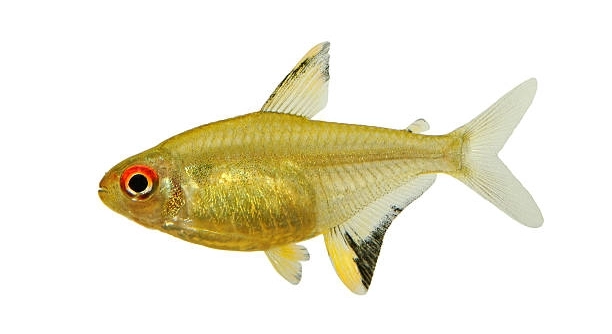
Lemon Tetras are small, bright fish that can bring life to a community tank. Their gentle nature makes them a popular choice, but adding them requires some care to ensure they thrive alongside other fish in your aquarium.
Introducing Lemon Tetras to a community tank requires careful attention to water quality, tank size, and compatible species. Gradual acclimation and monitoring their behavior are essential to maintain a balanced environment and ensure their health and safety.
Knowing the right steps will help your Lemon Tetras adjust smoothly and flourish among their tank mates. Following proper guidance can make the process much simpler and rewarding.
Choosing the Right Tank Size
Lemon Tetras are small, active fish that need space to swim comfortably. A minimum tank size of 20 gallons is recommended for a small school of six to eight tetras. Crowding can cause stress and aggression, which may lead to illness or reduced lifespan. When planning your community tank, it’s important to consider not just the number of Lemon Tetras but also the other species you plan to keep. Tetras prefer a tank with plenty of open swimming areas combined with some planted sections or decorations for hiding. Providing a mix of natural and artificial plants helps them feel secure while still having room to explore. A larger tank allows better water stability, which is crucial for maintaining consistent temperature, pH, and overall water quality. Proper filtration and regular maintenance will also ensure your tetras stay healthy. Remember, these fish are delicate, and a stable environment is key to their happiness and longevity.
Providing at least 20 gallons ensures Lemon Tetras have sufficient space to swim freely and reduces stress in a community tank environment.
Planning the tank layout carefully will help your tetras feel secure while blending well with other species. You can arrange plants and decorations in a way that creates hiding spots without restricting movement. Observing their behavior in the first few weeks will help you adjust the environment as needed.
Water Parameters and Temperature
Maintaining proper water conditions is critical for Lemon Tetras to thrive. These fish prefer slightly acidic to neutral water with a pH between 6.0 and 7.0. Temperature should be kept stable around 72 to 78°F, and sudden changes can be harmful.
Keeping water quality high involves regular testing for ammonia, nitrites, and nitrates, along with consistent partial water changes. Tetras are sensitive to poor water conditions, which can quickly lead to stress and disease. Using a reliable filtration system helps maintain clean water and reduces toxins. Avoid overfeeding, as leftover food can degrade water quality. Introducing new fish should be done gradually, with proper quarantine measures to prevent the spread of disease. Observing the tetras’ activity and coloration can give clues about their health. A well-maintained tank with stable parameters encourages natural behavior, vibrant colors, and successful interaction with other species. Over time, this careful monitoring ensures a balanced environment, making it easier to manage a harmonious community tank.
Acclimating Lemon Tetras
Slow acclimation helps Lemon Tetras adjust to a new tank without stress. Drip acclimation over one to two hours gradually introduces them to the water conditions.
Start by floating the sealed bag in the tank for 15 to 20 minutes. Then, slowly add small amounts of tank water to the bag every 5 minutes. This process helps the fish adapt to temperature, pH, and hardness differences. Avoid rushing the process, as sudden changes can shock their system, causing stress or even death. Once acclimated, gently release them into the tank without removing water from the bag to prevent contamination.
During the first 24 hours, observe the tetras closely. Watch for signs of stress like clamped fins, rapid gill movement, or hiding excessively. Providing hiding spots and keeping lights dimmed can help them feel secure while they adjust.
Choosing Compatible Tank Mates
Lemon Tetras do well with peaceful, similarly sized fish. Avoid aggressive or large species that may intimidate or harm them.
Small schooling fish, rasboras, or corydoras catfish are suitable companions. Compatibility ensures minimal stress and encourages natural schooling behavior. Consider the temperament and environmental needs of each species to create a balanced community.
Aggressive or territorial fish can cause constant stress, reducing immunity and making tetras more prone to disease. Additionally, mismatched water parameter preferences can create tension in the tank environment. Planning ahead for compatible tank mates ensures harmony and longevity for all species. Observing interactions after introduction helps you identify any potential issues early, allowing for timely adjustments to maintain a peaceful community. Regular monitoring and careful selection of companions will support the tetras’ health, social behavior, and overall enjoyment of their environment.
Feeding Lemon Tetras
Lemon Tetras eat small flakes, micro-pellets, and frozen foods like brine shrimp or daphnia. Feeding small portions twice a day prevents overfeeding and keeps water quality stable.
A varied diet ensures proper nutrition and helps maintain their bright colors. Overfeeding can lead to leftover food, which quickly pollutes the tank and affects the health of all fish.
Monitoring Behavior
Observe your tetras daily for changes in activity, appetite, or coloration. Early detection of stress or illness allows prompt action.
Maintaining Tank Cleanliness
Regular partial water changes and substrate cleaning help prevent toxin buildup. Maintaining a clean environment supports healthy fish and reduces disease risk.
Providing Hiding Spots
Lemon Tetras feel safer with plants, rocks, or decorations where they can retreat. Hiding spots reduce stress and encourage natural schooling behavior.
FAQ
How many Lemon Tetras should I keep together?
Lemon Tetras are schooling fish, so they do best in groups of six or more. Keeping fewer than six can stress them and cause shy or erratic behavior. Larger groups help them feel secure and display natural swimming patterns.
Can Lemon Tetras live with other small fish?
Yes, they do well with peaceful, small species like rasboras, guppies, and corydoras. Avoid aggressive or territorial fish, as these can intimidate or harm tetras. Always consider compatible water parameters and temperament when adding new species.
What water conditions do Lemon Tetras need?
They thrive in slightly acidic to neutral water, with a pH of 6.0 to 7.0. Temperature should be stable between 72 and 78°F. Avoid sudden changes, as tetras are sensitive and can become stressed or ill.
How often should I feed Lemon Tetras?
Feed small portions twice a day. They can eat flakes, micro-pellets, or frozen foods like brine shrimp and daphnia. Variety helps maintain color and health. Overfeeding can pollute the tank, so remove uneaten food promptly.
Do Lemon Tetras need a lot of decorations?
They enjoy hiding spots created by plants, rocks, or driftwood, but also need open swimming space. Balanced tank decor reduces stress and encourages natural behavior without overcrowding.
How do I acclimate new Lemon Tetras?
Use slow drip acclimation over one to two hours. Gradually mix tank water into the bag to adjust temperature, pH, and hardness. Avoid rushing, as sudden changes can shock them. Observe them closely for stress during the first day.
What signs indicate stress or illness in Lemon Tetras?
Watch for clamped fins, rapid gill movement, loss of appetite, or hiding more than usual. Dull coloration and erratic swimming are also warning signs. Early detection and water parameter checks are essential for intervention.
Can Lemon Tetras breed in a community tank?
Breeding is possible, but they prefer quiet, heavily planted areas. In a community tank, eggs may be eaten by other fish. Providing a separate breeding tank increases the chance of successfully raising fry.
Do Lemon Tetras require a special filtration system?
Standard aquarium filters are sufficient if they maintain clean, oxygenated water. Ensure the flow is gentle, as tetras prefer calm currents. Regular maintenance is essential to prevent waste buildup and maintain stable water conditions.
How long do Lemon Tetras live?
With proper care, Lemon Tetras can live up to five years. Stable water conditions, a balanced diet, and a peaceful environment contribute to their longevity and overall health.
Is it necessary to test the water regularly?
Yes, testing for ammonia, nitrites, nitrates, pH, and temperature helps catch problems early. Regular monitoring keeps the tank safe and ensures the tetras remain healthy, active, and vibrant.
Can Lemon Tetras adapt to different tank setups?
They are flexible but prefer a planted tank with some open swimming space. Adding hiding spots while maintaining stable water conditions helps them adjust quickly and thrive in most community setups.
Are Lemon Tetras sensitive to lighting?
Moderate lighting works best. Bright lights can stress them, while dim lighting helps them feel secure. Plants can provide shaded areas, mimicking their natural habitat and encouraging normal behavior.
Do Lemon Tetras interact with their tank mates?
They are social and peaceful, schooling together or swimming alongside compatible fish. Observing their interactions can help ensure the community remains harmonious and stress-free.
What is the best way to introduce new fish to a tank with Lemon Tetras?
Use quarantine and gradual acclimation. Float the new fish in the tank water and slowly mix small amounts over time. Observe behavior carefully to prevent stress or aggression and ensure all fish remain healthy.
Lemon Tetras are small, colorful fish that bring energy and beauty to a community tank. They are peaceful, easy to care for, and enjoy being in groups. Keeping them happy requires attention to tank size, water quality, and compatible tank mates. When these basic needs are met, they can thrive for years and provide an enjoyable experience for anyone maintaining an aquarium. Watching them swim in schools, moving gracefully around plants and decorations, is calming and rewarding. Their bright yellow coloring can stand out even among other small fish, giving the tank a cheerful appearance. Providing a stable environment with proper care allows their natural behaviors, such as schooling and exploring, to show.
Maintaining the right water conditions is essential for Lemon Tetras. They prefer slightly acidic to neutral water and moderate temperatures between 72 and 78°F. Sudden changes in temperature or pH can cause stress or illness, so regular monitoring is important. A clean tank with functioning filtration reduces toxins and keeps the water safe. Feeding them a balanced diet of flakes, micro-pellets, and occasional frozen foods ensures they get the nutrients they need. Overfeeding should be avoided, as leftover food can quickly affect water quality and the health of all fish. Providing hiding spots with plants, rocks, or other decorations helps them feel secure and reduces stress. Open swimming areas should also be available, as these fish need space to move freely and show natural schooling behavior.
Adding Lemon Tetras to a community tank can be rewarding if the right preparations are made. Slow acclimation when introducing new fish helps reduce stress, and observing them during the first days allows any issues to be addressed quickly. Choosing compatible tank mates that are peaceful and similar in size ensures a harmonious environment. Regular maintenance, monitoring water quality, and feeding appropriately all contribute to their long-term health. With careful attention, Lemon Tetras can thrive, display vibrant colors, and interact naturally with other species in the tank. They are an excellent choice for aquariums, providing both beauty and calm activity, while their gentle nature allows them to coexist peacefully with other small fish. A well-maintained tank allows their personalities and behaviors to flourish, creating a visually pleasing and lively community aquarium.

Hello,
If you enjoy the content that we create, please consider saying a "Thank You!" by leaving a tip.
Every little bit helps us continue crafting quality advice that supports the health, happiness, and well-being of pets around the world, for pets of all shapes, sizes, and species.
We really appreciate the kindness and support that you show us!