
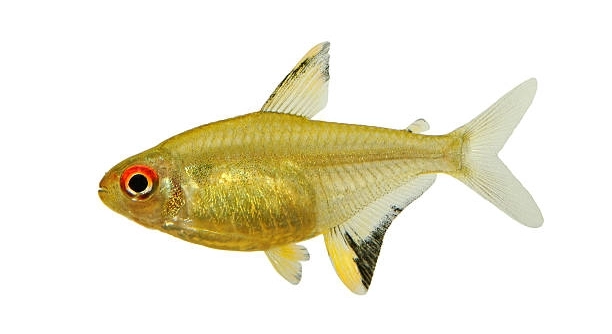
Keeping a small group of Lemon Tetras happy in your tank can be rewarding, but sometimes their behavior may signal underlying issues. Observing their movement and interaction helps ensure they thrive in a calm environment.
A content Lemon Tetra group displays consistent swimming patterns, vibrant coloration, and active social interactions. Stress indicators, such as hiding, aggression, or dull fins, can reveal discomfort, while healthy water conditions and proper tank mates promote overall wellbeing.
Recognizing these subtle signs can improve your aquarium management and help maintain a lively, harmonious fish community.
Swimming Patterns
Lemon Tetras that are content usually swim in coordinated groups, weaving smoothly around the tank without sudden darting or isolating themselves. Their movements appear relaxed, and they often glide near the middle of the tank rather than staying at the bottom or top. When a fish consistently hides behind decorations or near the substrate, it may indicate stress, illness, or an unsuitable environment. Watching for erratic movements, rapid gill activity, or frequent changes in direction helps you gauge their comfort level. Providing enough space, a gentle current, and consistent lighting can improve swimming behavior. Feeding at regular intervals also keeps the group active and engaged. Over time, observing these patterns allows you to detect early signs of illness or discomfort, giving you a chance to adjust water parameters or tank setup before minor issues escalate. A stable tank environment promotes natural, flowing movement in the group.
Regular swimming patterns indicate good health and social stability among Lemon Tetras. Calm movement in cohesive groups reflects an appropriate environment and low stress levels.
Monitoring swimming patterns is more than just watching movement; it shows the balance between water quality, diet, and tank companions. Noticing subtle differences helps maintain long-term health and minimizes stress-related behaviors.
Color and Appearance
Bright, consistent colors are a clear sign of a happy Lemon Tetra group.
Dull or faded colors can signal stress, poor diet, or illness. Water quality, temperature, and proper nutrition directly impact the vibrancy of their scales. Regular observation helps detect changes early.
Maintaining vibrant coloration requires stable water conditions and a balanced diet. Sudden shifts in brightness or spotting can be early warning signs of disease or environmental issues. Providing live plants and hiding spots not only enriches the tank but also reduces stress, supporting better color retention. Even slight variations in water chemistry, like pH swings or ammonia spikes, can cause colors to fade quickly. Feeding small amounts multiple times a day ensures they receive adequate nutrition without overfeeding, which can affect water quality. Regular tank maintenance, including water changes and careful monitoring of chemical levels, preserves a safe habitat for these tetras. Over time, consistent care encourages strong coloration, alert behavior, and proper growth. Observing your group daily helps identify which factors influence their overall appearance, ensuring each fish remains healthy and visually vibrant.
Social Interaction
Lemon Tetras show comfort by interacting calmly with each other. Frequent chasing or nipping signals stress, while gentle schooling indicates a balanced, healthy group.
A content group stays close together, often moving in the same direction and responding to one another’s cues. They share space without constant competition, exploring the tank evenly. Aggression usually arises from overcrowding, poor water quality, or incompatible tank mates. Observing their reactions during feeding and routine movements reveals their comfort level. Providing enough plants and open swimming areas reduces tension, allowing them to form natural social patterns. Groups that consistently interact without hiding or chasing each other demonstrate proper social balance.
When a few tetras isolate themselves, it can suggest illness or discomfort, prompting attention to water parameters or diet. Social harmony is maintained by keeping the group size adequate, avoiding overcrowding, and choosing peaceful companions. A well-planned tank encourages cooperative behavior and reduces stress, promoting longevity.
Feeding Behavior
Lemon Tetras respond eagerly to food when they are content, swimming toward the source without hesitation.
Regular feeding encourages healthy growth and activity. They should receive small, frequent portions to prevent overfeeding and maintain water quality. Observing their approach to food shows appetite and energy levels.
Feeding behavior reflects both health and environment. A group that consistently ignores food may be stressed, sick, or in unsuitable water conditions. Offering a varied diet of high-quality flakes, micro pellets, or occasional live foods ensures proper nutrition. The timing of feeding matters too; a consistent schedule helps them anticipate meals and reduces frantic competition. Watching how tetras share food also provides insight into social dynamics. Dominant fish should not monopolize portions, as weaker individuals may become malnourished. Ensuring everyone has access to food keeps the group healthy and reduces stress-induced behaviors. Tracking feeding responses over time helps you adjust diet and routine, supporting long-term well-being.
Resting Spots
Lemon Tetras often pause near plants or decorations to rest. Healthy fish use these spots without hiding excessively.
Frequent hiding or clustering in corners may indicate stress, poor water quality, or illness. Observing resting patterns helps gauge overall comfort.
Water Quality Awareness
Clean, stable water is essential for Lemon Tetras. Regular testing of pH, ammonia, nitrite, and nitrate levels prevents health issues. Sudden changes in water chemistry can cause stress, affecting behavior, color, and appetite. Maintaining proper filtration and performing consistent partial water changes helps keep the tank environment safe. Temperature stability is also important, as tetras are sensitive to fluctuations. Adding live plants can support natural filtration and provide hiding areas, further reducing stress. Observing the group’s response to water changes gives insight into comfort levels, while monitoring daily behavior ensures early detection of potential problems. Proper maintenance supports vibrant colors, active swimming, and balanced social interaction, keeping the group healthy over time.
Fin Condition
Healthy Lemon Tetras have smooth, intact fins that move naturally while swimming.
How can I tell if my Lemon Tetras are stressed?
Stress in Lemon Tetras often shows through behavior and appearance. Fish may hide frequently, lose interest in food, or swim erratically. Their fins can appear clamped or damaged, and colors may fade. Environmental factors like sudden water changes, overcrowding, or incompatible tank mates are common causes. Observing your tetras daily helps identify early signs. Minor adjustments such as stabilizing water parameters, providing hiding spots, and maintaining a consistent feeding schedule usually reduce stress.
Why are my Lemon Tetras’ colors fading?
Fading coloration usually indicates stress, poor diet, or water issues. Nutrient deficiencies from low-quality food can dull scales, while ammonia spikes or pH fluctuations can trigger stress responses that affect color. Providing a balanced diet rich in carotenoids and maintaining stable, clean water helps restore brightness. Lighting also plays a role; inadequate or harsh light can impact how vibrant their colors appear.
What should I feed my Lemon Tetras for best results?
A varied diet keeps Lemon Tetras healthy. High-quality flake food, micro pellets, and occasional live or frozen foods such as brine shrimp or daphnia provide essential nutrients. Feeding small amounts multiple times a day prevents overfeeding and reduces waste buildup. Observing how quickly all tetras eat ensures no fish is left undernourished. Supplementing with plant matter occasionally supports digestion and adds variety.
How many Lemon Tetras should be kept together?
Lemon Tetras are schooling fish that feel safer in groups. Keeping at least six together allows natural social interactions and reduces stress. Smaller groups may result in shy or isolated fish, while overcrowding can lead to aggression and water quality issues. A properly sized tank with enough swimming space and decorations supports balanced group behavior.
Why is one tetra isolating itself from the group?
Isolation often indicates illness, injury, or stress. Check water parameters, monitor for physical symptoms, and observe feeding behavior. Temporary separation can happen during rest or mild stress, but prolonged isolation needs attention. Adjusting tank conditions, improving diet, and ensuring peaceful tank mates usually help reintegrate the fish.
How often should I change water for Lemon Tetras?
Regular partial water changes are essential. Replacing 20-25% of the water weekly keeps ammonia, nitrites, and nitrates low. Using a dechlorinator ensures tap water is safe, and monitoring temperature prevents shock. Consistent maintenance helps maintain vibrant colors, active swimming, and healthy social interactions.
What tank conditions are ideal for Lemon Tetras?
Lemon Tetras thrive in temperatures between 72-78°F with a pH of 6.5-7.5. Gentle filtration and moderate lighting mimic natural habitats. Including plants, open swimming areas, and hiding spots supports comfort and reduces stress. Stable water chemistry is more important than occasional parameter spikes, and daily observation ensures the group remains healthy and active.
How can I prevent aggression in a Lemon Tetra group?
Aggression often arises from overcrowding, lack of hiding spots, or incompatible tank mates. Keeping a minimum of six tetras, providing plants and decorations, and avoiding aggressive species reduces conflict. Feeding evenly distributed meals prevents dominant fish from bullying others. Observing interactions and making small adjustments maintains harmony.
Why do my tetras nibble on each other?
Mild nibbling can be normal social behavior, but frequent fin nipping signals stress, overcrowding, or boredom. Adding plants or decorations reduces open spaces where chasing occurs. Ensuring proper diet and balanced group size also minimizes aggressive tendencies. Prompt attention helps prevent injuries and supports healthy schooling behavior.
How do I know if a tetra is sick?
Signs of illness include faded color, clamped fins, lethargy, labored breathing, or loss of appetite. Spotting, frayed fins, or unusual swimming patterns are red flags. Early detection allows faster treatment, often by improving water quality, isolating affected fish, and using appropriate medications if necessary.
Taking care of a Lemon Tetra group requires careful observation and consistent care. These small fish may seem simple, but their behavior can reveal a lot about their wellbeing. Paying attention to swimming patterns, social interaction, and feeding habits allows you to notice when something is off. Healthy tetras swim in coordinated schools, eat regularly, and interact calmly with each other. Signs like hiding too much, erratic swimming, or loss of color often indicate stress, poor water quality, or illness. Observing these behaviors daily makes it easier to maintain a balanced environment and respond quickly to any problems before they become serious. A stable and clean tank is the foundation of a happy group, and small adjustments can make a noticeable difference in their behavior and appearance.
Water quality plays a central role in maintaining a content Lemon Tetra group. Testing for pH, ammonia, nitrites, and nitrates, as well as maintaining consistent temperature, ensures the tank remains suitable for long-term health. Regular partial water changes help remove waste and prevent the buildup of harmful chemicals. Filtration and proper aeration provide a comfortable environment for swimming and resting. Including live plants and decorations not only gives hiding spots but also supports natural behavior. Feeding the right amount of high-quality food, multiple times a day, helps the tetras maintain energy and vibrant colors. Observing how each fish responds during feeding and movement provides insight into the overall health of the group. These small but consistent steps help prevent stress, illness, and behavioral issues, keeping the tetras active and colorful over time.
Social dynamics are equally important for Lemon Tetras. These fish thrive in groups, and their comfort depends on a balanced number of tank mates. Keeping at least six together allows natural schooling behavior, while overcrowding or incompatible companions can lead to aggression and stress. Observing how they interact during swimming and feeding helps detect tension or potential issues. A well-planned tank with enough open space, plants, and hiding areas supports peaceful interaction. Attention to detail, such as noticing isolated fish or dominant individuals, allows timely adjustments to maintain harmony. Taking care of these aspects ensures that Lemon Tetras remain active, healthy, and visually vibrant, creating a lively and balanced tank environment.

Hello,
If you enjoy the content that we create, please consider saying a "Thank You!" by leaving a tip.
Every little bit helps us continue crafting quality advice that supports the health, happiness, and well-being of pets around the world, for pets of all shapes, sizes, and species.
We really appreciate the kindness and support that you show us!