
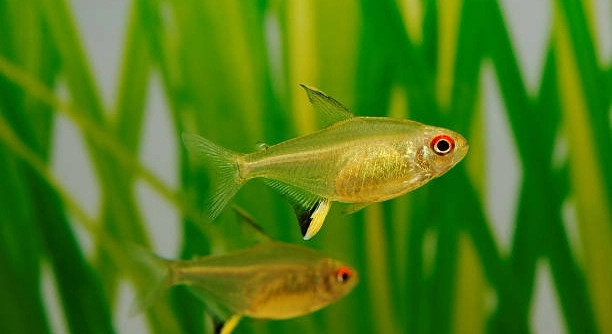
Lemon tetras are small, vibrant fish that add life to any aquarium. Their playful movements and bright yellow hues make them a favorite among hobbyists, but their behaviors can be more complex than they first appear.
Lemon tetras communicate through subtle body movements, fin flicks, and positioning within the school. These signals indicate social hierarchy, stress levels, and mating readiness, allowing the fish to maintain group cohesion, establish territory boundaries, and interact effectively with their environment.
Recognizing these cues can enhance your understanding of their behavior and create a healthier, more harmonious aquarium environment for your tetras.
Tail Flicks and Fin Movements
Lemon tetras use tail flicks and fin movements to communicate constantly. A quick flick of the tail can signal alertness or mild agitation. Slowly fanning fins may indicate relaxation or contentment within the group. Watching these movements over time allows you to understand individual personalities. Dominant fish often display more pronounced flicks, while submissive ones keep their movements minimal. When paired with changes in color intensity, these gestures reveal social hierarchy. Stress or discomfort can trigger rapid fin movements, signaling the need for environmental adjustments. Observing these signals helps ensure the school remains balanced, reducing aggression and promoting natural behaviors. Even minor changes in water conditions can influence how often and intensely these signals appear. Recognizing the difference between playful displays and stress signals is key. Over time, you will notice patterns unique to your group. By paying attention, the fish’s behavior becomes a form of quiet communication. These cues form a baseline for predicting interactions within the aquarium.
Tail flicks are a primary indicator of social dynamics and emotional state among lemon tetras.
Understanding these small gestures can prevent conflict and help maintain a calm, healthy aquarium. Tracking fin patterns allows more informed decisions about tank changes. Each tetra’s signals provide insight into its comfort level, creating a more harmonious school. Observing interactions also helps identify when new additions may disrupt group balance. Dominant individuals may challenge others subtly, while shy tetras signal submission through reduced movements. Pairing observations with water parameter monitoring ensures stress signals are addressed quickly. Environmental enrichment, like plants or hiding spots, encourages natural behaviors and reduces aggression. Feeding routines can influence activity levels, with energetic signals during anticipation of food. Recognizing consistent cues over time improves your understanding of group dynamics. Adjusting tank conditions based on these observations strengthens trust and reduces unnecessary stress. Even minor behavioral shifts may indicate health issues or discomfort. Consistent attention to these cues allows early intervention, keeping the school stable and healthy for the long term.
Color Changes
Color intensity shifts in lemon tetras reflect mood, stress, and readiness to breed.
Brightening or dulling can indicate excitement, fear, or signaling to others.
Monitoring color changes helps track health and emotional state. Subtle shifts occur during interactions, feeding, or when new fish enter the tank. Breeding males often show intensified yellow hues, while stressed or sick fish appear paler. Color can also communicate dominance, with bolder fish standing out in the school. Temperature, lighting, and water quality impact coloration, making careful observation essential. Combining color cues with fin and tail movements gives a complete picture of behavior. Over time, patterns emerge, revealing individual temperaments. Reacting to these visual signals ensures better management of the aquarium environment. Adjusting tank conditions, providing appropriate diet, and avoiding overcrowding can enhance natural coloration. Tracking these changes also helps detect illness early. Overall, color is a simple yet powerful tool for understanding lemon tetra communication and maintaining a healthy, balanced aquarium.
Schooling Patterns
Lemon tetras stay close to their group, adjusting spacing based on safety and social hierarchy. Tight formations show comfort, while scattered movements signal stress or environmental disturbance. Watching their school helps identify dominant and submissive fish, as well as potential conflicts or health concerns within the tank.
The way lemon tetras swim together reflects communication and social structure. Tight schooling often indicates security and coordinated movement, while sudden dispersal may result from perceived threats or unfamiliar tankmates. Dominant individuals often lead or position themselves centrally, guiding direction. Submissive fish stay near the edges, avoiding confrontation. Changes in schooling behavior can highlight issues like illness, bullying, or water quality stress. Observing these patterns daily allows timely adjustments in tank management, ensuring the school maintains cohesion, reduces stress, and exhibits natural behavior that strengthens group stability.
Monitoring schooling patterns also helps predict interactions during feeding or environmental changes. Dominant fish may push others aside, while weaker individuals adjust their position to avoid conflict. Over time, recognizing each fish’s preferred position and behavior within the school provides insight into social dynamics. Interpreting these patterns allows targeted adjustments, like rearranging tank decorations or ensuring enough hiding spaces. Schooling behavior is a direct reflection of comfort, social balance, and environmental conditions. It helps identify potential stressors or issues before they escalate. Maintaining optimal water parameters and sufficient space supports consistent, healthy schooling behavior. Observing these movements regularly enhances understanding of group dynamics and prevents unexpected aggression or stress-related illnesses.
Bubble Nesting and Surface Interactions
Surface interactions, including bubble building or hovering, are common communication cues in lemon tetras.
These behaviors often indicate exploration, excitement, or preparation for breeding. Bubble activity can signal readiness or indicate territoriality.
Lemon tetras interact with the water surface in subtle ways. Males may create small bubbles to establish territory or attract females, while other fish hover near the top during feeding or to monitor conditions. Sudden bursts of surface activity can indicate stress, water changes, or environmental disturbances. Observing timing, frequency, and context of these interactions reveals patterns unique to each fish. Environmental factors like light intensity, water temperature, and oxygen levels influence surface behavior. Providing a calm, stable surface environment encourages natural communication. Paying attention to these cues helps identify behavioral shifts early, ensuring the fish remain healthy and comfortable in their tank.
Rapid Darting
Rapid darting across the tank signals alertness or stress in lemon tetras.
It can indicate excitement, territorial disputes, or sudden changes in the environment.
Head Tilting
Head tilting or slight body angling helps lemon tetras communicate focus or interest. Fish may tilt toward food, a new object, or another fish, signaling attention. These movements are subtle but consistent, providing clues about their priorities and interactions. Observing this behavior over time helps distinguish between curiosity, stress, and social signals.
Paired Swimming
Paired swimming is common during mating displays or social bonding.
Fish swim closely side by side, signaling trust or reproductive readiness.
FAQ
How can I tell if my lemon tetras are stressed?
Signs of stress in lemon tetras include rapid darting, hiding, faded coloration, and clamped fins. Reduced appetite and erratic swimming are also common indicators. Observing their normal behavior daily helps identify when something is off. Environmental factors, such as poor water quality, sudden temperature changes, or overcrowding, often contribute to stress. Providing hiding spots, maintaining clean water, and keeping stable conditions reduces tension. Social stress can occur if dominant fish consistently chase or corner others. Watching interactions within the school and making subtle adjustments can prevent prolonged stress and maintain a calm, healthy aquarium environment.
What does tail flicking mean?
Tail flicking is a versatile communication cue in lemon tetras. It can indicate alertness, excitement, or mild irritation. Subtle flicks often appear during schooling or feeding, while rapid or repeated flicking may signal stress or territorial disputes. Observing patterns over time helps differentiate normal behavior from warning signs. Dominant individuals may flick more often to assert their position, while submissive fish minimize movement to avoid confrontation. Combining tail flicks with fin movements and coloration changes provides a clearer picture of the fish’s mood and social status. Adjusting tank layout, adding plants, or ensuring enough swimming space can reduce aggressive flicking.
Why do lemon tetras change color?
Color changes in lemon tetras communicate emotional state, health, and social status. Brightening usually indicates excitement, mating readiness, or dominance, while paler hues often reflect stress, illness, or discomfort. Lighting, water quality, diet, and temperature can also influence intensity. Observing color shifts alongside behavior helps interpret their meaning. Fish that consistently appear dull may need environmental adjustments or health checks. During interactions, dominant tetras often display more vivid colors, while submissive or stressed individuals fade. Monitoring color changes provides an easy way to track mood and social hierarchy, making it easier to maintain a balanced and healthy aquarium.
What is the purpose of schooling in lemon tetras?
Schooling serves multiple functions, including protection, social structure, and communication. Tight formations indicate security and cohesion, while dispersed patterns may signal stress or discomfort. Dominant fish often lead, with submissive individuals following or staying on the edges. Observing schooling behavior helps identify social dynamics and potential conflicts. Changes in patterns can indicate environmental stress, illness, or aggressive behavior. Maintaining enough space, hiding spots, and consistent water parameters supports healthy schooling. Understanding these dynamics ensures the group remains balanced, reduces stress, and encourages natural behaviors. Consistent observation allows for early intervention when issues arise.
Why do they interact with the water surface?
Surface interactions, like bubble creation or hovering, are communication cues and reflect environmental responses. Males may build bubbles for territory or mating purposes. Hovering near the surface can indicate excitement, feeding anticipation, or oxygen monitoring. Sudden bursts of activity may signal stress or environmental changes. Light, temperature, and oxygen levels influence these behaviors. Observing patterns helps identify normal social interactions versus stress responses. Providing calm, stable surface conditions encourages natural behavior and reduces anxiety. Monitoring surface activity also helps detect health or water quality issues early.
How do I interpret paired swimming?
Paired swimming reflects social bonding or mating behavior. Fish swim side by side to signal trust or reproductive readiness. Observing which individuals pair can provide insight into hierarchy and compatibility. Changes in pairing frequency or patterns may indicate environmental stress or social tension. Understanding these interactions helps maintain a harmonious school.
Can lemon tetra behavior indicate illness?
Yes, unusual movements, color fading, clamped fins, or isolation can signal illness. Stress behaviors often precede visible health issues. Observing normal communication cues and changes in tail flicks, schooling, or surface interactions can provide early warning. Prompt adjustments to water quality, tank conditions, or diet can prevent worsening health problems. Regular observation ensures timely detection and intervention.
Final Thoughts
Lemon tetras are small but expressive fish that communicate in ways that are often easy to miss if you are not paying close attention. Their behaviors, from tail flicks and fin movements to schooling patterns and color changes, all serve a purpose in maintaining balance within the group. Observing these cues carefully allows you to understand their moods, social hierarchy, and overall health. Even subtle behaviors, like hovering near the surface or swimming in pairs, provide valuable information about their comfort levels and interactions with other fish. By noticing these signals consistently, you can adjust their environment, feeding schedule, or tank setup to better meet their needs. Over time, understanding these cues becomes second nature, and you begin to anticipate how your fish will respond to changes or new additions.
Paying attention to lemon tetra communication also helps reduce stress and prevent conflicts within the tank. When a fish is displaying signs of agitation, such as rapid darting or clamped fins, it may be reacting to environmental changes, overcrowding, or water quality issues. Adjusting water parameters, adding plants, or creating more hiding spaces can make a significant difference in the comfort of your fish. Likewise, recognizing dominance and submission through schooling behavior or color intensity can help prevent unnecessary aggression. Understanding these dynamics allows you to create a harmonious tank where every fish has its place and feels secure. A calm and stable environment encourages natural behaviors and enhances the overall well-being of the school.
Finally, observing and interpreting lemon tetra cues adds a layer of connection and engagement to aquarium care. Each fish develops its own patterns, preferences, and subtle ways of interacting with the group. By consistently monitoring movements, color changes, and social interactions, you gain a clearer picture of their health and behavior. This attention to detail allows early detection of stress or illness, ensuring timely intervention and long-term health. Over time, these observations create a deeper appreciation for the complexity of even small, seemingly simple fish. Caring for lemon tetras becomes not just about maintenance, but about understanding and responding to their communication, creating a thriving and balanced aquatic environment.

Hello,
If you enjoy the content that we create, please consider saying a "Thank You!" by leaving a tip.
Every little bit helps us continue crafting quality advice that supports the health, happiness, and well-being of pets around the world, for pets of all shapes, sizes, and species.
We really appreciate the kindness and support that you show us!