
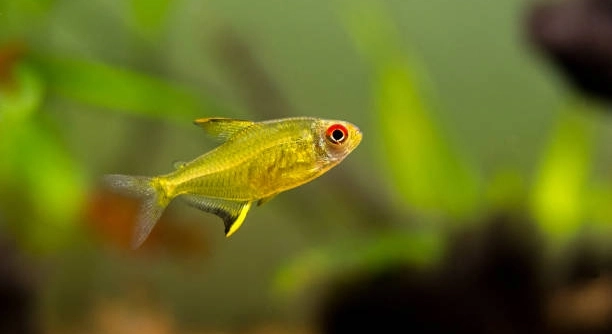
Lemon tetras are small, bright fish that many aquarists enjoy keeping in home tanks. Their calm nature makes them easy to watch, but they show interesting behaviors before they are ready to spawn. Observing these habits can help owners care for them.
Before spawning, lemon tetras display specific behaviors such as increased activity, subtle color changes, pairing off with a mate, frequent hiding, and heightened interest in fine-leaved plants for egg laying. Recognizing these signs helps ensure a successful breeding environment.
Knowing these habits allows aquarists to provide proper care and set up a suitable tank for breeding, which supports the fish’s natural behavior and health.
Increased Activity
Lemon tetras become noticeably more active before spawning. You might see them swimming rapidly around the tank, chasing one another, or exploring corners they usually avoid. This activity is a natural sign that they are preparing for reproduction. It can appear as short bursts of speed, darting movements, or frequent changes in direction. Some pairs may swim closely together, which signals the formation of a mating bond. Observing this heightened movement can help you determine when to adjust tank conditions, such as adding plants or increasing water quality. While it may seem chaotic at first, this activity is part of their normal behavior. Providing enough space and hiding spots ensures they remain comfortable and reduces stress. Many aquarists notice these signs before any visible spawning occurs, making them reliable indicators of readiness. Monitoring activity also helps in identifying which fish are likely to pair up during breeding attempts.
Heightened activity in lemon tetras signals readiness to spawn and is accompanied by increased swimming, chasing, and interaction between potential mates.
Recognizing these signs early allows for timely preparation of the breeding tank, including adding fine-leaved plants and ensuring water parameters are optimal. Adjustments made during this stage increase the chances of successful spawning and support overall fish health.
Color Changes
Lemon tetras often show subtle color changes before breeding. Males can develop slightly brighter yellow hues, while females may appear more silvery. These changes are natural and indicate reproductive readiness. Observing the color shifts helps in identifying which individuals are likely to pair off.
Color changes are a visual cue that should guide how you manage the tank, including separating aggressive fish or providing more hiding spaces.
Color shifts in lemon tetras are linked to hormonal changes preparing them for spawning. Males intensify their yellow coloring to attract females, while females’ silvery sheen can indicate egg development. These visual signals, combined with behavioral changes like increased activity, provide clear signs of reproductive readiness. Maintaining consistent water quality and stable temperatures supports these natural changes. Offering well-placed plants and dim lighting encourages confidence in the fish, allowing them to display their full colors. Observing the combination of color and movement ensures a better understanding of breeding timing. Monitoring these indicators also helps prevent stress caused by overcrowding or aggressive interactions, ensuring a smoother spawning process. Over time, recognizing these changes becomes easier, making it possible to anticipate breeding events with greater accuracy.
Pairing Off
Lemon tetras start forming visible pairs before spawning. Males often follow a chosen female closely, swimming alongside and performing subtle displays. This pairing helps establish a bond and signals readiness to reproduce.
Pair formation is an important behavioral cue for breeding. The male will often swim in small circles or gently chase the female around plants, demonstrating interest. The female may respond by allowing closer interaction or by hiding in fine-leaved plants to indicate readiness. These interactions help synchronize spawning behavior and ensure that eggs are laid in safe locations. Observing which fish pair together allows you to prepare the tank properly. Ensuring enough space and shelter reduces stress and encourages natural behavior. Recognizing pairs also helps in separating aggressive individuals from the breeding pair, maintaining a peaceful environment that supports egg-laying.
Once a pair is established, they remain close for several days. During this period, their interactions become more coordinated, and they frequently visit the same areas of the tank. This behavior helps align the timing of egg production and fertilization, making it more likely that spawning will be successful. Observing this stage closely allows for targeted adjustments, like adding floating plants or gentle filtration, which can protect eggs and fry while maintaining water quality. Understanding the nuances of pair bonding improves overall breeding outcomes.
Frequent Hiding
Lemon tetras often seek out plants or decorations before spawning. They hide in dense foliage to feel secure, especially females preparing to lay eggs.
Hiding behavior is crucial for successful reproduction. Females tend to stay near fine-leaved plants or behind decorations, which provides protection while eggs develop. Males may hover nearby, ensuring the female’s safety while staying ready to fertilize eggs. Observing this pattern helps aquarists provide appropriate cover, reducing stress and promoting natural breeding behavior. Dense plants, floating greenery, or small caves are ideal for this stage, giving the fish confidence to spawn. Overcrowding or lack of shelter can delay egg-laying or cause stress, so attention to tank layout is important.
Providing a variety of hiding spots ensures both males and females have secure areas. This security allows females to lay eggs without disturbance and males to monitor without causing aggression. As the pair spends more time in these sheltered zones, other tank mates are less likely to interfere, creating a safer environment for spawning. Regular observation of their preferred hiding spots can guide where to place plants or decorations, ensuring eggs are deposited in protected locations. Hiding behavior is closely tied to stress levels and confidence, making it an essential factor in successful lemon tetra breeding.
Heightened Interest in Plants
Lemon tetras show increased attention to fine-leaved plants before spawning. They swim around them, sometimes brushing against leaves or hovering nearby.
This behavior is linked to egg-laying preparation. Females prefer to deposit eggs on delicate leaves, while males stay close to fertilize them. Observing this can guide plant placement in the tank.
Subtle Changes in Behavior
Before spawning, lemon tetras may show brief periods of rest followed by sudden bursts of movement. These patterns indicate readiness to breed and help synchronize mating. Monitoring these shifts ensures proper care and reduces stress during this sensitive phase.
Group Dynamics
The social structure of the tank can change as spawning approaches. Lemon tetras may form tighter groups or separate from others, focusing on their pairs and chosen areas for egg-laying.
Increased Feeding
Lemon tetras often increase their food intake before spawning. This provides the energy needed for egg production and fertilization. Proper nutrition supports healthier eggs and higher spawning success.
FAQ
How can I tell when my lemon tetras are ready to spawn?
Lemon tetras display several key signs before spawning. Males often become brighter in color, while females may appear slightly plumper or more silvery. They show increased activity, swim around specific areas of the tank, and form visible pairs. Frequent visits to fine-leaved plants or hiding spots are also a reliable indicator. Observing these behaviors together provides the best way to predict spawning readiness and helps in preparing the tank properly.
Do lemon tetras need special tank conditions to spawn?
Yes, tank conditions play a major role in encouraging spawning. The water should be soft, slightly acidic, and maintained at a stable temperature. Providing plenty of fine-leaved plants or floating greenery gives females a safe place to lay eggs. Moderate lighting and gentle filtration help reduce stress. Ensuring that other tank mates do not disturb the pair increases the chances of successful breeding. Regular water changes with dechlorinated water also support healthy spawning conditions.
How long does it take for lemon tetras to spawn once they show signs?
Once lemon tetras start showing pre-spawning behaviors, actual spawning can occur within a few days. Pairing off, increased activity, and hiding behaviors typically last for several days, during which the fish prepare their preferred sites. Monitoring these signs allows timely adjustments to the tank environment, ensuring that plants or shelters are properly placed for egg-laying. The synchronization of male and female behaviors is crucial for successful fertilization.
What should I feed lemon tetras before and during spawning?
Providing a varied, protein-rich diet supports energy for reproduction. High-quality flakes, frozen or live foods such as brine shrimp, daphnia, or bloodworms are ideal. Feeding smaller amounts several times a day ensures the fish get enough nutrients without overfeeding. A nutritious diet not only prepares females for egg production but also keeps males healthy for fertilization.
How can I protect the eggs after they are laid?
Lemon tetra eggs are prone to being eaten by adults. Removing adults after spawning or using a breeding tank with dense plants ensures better survival. Fine-leaved plants give eggs a safe surface, while gentle water flow prevents debris from settling on them. Maintaining stable water parameters is essential for healthy embryo development, and monitoring the eggs daily helps identify any issues early.
Is it normal for lemon tetras to be aggressive before spawning?
Males may show mild chasing or territorial behavior during pre-spawning periods. This behavior is usually limited to interactions with other males or unpaired fish. Providing enough space, plants, and hiding spots reduces stress and prevents excessive aggression. Understanding this behavior as part of their natural breeding process helps in managing tank dynamics effectively.
Can lemon tetras spawn multiple times in a month?
Yes, lemon tetras can spawn several times in a month if conditions are optimal. Soft, slightly acidic water, a nutritious diet, and a safe, well-planted environment encourage repeated breeding. Regularly monitoring tank conditions and maintaining consistent care supports continuous reproductive activity without stressing the fish.
How long do the eggs take to hatch?
Lemon tetra eggs typically hatch within 24 to 36 hours under ideal conditions. The fry remain attached to plants or settle near the bottom until they start free-swimming. Maintaining water quality and minimal disturbance during this period is crucial for their survival.
What should I feed the fry after hatching?
Newly hatched fry require very small foods, such as infusoria, liquid fry food, or freshly hatched brine shrimp. Gradually, as they grow, finely crushed flakes or micro-food can be introduced. Feeding small amounts multiple times a day ensures healthy growth and reduces waste accumulation in the tank.
Are there signs that spawning was unsuccessful?
Unfertilized eggs often turn white and may get covered in fungus. Fry that fail to develop properly or disappear shortly after hatching indicate issues with fertilization or water quality. Observing these signs helps in making adjustments for future breeding attempts, such as improving tank conditions or nutrition.
How can I encourage more pairs to form in a community tank?
Providing plenty of plants and small hiding areas allows multiple pairs to form simultaneously. Keeping the water soft, slightly acidic, and stable, along with a nutritious diet, encourages reproductive behavior. Monitoring interactions ensures that aggression does not prevent pairing, while providing separate zones can reduce competition and stress among fish.
Can environmental changes trigger spawning?
Yes, small changes like slightly warmer water or gradual water replacement with fresh, dechlorinated water can mimic natural conditions, triggering reproductive behaviors. Stable lighting, minimal disturbances, and appropriate hiding spaces further support natural spawning patterns, helping lemon tetras feel safe and ready.
Final Thoughts
Observing lemon tetras before they spawn can be both fascinating and helpful. Their behaviors, while subtle, provide clear signs of reproductive readiness. From increased activity and slight color changes to forming pairs and hiding among plants, each action signals a natural process that prepares them for successful breeding. Recognizing these habits allows aquarists to create the right conditions in the tank, ensuring the fish feel secure and comfortable. Providing proper care during this period not only supports spawning but also contributes to the overall health of the fish. Paying attention to these small details can make a significant difference in whether the breeding process is successful or stressful for the fish.
A well-prepared environment is essential for lemon tetras to reproduce effectively. Soft, slightly acidic water with stable temperatures and clean conditions encourages natural behaviors. Fine-leaved plants and floating greenery give females safe places to lay eggs, while also offering shelter for the fry once they hatch. Moderate lighting and gentle water flow help reduce stress, while adequate spacing prevents aggressive interactions between males and other tank mates. Nutrition is equally important, as a protein-rich diet strengthens both males and females, supporting egg production and fertilization. Regular monitoring of the fish and tank conditions allows adjustments when necessary, preventing issues such as overcrowding, poor water quality, or insufficient shelter that can hinder spawning. Understanding how to balance these factors provides a reliable foundation for a healthy and productive breeding environment.
Being attentive to the signs and habits of lemon tetras also enhances the experience of keeping them. Watching pairs form, noticing subtle color shifts, and seeing the fish interact with their environment can be rewarding for any aquarist. These behaviors reflect natural instincts and give insight into the fish’s well-being. Creating a supportive environment for spawning demonstrates careful observation and dedication to the fish’s needs. By following these practices, aquarists can increase the likelihood of successful breeding while maintaining a peaceful and healthy tank. Paying close attention to activity levels, feeding habits, and preferred hiding spots allows for proactive care. In the end, understanding and responding to the habits of lemon tetras before they spawn strengthens the connection between caretaker and fish, while also encouraging natural behavior and reproductive success.

Hello,
If you enjoy the content that we create, please consider saying a "Thank You!" by leaving a tip.
Every little bit helps us continue crafting quality advice that supports the health, happiness, and well-being of pets around the world, for pets of all shapes, sizes, and species.
We really appreciate the kindness and support that you show us!