
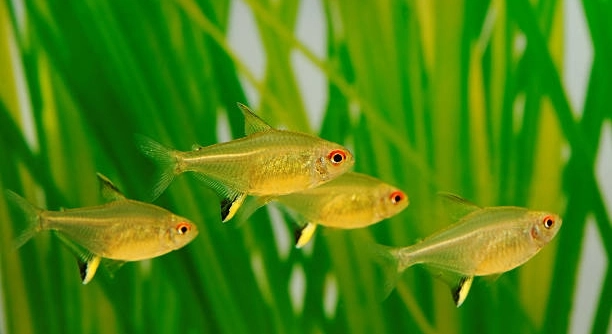
Have you ever noticed your lemon tetra shaking unexpectedly in its tank? Watching your fish move in unusual ways can be concerning. Even healthy fish sometimes show small tremors that catch your attention quickly.
Unusual shaking in lemon tetras is often caused by environmental stressors, water quality issues, disease, or dietary deficiencies. Identifying the underlying factor requires careful observation, testing, and adjustments to ensure their overall health and stability in the aquarium.
Understanding what triggers these tremors is important for maintaining a healthy tank environment. We will explore the most common causes and what steps you can take to help your fish thrive.
Sudden Temperature Changes
Lemon tetras are very sensitive to shifts in water temperature. Even a few degrees difference can cause them to shake as their bodies try to adjust. Rapid temperature changes often happen when new water is added without conditioning or when room temperatures fluctuate. A stable environment is key. Using a reliable heater and thermometer helps maintain consistent conditions, reducing stress and the likelihood of tremors. When I first noticed my tetras trembling, I realized that placing their tank near a drafty window was causing sudden drops at night. Over time, these small shifts stressed the fish, affecting feeding behavior and activity. Monitoring water temperature twice daily can prevent unexpected changes. Even small adjustments, like letting replacement water reach the tank’s temperature before adding it, make a noticeable difference. This approach minimizes stress, improves swimming patterns, and promotes overall health.
Maintaining a stable water temperature is essential to keep your tetras calm, active, and less prone to shaking.
By paying close attention to water changes and daily fluctuations, you can prevent temperature-related tremors. Consistency supports their immune system, reduces stress, and encourages normal behavior. Over time, your fish become more resilient to minor environmental variations, and their activity levels remain steady, creating a peaceful, balanced aquarium.
Water Quality Issues
Poor water quality can make lemon tetras shake or act lethargic. Even slight increases in ammonia or nitrites affect their nervous system and gill function, causing stress.
Regular testing of pH, ammonia, nitrite, and nitrate levels is essential. Frequent water changes and proper filtration help maintain a healthy environment. When I noticed my tetras trembling, testing revealed elevated nitrate levels from leftover food. Adjusting feeding habits and improving filtration resolved the problem. Overfeeding is common and quickly deteriorates water quality, introducing toxins that affect fish behavior. Removing uneaten food promptly prevents spikes in harmful compounds. Proper filtration ensures continuous removal of waste and debris, reducing the risk of shaking caused by chemical stress. Providing a clean tank promotes normal swimming, active feeding, and longer lifespan. Additionally, keeping decorations and substrate clean helps reduce bacteria buildup, which also contributes to water-related stress.
Maintaining clean water is vital for lemon tetras’ well-being. Regular monitoring and proactive care prevent shaking, support healthy growth, and create a more stable environment. Consistent water management ensures fish remain active, stress-free, and visually vibrant.
Stress from Overcrowding
Overcrowded tanks make lemon tetras nervous, causing shaking and erratic swimming. Each fish needs space to swim freely, and too many in one tank leads to constant stress and competition for resources, which can affect their overall health.
When my tank became too crowded, I noticed several tetras trembling near hiding spots. Stress from limited space weakens their immune system, making them more vulnerable to disease. Proper tank sizing and limiting the number of fish per gallon helps reduce anxiety. Hiding places, plants, and decorations give fish room to escape and feel secure. Observing their behavior can indicate whether they are overwhelmed. Shaking is often accompanied by hiding, loss of appetite, or frantic swimming. Taking steps to reduce crowding restores calm, improves feeding, and encourages natural behavior.
Providing adequate space ensures your lemon tetras are active and comfortable. Crowding disrupts their routine, while thoughtful tank management creates a healthier, calmer environment that reduces shaking and stress.
Poor Diet
A poor diet lacking essential nutrients can cause trembling in lemon tetras. Deficiencies affect muscle function and overall energy, making fish more prone to shaking.
When I first noticed trembling, I realized my tetras were mostly eating flakes and missing variety. Including high-quality frozen or live foods, such as brine shrimp and daphnia, improves nutrition and supports proper muscle function. Nutrient-rich diets enhance immune response, reduce stress, and encourage steady swimming. Feeding small portions multiple times a day prevents overeating and ensures all fish receive adequate nutrition. Avoid cheap or low-quality flakes that lack essential vitamins. A balanced diet helps maintain bright coloration, active behavior, and overall health.
A diet with variety and essential nutrients is key for lemon tetras’ stability and vitality. Regularly adjusting their feeding routine can correct tremors caused by nutritional gaps, ensuring long-term well-being and energy.
Parasite Infestation
Parasites can attach to lemon tetras, causing shaking and unusual movement. Common parasites irritate the skin and gills, making fish uncomfortable and stressed, which can worsen if not treated promptly.
Early detection is important. Signs include rubbing against surfaces, clamped fins, or small white spots. Treating the tank and isolating affected fish helps prevent the infestation from spreading.
Poor Oxygen Levels
Low oxygen levels in the tank can make lemon tetras shake or gasp at the surface. Inadequate water movement or overstocking reduces available oxygen. Adding an air stone or adjusting filtration improves oxygen circulation and supports healthy, stable behavior.
Disease and Infections
Bacterial and viral infections often cause trembling in lemon tetras. Illnesses can affect their nervous system, gills, or internal organs, leading to visible shaking. In my experience, noticing subtle changes in swimming patterns or appetite early made treatment much more effective. Prompt identification and appropriate medication prevent further complications. Regular tank cleaning, quarantine of new fish, and maintaining stable water conditions reduce the likelihood of disease outbreaks. Healthy fish recover faster, regain normal swimming, and show improved coloration. Observing interactions and behavior closely helps catch signs before infections escalate, keeping the tank environment safe for all fish.
Stress from Lighting
Excessive or inconsistent lighting can disturb lemon tetras. Bright lights or sudden changes in light intensity may cause shaking, restlessness, or hiding behaviors.
Why is my lemon tetra shaking but otherwise acting normal?
Shaking does not always mean your fish is sick. Sometimes, minor stress from water changes, temperature fluctuations, or temporary disturbances in the tank can make them tremble briefly. Observing how long and how often they shake helps determine whether it is serious.
In my experience, when the shaking lasted only a few minutes after a water change, it usually resolved on its own. Ensuring stable water conditions and giving the fish time to adjust prevented further trembling. Temporary shaking is common in lemon tetras, especially when their environment changes quickly, but persistent shaking may indicate a deeper issue that requires closer attention.
How can I tell if shaking is due to disease or parasites?
Signs of disease or parasites often appear alongside shaking. Look for unusual spots, discoloration, frayed fins, or rubbing against decorations. Reduced appetite or lethargy is also a strong indicator that the problem may be more than environmental.
I once noticed my tetras rubbing against rocks while trembling. Testing water parameters and observing these additional signs helped me identify a mild parasite issue. Treating the tank promptly and isolating affected fish stopped the infestation from spreading. Paying attention to small behavioral changes is crucial. Early intervention ensures a faster recovery and reduces the risk of severe health problems.
Can diet really influence shaking?
Yes, nutrition plays a key role in muscle function and overall health. A diet lacking in essential vitamins or protein can cause trembling. Flakes alone may not provide everything a lemon tetra needs, so supplementing with frozen or live foods helps maintain strength.
When I introduced brine shrimp and daphnia into my tetras’ diet, their tremors reduced noticeably. Balanced feeding routines, small portions multiple times a day, and avoiding overfeeding prevent nutritional stress. A proper diet not only minimizes shaking but also supports immune function, coloration, and energy levels. Diet adjustments can correct tremors caused by deficiencies relatively quickly.
How do water quality issues cause shaking?
Poor water quality introduces toxins like ammonia, nitrites, or excessive nitrates. Even slight imbalances stress fish, affecting their nervous system and gill function, which often results in trembling or erratic swimming. Regular testing and water changes prevent these issues.
In my tank, leftover food increased nitrates and triggered mild shaking in my tetras. By cleaning the substrate, adjusting feeding habits, and improving filtration, the fish returned to normal behavior. Keeping water stable and clean ensures they remain healthy, reduces stress, and supports consistent activity. Monitoring parameters like pH, ammonia, and nitrites is essential for long-term care.
What role does tank setup play in shaking?
Tank environment, including space, plants, and hiding spots, affects comfort levels. Overcrowding or lack of shelter causes constant stress, which may appear as shaking. Adequate space and secure areas allow fish to rest and reduce tension.
I once had a crowded tank where my tetras trembled frequently. Rearranging decorations and adding plants created safe zones and improved swimming space. Over time, the fish became calmer and tremors decreased. Proper tank setup is a simple but effective way to prevent stress-induced shaking and promote natural behavior.
Can lighting affect lemon tetra shaking?
Bright or inconsistent lighting can disturb fish. Sudden changes or overly intense light may lead to trembling, hiding, or erratic swimming. Maintaining consistent light schedules and moderate intensity reduces stress and encourages stability.
I adjusted my tank lighting with a timer and softer bulbs, which noticeably calmed my tetras. Regular light cycles help mimic natural conditions and support normal activity. Minimizing stress from lighting is an easy adjustment that significantly impacts their well-being.
When should I consult a vet or fish specialist?
If shaking persists despite proper water conditions, balanced diet, and reduced stress, professional help is necessary. Signs like loss of appetite, lethargy, or physical abnormalities indicate the need for expert evaluation.
During one episode, my tetras continued trembling even after correcting water and diet issues. A specialist identified a minor bacterial infection that required medication. Consulting a professional ensures timely diagnosis and treatment, preventing serious health complications and keeping your tank safe.
This FAQ covers the most common causes and solutions for lemon tetra shaking, emphasizing observation, proper care, and early action to maintain healthy, active fish.
Lemon tetras are small, active fish that can bring a lot of life to a tank, but their shaking can be worrying for anyone who keeps them. Observing your fish closely and understanding the reasons behind their behavior is essential for maintaining a healthy aquarium. Shaking is often a signal, not just random movement, and it usually points to environmental stress, water quality problems, diet issues, or illness. Taking note of when and how frequently they tremble can provide valuable clues about the underlying cause. For example, shaking after a water change may indicate a temperature adjustment issue, while persistent trembling could signal health problems. Recognizing these differences early allows you to take steps that prevent long-term harm and help your fish remain active and comfortable. Even small changes in tank setup, such as adding plants or hiding spots, can have a noticeable effect on reducing stress-related shaking.
Maintaining stable water conditions is one of the most effective ways to prevent shaking in lemon tetras. Regularly testing pH, ammonia, nitrite, and nitrate levels is critical to ensuring a safe environment. Water changes should be done carefully, allowing new water to reach the tank temperature before adding it. Filtration also plays a key role in keeping the water clean and oxygenated. Overcrowding should be avoided, and each fish should have enough room to swim freely without competition for space. Feeding a balanced diet, including high-quality flakes, frozen, or live foods, supports strong muscles and overall health. Nutritional deficiencies can cause tremors, so introducing variety and monitoring portion sizes helps maintain energy levels and reduces stress. Combining these basic care practices provides a solid foundation for a stable, healthy aquarium.
Observing behavior, adjusting care routines, and acting promptly when issues arise are the best ways to manage shaking in lemon tetras. Environmental changes, poor water quality, inadequate diet, overcrowding, parasites, or disease can all contribute to tremors. Being proactive by providing a stable tank, clean water, appropriate diet, and adequate space prevents many of these problems. Regularly checking fish for unusual behavior or physical changes helps identify issues before they escalate. Maintaining a calm, consistent environment allows lemon tetras to swim naturally, feed properly, and display their vibrant colors. Paying attention to their needs not only reduces shaking but also promotes overall well-being. With careful care and observation, lemon tetras can thrive and remain active, healthy, and stress-free in a home aquarium.

Hello,
If you enjoy the content that we create, please consider saying a "Thank You!" by leaving a tip.
Every little bit helps us continue crafting quality advice that supports the health, happiness, and well-being of pets around the world, for pets of all shapes, sizes, and species.
We really appreciate the kindness and support that you show us!