
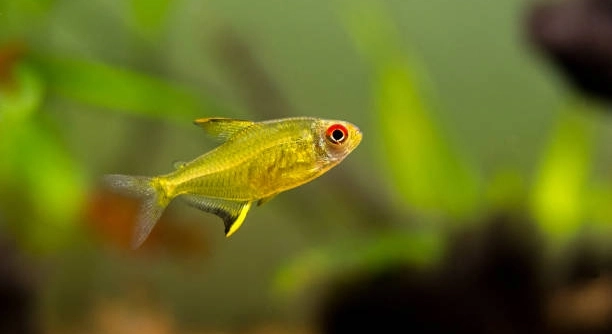
Lemon tetras are small, bright fish that live in peaceful community tanks. They swim gracefully and enjoy exploring their environment, often moving together in groups. Their lively behavior can make any aquarium feel vibrant and active.
Lemon tetras do show excitement when food is introduced. They often swim quickly toward the source, gather near the feeding area, and display more active swimming patterns. This response is a natural instinct driven by hunger and social behavior.
Observing their reactions can reveal a lot about their daily habits and preferences, helping you provide a more enjoyable feeding experience for them.
How Lemon Tetras React to Different Foods
Lemon tetras are particularly responsive to a variety of foods, including flakes, pellets, and frozen options. When a new type of food is introduced, they often gather quickly near the feeding area, showing noticeable bursts of movement. Their fins spread, and they dart in small, quick patterns, signaling interest and readiness to eat. Some tetras may even compete lightly with each other, moving rapidly back and forth to reach the food first. Over time, they learn to recognize feeding routines and will anticipate meal times, swimming closer to the surface when food is expected. Observing these behaviors can help you understand which foods your tetras prefer and which trigger their most energetic responses. Maintaining a balanced diet ensures that their excitement does not lead to overeating or stress. With patience and attention, you can notice subtle differences in how each fish reacts to various food textures, colors, and scents.
This excitement is usually visible in their speed and group movements during feeding.
Tracking these reactions allows you to adjust portion sizes and types of food. By watching their behavior closely, you can provide meals that encourage healthy activity while minimizing stress or aggression. Different foods can stimulate different levels of interest, and noticing which types trigger the most lively response can make feeding times more engaging. Lemon tetras thrive on a mixture of protein and plant-based options, and offering variety can prevent boredom while promoting growth and vibrant coloration. Small, frequent feedings often yield better results than a single large portion, allowing them to stay active and attentive. Overfeeding can dull their energy and lead to water quality issues, so careful observation is key. Feeding should also consider tank mates’ needs, ensuring all species receive adequate nutrition. By combining observation, variety, and moderation, you create a balanced environment that fosters both excitement and well-being for your tetras.
Timing and Feeding Habits
Lemon tetras tend to be more active at specific times of the day.
They often respond more vigorously during morning or evening feedings. Consistency helps them anticipate meals and maintain energy levels. Sudden changes in timing can affect their activity and interest in food.
Observing their natural rhythms is important for maintaining a healthy tank environment. Feeding at predictable times encourages more controlled and visible responses without causing stress. Tetras may swim near the surface or dart across the tank before meals, signaling anticipation. By adjusting feeding schedules to match these patterns, you ensure they stay active and interested in their food. Sudden changes in feeding time or type of food can temporarily confuse them, leading to reduced activity or hesitation. Additionally, their excitement is linked to social behavior, so observing group dynamics during meals can provide insight into each fish’s preferences and reactions. Knowing the right times to feed helps you create a stable routine, promoting both their physical health and mental stimulation. Proper timing also ensures that tank mates, including less active fish, have equal access to food. With careful observation and consistency, feeding can be an enjoyable part of daily care, supporting growth, coloration, and vitality.
Feeding Frequency and Portion Control
Feeding lemon tetras too much can harm water quality and their health. Small, measured portions given multiple times a day work best. Observing how quickly they eat helps determine the right amount without overfeeding or leaving excess food to decay in the tank.
Keeping portions small encourages natural foraging behaviors. If all food disappears within a few minutes, the amount is likely appropriate. Overfeeding can cause lethargy, reduce appetite for later meals, and create cloudy water. Consistent, moderate feeding supports energy levels and reduces waste.
Dividing daily portions into two or three feedings ensures that all tetras get access to food without overwhelming the tank environment. Using a feeding schedule helps maintain predictable energy levels and allows you to notice changes in appetite or activity that may signal health issues. Observing their responses during feeding also allows you to adjust quantities as needed. Balancing portion size and frequency is key to maintaining a clean, healthy, and active tank while keeping the fish engaged and happy during meals.
Recognizing Excitement Signals
Lemon tetras show excitement through fast swimming, fin movement, and gathering near food. They may compete lightly for portions and become noticeably more active.
Watching their reactions closely helps you understand their preferences and overall well-being. Excitement is often visible in speed, group coordination, and alertness.
Certain visual or sensory cues, like the sight of food flakes or the sound of food dropping, can trigger immediate activity. Some tetras may swim toward the feeding area as soon as they sense food nearby, while others join after observing their group members’ movements. Recognizing these patterns allows you to provide meals that match their natural instincts and social behaviors. Tracking their responses over time can highlight individual differences in appetite or energy, helping you fine-tune feeding strategies. This awareness also ensures that shy or slower fish still get a fair chance to eat without being overshadowed by more aggressive feeders. By observing excitement signals, you can create a more engaging and balanced feeding routine that supports both health and social interaction.
Best Types of Food
Lemon tetras thrive on a mix of flakes, micro pellets, and frozen foods. High-quality flakes provide essential nutrients, while frozen options add protein variety. Offering occasional live foods can stimulate natural hunting instincts and maintain their energy levels.
Rotating food types keeps them engaged and prevents boredom. Variety supports growth, coloration, and overall health, making each feeding more stimulating for the fish.
Avoiding Overfeeding
Overfeeding can lead to poor water quality and obesity. Excess food sinks and decays, encouraging harmful bacteria growth that affects fish health.
Monitoring portions and feeding only what they consume within a few minutes prevents these problems. Consistent observation helps maintain tank cleanliness and keeps tetras active.
Observing Behavior During Feeding
Watching lemon tetras during meals helps identify patterns in activity, appetite, and social interactions. Fast swimming, chasing food, and darting toward others are clear signs of engagement and excitement.
Noticing these behaviors allows you to adjust feeding routines, portion sizes, and food types to match their needs. Tracking subtle differences in response between fish ensures all members of the group remain healthy and active, while also highlighting any changes that might indicate stress or illness. Maintaining consistent observation supports both their physical health and natural behaviors, creating a balanced and lively tank environment.
Feeding for Social Interaction
Feeding times encourage group activity and coordination. Lemon tetras often swim together, creating a more dynamic and interactive tank environment.
FAQ
Do lemon tetras recognize their owners during feeding?
Lemon tetras may not recognize individuals like mammals, but they do notice patterns. They quickly learn who feeds them and respond to familiar movements or shadows near the tank. Their reaction is more about associating certain cues with food than personal recognition.
How quickly do lemon tetras respond to food?
They often react almost immediately. When food is introduced, tetras swim toward the source, sometimes gathering at the top or front of the tank. Their excitement is shown through rapid, darting movements, fin flares, and slight nudging of other fish to reach the food first.
Can lemon tetras become stressed during feeding?
Yes, if portions are too large or if there’s competition, stress can occur. Overcrowding, aggressive tank mates, or inconsistent feeding times can also make them anxious. Keeping feedings consistent and portions small helps reduce tension and keeps the group balanced.
Do lemon tetras prefer certain types of food?
They enjoy a mix of flakes, micro pellets, frozen foods, and occasional live options. Protein-rich foods like daphnia or brine shrimp excite them more, while high-quality flakes and pellets provide essential nutrients. Rotating food types helps maintain interest and proper nutrition.
How often should I feed lemon tetras?
Feeding two to three times daily with small portions works best. They are active and small, so multiple short feedings encourage natural foraging without overwhelming the tank or water quality. Observing how quickly they consume food helps determine appropriate amounts.
Do lemon tetras show excitement even if they are full?
Sometimes they may still react out of habit or social behavior. However, repeated lack of interest during feeding often signals that they are satisfied. It’s important to adjust portions to prevent overfeeding and maintain a clean, healthy tank.
Can lemon tetras share food with other species?
Yes, they can feed alongside other peaceful species, but competition can occur. Slower fish may get pushed aside. Providing multiple feeding spots or distributing food evenly helps ensure all fish get proper nutrition without conflict.
Does the time of day affect feeding behavior?
Yes, lemon tetras are generally more active during morning and evening feedings. Consistent feeding schedules help them anticipate meals, improving their response and activity levels while reducing stress and wasted food.
What signs indicate they are excited about food?
Excitement is shown by fast swimming, fin movements, group coordination, and darting toward food. They may cluster near the feeding area and show slight nudging or mild chasing as part of natural social interaction. Observing these signs ensures they are healthy and engaged.
How do I prevent overfeeding while keeping them stimulated?
Divide daily portions into small, manageable amounts. Feed a mix of flakes, pellets, and occasional frozen or live food. Watching how quickly they consume meals helps adjust amounts. This maintains interest, avoids water quality issues, and keeps tetras active and healthy.
Can feeding routines influence social behavior?
Yes, regular feeding encourages coordinated swimming and group activity. Excitement during meals helps reinforce social bonds and natural behaviors, while inconsistent feeding may reduce engagement and disrupt the group’s dynamic.
Do lemon tetras prefer surface or bottom feeding?
They primarily feed near the surface or mid-water, but flakes and floating pellets are ideal. Some sinking foods may attract them to lower levels, but they respond most actively to food that stays within their typical swimming range.
What are common mistakes during feeding?
Overfeeding, inconsistent schedules, and ignoring tank dynamics are common issues. Feeding too quickly, using large portions, or not considering shy fish can cause stress, uneven nutrition, and poor water quality. Small, frequent feedings tailored to their behavior prevent these problems.
How can I tell if a food type is well-received?
Tetras will swim eagerly toward food, nibble actively, and show group coordination. If they ignore certain flakes or pellets, it may indicate disinterest or preference for different textures or proteins. Observing their responses over time helps refine their diet.
Can lemon tetras get bored with the same food?
Yes, feeding the same type repeatedly can reduce excitement. Rotating between flakes, pellets, and frozen or live foods keeps meals interesting and encourages natural foraging behavior, improving their overall activity and well-being.
Do temperature and lighting affect feeding behavior?
Water temperature within their preferred range enhances metabolism and activity, making them more responsive to food. Proper lighting helps them locate food and stay active. Sudden changes can reduce feeding interest and affect health.
Are there signs of health issues during feeding?
Lack of interest, slow swimming, or isolation during meals may indicate illness or stress. Consistent observation during feeding allows early detection of problems, making it easier to address issues before they worsen.
How can I encourage shy lemon tetras to eat?
Feed in multiple locations or slightly lower portions near hiding spots. Slow introduction of food allows timid fish to join without competition. Observing their behavior ensures they receive adequate nutrition alongside more dominant fish.
Does excitement over food affect their growth?
Active and engaged tetras tend to eat more efficiently and maintain healthy activity levels. Proper portions, variety, and consistent feeding schedules support growth, coloration, and overall vitality. Excitement during meals is a positive sign of their health and energy.
Can lemon tetras learn feeding routines?
Yes, they quickly associate certain cues with meals. Repetition builds anticipation and improves response time. Consistent timing, placement of food, and daily routines help them recognize feeding patterns, ensuring they remain healthy, active, and socially engaged.
What is the best way to feed a group of lemon tetras?
Distribute food evenly across the tank, use small portions, and offer multiple feeding points if needed. Observe group behavior to ensure all fish participate, reducing stress, competition, and leftover food that could affect water quality. Regular monitoring helps maintain a healthy, active community.
How long should feeding sessions last?
A few minutes is usually enough. They consume food quickly, and leaving excess for extended periods can degrade water quality. Short, consistent sessions maintain excitement, minimize waste, and keep tetras energetic without causing stress.
Can feeding excitement indicate overall happiness?
Yes, active reactions and group coordination during meals suggest healthy behavior and contentment. Combined with proper water conditions, diet, and social interaction, feeding excitement reflects a balanced and thriving aquarium environment.
Lemon tetras are small, active fish that bring life to any community tank. Observing them during feeding reveals a lot about their behavior, preferences, and overall health. Their excitement around food is natural and shows they are alert and engaged with their environment. They respond quickly to the sight, smell, or sound of food, often swimming toward it in a coordinated, lively manner. This behavior is not only enjoyable to watch but also an important indicator that they are thriving. Paying attention to their reactions helps identify their favorite food types, ideal portion sizes, and appropriate feeding times, which contributes to a healthier aquarium. Over time, regular observation allows you to notice subtle differences among individual fish, such as shyness, aggression, or slower eating habits, and adjust care accordingly. These small details make a difference in maintaining a balanced and harmonious tank, where every fish gets proper nutrition and remains active.
Feeding lemon tetras requires balance and attention. Offering small portions multiple times a day keeps them engaged and prevents overfeeding, which can lead to poor water quality or health problems. A mix of flakes, pellets, and frozen or live foods is ideal to provide the nutrients they need while keeping meals interesting. Rotating foods encourages natural foraging instincts and reduces boredom, which in turn supports their growth, coloration, and energy levels. Observing their behavior during meals, such as fast swimming, fin movements, and coordinated group activity, provides insight into how well they are eating and whether they are comfortable with their environment. Adjusting portion sizes or feeding locations can ensure that shy or slower fish get access to food without being stressed or left behind. Proper timing, consistency, and monitoring of reactions are all important aspects of providing a healthy feeding routine that supports both physical and social well-being.
Maintaining a healthy tank environment complements their feeding habits. Clean water, stable temperature, and suitable lighting all contribute to their responsiveness and overall happiness. Excitement during feeding is just one part of observing their needs and maintaining a thriving aquarium. By creating a consistent routine, providing a variety of appropriate foods, and paying attention to social behavior and activity levels, you help ensure that lemon tetras remain energetic, healthy, and well-adjusted. Watching them interact during meals and noticing their excitement is both rewarding and informative. It allows you to make small adjustments that improve their health, promote natural behaviors, and maintain a lively tank. Overall, careful observation and attention to feeding habits are essential to creating an environment where lemon tetras can flourish, remain active, and enjoy their daily meals.

Hello,
If you enjoy the content that we create, please consider saying a "Thank You!" by leaving a tip.
Every little bit helps us continue crafting quality advice that supports the health, happiness, and well-being of pets around the world, for pets of all shapes, sizes, and species.
We really appreciate the kindness and support that you show us!