
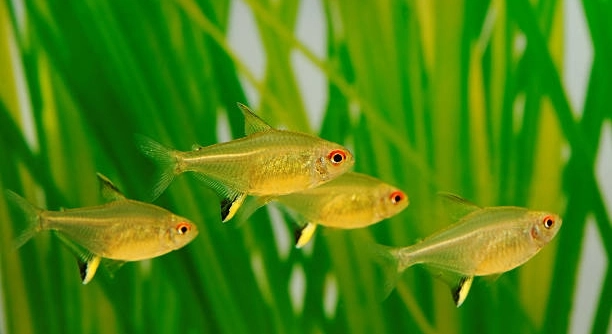
Lemon tetras are small, bright fish that can bring life to any freshwater aquarium. Watching them swim gracefully is rewarding, but it is important to understand the signs that show they are healthy and thriving.
Healthy lemon tetras display vibrant colors, active swimming patterns, and regular feeding behavior. Maintaining stable water conditions, proper diet, and a stress-free environment supports their overall well-being and promotes long-term survival in captivity.
Observing their behavior and environment closely can help you ensure these tiny fish are living their best life. Learning simple indicators will make aquarium care more satisfying and effective.
Vibrant Coloration
Lemon tetras that are thriving usually show bright, vivid colors. Their yellow bodies should look luminous, and their fins should be clear and well-defined without fraying. When the fish’s colors appear dull, it can indicate stress, poor water quality, or illness. Maintaining consistent water temperature and proper pH levels is essential for keeping their coloration healthy. Feeding them a balanced diet that includes high-quality flakes or micro-pellets, supplemented occasionally with live or frozen foods, can enhance their natural pigments. Overcrowding the tank can also affect their appearance, so it’s important to maintain the right number of fish relative to tank size. Observing the fish daily allows you to notice subtle changes in hue that may signal the need for adjustments in care. Lemon tetras are sensitive to sudden environmental shifts, so consistent maintenance routines help keep their coloration bright and their behavior active.
Healthy coloration is a reliable indicator of overall vitality and proper nutrition in lemon tetras.
Watching them swim around the tank, you can see how their yellow tones stand out against the green plants. Healthy tetras are more active and interact naturally with their tank mates. Bright colors often coincide with active feeding, smooth swimming, and minimal hiding, which are all signs the fish are not stressed. By paying attention to these details, you can catch problems early and improve the tank environment if needed. Healthy tetras also tend to show subtle differences in shading, especially near the fins, which reflect good care and diet quality. Tank lighting, water conditions, and diet all contribute to how vibrant these fish appear. Consistency in maintenance routines creates stability, which allows their natural colors to shine and keeps them visible, lively, and engaging within the aquarium.
Active Swimming Patterns
Observing lemon tetras in motion can tell you a lot about their health.
Thriving tetras swim smoothly and explore all areas of the tank, showing curiosity and confidence. Slow or erratic movement, hiding, or remaining at the bottom for long periods can indicate stress or illness.
Active swimming is linked to proper oxygen levels, stable water conditions, and a balanced diet. Lemon tetras are schooling fish, so they swim in groups, often mirroring each other’s movements. When the school moves fluidly, it shows they are comfortable and stress-free. In contrast, isolated or lethargic fish may be dealing with poor water quality, overcrowding, or disease. To support healthy swimming, ensure the tank is large enough for movement, has hiding spots, and includes plants or decorations that mimic a natural habitat. Proper filtration, regular water changes, and monitoring temperature and pH levels help maintain conditions where the tetras feel secure. Encouraging regular swimming through consistent feeding times and minimal disturbances also reinforces their natural activity levels. By keeping an eye on how your tetras move, you can gauge their well-being and make adjustments before problems arise.
Regular Feeding Habits
Lemon tetras that are thriving eat consistently and show interest during feeding. They come to the surface or mid-water to take food, and leftovers are minimal. Skipping meals or refusing food often signals stress, illness, or poor water conditions.
Consistent feeding schedules help maintain healthy growth and activity. Offering a balanced diet that includes high-quality flake food, micro-pellets, and occasional live or frozen treats ensures they receive essential nutrients. Overfeeding should be avoided because it can pollute the tank and harm water quality. Observing how eagerly they eat can reveal their energy levels and overall health. Fish that are active, alert, and feed without hesitation are likely thriving in a stable environment. Feeding also strengthens natural behaviors, such as schooling and interaction with other tetras.
Monitoring how much each fish eats can help you adjust portions for their needs. A thriving tetra’s appetite is steady, showing they are comfortable in the tank environment.
Clear Fins and Body
Healthy lemon tetras have smooth, intact fins and clean bodies without spots or damage. Ragged fins or white patches indicate stress or infection, so proper care is essential.
Maintaining water quality is key to preserving fin and body health. Regular water changes, careful monitoring of ammonia and nitrate levels, and keeping the tank clean prevent infections. Stress from overcrowding or aggressive tank mates can also cause fin damage, so space and compatibility matter. Nutritious food supports tissue repair and enhances immunity. Observing your tetras daily allows you to spot small changes before they become serious. Bright colors combined with intact fins reflect a healthy, low-stress environment.
Clear fins and body indicate strong immunity and good tank conditions. Keeping decorations gentle and avoiding sharp edges reduces the risk of injury. Healthy skin and fins also mean your tetras are feeding well and thriving overall, as these physical signs directly reflect diet quality, water cleanliness, and environmental stability. Ensuring proper lighting and temperature, along with a well-maintained filtration system, supports long-term health. By monitoring their appearance and behavior, you can confirm that your lemon tetras are living comfortably and remain active, vibrant, and disease-free in their habitat.
Social Behavior
Thriving lemon tetras interact well with their tank mates and stay in small groups. They swim together, follow each other, and rarely isolate themselves. Healthy schooling behavior is a clear sign of comfort and security in their environment.
They show minimal aggression and rarely nip fins. Proper group size and compatible tank mates maintain harmony. Stress or illness often causes isolation, while active, cohesive schooling signals stability and contentment.
Bright Eyes
Healthy lemon tetras have clear, bright eyes. Cloudy or bulging eyes often indicate poor water quality or illness. Observing eye clarity regularly helps track their overall health.
Calm Response to Environment
Thriving tetras react calmly to movement outside the tank. They may approach slowly or swim steadily, without panic. This behavior shows they feel safe, secure, and familiar with their surroundings.
FAQ
How often should I feed my lemon tetras?
Feeding should occur once or twice a day with small portions they can finish in a few minutes. Overfeeding can cause water pollution, which affects health. Balanced flakes or micro-pellets work well, with occasional live or frozen foods for variety.
Can lemon tetras live with other fish?
Yes, they are peaceful and do best with other small, non-aggressive fish. Avoid large or aggressive species that may stress or harm them. A proper group size of at least six tetras encourages natural schooling behavior and reduces stress.
What is the ideal tank size?
A 10-gallon tank is the minimum for a small school, but larger tanks allow better movement and stability. More space reduces stress, improves water quality, and supports healthy growth and swimming behavior. Plants and decorations provide hiding spots and a more natural environment.
How do I maintain water quality?
Regular water changes, ideally 20-25% weekly, help maintain clean water. Monitor ammonia, nitrite, nitrate, and pH levels carefully. Filtration is important, and avoid sudden temperature changes. Stable water conditions are crucial for vibrant colors, active swimming, and disease prevention.
What temperature should I keep the tank?
Lemon tetras thrive in water between 72-78°F (22-26°C). Maintaining consistent temperature reduces stress and prevents illness. Using a reliable heater and thermometer ensures stable conditions and promotes natural behavior. Avoid placing the tank near drafts or direct sunlight.
How do I know if my tetras are healthy?
Healthy tetras show bright colors, clear fins, smooth bodies, active swimming, and regular feeding habits. They school together calmly, react normally to movement outside the tank, and maintain clear eyes. Any changes, such as hiding, lethargy, or faded color, may indicate stress or illness.
What should I do if a tetra looks sick?
Isolate the affected fish to prevent spread of disease. Test water quality and adjust as needed. Quarantine new fish before adding them to the main tank. Providing proper diet, maintaining clean water, and observing closely will support recovery and overall health.
How often should I check the tank?
Daily observation helps catch small changes in behavior, feeding, or appearance. Weekly water testing ensures proper chemical balance. Routine checks help prevent illness and maintain thriving, active fish. Noticing small differences early allows quick intervention.
Do lemon tetras need live plants?
Live plants are beneficial but not mandatory. They provide hiding spots, improve water quality, and encourage natural behavior. If live plants aren’t possible, artificial plants with smooth edges can offer similar shelter and reduce stress.
Can I keep lemon tetras alone?
No, they are schooling fish and do best in groups of six or more. Alone, they may become stressed, hide, or show reduced activity. Group living encourages natural behavior, calmer swimming, and better health.
What kind of decorations are safe?
Smooth rocks, driftwood, and soft plants prevent fin damage. Avoid sharp edges that can tear fins. Providing hiding spots reduces stress and encourages natural swimming patterns, which supports overall well-being.
How do I introduce new fish?
Quarantine new fish for two weeks before adding them. Introduce them slowly using a drip acclimation method to prevent sudden changes in water chemistry. Proper acclimation reduces stress and improves integration with the existing school.
Is it necessary to use a water conditioner?
Yes, a water conditioner neutralizes chlorine and chloramine in tap water. This prevents damage to gills and promotes healthy swimming, feeding, and coloration. Regular use during water changes is recommended for optimal tank health.
How can I enhance their color naturally?
A balanced diet with high-quality flakes or pellets, supplemented with live or frozen foods, helps maintain vivid colors. Stable water conditions, proper lighting, and minimal stress also support natural pigmentation. Healthy tetras display the brightest yellows and clear fins.
Can lemon tetras breed in home aquariums?
Yes, they can, but it requires optimal water quality, slightly warmer temperatures, and plenty of plants for egg-laying. Separating males and females before breeding and using a breeding tank increases success and protects eggs from being eaten.
How do I prevent stress in my tetras?
Keep the tank stable with proper water quality, temperature, and pH. Avoid sudden changes, overcrowding, and aggressive tank mates. Providing hiding spaces and a consistent feeding schedule also reduces stress and supports natural schooling behavior.
What are common signs of disease?
Cloudy eyes, ragged fins, faded color, lethargy, loss of appetite, or abnormal swimming may indicate illness. Early detection through observation and water maintenance improves recovery chances. Prompt action and isolation of affected fish prevent disease spread.
How long do lemon tetras live?
With proper care, they can live 3 to 5 years. Stable water conditions, balanced diet, minimal stress, and regular monitoring contribute to longer, healthier lives. Group living and active swimming also enhance overall longevity.
Can I feed them human food?
No, human food is not suitable. It can pollute water and lack necessary nutrients. Stick to flakes, micro-pellets, and occasional live or frozen foods designed for small tropical fish. Nutritional balance supports vibrant colors and active behavior.
How do I maintain a peaceful tank environment?
Keep compatible fish, avoid overcrowding, and provide hiding spots. Consistent feeding, clean water, and minimal disturbances help tetras remain calm, active, and thriving. Observing their behavior regularly ensures the environment continues to meet their needs.
How much light do they need?
Moderate lighting for 8-10 hours per day supports natural behavior and plant growth. Too much light can stress fish, while too little reduces activity and color vibrancy. Using a timer helps maintain a consistent day-night cycle.
What is the best way to clean the tank?
Partial water changes weekly, gentle substrate cleaning, and filter maintenance keep water quality high. Avoid over-cleaning, which can remove beneficial bacteria. Clean decorations and plants carefully to prevent damage while maintaining a healthy environment for tetras.
Can lemon tetras tolerate fluctuations in temperature?
No, sudden changes can stress them and reduce immunity. Maintaining a steady temperature within the ideal range prevents illness and supports swimming, feeding, and coloration. Use a reliable heater and thermometer for consistent conditions.
Are tank mates necessary for tetras to thrive?
Yes, schooling behavior is essential for mental stimulation and natural movement. Small, peaceful fish complement tetras well, while aggressive or large species can cause stress and disrupt harmony. Group living encourages confident, active swimming.
How can I tell if water conditions are right?
Check ammonia, nitrite, nitrate, and pH levels regularly. Water should be clean, clear, and chemically balanced. Observing fish behavior—active swimming, vibrant colors, schooling—is also a reliable indicator of good conditions.
Should I use a filter in a tetra tank?
Yes, a filter maintains water clarity, removes toxins, and ensures oxygenation. Proper flow should be gentle to avoid stressing small tetras. Consistent filtration is crucial for long-term health and thriving behavior.
How important is a stable routine?
A stable routine in feeding, lighting, and cleaning reduces stress and supports healthy growth. Tetras respond well to consistency, which helps maintain natural behavior, schooling patterns, and overall vitality.
Can I keep other species with lemon tetras?
Yes, but only small, peaceful fish. Avoid aggressive, large, or territorial species. Compatible tank mates reduce stress and allow schooling, active swimming, and natural interaction, keeping tetras comfortable and thriving.
How do I recognize early signs of stress?
Isolation, faded colors, erratic swimming, or hiding frequently indicates stress. Early detection allows quick adjustments in water quality, tank mates, or diet to restore a healthy, stable environment.
Do they need a specific pH level?
Yes, lemon tetras prefer slightly acidic to neutral water, around 6.5-7.0 pH. Stable pH helps maintain healthy coloration, active swimming, and proper feeding behavior, reducing stress and illness risk.
How often should I observe my fish?
Daily observation helps detect subtle changes in behavior, appearance, or feeding. Frequent monitoring ensures problems are caught early and allows proactive care, supporting long-term health and thriving conditions.
What is the role of hiding spots?
Hiding spots reduce stress, provide safety, and encourage natural behavior. Plants, smooth decorations, and gentle substrates allow tetras to rest, explore, and maintain healthy social interactions.
Can lemon tetras tolerate tap water?
Only if treated with a water conditioner to remove chlorine and chloramine. Untreated tap water can damage gills, stress fish, and reduce overall health. Regular testing ensures safe conditions.
How do I acclimate new fish?
Float the bag in the tank for 15-20 minutes, gradually adding tank water. This prevents sudden changes in temperature and water chemistry, reducing stress and supporting smooth integration with the school.
Is tank size important for health?
Yes, adequate space allows free swimming, reduces stress, and supports stable water conditions. Overcrowding can lead to disease, aggression, and stunted growth, while proper tank size encourages natural schooling behavior and vitality.
How long can lemon tetras go without food?
They can survive a day or two without food, but prolonged fasting weakens immunity. Consistent feeding ensures stable energy, growth, and vibrant colors, supporting overall health and active behavior.
Do lighting and temperature affect behavior?
Yes, consistent lighting and temperature maintain natural activity patterns. Sudden changes can stress fish, reduce swimming, and affect color. A stable environment promotes schooling, feeding, and thriving behavior.
Can I use artificial plants?
Yes, smooth artificial plants provide hiding spots and structure without damaging fins. They can complement or replace live plants if needed, ensuring safety and comfort while maintaining natural behavior.
How do I prevent fin damage?
Avoid sharp decorations, aggressive tank mates, and overcrowding. Healthy fins reflect proper care, diet, and water quality. Observation ensures problems are addressed early to prevent long-term injury or infection.
Are there signs of aging in tetras?
Older tetras may swim slower, show faded colors, or reduce feeding slightly. Proper care, stable water conditions, and a balanced diet help maintain health and prolong lifespan.
How do I keep a stable school?
Maintain at least six tetras together, avoid frequent changes, and monitor behavior. A stable group reduces stress, encourages natural swimming, and ensures thriving fish.
What are safe foods for fry?
Infusoria, baby brine shrimp, and finely crushed flakes are suitable for fry. Proper nutrition supports early growth, development, and survival while maintaining parent fish health in the main tank.
How do I treat minor illnesses?
Improve water quality, isolate affected fish, and use targeted medications if necessary. Early intervention, clean environment, and proper diet help recovery and prevent disease spread in the tank.
Can I keep tetras with shrimp or snails?
Yes, peaceful invertebrates are generally safe tank mates. Avoid aggressive or large species that may stress or eat small tetras. Compatibility encourages harmony, active behavior, and thriving conditions.
Do lemon tetras need hiding places at all times?
Yes, hiding spots provide safety, reduce stress, and encourage natural exploration. Even in a calm tank, they benefit from plants, driftwood, or decorations that allow them to rest or retreat when needed.
How important is water circulation?
Moderate water flow supports oxygenation and healthy swimming without stressing fish. Strong currents can tire tetras, while stagnant water reduces oxygen and contributes to poor health. Proper circulation balances activity and well-being.
Can I use tap water directly after treatment?
Yes, with a conditioner to neutralize harmful chemicals. Testing for temperature, pH, and ammonia ensures safe conditions. Proper treatment prevents stress, disease, and fin or gill damage.
What is the best way to introduce changes in the tank?
Make gradual adjustments in temperature, pH, or decoration placement. Sudden changes cause stress and reduce feeding, swimming, and coloration. Slow, careful modifications allow tetras to adapt comfortably and maintain thriving behavior.
How do I encourage breeding naturally?
Maintain optimal water quality, stable temperature, and plenty of plants for egg-laying. Healthy, well-fed adults in a peaceful environment are more likely to spawn successfully. Separate breeding tanks increase survival of fry.
Can stress affect coloration?
Yes, stressed tetras often lose vibrancy and show dull yellow tones. Maintaining stable water conditions, compatible tank mates, and proper diet preserves bright colors and overall vitality.
Are there seasonal care changes?
Keep water temperature and lighting consistent year-round. Seasonal fluctuations in tap water or room temperature can stress tetras, so adjustments may be needed to maintain ideal conditions.
How often should filters be cleaned?
Filter media should be rinsed in tank water during water changes to avoid removing beneficial bacteria. Clean regularly to maintain flow and water clarity, supporting healthy swimming and thriving behavior.
What is the best substrate for lemon tetras?
Fine gravel or sand is ideal. It is gentle on fins and allows plants to grow. Avoid sharp or coarse substrates that can injure delicate tetras. A safe substrate supports natural exploration and reduces stress.
How can I monitor tank stability effectively?
Regular observation, testing water parameters, and maintaining feeding and cleaning routines provide consistent monitoring. Watching behavior, color, and schooling also indicates stability and overall health of the fish.
Do they need a night cycle?
Yes, 8-10 hours of darkness allows rest and reduces stress. Maintaining a consistent day-night cycle supports natural activity patterns, feeding, and overall health.
Lemon tetras are small, vibrant fish that bring energy and movement to a freshwater tank. Observing them daily allows you to notice subtle changes in behavior, color, and activity. Healthy tetras swim in groups, show interest during feeding, and maintain clear fins and bright eyes. Paying attention to these details helps ensure they are thriving. Consistent care, including stable water conditions, proper diet, and a safe environment, supports their overall health. By keeping a routine of regular water changes, feeding schedules, and observation, you can maintain a habitat where lemon tetras remain active and stress-free. Their bright yellow coloration and smooth, intact fins are strong indicators that the tank environment meets their needs.
Providing a balanced diet is essential for lemon tetras to thrive. High-quality flakes or micro-pellets, supplemented with occasional live or frozen foods, deliver the nutrients necessary for growth and vibrant colors. Avoid overfeeding, which can pollute the water and affect health. Watching how eagerly your tetras eat helps gauge their energy levels and overall condition. In addition to feeding, maintaining water quality is critical. Monitoring ammonia, nitrite, nitrate, and pH levels, combined with proper filtration, prevents illness and supports a stable environment. Small details, such as gentle decorations and adequate hiding spots, contribute to a calm, secure habitat. Stress-free tetras are more likely to swim actively, display natural schooling behavior, and interact normally with tank mates, all of which are signs of thriving fish.
Regular observation and attention to environmental factors make a significant difference in keeping lemon tetras healthy. Noticing changes in color, appetite, swimming patterns, or social behavior allows you to respond quickly to potential issues. Stability in temperature, lighting, and water chemistry helps prevent stress and disease, while proper group size encourages natural schooling. Even simple actions, like checking the filter and cleaning decorations carefully, contribute to their well-being. Understanding the behavior and needs of lemon tetras makes caring for them more straightforward and rewarding. By maintaining consistent care and a safe, stable environment, you can ensure your tetras live long, healthy lives while continuing to display the beauty and activity that make them such appealing aquarium fish.

Hello,
If you enjoy the content that we create, please consider saying a "Thank You!" by leaving a tip.
Every little bit helps us continue crafting quality advice that supports the health, happiness, and well-being of pets around the world, for pets of all shapes, sizes, and species.
We really appreciate the kindness and support that you show us!