
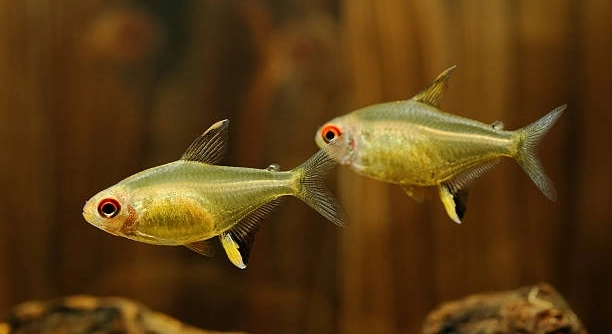
Lemon tetras are small, vibrant fish that brighten up any aquarium with their yellow hues. Observing them swim gracefully is calming, yet sometimes they hover still, almost motionless, leaving owners unsure if something is wrong with their tiny companions.
Lemon tetras hover still primarily due to stress, water quality issues, or illness. Changes in temperature, pH levels, or the presence of disease can affect their swimming patterns, causing them to pause mid-water as a survival response or symptom.
Understanding why your fish behave this way can help maintain their health and comfort. Each factor influencing their stillness offers valuable insight into proper aquarium care.
Common Reasons Lemon Tetras Hover Still
Lemon tetras often hover still because of changes in their environment or internal conditions. Poor water quality, including high ammonia or nitrite levels, can make them uneasy and affect their buoyancy. Sudden temperature fluctuations may shock their system, slowing their movement. Overcrowding in the tank can also stress them, limiting their swimming space and making them pause mid-water. Sometimes, the problem lies in their diet; insufficient nutrition or irregular feeding can reduce their energy levels, causing them to hover rather than swim actively. Illness is another factor. Internal parasites, bacterial infections, or fin rot can weaken them and change normal behavior. Observing their fins, coloration, and activity level can provide clues. Adjusting water conditions, maintaining consistent temperature, and feeding a balanced diet often resolves temporary hovering. Regular monitoring and early intervention prevent prolonged stress, helping your tetras maintain healthy and natural swimming patterns.
Keeping water parameters consistent, providing enough space, and offering quality food can prevent many of these issues.
Attention to subtle changes in behavior is key. Even minor shifts in swimming patterns often indicate an underlying problem. Recognizing these signs early allows timely action, ensuring your tetras stay healthy and active.
Environmental Stress and Tank Setup
Tank setup plays a significant role in lemon tetra behavior.
Improper lighting, lack of hiding spots, or strong currents can make tetras uneasy. They prefer calm water with plants or decorations to provide shelter and comfort.
A well-structured tank supports stable conditions and reduces stress. Choosing the right tank size is essential; a small tank can lead to overcrowding, while an adequately sized tank allows free movement and natural social behavior. Temperature stability is critical, as lemon tetras are sensitive to sudden changes. Proper filtration ensures clean water, while gentle flow prevents constant exhaustion. Plants and decorations provide safe areas to rest and reduce anxiety. Positioning the tank away from loud noises and direct sunlight also contributes to a calm environment. Combining these measures creates a secure habitat, encouraging natural swimming habits. Observing how tetras interact with their surroundings can help fine-tune the setup. Adjusting environmental factors consistently promotes longer-term health and reduces the tendency to hover still, maintaining vibrant activity.
Diet and Nutrition
A poor diet can make lemon tetras less active. Feeding them low-quality flakes or irregular meals may cause them to hover still due to low energy. A varied, nutrient-rich diet keeps them healthy and encourages normal swimming behavior.
Including high-quality flakes, frozen, or live foods ensures proper nutrition. Tetras need a balance of protein, vitamins, and minerals to maintain energy and vibrant coloration. Rotating food types prevents deficiencies and keeps them interested in feeding. Overfeeding can also be harmful, leading to water pollution and digestive issues, which may further reduce activity. Observing how your tetras respond to different foods helps identify preferences and ensures they receive sufficient nutrients. Consistency in feeding schedules strengthens their routine and energy levels.
Hydration and food absorption are just as important. Providing small, frequent meals prevents bloating and digestive stress. Supplementing with live or frozen foods stimulates natural hunting instincts, reducing stillness. Fresh, clean water also aids digestion and overall health. A proper diet combined with environmental care minimizes hovering and promotes lively, healthy swimming patterns.
Illness and Health Concerns
Stress or illness often causes tetras to remain motionless. Physical signs like clamped fins, pale color, or lethargy indicate underlying health issues that need immediate attention.
Common illnesses include bacterial infections, parasites, and swim bladder problems. Swim bladder issues affect buoyancy, causing fish to hover or tilt abnormally. Bacterial infections can result from poor water conditions or contaminated food, leading to weakness and reduced activity. Parasites may irritate skin or gills, making swimming uncomfortable. Quarantining new fish and maintaining water quality prevents disease spread. Observation of behavior and physical symptoms allows early intervention. Treatment depends on identifying the exact issue and may include medications, water changes, or dietary adjustments. Prompt response improves recovery chances and restores normal activity.
Water Quality
Maintaining clean water is essential for lemon tetras. High ammonia, nitrite, or nitrate levels can stress fish, causing them to hover still. Regular water testing and partial water changes keep conditions stable and safe.
Proper filtration helps remove debris and toxins. Ensuring pH, temperature, and hardness remain within ideal ranges supports their health. Consistency in maintenance prevents sudden changes that can affect behavior.
Social Behavior
Lemon tetras are schooling fish. They feel safer and swim more actively in groups. Isolated tetras often hover still due to stress or insecurity.
A small group of at least six encourages natural movement and reduces anxiety. Observing interactions within the school helps identify dominant or stressed fish, allowing adjustments to improve harmony.
Temperature and Lighting
Stable temperature is crucial. Sudden shifts can shock lemon tetras, causing them to remain motionless. Use a reliable heater to maintain consistent warmth.
FAQ
Why is my lemon tetra hovering near the surface?
Hovering near the surface usually indicates oxygen deficiency or stress. Poor aeration or high water temperature reduces dissolved oxygen. Ensuring proper water movement with a gentle filter and adding air stones can improve oxygen levels. This simple adjustment often restores normal swimming patterns.
Can water changes help if my tetra is hovering still?
Yes, regular water changes help remove toxins like ammonia, nitrites, and nitrates. Clean water reduces stress and supports overall health. Partial changes of 20-30% weekly maintain stability and prevent sudden chemical shifts, which are a common reason for hovering behavior.
Could my lemon tetra be sick?
Lemon tetras hovering still may be showing signs of illness. Common issues include bacterial infections, internal parasites, or swim bladder problems. Observe for clamped fins, pale colors, or abnormal swimming. Early detection allows faster treatment and improves recovery chances.
How does tank size affect hovering?
Small or overcrowded tanks limit swimming space and increase stress. A properly sized tank, ideally 20 gallons or more for a small school, allows free movement and reduces anxiety, preventing hovering and promoting active behavior.
Does diet influence their activity?
Yes, a poor diet lowers energy, causing tetras to hover. High-quality flakes, frozen, or live foods provide protein, vitamins, and minerals. Rotating food types and avoiding overfeeding keeps energy levels stable and encourages natural swimming.
Is temperature important for their behavior?
Absolutely. Lemon tetras thrive in 72-78°F. Sudden drops or spikes can shock them, resulting in stillness. Using a reliable heater and monitoring the tank daily ensures consistent warmth, which supports normal activity and reduces stress.
Do lighting conditions matter?
Lighting affects comfort and activity. Bright lights without hiding spots may stress tetras, causing them to hover. Providing shaded areas with plants or decorations helps them feel secure and encourages normal movement throughout the tank.
Can hovering indicate bullying or social stress?
Yes, aggressive tank mates or dominance disputes can make tetras remain motionless. Observing the school for chasing or nipping behavior helps identify stressors. Adjusting the number of fish or rearranging decorations can reduce conflicts.
How long should I wait before intervening?
Minor hovering may resolve within a few hours if water quality and conditions are stable. If it persists beyond a day or shows signs of illness, take action immediately to address water quality, diet, or potential health issues.
Are new tetras more likely to hover?
Newly introduced tetras often hover due to acclimation stress. They need time to adjust to water parameters, tank layout, and social dynamics. Providing hiding spots and monitoring closely ensures they settle in without long-term stress.
Can hovering be permanent?
Persistent hovering usually signals unresolved stress, poor water quality, or illness. Long-term observation and corrective measures like water adjustments, proper diet, and treatment are essential. Ignoring the behavior may lead to more serious health problems.
What preventive steps keep tetras active?
Consistent maintenance, a balanced diet, proper tank size, gentle filtration, and stable temperature create a healthy environment. Monitoring their behavior daily and making gradual adjustments prevents stress, encourages natural swimming, and minimizes hovering incidents.
How do I tell if a hovering tetra is okay?
If the fish hovers briefly and resumes normal swimming, it is usually fine. Look for signs like normal color, appetite, and interaction with the school. Persistent stillness combined with unusual physical signs indicates a need for intervention.
Is quarantine necessary for new fish?
Yes, quarantining new tetras for 2-3 weeks prevents introducing diseases to the main tank. It also allows observation for hovering, abnormal swimming, or illness before they join the established school.
Can decorations or plants reduce hovering?
Yes, plants and hiding spots provide security and reduce stress. Tetras are more likely to swim freely when they feel safe. Rearranging decorations occasionally also stimulates exploration and reduces stationary behavior.
Do water hardness or pH levels affect hovering?
Yes, lemon tetras prefer slightly acidic to neutral water (pH 6.5-7.0) and soft to moderately hard water. Significant deviations can stress them, leading to stillness. Regular testing ensures these parameters remain within safe ranges.
How quickly should I see improvement after correcting issues?
Improvement often occurs within hours to a couple of days after addressing water quality, diet, or stressors. Persistent hovering beyond that may require further investigation or treatment.
Is it normal for tetras to rest occasionally?
Yes, brief pauses are natural, especially at night or after feeding. Resting in the middle or near the bottom is normal, but prolonged hovering during active hours indicates stress or health concerns.
Should I medicate my fish for hovering?
Medication is only necessary if illness is suspected. Identifying symptoms first is critical. Treating water quality, diet, and stressors is safer if no clear signs of disease are present. Overmedication can harm healthy fish.
Does schooling behavior affect hovering?
Yes, tetras feel safer in groups of six or more. Isolation or too few companions increases stress, making them hover. Observing social interactions ensures a balanced, active school and reduces stationary behavior.
Can filtration cause hovering?
Strong currents from improper filters can exhaust tetras, causing stillness. Gentle flow or adjustable outlets maintain water circulation without over-stressing the fish. Proper filtration balances cleanliness and comfort.
Are there seasonal effects on behavior?
Temperature fluctuations or light changes from seasonal shifts may stress tetras. Maintaining consistent indoor conditions with heaters and timers ensures stability, preventing unnecessary hovering.
Is hovering more common in certain ages?
Young or newly hatched tetras may hover while adjusting to swimming skills and social dynamics. Older fish may hover if stressed or unhealthy. Observing age-related behavior patterns helps distinguish natural stillness from concern.
How important is observation?
Daily observation helps detect subtle changes. Noticing when and where tetras hover provides clues about stressors, illness, or environmental problems. Early detection allows timely adjustments and ensures healthy, active fish.
What’s the first thing to check when hovering occurs?
Start with water quality, temperature, and oxygen levels. Next, examine diet and social dynamics. If the environment is stable, consider health checks or quarantine for new or sick fish. Early assessment prevents long-term issues.
Can hovering indicate a long-term problem?
Yes, if it continues despite stable conditions. Chronic stress, unresolved illness, or repeated environmental issues can cause prolonged stillness. Identifying the underlying cause is essential to restore normal activity.
How do I encourage activity safely?
Provide a balanced diet, stable environment, proper tank size, gentle filtration, and hiding spots. Introduce subtle current or rearrange decorations to stimulate natural exploration without stressing the fish. Consistency and observation are key.
Is it ever safe to ignore hovering?
Brief hovering is normal, especially after feeding or minor stress. Persistent stillness combined with unusual behavior should not be ignored, as it often signals a health or environmental issue that needs correction.
How does water temperature affect energy?
Tetras are cold-blooded, so temperature directly impacts activity. Too low or high slows metabolism, causing hovering. Maintaining 72-78°F ensures proper energy levels and natural swimming patterns.
Are there signs that indicate recovery?
Returning to normal swimming, bright coloration, active feeding, and interaction with the school show improvement. Observing these signs confirms that interventions or adjustments are effective and the fish is regaining comfort.
Can hovering be seasonal in young fish?
Juveniles may hover more during early acclimation to tank conditions or social hierarchy formation. This is temporary if water quality and environment remain stable. Monitoring ensures normal development and gradual integration into the school.
What environmental changes should be gradual?
Adjustments to temperature, pH, or water hardness should be slow. Sudden shifts stress fish and may trigger hovering. Gradual changes allow adaptation and prevent unnecessary health risks.
Does hovering always require medication?
No, hovering is often environmental or stress-related. Only persistent or symptomatic cases need medical treatment. Correcting water quality, diet, social environment, or temperature usually resolves the issue without drugs.
How can I tell if it’s stress or illness?
Stress often results from sudden environmental changes, overcrowding, or aggressive tank mates. Illness is indicated by abnormal color, fins, or swimming. Observing these signs helps distinguish the cause and determine the correct response.
Can frequent hovering affect health?
Yes, prolonged stillness reduces exercise, affecting metabolism and immune response. Ensuring active swimming through proper care maintains overall health and longevity of lemon tetras.
Is tank placement important?
Yes, placing the tank in a quiet, low-traffic area with stable lighting reduces stress. Direct sunlight, loud noises, or vibrations can trigger hovering. Proper placement supports comfort and activity.
How do I balance group size and tank space?
Maintain a school of at least six in a properly sized tank. Too few increase stress; too many cause overcrowding. Balancing numbers ensures social comfort and active swimming patterns, minimizing stillness.
Are there signs of permanent damage from hovering?
Extended hovering due to unresolved stress or illness may lead to weakened muscles or stunted growth. Prompt intervention prevents long-term health consequences. Monitoring behavior and environment is crucial.
How often should I observe water conditions?
Daily checks for temperature and weekly testing for ammonia, nitrites, nitrates, and pH help maintain stability. Consistent monitoring prevents stressors that lead to hovering.
Can lighting adjustments improve activity?
Yes, dimming lights or providing shaded areas encourages exploration and reduces anxiety. Too bright or sudden lighting changes can stress tetras, resulting in stationary behavior.
Do all lemon tetras hover the same way?
Individual temperament varies. Some may hover briefly, others longer. Differences often reflect social rank, health, or stress response. Observing each fish helps identify specific needs.
What’s the most effective immediate action?
Check water quality, temperature, and aeration first. Address diet, social stress, and environment if no improvement. Quick, targeted action reduces prolonged hovering and prevents complications.
How can I prevent recurring hovering?
Maintain stable water, proper diet, tank size, and social group. Regular observation and gradual adjustments prevent stress, illness, and repeated stationary behavior. Consistency is key to active, healthy lemon tetras.
Is it normal for older fish to hover more?
Aging tetras may slow down but should remain active. Excessive hovering in older fish often signals health issues that require monitoring and intervention.
Can multiple small changes confuse tetras?
Yes, frequent, uncoordinated changes in environment, feeding, or social structure can stress them. Gradual, deliberate adjustments minimize confusion and promote stability, reducing hovering behavior.
Are there safe ways to stimulate movement?
Rearranging plants, adding gentle currents, or introducing live food encourages exploration. Avoid sudden disturbances. Gradual stimulation supports natural swimming without stress.
How important is water oxygenation?
High oxygen levels prevent lethargy and hovering. Aeration through gentle filtration or air stones ensures tetras have sufficient oxygen for normal activity.
Can I mix species to reduce hovering?
Compatible, peaceful species may provide security and encourage activity. Avoid aggressive or fin-nipping fish, which increase stress and stationary behavior.
Does tank decoration affect health?
Yes, plants and hiding spots reduce stress and encourage movement. Bare tanks increase anxiety, making hovering more frequent. Thoughtful decoration supports mental and physical well-being.
How do I track improvement effectively?
Note swimming patterns, feeding behavior, color, and interactions. Comparing daily observations helps determine whether interventions are successful or further adjustments are needed.
Is hovering always a negative sign?
Not always. Short pauses for rest or after feeding are normal. Persistent or unusual stillness indicates environmental or health concerns requiring attention.
Can temperature swings overnight cause hovering?
Yes, tetras are sensitive to rapid temperature drops. Using a heater with consistent settings prevents overnight fluctuations, keeping fish comfortable and active.
How long should a healthy tetra hover?
Brief hovering, usually under a few minutes, is normal. Extended stillness beyond this, especially with other symptoms, signals stress, illness, or poor environment.
What role does social hierarchy play?
Dominant fish may restrict movement of others, causing some tetras to hover. Observing group dynamics helps ensure all fish feel safe and reduce stress-induced stillness.
Can hovering indicate swim bladder issues?
Yes, swim bladder problems affect buoyancy, making fish hover mid-water. Overfeeding, constipation, or infection often trigger this condition. Observing posture and response to feeding helps identify it.
Does water flow affect swimming behavior?
Strong currents tire tetras and may force them to hover. Gentle, adjustable flow supports movement without exhausting the fish.
Are live plants better than artificial ones for activity?
Live plants provide oxygen, hiding spots, and stimulation. They promote natural swimming and reduce stress, encouraging tetras to move rather than hover.
How does tank cleanliness impact hovering?
Accumulated waste and debris degrade water quality, stressing fish. Regular cleaning and maintenance prevent chemical imbalances and reduce stationary behavior.
Do tetras hover more during molting or growth?
Juvenile growth or fin regeneration may cause temporary stillness. This is normal if water quality, diet, and social environment remain stable.
Can overcrowding be corrected without moving fish?
Reducing feeding intensity, rearranging plants, and adding decorations can provide more perceived space. For long-term comfort, adjusting tank size or population may still be necessary.
How do I prevent stress-related hovering long-term?
Stable water, appropriate tank size, gentle filtration, hiding spots, consistent diet, and a healthy school create an environment that minimizes stress and encourages active swimming.
Are hovering patterns predictable?
Some patterns correspond to feeding times, tank cleaning, or environmental changes. Monitoring these trends helps anticipate behavior and make preventive adjustments.
Can hovering be a sign of aging?
Occasional slower movement is normal with age. Persistent stationary behavior in older tetras, however, usually signals health issues needing attention.
Does light cycle affect activity?
Consistent day-night cycles help regulate behavior. Irregular lighting may stress fish and cause more frequent hovering. Timers can maintain stable cycles.
How do I distinguish normal rest from stress?
Normal rest occurs briefly and is followed by active swimming. Stress-induced hovering is prolonged, often accompanied by color change, clamped fins, or abnormal interactions.
Is observation alone enough to maintain health?
Observation is critical but must be paired with proper water maintenance, diet, and social management to prevent stress and keep tetras active.
Can temperature shock be reversed quickly?
Gradually returning water to the optimal range helps tetras recover. Sudden corrections may worsen stress, so incremental adjustments are safest.
How does feeding frequency affect hovering?
Small, frequent meals prevent lethargy and digestive issues that may cause hovering. Large, infrequent meals can reduce energy levels and swimming activity.
Can hovering indicate poor circulation in the tank?
Yes, stagnant water can reduce oxygen availability and create stress. Ensuring gentle circulation supports health and encourages normal swimming.
Are all hovering behaviors concerning?
Brief pauses are normal. Persistent or unusual stillness combined with physical or social changes indicates environmental or health issues requiring intervention.
How do I ensure consistent activity?
Maintain water quality, proper diet, stable temperature, suitable lighting, and social balance. Observation and gradual adjustments reinforce healthy swimming patterns.
Can diet changes alone resolve hovering?
Diet alone may improve energy, but environmental stability, proper tank setup, and social conditions are also necessary for sustained activity.
Is hovering more common in new tanks?
Yes, newly established tanks may have unstable conditions or low oxygen, causing tetras to hover. Regular monitoring and adjustment help them acclimate.
Does stress affect color along with hovering?
Yes, stressed tetras often appear paler. Watching color changes alongside behavior helps identify underlying issues early.
Can I safely test water changes on a single fish?
Partial water changes affect all fish. Observing reactions after small, incremental adjustments ensures safety while improving conditions.
Does tank noise impact hovering?
Loud vibrations or sudden sounds can stress tetras, making them hover. Placing the tank in a quiet area minimizes unnecessary stillness.
Are all diseases obvious in appearance?
Not always. Some infections affect behavior first, like hovering, before visible symptoms appear. Early observation is key to intervention.
Can hovering indicate boredom?
Lack of stimulation may cause temporary stillness. Rearranging decorations, adding plants, or introducing gentle currents encourages exploration and natural swimming.
Is hovering a sign of water contamination?
Yes, chemical imbalances, debris, or pollutants can stress tetras. Regular testing and cleaning prevent water-related issues that reduce activity.
How important is gradual environmental change?
Abrupt changes stress tetras, often causing hovering. Gradual adjustments allow adaptation without affecting health or swimming patterns.
Can tankmates influence hovering?
Aggressive or territorial fish can make lemon tetras stay still. Choosing peaceful companions and observing interactions promotes active schooling behavior.
Does hovering affect growth?
Prolonged inactivity can reduce metabolism and growth rate. Active swimming supports normal development and overall health.
How do I monitor subtle signs effectively?
Track swimming patterns, feeding behavior, coloration, and fin condition daily. Comparing trends helps detect early issues and prevent prolonged hovering.
Can hovering indicate low energy?
Yes, insufficient nutrition, temperature stress, or illness can reduce energy, causing stationary behavior. Addressing these factors restores normal activity.
Are small pauses normal during the day?
Yes, brief rest periods are natural. Only prolonged hovering or abnormal posture signals concern.
Does tank position near windows affect behavior?
Direct sunlight or drafts can stress tetras, making them hover. A stable, shaded location helps maintain consistent activity.
Can frequent hovering damage fins or muscles?
Extended inactivity may weaken muscles or affect fin health. Regular swimming promotes strength and prevents long-term issues.
How do I distinguish between temporary and serious hovering?
Temporary hovering resolves quickly without other symptoms. Persistent, accompanied by color change, clamped fins, or abnormal posture, indicates a serious environmental or health issue.
Can aquarium decorations help reduce hovering?
Yes, plants, rocks, and hiding spots provide security, encouraging natural movement and reducing stationary behavior.
How do I prevent future hovering?
Consistent care, stable water parameters, proper diet, social balance, and safe tank environment promote active, healthy lemon tetras and minimize hovering episodes.
Is hovering a sign of aging or disease?
Short pauses may be normal with age, but persistent stillness often indicates illness or stress. Monitoring behavior is essential.
Can water flow adjustments improve activity?
Gentle, consistent water movement reduces fatigue
Final Thoughts
Observing lemon tetras hover still can be concerning, but it is often a signal from the fish about their environment or health. This behavior may result from temporary stress, changes in water quality, or minor environmental adjustments. Paying attention to these cues allows you to respond appropriately and prevent more serious problems. Ensuring consistent water parameters, proper tank size, and a balanced diet supports their natural activity levels. Simple adjustments, like adding plants or providing gentle water flow, can make a significant difference in how comfortable your tetras feel in their tank. Understanding these factors helps maintain a healthy, stable environment that encourages natural swimming patterns. Monitoring the fish closely also allows you to notice small changes in behavior, which are often early indicators of potential issues. Reacting early can prevent long-term health complications and ensure that the tetras remain active and vibrant.
A well-maintained aquarium reduces stress and supports the overall well-being of lemon tetras. Water quality is crucial, including temperature, pH, hardness, and oxygen levels. Regular testing and maintenance prevent harmful chemicals and toxins from building up. Providing a balanced diet with varied nutrients strengthens their immune system and energy, keeping them active. Observing social interactions within the school is also important. Lemon tetras are schooling fish, and the presence of companions helps them feel secure and encourages normal movement. Isolated or stressed fish are more likely to hover still, so ensuring the right number of fish and a calm, safe environment is essential. Decorations, plants, and hiding spaces further contribute to comfort and reduce anxiety. The combination of stable conditions, proper diet, and thoughtful tank design supports both physical health and natural behavior.
Addressing hovering behavior promptly is important for the long-term health of your tetras. Brief pauses are normal, but prolonged or repeated stillness may indicate stress, illness, or environmental imbalance. Understanding the causes—whether water quality, temperature fluctuations, diet, or social factors—allows for effective solutions. Regular observation, careful maintenance, and timely interventions help prevent recurring issues. Even small adjustments can improve comfort and encourage active swimming. By maintaining a stable and supportive environment, you allow lemon tetras to thrive, showcasing their natural energy and vibrant appearance. Paying attention to their behavior and responding appropriately ensures that your aquarium remains a safe and healthy habitat where the fish can display their full range of natural activity.

Hello,
If you enjoy the content that we create, please consider saying a "Thank You!" by leaving a tip.
Every little bit helps us continue crafting quality advice that supports the health, happiness, and well-being of pets around the world, for pets of all shapes, sizes, and species.
We really appreciate the kindness and support that you show us!