
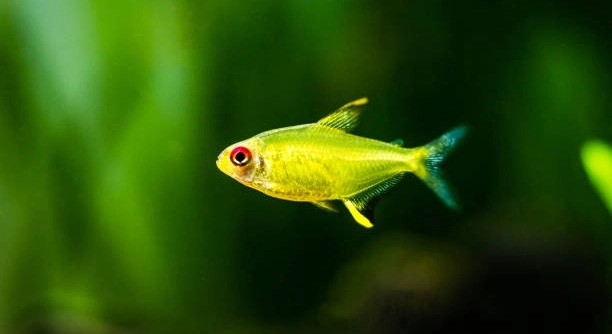
Lemon tetras are small, bright fish that bring life to any aquarium. Their cheerful yellow hue makes them stand out, and watching them swim can be a soothing and enjoyable part of your day.
A confident lemon tetra is usually active, explores its environment freely, and interacts with other fish without hiding. Observing clear swimming patterns, upright posture, and consistent foraging behavior are key indicators of a healthy and self-assured tetra.
Knowing how to identify these behaviors early will help you maintain a balanced tank and support your tetras’ well-being effectively.
Recognizing Active Behavior
Active behavior in lemon tetras is one of the clearest signs of confidence. Confident tetras swim throughout the tank, exploring every corner without hesitation. They rarely hide behind plants or decorations for long periods. Observing how they move around other fish is important. Confident tetras often swim in mid or upper water levels, showing comfort in open spaces. They respond quickly to feeding times and engage in gentle chasing with other tetras, establishing social order naturally. Fish that dart suddenly or freeze in place usually show insecurity or stress, which can indicate illness or an uncomfortable environment. Lighting, water quality, and tank mates all influence how active a tetra feels. Maintaining a clean and stable environment encourages natural behavior, allowing tetras to demonstrate confidence consistently. Over time, these patterns become easy to recognize, helping you monitor both health and personality traits efficiently.
Active tetras tend to be visible and playful, exploring their surroundings while interacting with other fish confidently.
Watching these behaviors regularly allows you to notice changes quickly. Monitoring daily movements and interactions ensures that any shift in activity is addressed before problems escalate. Tracking feeding response, swim patterns, and position in the tank provides valuable insight into both health and comfort. Tetras that remain active and alert are generally thriving, while subtle changes can indicate stress or illness early. Encouraging exploration through proper tank setup helps fish feel secure yet stimulated. Plants, open swimming areas, and compatible companions create an environment where confident behavior flourishes.
Understanding Social Interaction
Lemon tetras express confidence through how they interact with other fish.
Confident tetras are social but not aggressive. They swim in small groups or schools, often leading or joining coordinated movement without dominating others. Shy or insecure tetras tend to hang near tank edges or hide behind objects. Observing interactions at feeding time is telling; confident fish approach food calmly, while timid fish wait or dart nervously. Regularly interacting with their environment and tank mates signals a healthy, self-assured fish. Maintaining a peaceful tank, avoiding overly aggressive species, and providing hiding spots supports balanced social behavior. Over time, these patterns reveal individual personalities. By noting which tetras lead, follow, or explore first, you can better understand confidence levels and overall well-being. Recognizing these dynamics ensures your lemon tetras remain healthy, active, and socially engaged. Proper attention to social behavior helps prevent stress, promotes longevity, and creates a more harmonious tank environment.
Color and Appearance
Confident lemon tetras usually display bright, vivid colors. Faded or dull coloring often signals stress or illness. Clear yellow tones with distinct markings indicate good health and confidence.
Healthy tetras have smooth, unbroken fins and a consistent body shape. Signs of stress include clamped fins, spots, or uneven scales. Their eyes should be clear and bright, not cloudy. A confident tetra maintains vibrant colors even during minor tank changes or feeding times. Proper diet and clean water help preserve this appearance, reinforcing natural confidence.
Observation over time helps differentiate natural color changes from signs of stress. Confident tetras retain their brightness across daily activities, showing energy and engagement. Tank conditions like light, plants, and companions influence appearance. Maintaining stability and nutrition ensures tetras remain visually healthy, allowing you to identify confident fish easily.
Feeding Response
Confident lemon tetras respond quickly to feeding. They approach food calmly and assertively without panic or hiding.
During feeding, confident tetras take turns and interact socially without aggression. Timid fish hang back or dart nervously, which can indicate stress. Feeding times also show hierarchy; confident tetras often lead the group, demonstrating both curiosity and composure. Observing these interactions helps monitor overall health and social stability. Proper feeding practices, like small, frequent meals and varied diet, reinforce positive behavior and maintain bright colors.
Regular observation of feeding patterns allows for early detection of changes in health or confidence. Confident tetras eat consistently, explore the food area, and return to normal swimming after meals. Shifts in appetite or hesitation may indicate stress, illness, or competition. Providing an environment with space, plants, and compatible tank mates ensures feeding remains a positive experience. Over time, these behaviors help you distinguish confident, healthy tetras from those that may need extra care, supporting both social and physical well-being in your tank.
Swimming Patterns
Confident lemon tetras swim steadily and explore all areas of the tank. They move in smooth lines without sudden jerks or long pauses, showing comfort in their environment.
They maintain a balanced position in the water column, often swimming in mid or upper levels. Erratic or hovering near the bottom indicates stress or insecurity.
Interaction with Tank Mates
Confident tetras interact calmly with other fish. They participate in group movements without aggression, showing both curiosity and composure. Timid fish tend to hide or stay isolated, while confident ones establish natural social roles. Regular observation helps maintain harmony and identify changes in behavior.
Response to Environment
Confident lemon tetras explore decorations, plants, and open spaces without hesitation. They adjust smoothly to minor changes in light or water movement, showing adaptability.
Health Indicators
Bright eyes, smooth fins, and consistent body shape indicate confident, healthy tetras. Changes in these features can signal stress or illness.
FAQ
How can I tell if my lemon tetra is confident?
A confident lemon tetra swims actively, explores the tank, and interacts calmly with other fish. They stay mostly in mid or upper water levels and respond quickly to food. Bright coloring, smooth fins, and clear eyes are also good indicators. In contrast, timid fish hide frequently, have clamped fins, or dart nervously.
Why does my tetra sometimes hide?
Hiding is often a response to stress, environmental changes, or illness. Even confident tetras may occasionally hide when the tank is disturbed, water parameters shift, or new fish are introduced. Consistently hiding fish may need extra care, better tank conditions, or observation for potential health problems.
How important is water quality for confidence?
Water quality is crucial. Stable temperature, proper pH, and low ammonia and nitrate levels support confident behavior. Poor water quality can lead to stress, dull coloring, sluggish swimming, and health problems. Regular testing and partial water changes help maintain a stable environment.
Can tank mates affect confidence?
Yes, tank mates have a big influence. Aggressive or overly active fish can stress lemon tetras, making them hide or swim erratically. Calm, compatible species encourage exploration and social interaction. Observing group behavior helps ensure harmony and lets confident fish maintain their natural patterns.
Does diet impact tetra confidence?
A balanced diet supports overall health and confidence. Healthy tetras are more active, brightly colored, and engage socially. Providing high-quality flakes, pellets, and occasional live or frozen food keeps them energized. Inconsistent or poor nutrition may lead to dull colors, sluggish movement, and hesitation during feeding.
How do I encourage shy tetras to be more confident?
Introduce hiding spots, plants, and gentle water flow. Avoid sudden movements or loud noises near the tank. Gradual changes in environment or tank mates allow tetras to explore and interact at their own pace. Observing their behavior helps you understand when they are ready to venture more openly.
Can stress affect a tetra’s confidence?
Yes, stress reduces activity, changes swimming patterns, and dulls color. Sources of stress include poor water conditions, overcrowding, incompatible tank mates, or sudden changes in environment. Identifying and removing stress factors allows tetras to regain confidence naturally.
Is size of the tank important?
Tank size influences confidence. Lemon tetras need space to swim and explore freely. Small or overcrowded tanks lead to hiding, erratic swimming, and aggression. A spacious tank with open swimming areas, plants, and decorations supports natural movement, social interactions, and confident behavior.
How long does it take for a tetra to show confidence?
This depends on personality, environment, and tank conditions. Some tetras adapt quickly, exploring openly within days. Others may take weeks to feel secure, especially after relocation or introduction of new tank mates. Consistent care, stable water conditions, and patient observation help them gain confidence.
Are there signs of long-term confidence issues?
Long-term confidence issues show as persistent hiding, clamped fins, poor appetite, or dull coloration. These behaviors may indicate chronic stress, illness, or unsuitable tank conditions. Regular monitoring, proper diet, and environmental adjustments are essential to maintain healthy, confident tetras over time.
How do I track changes in confidence?
Observe daily behaviors such as swimming patterns, interactions with tank mates, and response to food. Keep notes of activity levels, positioning in the tank, and color intensity. Comparing these observations over time helps detect early signs of stress or health issues, allowing proactive care.
Can confident tetras influence others?
Yes, confident tetras often lead group movements and encourage timid fish to explore. Their presence can help maintain social stability and reduce stress in the tank. Balanced group dynamics contribute to overall health and encourage natural behaviors among all lemon tetras.
What role does lighting play in confidence?
Proper lighting enhances color and encourages normal behavior. Too bright or too dim lighting can stress tetras, making them hide or swim erratically. Gradual adjustment of light intensity and natural day-night cycles help tetras feel secure and maintain confident activity.
Should I separate a shy tetra?
Separation is rarely needed unless a tetra is stressed, sick, or bullied. Providing hiding spots and compatible tank mates is usually enough. Isolation may reduce social learning and confidence-building opportunities, so only consider it when necessary for health or recovery.
How often should I monitor my tetras?
Daily observation is best. Even small changes in behavior, color, or appetite can indicate stress or illness. Monitoring helps identify environmental adjustments needed to maintain confident, healthy fish and prevents minor issues from becoming serious problems.
Final Thoughts
Lemon tetras are small fish with big personalities, and recognizing their confidence can make caring for them much easier. Confident tetras are active, explore their environment, and interact with other fish calmly. They show clear swimming patterns, bright coloring, and a willingness to come forward during feeding. Observing these behaviors regularly helps you understand their personalities and health. Small details like upright posture, smooth fins, and clear eyes are simple indicators of their well-being. Confident tetras make the aquarium feel lively and balanced, and noticing these traits can give a sense of satisfaction as a caretaker. The more familiar you become with your tetras’ habits, the easier it is to spot changes that might indicate stress, illness, or environmental issues. Maintaining stable conditions, providing proper nutrition, and encouraging natural social interactions all support the development and preservation of confident behavior. Over time, you begin to recognize which fish lead the group, which are more cautious, and how they adapt to minor changes in the tank.
Water quality and tank setup play a large role in supporting confident lemon tetras. A clean tank with proper filtration, stable temperature, and correct pH levels allows fish to move freely and interact naturally. Plants, decorations, and open swimming areas provide security while encouraging exploration. Tank mates must be chosen carefully, as aggressive or overly active species can intimidate tetras, causing them to hide or swim erratically. Proper feeding routines and a balanced diet also influence behavior. Healthy, well-fed fish are more likely to display confidence, while inconsistent or poor nutrition can lead to hesitation and dull coloring. Observing feeding behavior is particularly useful, as confident tetras approach food calmly and interact socially without panic. Over time, these small but consistent care practices help tetras maintain not just their health but their natural, confident personality.
Confidence in lemon tetras is not just about appearance or activity; it is about overall well-being and the ability to engage with their surroundings. When tetras swim steadily, explore decorations, interact with tank mates, and respond naturally to light or water changes, they are showing that their environment meets their needs. Shy or stressed fish may hide frequently, dart around unpredictably, or appear dull and lethargic. Recognizing the difference allows you to make small adjustments that improve their quality of life. Tracking behavior, observing changes over time, and providing a consistent, supportive environment ensures that your tetras thrive. By understanding these signs and acting on them, you help your lemon tetras grow into healthy, confident fish, creating a balanced and harmonious aquarium that is rewarding to maintain.

Hello,
If you enjoy the content that we create, please consider saying a "Thank You!" by leaving a tip.
Every little bit helps us continue crafting quality advice that supports the health, happiness, and well-being of pets around the world, for pets of all shapes, sizes, and species.
We really appreciate the kindness and support that you show us!