
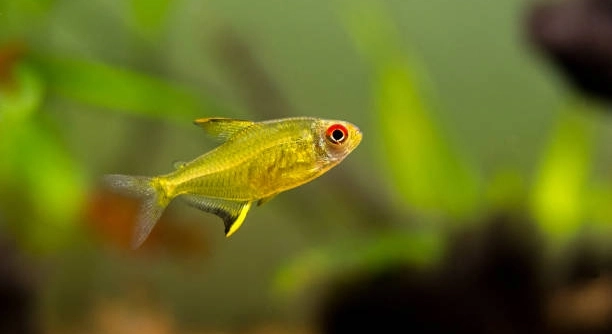
Have you ever noticed your lemon tetras acting dull under your aquarium lights? Their bright yellow bodies may fade if the lighting is not suitable. Proper illumination can make your fish feel more active and comfortable.
Lemon tetras thrive under moderate, consistent lighting that mimics natural daylight. Avoid harsh or overly bright lights, as this can stress them. Incorporating a regular day-night cycle and gentle intensity supports their coloration, behavior, and overall health in captivity.
Learning how to adjust light settings can improve your aquarium environment. These tips will help your lemon tetras feel secure and display their natural vibrancy.
Choosing the Right Light Intensity
The right light intensity is essential for lemon tetras. Too bright lights can cause stress, leading to hiding or lethargy. On the other hand, dim lights may prevent them from showing their natural colors and reduce activity. I found that a moderate LED aquarium light works best. It gives enough brightness for the tank plants to thrive while keeping the fish calm. Daylight-spectrum bulbs help maintain a natural environment and enhance the yellow tones on their bodies. Avoid lights that flicker or vary in intensity, as sudden changes can disturb their routine. Placing the light at a slight distance from the water surface also helps reduce stress. It is important to measure how bright the light is and adjust if the fish appear skittish or overly hidden. A steady, consistent light schedule creates a comfortable space for your lemon tetras.
Moderate lighting enhances the fish’s color and reduces stress in the tank, keeping them active and comfortable throughout the day.
Consistency in lighting impacts not only fish behavior but also plant growth. Plants help improve water quality and provide natural hiding spots. When plants thrive, lemon tetras feel safer and swim more openly. A balance of light intensity, duration, and placement creates a healthy tank. Observing your fish during different times of the day can show whether the light is too harsh or too dim. Adjusting the light gradually prevents sudden stress and allows fish to acclimate naturally. Over time, they will develop stable swimming patterns and brighter colors, making your aquarium more vibrant.
Using a Day-Night Cycle
A regular day-night cycle helps lemon tetras feel secure and reduces stress.
Providing 10-12 hours of light followed by darkness simulates their natural environment. Sudden changes in lighting can startle them, so using a timer ensures a consistent routine. A steady cycle encourages healthy sleep patterns and normal feeding behavior.
Lemon tetras rely on predictable light changes for orientation and activity. During the day, they explore and interact, while darkness allows rest. Gradually turning lights on and off mimics sunrise and sunset, making transitions easier for them. In a tank without a proper cycle, fish can become sluggish or hide excessively. Plants also benefit from this schedule, as it supports photosynthesis during the light phase and rest at night. Observing the tank over several days helps fine-tune the timing. Consistent light periods promote overall well-being and vibrant coloration, keeping the fish healthy. Implementing a simple timer ensures you never miss the proper light changes, giving your lemon tetras a natural and stress-free environment.
Positioning Lights Correctly
Placing lights too close to the water can make lemon tetras hide constantly. Positioning them slightly higher reduces stress. A gentle angle also prevents glare, allowing the fish to swim freely and show their natural colors without fear.
Correct light placement ensures even illumination and avoids hot spots in the tank. I keep my LED fixture about 8–10 inches above the water surface. This distance softens the brightness while still allowing plants to grow properly. Reflective backgrounds help distribute light evenly, preventing dark corners that can make fish anxious. Observing the tank throughout the day helps determine if adjustments are needed. Fish behavior, such as hiding or sluggish swimming, often signals lighting issues. Adjusting gradually is better than sudden changes. I also rotate the tank occasionally to ensure all areas receive balanced light exposure.
A well-positioned light benefits both plants and fish. Plants grow evenly, providing natural cover, and lemon tetras feel safe swimming openly. Balanced lighting creates a natural-looking environment that supports their health.
Choosing the Right Bulb Type
LED bulbs are energy-efficient and provide steady illumination without overheating the tank. They support plant growth and enhance lemon tetra coloration naturally.
Using daylight-spectrum LEDs simulates natural sunlight, bringing out bright yellows and silvers in lemon tetras. Avoid fluorescent bulbs with harsh flickering, which can stress fish. I prefer bulbs labeled for freshwater aquariums because they match the spectrum fish need. Some LEDs allow adjusting intensity, which is helpful for balancing plant and fish needs. Over time, proper bulb choice affects both fish behavior and plant vitality. Consistency in color temperature keeps the aquarium visually pleasant and healthy. Observation is key—if the fish appear dull or avoid certain areas, bulb type or intensity may need adjustment.
Bulb choice impacts tank balance. Correct spectrum promotes plant photosynthesis, helping oxygen levels and water quality. Fish display natural colors and remain active. Selecting the right bulb ensures a stable, visually appealing, and healthy aquarium.
Avoid Direct Sunlight
Direct sunlight can quickly overheat the tank and cause algae growth, making lemon tetras stressed. Keep the aquarium away from windows or use blinds to reduce exposure.
Even indirect sunlight can create hot spots in the water. Monitoring tank temperature ensures it stays stable, keeping the fish comfortable.
Dim the Lights During Rest
Lemon tetras need darker periods to rest properly. Gradually reducing light in the evening helps them adjust.
Creating a calm environment at night prevents unnecessary stress. Using a timer for lights ensures consistency, supporting natural sleep patterns and healthy behavior.
Observe Fish Behavior
Watching how lemon tetras react to light changes helps identify stress or discomfort. Adjustments based on behavior improve tank conditions.
FAQ
How bright should the light be for lemon tetras?
Lemon tetras thrive under moderate lighting that is not too harsh. Bright lights can stress them, causing them to hide, while dim lights may make their colors appear dull. Using an LED light with adjustable intensity is ideal, allowing you to fine-tune brightness based on fish behavior and plant growth. Observing your fish throughout the day helps determine if the light level is appropriate.
Should I use a timer for the aquarium lights?
Yes, using a timer ensures a consistent day-night cycle. Lemon tetras respond well to predictable lighting, which supports natural behavior and reduces stress. A timer can gradually turn lights on and off, mimicking sunrise and sunset. This consistency helps maintain plant growth, fish activity, and overall tank balance.
Can lemon tetras handle full-spectrum lighting?
Full-spectrum lighting works well as long as the intensity is moderate. It enhances the yellow coloration of lemon tetras and supports aquarium plants. Avoid overly intense full-spectrum lights, as this may lead to stress and excessive algae growth. Combining proper intensity with a regular day-night schedule ensures fish remain healthy and active.
Is direct sunlight harmful to the tank?
Direct sunlight can raise water temperature and promote algae growth, both of which stress lemon tetras. Even indirect sunlight can create uneven lighting and hot spots. Position the tank away from windows or use blinds to reduce exposure. Monitoring water temperature helps maintain a stable, safe environment for your fish.
How long should the lights stay on each day?
Lemon tetras do well with 10–12 hours of light daily, followed by darkness. Too much light can cause stress and algae issues, while too little reduces color vibrancy and plant growth. Using a timer ensures a steady schedule, which supports fish activity and natural feeding patterns.
What type of bulb is best for lemon tetras?
LED bulbs designed for freshwater aquariums are ideal. Daylight-spectrum LEDs bring out natural fish colors and support plant photosynthesis. Avoid fluorescent bulbs with flickering light, as this can stress the fish. Adjustable LEDs allow control over intensity, making it easier to create a comfortable tank environment.
Do I need to adjust lighting for tank plants?
Yes, plants need enough light to photosynthesize properly. Healthy plants provide hiding spots and improve water quality, both of which benefit lemon tetras. Balancing plant needs with fish comfort is important. Observing plant growth alongside fish behavior helps maintain a harmonious aquarium ecosystem.
What signs indicate the lighting is wrong?
Lemon tetras may hide, swim sluggishly, or lose vibrant color if the lighting is too strong or weak. Plants may show stunted growth or discoloration. Monitoring both fish and plants regularly helps identify when adjustments are needed, allowing for gradual changes rather than sudden stress.
Can I use colored lights in the tank?
Colored lights are not necessary and can sometimes stress lemon tetras. Natural-spectrum lighting is better for displaying their yellow coloration and supporting plant health. If used for decoration, ensure it is not too intense and keep the day-night cycle consistent to maintain fish comfort.
How should I transition lights on and off?
Gradually increasing or decreasing light intensity works best. Abrupt changes can startle lemon tetras, causing stress. A timer with a dimming feature or manually adjusting lights over 15–30 minutes mimics natural sunrise and sunset. This approach encourages normal activity patterns and restful periods, keeping the fish healthy.
Does tank size affect lighting needs?
Yes, larger tanks may need stronger or more evenly distributed lighting to reach all areas. Smaller tanks benefit from less intense lighting. Ensuring uniform coverage helps prevent dark corners, reduces stress, and supports healthy plant growth. Adjusting placement and angle of lights ensures all fish can swim comfortably and plants receive sufficient light.
Can lighting influence breeding behavior?
Proper lighting supports overall health, which indirectly influences breeding. Stressful or inconsistent lighting can suppress spawning activity. A moderate, consistent light schedule combined with hiding spaces and good water quality encourages natural behavior, increasing the likelihood of successful breeding in lemon tetras.
How often should I check the lights?
Regular checks help catch issues like flickering, burned-out bulbs, or uneven illumination. Observing both fish behavior and plant growth can indicate if adjustments are needed. Monthly maintenance of the lighting system ensures a stable environment and prevents unexpected problems that could affect fish health.
Are timers really necessary for small tanks?
Even in small tanks, timers are helpful. They provide consistency without relying on memory, reducing stress for lemon tetras. Gradual transitions controlled by timers are more effective than manually switching lights, ensuring fish rest properly and plants receive the right amount of light for growth.
Can over-lighting harm fish long-term?
Yes, prolonged exposure to overly bright lights can stress lemon tetras, leading to reduced immunity, hiding behavior, or loss of color. Gradual intensity adjustments and observing fish response prevent long-term health issues, supporting both behavior and visual appearance.
Does light placement matter more than type?
Both placement and type are important. Even the best LED will stress fish if positioned too close or unevenly. Ensuring light covers the tank evenly and avoids hot spots is crucial. Proper placement complements the correct bulb choice, creating a stable, comfortable environment for lemon tetras and plants.
Final Thoughts
Lighting plays a bigger role in the health and happiness of lemon tetras than many people realize. Their bright yellow colors can fade, and their behavior can change when the tank lighting is not suitable. Maintaining moderate, consistent light helps them feel secure and encourages normal swimming and feeding patterns. I have noticed that when the light is too harsh, my fish hide more and seem less active. On the other hand, when the light is too dim, they lose their vibrant color and the tank looks dull. A balance in light intensity is essential for both the fish and the plants in the tank. LED lights work well because they are easy to adjust and provide steady illumination without heating the water too much. Positioning the lights properly above the tank and avoiding direct sunlight also helps prevent stress and overheating, creating a comfortable environment for lemon tetras to thrive.
Consistency in the day-night cycle is just as important as the type and placement of light. Lemon tetras respond well to predictable routines, and sudden changes in lighting can stress them. Using a timer to turn lights on and off gradually simulates sunrise and sunset, allowing the fish to adapt naturally. This consistency also benefits the plants in the tank, ensuring they get enough light for photosynthesis during the day and rest at night. Observing the fish during these cycles provides insight into whether the lighting setup is effective. If fish hide frequently, swim sluggishly, or appear dull, adjustments to intensity or placement may be needed. A stable, predictable lighting schedule promotes natural behavior, reduces stress, and helps maintain the bright colors lemon tetras are known for. Over time, this consistency makes the tank feel more like their natural environment, creating a balanced and healthy aquarium ecosystem.
Finally, paying attention to lighting helps both the fish and the overall tank environment. Healthy plants, proper light intensity, and an established day-night cycle all work together to keep lemon tetras active and vibrant. Small adjustments, like dimming lights at night or checking for uneven illumination, can have a big impact on fish well-being. Monitoring fish behavior, plant growth, and tank temperature provides guidance for fine-tuning lighting over time. Lighting is not just about aesthetics; it directly affects how fish feel, move, and interact with their surroundings. A well-lit, balanced aquarium encourages natural swimming patterns, supports plant growth, and keeps lemon tetras looking their best. Taking the time to get the lighting right creates a calm, healthy environment that helps fish thrive for years to come, making the aquarium a more enjoyable space for both the fish and the caretaker.

Hello,
If you enjoy the content that we create, please consider saying a "Thank You!" by leaving a tip.
Every little bit helps us continue crafting quality advice that supports the health, happiness, and well-being of pets around the world, for pets of all shapes, sizes, and species.
We really appreciate the kindness and support that you show us!