
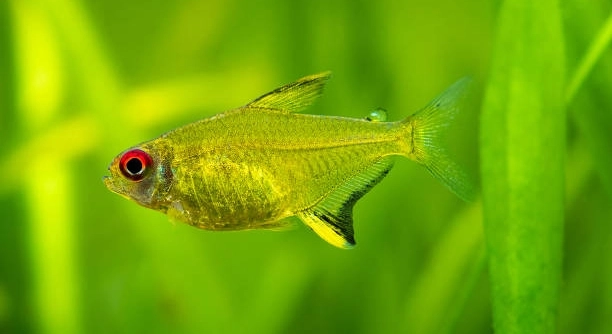
Lemon tetras are small, vibrant fish that brighten any freshwater aquarium. Many owners enjoy their lively behavior and striking colors but often encounter confusing information about their care and habits in forums and guides.
Several myths about lemon tetras persist, ranging from false beliefs about tank size, diet requirements, compatibility with other fish, lifespan, and water conditions. Clarifying these misconceptions ensures proper care and a healthier, more thriving aquarium environment.
Knowing the truth behind common myths will help you make informed choices for your lemon tetras and create a stable, enjoyable home for them.
Myth 1: Lemon Tetras Need Large Tanks
Many new owners believe lemon tetras require huge tanks to stay healthy. While they do appreciate space, a 20-gallon tank is often sufficient for a small school of 6 to 8 fish. Overcrowding can stress them, but an oversized tank is not necessary. Proper filtration and regular water changes are far more important than simply providing a large tank. Maintaining stable water parameters, such as pH between 6.5 and 7.0 and temperature around 75°F, supports their well-being. Adding plants and hiding spots mimics their natural environment and helps reduce stress. Observing their behavior is key: if they swim actively and school together, they are likely comfortable. Many lemon tetras thrive in modestly sized aquariums, as long as care standards are consistent. Owners often find that attentive monitoring and regular maintenance have a greater impact on health than tank size alone. Choosing the right tank size balances space, upkeep, and practicality.
Lemon tetras adjust well to moderately sized tanks when their water quality and environment are suitable.
Even in smaller tanks, creating a structured environment with plants, rocks, and gentle water flow keeps lemon tetras healthy. Watching them interact in a well-maintained tank highlights their natural schooling behavior. Regular cleaning and careful observation prevent common issues related to overcrowding or poor conditions, ensuring they remain vibrant and active. Proper planning allows owners to provide a stable habitat without needing unnecessary space, which can be costly and harder to manage.
Myth 2: Lemon Tetras Are Difficult to Feed
Many believe lemon tetras require complex diets or specialty foods. In reality, they accept a variety of high-quality flakes, micro pellets, and frozen foods. A balanced diet with occasional live foods supports their color and health.
Lemon tetras thrive on simple, nutrient-rich meals without overcomplication.
Feeding is straightforward but requires attention to quantity. Overfeeding leads to water quality issues, while underfeeding can stunt growth and reduce vibrancy. A mix of flakes or pellets twice daily, supplemented with live or frozen foods like brine shrimp or daphnia, provides sufficient protein and nutrients. Variety keeps them healthy and encourages natural foraging behavior. Observing their eating habits ensures all fish get food without leftovers polluting the tank. Routine feeding at consistent times helps maintain their biological rhythms and overall vitality. Lemon tetras are resilient and will adapt to regular, simple feeding schedules, making them easier to care for than commonly assumed.
Myth 3: Lemon Tetras Are Aggressive
Lemon tetras are generally peaceful and school well with other small, non-aggressive fish. Aggression is rare and usually linked to stress, overcrowding, or poor water conditions. Proper tank setup helps maintain calm behavior and prevents unnecessary conflicts.
When housed in a well-maintained aquarium with plenty of swimming space and hiding spots, lemon tetras show calm, social behavior. Aggression usually appears only if tank mates are too large, overly active, or incompatible. Keeping them in groups of at least six reduces territorial behavior and encourages natural schooling. Stress factors like sudden changes in water temperature or poor filtration can also cause temporary skirmishes, but these are not true signs of aggression. Proper planning and attentive care are key to avoiding conflicts.
Lemon tetras communicate and interact mainly through movement and color signals, not dominance. They thrive in a stable environment with consistent care. By providing a peaceful community tank, owners can enjoy their vibrant colors and lively schooling without fear of aggressive encounters. Observing their natural social patterns allows owners to understand and support their behavior, ensuring harmony within the aquarium.
Myth 4: Lemon Tetras Only Eat Live Food
Lemon tetras do not rely solely on live food. They readily accept high-quality flakes, pellets, and frozen foods, which can provide complete nutrition without live options.
A varied diet is important for their health and color. While live foods like brine shrimp or daphnia are beneficial for occasional treats, flakes or micro pellets are sufficient for daily nutrition. Many lemon tetras maintain excellent condition on prepared foods alone, making feeding manageable. Offering a mix of protein sources encourages natural foraging behavior while reducing dependence on live food, which can carry pathogens if not handled properly. Balanced feeding supports growth, coloration, and overall vitality.
Feeding lemon tetras is simple once a routine is established. Providing prepared foods consistently ensures all fish are nourished while occasional live or frozen supplements enhance their diet. Overfeeding should be avoided, as leftover food can pollute the tank and stress the fish. Maintaining variety prevents boredom and encourages natural behaviors, supporting both physical health and mental stimulation. Regular observation during feeding allows owners to monitor appetite, detect health issues early, and adjust portions accordingly. This straightforward approach keeps lemon tetras healthy and vibrant.
Myth 5: Lemon Tetras Require Constant Warm Water
Lemon tetras thrive in stable temperatures but do not need extreme warmth. A range of 72–78°F is ideal. Consistent conditions prevent stress and support natural behavior.
Sudden temperature fluctuations can harm their health. Maintaining moderate warmth with a reliable heater ensures they remain active and display vibrant colors. Regular checks help avoid unnoticed drops or spikes that could cause illness.
Myth 6: Lemon Tetras Cannot Live with Other Fish
Lemon tetras are compatible with many peaceful species. They school well and rarely show aggression toward similar-sized tank mates. Proper group sizes and environment support harmony.
Myth 7: Lemon Tetras Grow Slowly
Lemon tetras reach full size at a moderate pace. Growth depends on diet, water quality, and tank conditions. Healthy nutrition and stable environments encourage steady, predictable development over several months.
What is the ideal tank size for lemon tetras?
A 20-gallon tank is sufficient for a small school of six to eight lemon tetras. While larger tanks provide more swimming space, they are not required if water quality and filtration are maintained. Proper space allows them to school comfortably without causing stress or territorial behavior.
Can lemon tetras live with other fish?
Yes, lemon tetras are peaceful and do well with other small, non-aggressive species. Ideal tank mates include rasboras, guppies, and other tetras. Aggression is rare, but overcrowding or poor water conditions can cause temporary skirmishes. Keeping them in groups of at least six encourages natural schooling behavior.
What should I feed lemon tetras?
Lemon tetras thrive on a mix of high-quality flakes, micro pellets, and occasional frozen or live foods such as brine shrimp or daphnia. Prepared foods provide complete nutrition, and supplements of live or frozen food support color and natural foraging behavior. Overfeeding should be avoided to prevent water quality issues.
How often should I change the water?
Weekly water changes of 20–25% are recommended. Consistent maintenance keeps ammonia and nitrate levels low, supporting health and reducing stress. Regular monitoring of water parameters ensures a stable environment, which is more important than tank size alone. Clean water encourages active behavior and vibrant coloration.
Do lemon tetras need special lighting or plants?
They do best in tanks with moderate lighting and some plants. Live or artificial plants provide hiding spots and reduce stress. Structured environments with decorations mimic their natural habitat, allowing them to display natural behavior and maintain calm social interactions.
How long do lemon tetras live?
With proper care, lemon tetras live around 3–5 years. Lifespan depends on diet, water quality, and stable environmental conditions. Attention to routine maintenance and stress prevention can help them reach the upper end of their lifespan, keeping them active and colorful for years.
Do lemon tetras require a heater?
A heater is helpful to maintain a stable temperature between 72–78°F. Sudden drops or spikes can cause stress or illness. Consistent moderate warmth keeps them active, supports metabolism, and prevents vulnerability to diseases. Monitoring temperature regularly is crucial for their well-being.
Are lemon tetras difficult to breed?
Breeding lemon tetras is possible but requires controlled conditions. They need soft, slightly acidic water and a separate breeding tank. Females scatter eggs among plants, and adults may eat them if left in the main tank. Careful preparation increases the success rate.
What signs indicate stress in lemon tetras?
Stress can appear as hiding, clamped fins, loss of color, or erratic swimming. Common causes include poor water quality, sudden temperature changes, or overcrowding. Addressing these issues promptly helps prevent illness and supports healthy social behavior within the school.
Can lemon tetras survive in cooler water?
They tolerate slight drops in temperature but prolonged exposure to cool water below 70°F can cause health issues. Maintaining moderate, stable temperatures ensures activity, proper feeding, and long-term survival, making careful monitoring important.
How many lemon tetras should be kept together?
A minimum of six is recommended. Keeping them in groups promotes natural schooling, reduces stress, and prevents aggression. Larger schools of 8–12 fish allow more dynamic interaction and display their social behavior more fully, creating a lively aquarium environment.
Do lemon tetras need frequent cleaning?
Regular cleaning is essential to maintain water quality. Weekly partial water changes and routine filter maintenance prevent buildup of harmful substances. A clean tank promotes health, supports coloration, and reduces stress-related behaviors, ensuring lemon tetras thrive in a stable environment.
Can lemon tetras live without plants?
Yes, but plants improve well-being. Plants provide hiding spaces, reduce stress, and encourage natural behavior. Even artificial plants or decorations can help mimic their environment. Structured tanks lead to calmer, healthier fish and a more visually appealing aquarium overall.
What common diseases affect lemon tetras?
They are prone to ich, fin rot, and bacterial infections if water quality is poor. Early detection and treatment are crucial. Maintaining stable water parameters, a clean tank, and proper diet minimizes the risk of disease and supports longevity and coloration.
Is schooling behavior important for lemon tetras?
Yes, schooling reduces stress and promotes natural activity. Fish kept alone or in very small groups may hide more and show less vibrant coloration. Observing coordinated swimming indicates a healthy, comfortable school, which is key for their overall well-being.
Lemon tetras are small, vibrant fish that can bring life to a freshwater aquarium without requiring overly complicated care. They are generally peaceful, resilient, and adaptable, making them suitable for both beginner and experienced aquarium owners. Despite their simple care requirements, several myths surround their behavior, diet, tank needs, and compatibility with other fish. These myths often create unnecessary concern or lead to overcomplication in their care. Understanding the truth behind these common misconceptions helps owners provide a healthier and more stable environment. Paying attention to water quality, proper tank size, consistent feeding, and structured environments is far more important than any exaggerated claims about their needs.
One of the most important aspects of lemon tetra care is maintaining a stable environment. While some people believe they need large tanks or constant warm water, they are quite comfortable in moderate conditions as long as parameters are consistent. Weekly water changes, proper filtration, and monitoring temperature and pH levels go a long way in supporting their health. Providing a balanced diet with flakes, pellets, and occasional frozen or live food ensures they receive adequate nutrition without requiring complex feeding routines. Adding plants or decorations allows them to display natural schooling behavior and reduces stress, which is often the root cause of behavioral issues. These small but consistent actions have a greater impact on their well-being than many of the myths suggest.
Lemon tetras are social and active, and keeping them in groups of at least six allows them to exhibit natural schooling patterns, which contributes to both their physical and mental health. They coexist well with other peaceful fish, demonstrating calm interactions when tank conditions are suitable. Many owners find that observing their schooling, feeding, and natural behavior can be enjoyable and rewarding. By following practical care guidelines and ignoring common misconceptions, lemon tetras can thrive and display their vibrant colors for years. With attention to proper water quality, diet, and social structure, these small fish are low-maintenance yet visually striking, offering a satisfying and manageable aquarium experience.

Hello,
If you enjoy the content that we create, please consider saying a "Thank You!" by leaving a tip.
Every little bit helps us continue crafting quality advice that supports the health, happiness, and well-being of pets around the world, for pets of all shapes, sizes, and species.
We really appreciate the kindness and support that you show us!