
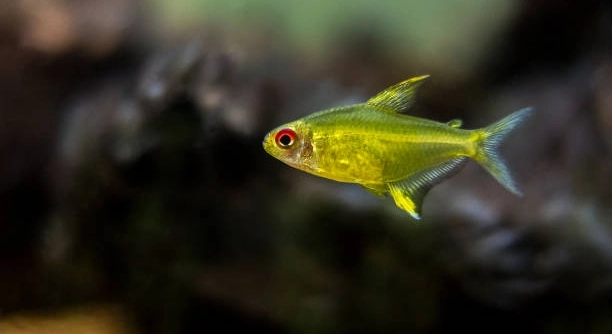
Lemon tetras are small, colorful fish that brighten any aquarium. Observing them closely, you may notice they often stick together near the back of the tank. Their behavior can seem puzzling, especially to new fish owners.
Lemon tetras huddle at the back of the tank primarily due to stress, environmental changes, or the need for safety. This behavior is a natural response, helping them feel secure while avoiding perceived threats and maintaining social cohesion within the group.
Understanding their behavior and tank preferences can improve their comfort and health. Learning these details ensures a happier, more harmonious aquarium environment for your fish.
Common Reasons Lemon Tetras Stay at the Back
Lemon tetras often move to the back of the tank when they feel stressed or unsafe. Sudden changes in water temperature, poor water quality, or strong currents can make them feel threatened. They naturally seek areas with cover, such as plants or decorations, to feel secure. Even slight disturbances, like a new object in the tank or frequent tapping on the glass, can cause them to retreat. Social dynamics also play a role. If there are dominant fish or overly aggressive tankmates, lemon tetras may stick together at the back to avoid confrontation. Ensuring they have hiding spaces and maintaining consistent water conditions reduces stress. Observing them calmly over time allows them to regain confidence and explore other areas. Their behavior is a mix of instinct, comfort, and adaptation, which can be improved with careful attention to their environment and tankmates.
Lemon tetras naturally form small groups for safety, making the back of the tank a preferred gathering area.
Providing stable water conditions and gentle surroundings encourages them to explore the tank more freely.
Improving Tank Comfort for Lemon Tetras
Adding plants and decorations provides hiding spots that help lemon tetras feel safe.
Proper tank setup includes maintaining the right temperature, avoiding strong currents, and keeping the water clean. Sudden changes in the tank environment often cause stress. Lemon tetras are sensitive to new objects and lights, so gradual adjustments are best. A balanced diet and regular feeding schedule also contribute to their sense of security. Observing their behavior over time helps identify patterns and needs. Grouping them with compatible tankmates reduces tension and encourages natural swimming patterns. Providing both open spaces and covered areas allows them to choose where they feel most comfortable. When their environment feels predictable and secure, lemon tetras spend more time exploring and displaying their vibrant colors. Consistency, patience, and careful observation are key to ensuring they thrive and remain active throughout the tank.
Feeding and Activity Patterns
Lemon tetras tend to stay at the back of the tank if they are nervous during feeding times. They prefer to eat in groups and at their own pace, often waiting until other fish are calm.
Feeding habits influence their location in the tank. If food is added suddenly or in large amounts, more timid tetras may retreat to safer areas until the feeding settles. They prefer small, frequent meals rather than one large portion. Observing how they respond to feeding times can help adjust portions and timing. Overfeeding or uneven distribution may create competition, causing some tetras to hide at the back. Maintaining a calm feeding routine encourages them to explore more and reduces stress-related hiding.
Activity levels are linked to their comfort in the environment. Tetras that feel secure often swim throughout the tank, while those that feel threatened remain near the back. Monitoring their interactions helps create a balanced, stress-free tank.
Tank Setup and Environmental Comfort
Proper tank layout directly affects lemon tetra behavior. Plants, rocks, and other decorations offer security and reduce stress, making the back of the tank a safe retreat.
Water conditions play a critical role in their comfort. Stable temperature, clean water, and gentle filtration help maintain a consistent environment. Strong currents or bright lighting may push them to the back for protection. Arranging plants and hiding spots in both central and back areas encourages exploration while offering security. Lemon tetras prefer moderate swimming space with some sheltered zones. Ensuring compatible tankmates reduces conflict, which also allows them to leave hiding areas. Regular observation and adjustments can help the tetras feel more confident and active throughout the tank. A well-considered setup supports natural behaviors and promotes long-term health.
Social Behavior and Group Dynamics
Lemon tetras are naturally social fish that feel safer in groups. When alone or with aggressive tankmates, they often retreat to the back for protection and to maintain group cohesion.
They communicate subtly through movement and positioning. Staying together at the back helps reduce stress and signals safety to other tetras, reinforcing their social bonds.
Light and Visibility Preferences
Bright lights or sudden changes in lighting can make lemon tetras uncomfortable. They often stay at the back where shadows provide relief and help them feel secure. Careful adjustment of lighting levels encourages them to explore the entire tank.
Signs of Stress in Lemon Tetras
Stress in lemon tetras shows through reduced swimming, clamped fins, and hiding behaviors. Monitoring these signs helps identify environmental or social issues early.
Gradual Changes and Adaptation
Introducing new tankmates, decorations, or changes slowly allows tetras to adapt. Sudden shifts often trigger retreat to the back, while gradual adjustments promote confidence and exploration.
FAQ
Why do lemon tetras stay at the back even when the tank looks fine?
Even in well-maintained tanks, lemon tetras may retreat to the back due to instinctual behavior. They feel safer near corners, plants, or decorations that provide cover. Minor changes in light, water flow, or tank activity can trigger this response. Being naturally timid, they often prefer to observe their surroundings before venturing forward.
Can tankmates affect their behavior?
Yes. Aggressive or overly active tankmates can make lemon tetras feel threatened. Even slightly dominant fish may cause them to cluster at the back for safety. Choosing peaceful, compatible species encourages more confident swimming and reduces hiding behaviors.
Does water quality impact their positioning?
Absolutely. Poor water quality or sudden fluctuations in temperature, pH, or ammonia levels stress lemon tetras. They instinctively move to safer areas, usually the back, when water conditions feel unstable. Regular testing and consistent maintenance help them feel secure.
Do lighting and tank brightness matter?
Bright or harsh lighting can make lemon tetras uncomfortable. They naturally seek dimmer areas or shaded corners to reduce stress. Adjusting light gradually or adding floating plants creates gentle shading that encourages exploration without forcing them out of hiding.
Is hiding a sign of illness?
Frequent hiding alone isn’t always a sign of illness, but combined with clamped fins, lethargy, or loss of color, it may indicate a health issue. Observing other behaviors, appetite, and interactions helps determine whether medical attention is needed.
How can I encourage them to swim more openly?
Provide a balance of open swimming space and hiding spots. Gradually acclimate them to light, introduce tankmates slowly, and maintain stable water conditions. Regular feeding routines and gentle movement around the tank also build confidence, encouraging tetras to explore more freely.
Does group size affect their comfort?
Yes. Lemon tetras are schooling fish and feel safer in groups of six or more. Smaller groups or isolated individuals may retreat to the back more frequently. Proper social grouping supports natural behavior and reduces stress-induced hiding.
Can diet influence their behavior?
A consistent, balanced diet helps reduce stress. Overfeeding, underfeeding, or inconsistent feeding times can make them cautious and more likely to hide. Small, frequent meals and a variety of high-quality flakes, pellets, or frozen foods maintain energy and comfort levels.
Are sudden changes in the tank a problem?
Sudden decorations, water changes, or rearrangements can trigger hiding. Lemon tetras adapt best when changes are introduced gradually. Allowing time to adjust reduces stress and encourages more active swimming throughout the tank.
What role do plants play in their behavior?
Plants provide shelter, reduce stress, and mimic natural habitats. Dense or tall plants at the back give lemon tetras security, allowing them to retreat when feeling threatened while observing the tank safely. Strategic plant placement promotes confidence and balanced exploration.
Can water current affect their location?
Strong currents may push lemon tetras to calmer areas, usually at the back. They prefer moderate flow where swimming is comfortable. Adjusting filtration or adding flow-reducing structures allows them to swim freely without feeling pressured.
How long does it take for them to feel secure?
Adaptation time varies. Some tetras explore within days, while others may take weeks. Providing consistent water conditions, gentle lighting, proper group sizes, and compatible tankmates accelerates comfort and encourages normal behavior patterns.
Is it normal for them to hide at night?
Yes. Lemon tetras often retreat to shaded or hidden areas during nighttime or periods of low light. This is natural and part of their instinctual behavior to avoid potential threats during darkness.
Do they ever stop hiding completely?
With stable conditions, compatible tankmates, and sufficient cover, lemon tetras gradually explore more of the tank. While some may always favor the back slightly, they usually become more active, especially during feeding or calm periods.
Can stress from human interaction cause hiding?
Frequent tapping, sudden movements, or loud noises near the tank can stress lemon tetras. They may retreat to the back until the environment feels safe. Gentle observation and minimal disturbance encourage natural activity and confidence.
How can I tell if hiding is temporary or chronic?
Temporary hiding often resolves once tetras adjust to a new tank, lights, or tankmates. Chronic hiding may indicate ongoing stress, poor water quality, or health issues. Monitoring behavior patterns over time helps distinguish between normal adjustment and persistent problems.
Does tank size influence their behavior?
Yes. Smaller tanks with limited hiding spots can increase stress, pushing tetras to the back more often. Larger tanks with balanced decorations, plants, and open swimming areas allow them to explore safely while maintaining security.
What should I avoid to reduce hiding behavior?
Avoid sudden changes in lighting, water, tank layout, or adding aggressive species. Overcrowding, inconsistent feeding, and strong currents also contribute to stress. Maintaining a predictable, stable environment encourages them to swim confidently throughout the tank.
Is it normal for some tetras to hide more than others?
Yes. Individual temperament varies. Some lemon tetras are naturally shy and may prefer the back consistently, while others are bolder. Ensuring proper group size, compatible tankmates, and sufficient cover allows all tetras to feel secure and display normal behavior.
How does temperature affect their activity?
Extreme or fluctuating temperatures can stress lemon tetras. They prefer stable, moderate conditions. When water feels too warm or too cool, they may retreat to the back to conserve energy and maintain comfort. Consistent temperature control promotes active and confident swimming.
Can introducing new tetras affect hiding behavior?
Yes. New additions may temporarily stress the group. Lemon tetras may retreat to the back to assess newcomers. Gradual introductions and observation help reduce tension and allow the school to adjust naturally over time.
How do I know if the hiding is safe behavior or stress-related?
Safe hiding is short-term and occurs in response to light, feeding, or minor disturbances. Stress-related hiding is prolonged, accompanied by clamped fins, faded color, or reduced appetite. Consistent monitoring and proper tank care help distinguish between the two.
Are there long-term effects of constant hiding?
Chronic hiding can limit activity, reduce feeding efficiency, and increase stress, potentially affecting health. Ensuring environmental stability, proper social structure, and accessible food encourages normal behavior and prevents long-term issues.
Can changing the tank layout help?
Yes. Rearranging decorations or adding plants provides new hiding spots and stimulates exploration. Gradual changes prevent sudden stress and encourage tetras to expand their swimming areas safely while maintaining a sense of security.
Do tetras feel more secure near the back naturally?
Yes. In natural habitats, staying near cover helps protect them from predators. Even in home aquariums, this instinct persists, making the back of the tank a preferred location for safety and observation.
What is the best approach to reduce hiding?
Focus on stable water conditions, proper lighting, compatible tankmates, gradual changes, and balanced group sizes. Providing both cover and open space allows lemon tetras to feel secure while encouraging confident, active swimming throughout the tank.
How important is observation in understanding their behavior?
Regular observation is key. It helps identify stressors, monitor health, and gauge comfort levels. Noticing patterns in hiding, feeding, and swimming allows adjustments that promote a safer, more comfortable environment for lemon tetras to thrive naturally.
Lemon tetras are small, vibrant fish that can bring life and color to any aquarium. Their behavior, including hiding at the back of the tank, is often driven by instinct and comfort. Understanding why they do this is important for maintaining a healthy and stress-free environment. Staying near the back provides a sense of security, especially when water conditions, lighting, or tankmates create uncertainty. Even in a well-maintained tank, they may prefer the safety of corners, plants, or other decorations. This is a natural tendency rather than a problem, and it is part of how they interact with their surroundings and manage stress. By observing them closely, owners can see patterns in their behavior and learn what helps the tetras feel safe, which ultimately encourages them to explore the tank more confidently over time.
Creating the right environment for lemon tetras involves more than just keeping water clean. Proper tank setup, including hiding spots and gentle lighting, allows them to feel secure while still having space to swim freely. Stable water temperature, consistent feeding routines, and compatible tankmates are also crucial for reducing stress and encouraging natural behavior. Small adjustments, like adding floating plants or rearranging decorations gradually, can make a noticeable difference in how comfortable they feel. Over time, tetras may spend less time hiding as they adjust to the tank environment, especially if they feel there are reliable places to retreat when needed. Patience is important, as some individuals are naturally shy and may take longer to feel secure. Observing their group dynamics and social interactions also provides insight into their comfort levels and can guide decisions about tank mates or layout changes to support their well-being.
Regular observation and attention to their environment help ensure lemon tetras remain healthy and active. Recognizing signs of stress, such as clamped fins, faded colors, or prolonged hiding, allows for timely adjustments. While some hiding behavior is normal and instinctual, chronic stress can negatively affect their health and activity levels. By focusing on stable conditions, providing shelter, and encouraging group cohesion, owners can create a balanced environment where tetras feel secure yet able to explore. Over time, the combination of careful care, suitable tank setup, and attention to social and environmental needs supports both the physical and behavioral health of lemon tetras. This thoughtful approach helps them thrive and allows their natural colors and lively behavior to be fully appreciated, making the aquarium an enjoyable and harmonious space.

Hello,
If you enjoy the content that we create, please consider saying a "Thank You!" by leaving a tip.
Every little bit helps us continue crafting quality advice that supports the health, happiness, and well-being of pets around the world, for pets of all shapes, sizes, and species.
We really appreciate the kindness and support that you show us!