
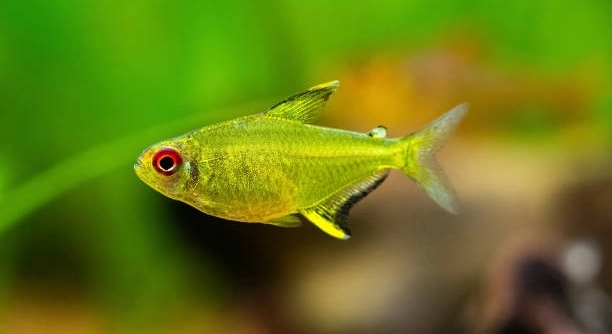
Do your Lemon Tetra swim around your aquarium with lively energy but seem uninterested in flakes? Observing their behavior during feeding times can be both fascinating and a little puzzling for any fish keeper. The way they respond to different foods often shapes your feeding routine.
Lemon Tetra show a natural preference for live food due to its movement, aroma, and nutritional content. While they will consume flakes, live food better stimulates their hunting instincts and supports optimal health and growth.
Feeding habits can reveal subtle details about their health and environment. Understanding these preferences helps maintain a balanced and enriching aquarium life for your Lemon Tetra.
Why Lemon Tetra Favor Live Food
Lemon Tetra are naturally drawn to live food because it mimics their feeding habits in the wild. The movement of live worms, brine shrimp, or daphnia triggers their instinct to hunt, keeping them active and healthy. Live food is also richer in nutrients compared to most flake foods, providing proteins, fats, and essential vitamins that support growth, coloration, and overall vitality. While flakes are convenient and fortified, they lack the stimulation that live food provides. Observing my own Lemon Tetra, I noticed they would often ignore flakes when live food was available, indicating a clear preference. Feeding live food in moderation also helps prevent boredom, as the fish need to chase and capture their meals. Over time, this practice strengthens their natural reflexes, keeps them agile, and can even enhance their social behaviors within a tank group. The visual appeal of their active hunting adds a lively dimension to any aquarium.
Live food improves both physical health and mental activity in Lemon Tetra. They engage more, eat enthusiastically, and maintain brighter colors compared to a flake-only diet.
Incorporating live food into a regular feeding schedule does not mean eliminating flakes entirely. A balanced approach can include occasional flakes, supplemented with live offerings several times a week. Freezing live food in advance or using high-quality frozen alternatives ensures safety and prevents parasites. Rotating different types of live food keeps their diet varied and nutritionally complete. Feeding small amounts at frequent intervals prevents overfeeding and maintains water quality. Observation is key: fish that eagerly chase and consume live food tend to show better growth rates and more vibrant coloration, while flakes alone may not stimulate such activity. Properly stored live food also reduces the risk of contamination. Maintaining a healthy tank environment with regular cleaning, appropriate filtration, and stable water parameters further supports dietary benefits. Overall, combining live and flake foods strategically enhances both the health and behavior of Lemon Tetra.
Tips for Transitioning Between Food Types
Gradually introducing new foods prevents stress and selective feeding habits. Start by mixing flakes with small portions of live food.
To ensure a smooth transition, introduce live food alongside flakes for several days, allowing Lemon Tetra to associate both with positive feeding experiences. Observe their response and gradually increase the proportion of live food if they show preference. Offer a variety of live options, such as brine shrimp or daphnia, to prevent monotony. Feeding at consistent times helps the fish anticipate meals and reduces food waste. Removing uneaten portions promptly maintains water quality and minimizes the risk of harmful bacteria. Some Lemon Tetra may need longer periods to accept new foods, so patience is essential. Combining live and flake foods strategically ensures they receive balanced nutrition while maintaining natural behaviors. Monitoring health, activity levels, and coloration provides clear feedback on diet effectiveness, allowing adjustments as needed for optimal care. By following these steps, your Lemon Tetra can enjoy a varied, stimulating, and nutritionally rich diet without disrupting tank harmony.
Common Live Foods for Lemon Tetra
Brine shrimp, daphnia, and micro worms are the most commonly used live foods. They are easy to source and provide essential proteins that support growth and vibrant coloration in Lemon Tetra.
Brine shrimp are highly nutritious and stimulate active hunting behavior. Daphnia helps with digestion and adds variety to the diet. Micro worms are small enough for juvenile tetras and provide an excellent protein source. Using a mix of these foods ensures a balanced diet while keeping feeding time interesting. They can be fed fresh, frozen, or even cultured at home, depending on convenience and availability. Regularly rotating between these options prevents monotony and ensures all nutritional needs are met. Observing how each fish responds to different live foods allows for adjustments to maintain optimal health.
Introducing live food gradually is important for fish that have primarily eaten flakes. Start with small amounts to prevent stress or overeating. Maintaining cleanliness during feeding avoids water contamination, and monitoring consumption helps ensure each fish gets enough. Over time, fish become more confident in hunting and show improved activity levels and color vibrancy. Combining live foods strategically with flakes can make dietary transitions smoother and more effective.
Managing Feeding Schedules and Portions
Feed Lemon Tetra small amounts multiple times a day rather than one large feeding. This approach supports their metabolism and prevents water quality issues.
Establishing a consistent feeding routine helps Lemon Tetra develop healthy habits. Small, frequent feedings mimic natural conditions and encourage active hunting, especially when live food is offered. Adjust portions based on the number of fish in the tank, their age, and activity level. Uneaten food should be removed promptly to prevent waste accumulation and maintain water quality. Observing feeding behavior during each session provides insight into individual preferences and appetite. Overfeeding can lead to obesity and poor water conditions, so moderation is key. Keeping a feeding log can help track changes over time, ensuring fish remain healthy.
Feeding schedules should account for both live and flake foods. Start the day with a small portion of flakes, then offer live food mid-day to encourage hunting behavior. Evening feedings can consist of a mix or additional live options, depending on fish activity. Rotating food types throughout the week maintains interest and nutrition balance. Adjustments may be needed during breeding periods or seasonal changes when appetite fluctuates. Proper portion control prevents stress and competition among fish, promoting a peaceful tank environment. Monitoring water parameters regularly supports the effectiveness of your feeding routine, ensuring Lemon Tetra thrive while enjoying varied, nutritious meals.
Transitioning from Flakes to Live Food
Start by mixing flakes with a small portion of live food. Gradually increase live food while reducing flakes over several days to ease the transition.
Observe the fish closely during this period. Some Lemon Tetra may take longer to adjust, while others quickly embrace live options. Patience ensures they adapt without stress.
Monitoring Health During Dietary Changes
Regularly check for changes in color, activity, and appetite. Healthy Lemon Tetra are bright, active, and responsive. Any signs of lethargy or reduced interest in food may indicate dietary imbalance or stress. Adjust feeding accordingly and maintain clean water conditions to support overall health.
Storing and Handling Live Food
Keep live food in clean containers and change water regularly. Proper handling prevents contamination and ensures nutrients remain intact, maintaining safety and quality for your Lemon Tetra.
FAQ
Do Lemon Tetra eat only live food?
Lemon Tetra do not eat only live food. While they prefer live options due to movement and nutrition, they will accept flakes and frozen foods. A balanced approach combining live, frozen, and flake foods ensures consistent nutrition without over-reliance on a single food type.
Can flakes replace live food completely?
Flakes can sustain Lemon Tetra, but they lack the stimulation and variety of live food. Feeding flakes exclusively may result in less active behavior and duller coloration. Using flakes alongside live or frozen foods provides both convenience and nutritional variety.
How often should I feed live food?
Feeding live food two to three times a week is sufficient for adult Lemon Tetra. Small daily portions of flakes or frozen foods can supplement their diet. This schedule balances nutritional needs, keeps fish active, and prevents overfeeding or water quality issues.
What types of live food are safest?
Brine shrimp, daphnia, and micro worms are safe and easy to source. These options are small enough for Lemon Tetra to eat comfortably, provide high protein content, and rarely introduce parasites when purchased from reputable sources. Avoid wild-caught insects that may carry diseases or toxins.
Can live food improve fish coloration?
Yes, live food often enhances coloration. Natural pigments and high protein content support vibrant yellow and green shades in Lemon Tetra. Consistent use of live food in moderation can bring out their best visual appearance compared to a diet of flakes alone.
Is it okay to mix flakes and live food?
Mixing flakes with live food is ideal. It allows fish to gradually adapt to live options while still receiving nutrients from flakes. Mixing also prevents overfeeding of live food and maintains a varied diet that keeps Lemon Tetra active and healthy.
How should live food be stored?
Live food should be kept in clean containers with fresh, oxygenated water. Refrigeration or aeration may be needed for certain species like brine shrimp. Proper storage prevents bacterial growth, ensures nutritional quality, and reduces the risk of contaminating the aquarium.
Can juvenile Lemon Tetra eat the same live food as adults?
Juvenile Lemon Tetra require smaller live foods like micro worms or baby brine shrimp. Their mouths are smaller, and larger options may be difficult to eat. As they grow, they can gradually move on to larger live foods while continuing flakes or frozen options for balanced nutrition.
Will my Lemon Tetra stop eating flakes if given live food?
Some Lemon Tetra may show strong preference for live food, occasionally ignoring flakes. Introducing live food gradually and maintaining regular flake feedings helps prevent selective eating and ensures fish receive a consistent, balanced diet.
Are frozen live foods as good as fresh?
Frozen live foods maintain most nutritional benefits and are convenient when fresh options are unavailable. Proper thawing before feeding ensures safety and digestibility. Combining frozen and fresh live food maintains variety without compromising health.
How much live food should I give at one time?
Provide only what the fish can consume in a few minutes. Overfeeding can foul the water and stress the fish. Observing feeding behavior helps adjust portions and prevents waste, maintaining a healthy tank environment.
Can live food help breeding Lemon Tetra?
Yes, live food stimulates natural hunting instincts and provides protein essential for reproductive health. Consistent use during breeding periods improves egg quality and increases the likelihood of successful spawning. Flakes can supplement but are less effective alone.
Is it necessary to culture live food at home?
Culturing live food at home is optional but convenient. It ensures a consistent supply and reduces cost. Proper hygiene and clean containers are essential to prevent contamination and maintain healthy, nutritious food for your Lemon Tetra.
What signs indicate live food is improving health?
Increased activity, brighter coloration, improved appetite, and steady growth indicate live food is benefiting the fish. Observing these changes confirms that the diet is meeting their nutritional and behavioral needs.
Can overfeeding live food harm Lemon Tetra?
Yes, overfeeding can lead to obesity, poor water quality, and stress. Feeding small, controlled portions and monitoring consumption helps maintain health while preventing tank issues. Balancing live food with flakes and frozen options reduces the risk of overfeeding.
Should live food be rinsed before feeding?
Rinsing live food removes debris and reduces contamination risks. It is especially important for frozen or cultured food. Clean live food ensures safer consumption and helps maintain water quality, reducing the chance of disease outbreaks in the tank.
Are some Lemon Tetra more selective than others?
Individual fish may have preferences, with some favoring certain live foods or flakes. Observing each fish helps tailor feeding strategies and ensures all fish receive adequate nutrition, maintaining health and harmonious behavior in the aquarium.
Can live food replace supplements?
Live food provides many essential nutrients but does not fully replace supplements when specific vitamins or minerals are needed. Using flakes or fortified foods alongside live options ensures complete nutrition, particularly for growth, coloration, and reproductive health.
How do I know if the live food is fresh?
Fresh live food is active, free of odor, and shows no signs of decay. Sluggish or discolored food may indicate spoilage. Using fresh, high-quality live food maximizes nutritional benefits and minimizes health risks for Lemon Tetra.
What is the best combination of foods for overall health?
A combination of live, frozen, and high-quality flakes provides a balanced diet. Live food supports hunting instincts and protein needs, flakes supply vitamins, and frozen options offer convenience and variety, keeping Lemon Tetra healthy, active, and colorful throughout their life.
Lemon Tetra are active, small fish that respond well to varied diets. Live food is often their favorite because it encourages natural hunting behavior and provides essential nutrients for growth, color, and overall health. While flakes are convenient and fortified with vitamins, they do not fully replace the benefits of live food. Using a combination of live food, frozen alternatives, and high-quality flakes can ensure your fish receive a balanced diet. Observing their behavior during feeding helps identify preferences, portion needs, and whether adjustments are necessary. Regularly offering different types of live food, such as brine shrimp, daphnia, and micro worms, keeps them engaged and supports mental stimulation, which is just as important as nutrition.
Introducing live food should be gradual, especially if your Lemon Tetra are used to flakes. Start by mixing small amounts of live food with their regular flakes and gradually increase the live portion over several days. Monitor the fish closely to ensure all individuals are eating and adapting well. Maintaining a clean feeding area and removing uneaten food is essential to prevent water contamination and stress. Consistent feeding schedules with small, frequent portions are better than one large meal, as this promotes healthy metabolism and keeps the fish active throughout the day. Frozen live food can be used as a convenient substitute when fresh live food is unavailable, maintaining both variety and nutritional value. Paying attention to water quality, tank cleanliness, and proper storage of live food ensures the diet benefits are fully realized and reduces the risk of disease or imbalance.
Ultimately, providing a mix of live food and flakes contributes to healthier, more vibrant Lemon Tetra. Regular observation of their coloration, activity levels, and appetite indicates how well the diet is working. Healthy Lemon Tetra will appear bright, swim actively, and eagerly consume live food. Adjustments to portions, types of live food, or the balance with flakes may be needed depending on fish age, activity, or tank conditions. Feeding is not only about nutrition but also about enriching their environment and promoting natural behaviors. By paying attention to preferences, nutritional needs, and the tank environment, you can maintain a balanced, safe, and stimulating diet for your Lemon Tetra, supporting their health and longevity.

Hello,
If you enjoy the content that we create, please consider saying a "Thank You!" by leaving a tip.
Every little bit helps us continue crafting quality advice that supports the health, happiness, and well-being of pets around the world, for pets of all shapes, sizes, and species.
We really appreciate the kindness and support that you show us!