
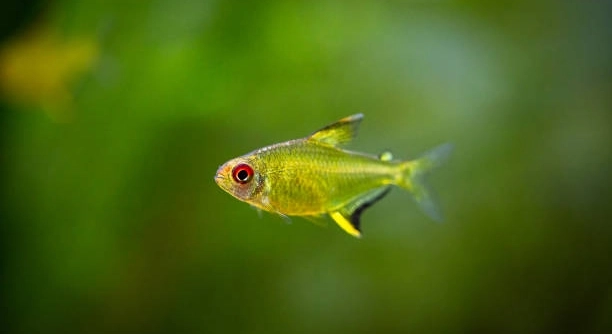
Lemon tetras are small, bright fish often seen in home aquariums. They are popular for their lively colors and peaceful nature, making them an attractive choice for both beginner and experienced fish keepers alike.
Many common beliefs about lemon tetras are inaccurate. Misconceptions regarding their diet, behavior, and care requirements can lead to improper treatment. Correct understanding is essential to ensure the species’ health, social well-being, and overall survival in captivity.
Knowing the truth behind these myths can improve your care routine and help maintain a thriving, vibrant aquarium environment for your lemon tetras.
Myth 1: Lemon Tetras Are Fragile Fish
Many people assume lemon tetras are extremely delicate and prone to illness. While they are sensitive to poor water quality, they are actually hardy if given a stable environment. Proper filtration, regular water changes, and a balanced diet are essential. Stress from overcrowding or sudden temperature shifts can affect their health, but with steady care, these fish adapt well. Observing them daily helps detect early signs of illness, like unusual swimming or faded colors. Nutrition also plays a role—feeding high-quality flakes or small live foods ensures strong immunity. Providing hiding spots reduces stress, as they feel safer in planted tanks. Despite their small size, lemon tetras show resilience when cared for consistently. Overprotection is unnecessary and can actually limit their natural behavior, like schooling and exploring. Understanding their needs allows owners to maintain a stable environment that promotes both health and vibrant coloration.
Lemon tetras handle moderate water changes and maintain health with proper tank conditions and routine observation.
These fish thrive best in small schools, with at least six in a tank. They prefer slightly acidic water and steady temperatures. Hiding spots and plants support natural behavior and reduce stress. Avoid sudden changes in water or overcrowding, as it can trigger illness or aggression. Observing them regularly allows for early detection of issues, ensuring they remain active and colorful. Their small size makes them easy to care for, but attention to water quality and diet is key. With proper care, lemon tetras are lively and long-lived, proving they are not as fragile as often believed. Regular feeding and monitoring of tank parameters create a balanced environment that encourages their natural behavior, including schooling, exploring, and showing their bright yellow coloration. By providing these conditions, owners can enjoy a thriving, healthy group of lemon tetras.
Myth 2: Lemon Tetras Need Expensive Food
It is often assumed that lemon tetras require costly or exotic foods to stay healthy. In reality, they do well on high-quality commercial flake or pellet food. Supplementing with occasional frozen or live foods like daphnia, brine shrimp, or bloodworms helps maintain their color and vitality. Overfeeding can cause water quality issues, so portion control is important. Fresh vegetables like blanched spinach or peas can provide extra nutrients without high costs. A varied diet supports immune function and prevents nutrient deficiencies, ensuring growth and bright coloration. Expensive specialty foods are unnecessary, and simple, consistent feeding practices often yield better results.
A balanced diet with accessible foods maintains their health, color, and energy without breaking the budget.
Regular feeding schedules keep lemon tetras active and vibrant. Too much food can foul water, so small portions twice a day are ideal. Supplementing with occasional live or frozen foods adds protein and variety. They do not require exotic or expensive diets to thrive. Using affordable, high-quality flakes or pellets, along with simple natural supplements, supports their growth, coloration, and immunity. Over time, consistent feeding habits prevent obesity and health issues, promoting longevity. Vegetables like peas or spinach provide fiber and nutrients without complicated preparation. Observing their eating behavior helps ensure all fish receive adequate nutrition. By sticking to a simple, balanced diet, owners can maintain a healthy, active, and colorful school of lemon tetras while avoiding unnecessary costs.
Myth 3: Lemon Tetras Only Swim at the Top
Lemon tetras do not stay exclusively at the water surface. They swim throughout the tank, often in the middle and near plants. Their activity is spread evenly, and they explore different levels naturally when comfortable and healthy.
They enjoy swimming in schools across all tank levels. In well-planted aquariums, they often hover near plants for safety but are equally active in open water. Observing them, you will notice they occasionally explore the bottom to forage for leftover food or small particles. They are naturally curious, moving through mid-level areas while maintaining their social schooling behavior. Tank layout influences their patterns, but they rarely remain confined to one level unless stressed. Providing a mix of plants, open spaces, and decorations allows them to swim freely and express natural behaviors.
Lemon tetras adapt to tank conditions and exhibit natural swimming patterns across all levels. Sheltered spots reduce stress, while open areas encourage activity. Their movement is balanced, and they rarely linger at the top. Even timid fish eventually explore the mid-levels and bottom areas when comfortable. Observing their swimming behavior can indicate overall health and comfort. Stress, overcrowding, or poor water quality may restrict movement temporarily. With a stable environment, they will move freely, showing off their bright coloration and maintaining proper social dynamics within the school.
Myth 4: Lemon Tetras Can Live Alone
Lemon tetras are schooling fish and do not thrive in isolation. They need the presence of at least five to six companions to feel secure, socialize, and display natural behavior.
Keeping a single lemon tetra can cause stress, hiding, and reduced activity. Without a school, they may lose appetite, display dull coloration, and become less energetic. Their social interactions are critical for well-being, including synchronized swimming and establishing group dynamics. A small group encourages confidence and reduces stress-induced behaviors. Observing a single fish in a community can show clear signs of isolation stress, which affects immunity and lifespan. Proper tank setup should prioritize keeping them in groups to maintain health and natural behavior.
In a proper school, lemon tetras show lively activity, coordinated swimming, and bright coloration. Solitary fish often appear timid and inactive, avoiding open areas and spending excessive time hiding. They rely on group presence for comfort and environmental interaction. Even in large tanks, a lone lemon tetra may struggle to feel safe. Companionship is necessary for mental stimulation and natural schooling instincts. Ensuring they have companions reduces stress-related problems, encourages exploration, and strengthens immune response. A balanced school supports social hierarchy, coordinated feeding, and visible health improvements, making group care essential for their thriving in captivity.
Myth 5: Lemon Tetras Require Large Tanks
Lemon tetras do not need oversized aquariums. A 10-gallon tank can support a small school, provided it has plants, hiding spots, and proper filtration. Space should allow free swimming but does not have to be excessive.
A modest tank with good water quality and adequate decor is sufficient for their activity. They feel comfortable in well-structured environments even without vast open areas. Proper maintenance is more important than size alone.
Myth 6: Lemon Tetras Can Eat Anything
Lemon tetras cannot thrive on random foods. A balanced diet of high-quality flakes or pellets, supplemented with occasional live or frozen foods, supports health and coloration. Poor feeding choices can lead to nutrient deficiencies or water quality issues.
Myth 7: Lemon Tetras Are Aggressive
Lemon tetras are peaceful by nature. Aggression is rare and usually triggered by overcrowding or incompatible tank mates. They coexist well with other non-aggressive species.
FAQ
How many lemon tetras should be kept together?
Lemon tetras are schooling fish and do best in groups of at least six. Small schools help reduce stress, encourage natural behavior, and improve overall health. Fewer than six can lead to shyness, hiding, and reduced activity, which can impact their color and vitality.
What type of water do lemon tetras need?
They thrive in slightly acidic to neutral water, with a pH range of 6.0 to 7.0. Temperatures between 72°F and 78°F are ideal. Consistent water quality and regular monitoring are more important than perfect numbers. Sudden changes in temperature or pH can stress them and make them prone to disease.
Can lemon tetras live with other fish?
Yes, they are peaceful and compatible with other non-aggressive species. Good tank mates include small rasboras, guppies, and corydoras. Avoid larger, aggressive fish that may harass or eat them. Proper schooling and enough swimming space reduce conflicts and help maintain a calm environment.
How often should I feed lemon tetras?
Feeding small portions twice a day is sufficient. Overfeeding can lead to poor water quality, which is harmful to the fish. A mix of flakes or pellets and occasional live or frozen foods ensures balanced nutrition and promotes their vibrant coloration. Vegetables like peas or spinach can be added sparingly for extra nutrients.
Do lemon tetras need a lot of plants in the tank?
Plants are beneficial but not strictly necessary. They provide hiding spots, reduce stress, and help maintain water quality. Live plants are ideal, but artificial plants can also work. Ensure open swimming areas are available, as they need space to school and move freely throughout the tank.
What should I do if my lemon tetra looks dull?
Dull coloration is usually a sign of stress, illness, or poor water quality. Check the water parameters first, then ensure proper diet and tank conditions. Overcrowding, sudden changes, or a lack of companions can also cause fading. Restoring stable conditions and maintaining a balanced environment usually improves their appearance.
How can I encourage breeding in lemon tetras?
Breeding requires a separate tank with slightly acidic water, around 75°F, and fine-leaved plants for egg-laying. Feeding high-quality live foods can trigger spawning. Remove adults after eggs are laid to prevent them from eating the fry. Consistent care and minimal disturbance increase success rates.
Are lemon tetras hardy fish for beginners?
Yes, they are suitable for beginners if basic care is maintained. They tolerate small fluctuations in water quality but require consistent feeding, water changes, and stable temperatures. Observing their behavior and maintaining proper group sizes ensures a healthy and active school of fish.
Can lemon tetras live in small tanks?
Small tanks work if they are at least 10 gallons and provide enough swimming space and hiding spots. Good filtration and regular water changes are essential to prevent stress. Overcrowding or tiny tanks can cause aggression, stress, and health problems.
How long do lemon tetras live?
With proper care, they typically live 3 to 5 years. Longevity depends on consistent water quality, a balanced diet, and proper schooling conditions. Stress, disease, and poor tank management can shorten their lifespan, while attentive care supports a longer, healthier life.
Do lemon tetras need special lighting?
Standard aquarium lighting is sufficient. Bright lighting can enhance their yellow coloration, but avoid extreme intensity. Plants may require specific light, but the fish themselves do not need anything beyond basic aquarium lights. Consistent day-night cycles help maintain their natural behavior and activity levels.
How can I tell if lemon tetras are healthy?
Healthy lemon tetras are active, swim in schools, and display bright coloration. They eat regularly and explore the tank. Signs of illness include lethargy, faded color, clamped fins, or unusual swimming. Regular observation ensures problems are addressed early, preventing serious health issues.
What maintenance is required for lemon tetra tanks?
Weekly water changes of 20-25% are recommended. Monitor temperature, pH, and ammonia levels. Clean the substrate and decorations occasionally to remove waste buildup. Regular observation, proper feeding, and maintaining a balanced school support their health and longevity.
Are lemon tetras suitable for planted tanks?
Yes, they enjoy planted tanks. Plants provide hiding spots, reduce stress, and improve water quality. Both live and artificial plants work, but live plants also support natural behaviors and enhance tank aesthetics. Make sure there is enough open swimming space for schooling.
Can lemon tetras tolerate community tanks?
They adapt well to community tanks if companions are non-aggressive and similar in size. Overcrowding or aggressive tank mates can stress them, leading to illness. Proper tank setup, including plants and open spaces, helps them coexist peacefully and maintain natural behavior.
Do lemon tetras require a heater?
A heater is recommended to maintain stable temperatures around 72-78°F. Temperature fluctuations can cause stress and illness. While they tolerate minor variations, consistent warmth supports immune function, coloration, and activity levels. A reliable heater is essential for long-term health.
How do I prevent disease in lemon tetras?
Prevent disease by maintaining clean water, avoiding overfeeding, and monitoring for stress signs. Quarantining new fish before adding them to the main tank reduces the risk of introducing illness. Balanced nutrition, proper schooling, and consistent maintenance minimize health problems.
Can lemon tetras tolerate cold water?
They do not thrive in cold water. Temperatures below 68°F can stress them, reduce immunity, and affect activity. Maintaining a steady temperature within their preferred range is crucial for health and longevity. A heater helps ensure a stable environment.
Are lemon tetras aggressive toward each other?
No, they are peaceful with their own species. Aggression is uncommon and usually caused by overcrowding or poor water conditions. Proper group sizes and enough space for schooling prevent fighting and stress, allowing a calm, balanced aquarium environment.
What signs indicate stress in lemon tetras?
Stress appears as hiding, clamped fins, faded coloration, erratic swimming, or loss of appetite. Common causes include overcrowding, sudden water changes, incompatible tank mates, or poor water quality. Addressing these factors helps restore their health and natural behavior.
Can lemon tetras live with shrimp or snails?
Yes, peaceful invertebrates like shrimp and snails are compatible. They do not threaten each other if tank conditions are balanced. Ensure hiding spots for all species to minimize stress and allow coexistence without competition for food or territory.
How often should I test tank water?
Testing at least once a week is recommended. Check pH, ammonia, nitrites, and nitrates. Consistent monitoring prevents problems and maintains a healthy environment for lemon tetras. Quick action on abnormal readings keeps them active and reduces illness risk.
Do lemon tetras need a specific substrate?
No specific substrate is required. Fine gravel or sand works well. Darker substrates enhance their color and reduce stress. The substrate should be easy to clean to maintain water quality and overall tank hygiene.
Can lemon tetras survive in bare tanks?
Yes, they can survive, but bare tanks may increase stress. Plants, decorations, and hiding spots provide security and reduce aggressive tendencies in other species. Adequate space for schooling is essential even without substrate or dense planting.
Is it normal for lemon tetras to hide often?
Occasional hiding is normal, especially in new tanks or when stressed. Consistent hiding, faded color, or clamped fins indicate prolonged stress or poor conditions. Adding companions, plants, or decorations can help them feel safe and encourage activity.
How do I introduce lemon tetras to a new tank?
Acclimate them slowly by floating the bag in the tank and gradually adding small amounts of tank water over an hour. This reduces shock from temperature or water chemistry differences, helping them settle quickly and reducing stress.
Do lemon tetras need strong filtration?
Moderate filtration is sufficient. Strong currents can stress them, while inadequate filtration can harm water quality. A filter that provides gentle flow and good biological filtration maintains a balanced environment for healthy, active fish.
Can lemon tetras eat frozen food?
Yes, frozen foods like bloodworms or brine shrimp are excellent supplements. They enhance diet variety, coloration, and nutrition. Thawing before feeding ensures safety and proper consumption. Overfeeding should still be avoided to maintain water quality.
How do I know if my lemon tetras are stressed?
Stress signs include hiding, clamped fins, pale color, rapid breathing, or erratic swimming. Causes include overcrowding, poor water conditions, or aggressive tank mates. Addressing environmental and dietary issues helps reduce stress and maintain healthy, active behavior.
Can lemon tetras tolerate slightly hard water?
Yes, they tolerate moderately hard water but prefer softer, slightly acidic conditions. Extreme hardness may affect health and color. Regular water testing ensures parameters remain within safe ranges. Gradual acclimation helps adjust to minor differences.
Are lemon tetras suitable for small community tanks?
Yes, as long as companions are peaceful and there is enough space. A small, well-planted community tank supports schooling, reduces stress, and allows natural behavior without overcrowding or competition.
What is the best diet to maintain their bright color?
A mix of high-quality flakes or pellets with occasional live or frozen foods supports color and health. Adding vegetables like peas or spinach occasionally enhances nutrition. Balanced feeding ensures vibrant coloration and strong immunity.
How can I reduce stress in lemon tetras?
Maintain water quality, proper temperature, and a small school. Add plants or hiding spots and avoid aggressive tank mates. A stable, well-maintained tank encourages natural behavior and reduces signs of stress like hiding or clamped fins.
Do lemon tetras need regular tank cleaning?
Yes, weekly partial water changes and substrate cleaning prevent waste buildup. Regular maintenance supports healthy water chemistry, reduces disease risk, and keeps the fish active and colorful. Observing the tank during cleaning helps detect early health issues.
Can lemon tetras live with bettas?
It depends on the betta’s temperament. Peaceful, calm bettas may coexist, but aggressive ones can stress or attack lemon tetras. A spacious tank with hiding spots and observation during introduction is essential to prevent conflicts.
How do I prevent lemon tetras from jumping out?
A tight-fitting lid or hood is essential. Lemon tetras occasionally jump when startled or during water changes. Preventing access to open areas reduces risk of injury or escape, keeping them safe and secure in the aquarium.
What is the ideal schooling size for lemon tetras?
At least six to eight fish create proper social dynamics. Larger schools reduce stress, encourage natural swimming behavior, and improve coloration. Small groups may appear timid and inactive, affecting overall health.
How do I encourage natural behavior in lemon tetras?
Provide plants, decorations, open swimming areas, and companions. Balanced diet and stable water conditions promote activity, schooling, and natural exploration. Avoid overcrowding and aggressive tank mates to support normal behavior and healthy social interactions.
Can lemon tetras survive in cold climates?
Not without a heater. They need stable temperatures above 72°F. Cold conditions reduce immunity, activity, and overall health. A heater ensures a consistent, warm environment suitable for their needs.
Are lemon tetras sensitive to light?
Moderate lighting is sufficient. Too bright can stress them, while dim light may reduce activity. A balanced day-night cycle supports healthy behavior, coloration, and sleep patterns.
How long do lemon tetras need to acclimate to a new tank?
Acclimation should take one to two hours. Gradually introducing tank water while floating the fish reduces shock from temperature or water chemistry changes. This ensures they adjust safely and maintain health.
Can lemon tetras survive without plants?
Yes, but plants provide security and reduce stress. Open areas allow free swimming, but hiding spots from plants or decorations support well-being and natural behavior. They thrive better with some form of cover.
Do lemon tetras require specific water flow?
Moderate, gentle flow is ideal. Strong currents stress them, while stagnant water reduces oxygenation. A well-balanced flow supports swimming, schooling, and overall health.
Can lemon tetras eat flakes exclusively?
Yes, high-quality flakes can form the base diet. Supplementing occasionally with live, frozen, or vegetable foods ensures full nutrition and supports coloration. Overfeeding should be avoided to maintain water quality.
Are lemon tetras easy to breed at home?
With the right conditions, breeding is possible. A separate spawning tank, fine-leaved plants, and live foods improve success. Removing adults after spawning protects eggs and fry. Consistency and minimal disturbance increase survival rates.
What temperature range keeps lemon tetras healthy?
72°F to 78°F is ideal. Stable temperatures prevent stress and disease. Sudden fluctuations can affect immune function, activity, and coloration. A reliable heater maintains proper conditions for long-term health.
How do I prevent fin damage in lemon tetras?
Avoid sharp decorations and aggressive tank mates. Proper schooling, clean water, and gentle handling reduce the risk of torn or clamped fins, maintaining their appearance and mobility.
Can lemon tetras tolerate slightly brackish water?
No, they are freshwater fish. Even small amounts of salt can stress them, affect health, and reduce activity. Maintaining freshwater conditions is essential for their well-being.
Are lemon tetras active at night?
They are primarily diurnal, resting at night. Low light or darkness encourages rest. Night activity is minimal, though occasional movement occurs in response to disturbances.
Do lemon tetras recognize their owners?
They respond to movement and feeding but do not form strong personal recognition. Regular feeding and care create familiarity, but they remain small, social fish focused on their school.
What are common signs of disease in lemon tetras?
Clamped fins, faded coloration, lethargy, abnormal swimming, or loss of appetite indicate illness. Early detection and proper water management are critical to prevent progression and ensure recovery.
Can lemon tetras tolerate other schooling fish?
Yes, they coexist with similar-sized, peaceful fish. Mixed schools should have adequate space, hiding spots, and compatible temperaments to reduce stress and support natural behavior.
How often should lemon tetras be observed for health?
Daily observation is ideal. Watch for color changes, activity levels, and swimming patterns. Quick action on abnormal signs prevents illness and maintains a healthy, active school.
Are lemon tetras picky eaters?
They are not overly picky but thrive on a varied diet. Flakes, pellets, live, frozen foods, and occasional vegetables ensure proper nutrition, vibrant color, and strong immune function.
Can lemon tetras live in a nano tank?
Yes, with proper maintenance, a 10-gallon or slightly larger tank can support a small school. Adequate filtration, hiding spots, and careful monitoring are essential.
Do lemon tetras need a specific water hardness?
They tolerate soft to moderately hard water. Extreme hardness may reduce color and stress the fish. Regular testing ensures parameters remain within safe ranges.
How do I prevent aggression in lemon tetras?
Maintain a proper school size, provide adequate swimming space, and choose compatible tank mates. Overcrowding and poor water conditions can trigger aggression, which is otherwise rare in this species.
Can lemon tetras survive in low-light tanks?
Yes, they adapt to moderate or low lighting. Plants may require brighter light, but the fish remain active and healthy even in less intense light conditions.
Are lemon tetras suitable for beginners?
Yes, they are hardy, small, and peaceful. With stable water conditions, proper feeding, and schooling, they are manageable and rewarding for first-time aquarium owners.
Do lemon tetras need a quarantine tank?
Quarantine is recommended when introducing new fish. It prevents disease transmission and allows observation for stress or illness before adding them to the main tank.
Can lemon tetras live with goldfish?
No, goldfish are larger, produce more waste, and may stress or eat lemon tetras. They are best kept with small, peaceful community fish.
How often should water parameters be checked?
Weekly testing of pH, ammonia, nitrites, and nitrates keeps conditions stable. Early detection of imbalances prevents stress, illness, and mortality.
Do lemon tetras require CO2 injection?
No, CO2 is not necessary for their survival. It benefits live plants but is not required for fish health.
What are signs of stress from poor water quality?
Faded color, hiding, lethargy, clamped fins, or erratic swimming indicate poor water conditions. Immediate water changes and parameter checks are essential.
Can lemon tetras adapt to new tankmates quickly?
They adapt slowly over several days. Introducing them gradually and providing hiding spots reduces stress and ensures peaceful coexistence.
Are lemon tetras sensitive to noise or vibration?
Yes, sudden vibrations or loud noises can stress them. Keeping the tank in a stable, quiet location promotes calm behavior and reduces health risks.
How do I encourage schooling behavior?
Keep at least six fish together, provide open swimming areas, and ensure compatible tank mates. Stress-free conditions allow synchronized swimming and natural social interactions.
Can lemon tetras tolerate tap water?
Yes, if treated with a water conditioner to remove chlorine or chloramine. Untreated tap water can harm them, so proper preparation is necessary.
Do lemon tetras need additional supplements?
Not strictly, but occasional live or frozen foods add nutrients. Balanced diet and proper care usually meet all their nutritional needs.
How can I reduce disease risk in lemon tetras?
Maintain clean water, stable temperature, balanced diet, proper schooling, and quarantine new fish. Observing daily for abnormal behavior helps prevent health issues.
Can lemon tetras live with dwarf cichlids?
It depends on the cichlid’s temperament. Peaceful species may coexist, but territorial or aggressive cichlids can stress or harm lemon tetras. Adequate space and hiding spots help minimize conflict.
Do lemon tetras need aeration?
Moderate aeration is helpful but not mandatory if the filter provides sufficient oxygen exchange. Extra air can improve water circulation and overall health.
How do I tell if lemon tetras are happy?
Active swimming, bright coloration, schooling behavior, and regular eating indicate good health and contentment. Calm, alert fish in a stable environment show they are thriving.
Can lemon tetras live with tetras of other species?
Yes, they generally mix well with other small, peaceful tetras. Similar water requirements and temperament ensure compatibility, creating a harmonious community.
Are lemon tetras suitable for cold-water tanks?
No, they need stable tropical temperatures. Cold-water tanks may cause stress, illness, or death. Proper heating is essential.
Do lemon tetras need a specific light cycle?
A consistent day
Lemon tetras are small, vibrant fish that bring life and color to a home aquarium. They are often misunderstood due to common myths about their care, behavior, and diet. Many people think these fish are fragile or require complicated setups, but in reality, they are hardy and adaptable when given a stable environment. Proper water quality, regular feeding, and maintaining a small school are more important than expensive equipment or exotic foods. Providing hiding spots, open swimming areas, and consistent tank conditions allows them to display natural behaviors, including schooling, exploring, and maintaining bright coloration. They are peaceful, social, and rewarding to observe, which makes them suitable for both new and experienced fish keepers. Understanding their true needs helps prevent stress, illness, and unnecessary worry while creating a healthy and balanced tank.
A key factor in caring for lemon tetras is their social nature. These fish thrive when kept in groups of six or more, and their activity and behavior are closely tied to the presence of companions. Solitary lemon tetras often become timid, hide more frequently, and may show dull colors. Keeping a proper school encourages coordinated swimming, natural interactions, and overall confidence. A well-maintained tank with moderate filtration, consistent temperature, and safe water parameters supports these behaviors and prevents stress-related problems. Diet is another essential aspect, but it does not have to be complicated. High-quality flakes or pellets, supplemented occasionally with live or frozen foods, meet their nutritional needs and help maintain coloration. Simple additions, such as blanched vegetables, can provide extra nutrients. Overfeeding should be avoided, as it negatively affects water quality and fish health. Consistency in feeding, maintenance, and observation ensures that lemon tetras remain active, healthy, and visually striking.
Creating a stable and thoughtful environment is more effective than trying to meet misconceptions about their care. Myths such as the need for large tanks, exotic diets, or fragile handling often cause unnecessary concern. By focusing on core needs—social interaction, clean water, proper nutrition, and a balanced tank layout—lemon tetras can flourish in a manageable setup. They are active swimmers, curious but cautious, and enjoy exploring planted or decorated tanks. Their small size, peaceful temperament, and adaptability make them excellent for community tanks with compatible species. Regular observation of their behavior, coloration, and activity provides insight into their health, allowing issues to be addressed early. In summary, lemon tetras are resilient, engaging, and relatively easy to care for when their basic requirements are met. Avoiding myths and understanding their actual needs ensures a thriving, harmonious aquarium where these bright, lively fish can live happily and display their full charm.

Hello,
If you enjoy the content that we create, please consider saying a "Thank You!" by leaving a tip.
Every little bit helps us continue crafting quality advice that supports the health, happiness, and well-being of pets around the world, for pets of all shapes, sizes, and species.
We really appreciate the kindness and support that you show us!